
In the intricate world of personal and business finance, two numbers stand as foundational pillars for nearly every transaction: your account number and your routing number. These seemingly simple strings of digits are, in essence, the DNA of your financial identity and the address of your bank. Whether you’re setting up direct deposit, paying bills online, sending money, or managing business payroll, understanding how to locate and use these numbers accurately is not just a convenience, but a critical component of sound financial management. This comprehensive guide will demystify these essential banking identifiers, show you exactly where to find them, and equip you with the knowledge to handle them securely within the realm of personal and business finance.

The Cornerstone of Your Financial Transactions
Every financial institution and every individual account within it operates using a unique identification system. At the heart of this system are your account and routing numbers, which facilitate the seamless movement of money across the vast financial network. Grasping their individual roles is the first step toward mastering your financial operations.
Understanding Account Numbers: Your Personal Identifier
Your account number is a unique identifier assigned by your bank to a specific checking, savings, or other deposit account you hold. Think of it as your personal identification number within the bank’s system, distinguishing your funds from those of every other customer. Typically ranging from 8 to 12 digits, this number ensures that when money is deposited, withdrawn, or transferred, it always lands in or originates from the correct account. Without this number, distinguishing between myriad customer accounts would be impossible, leading to chaos in financial record-keeping. It’s the key to accessing and managing the specific funds you’ve entrusted to your financial institution.
Demystifying Routing Numbers: The Bank’s Digital Address
The routing number, also known as an ABA (American Bankers Association) routing transit number, is a nine-digit code that identifies your specific financial institution within the U.S. banking system. While your account number specifies which account at your bank, the routing number specifies which bank it is. It acts like a digital address, directing funds to the correct bank during transactions. Every U.S. bank has at least one routing number, and larger banks may have several, each corresponding to different regions or types of transactions (e.g., domestic wire transfers versus ACH payments). When you send or receive money, this number ensures the transaction arrives at the correct financial institution before your account number directs it to your specific fund reservoir.
Why Are These Numbers So Crucial?
The importance of your account and routing numbers extends across a multitude of financial activities. They are indispensable for:
-
Direct Deposits: Whether it’s your salary, government benefits, or tax refunds, direct deposit uses these numbers to send funds electronically straight into your account, offering unparalleled speed and security compared to paper checks.
-
Online Bill Payments: Setting up automatic bill payments or one-time transfers to utility companies, credit card providers, or other service providers relies on these numbers to debit funds from your account.
-
Wire Transfers: For larger, time-sensitive, or international money transfers, both numbers are critical to ensure funds reach the intended recipient’s bank and account promptly and securely.
-
ACH Transactions: The Automated Clearing House (ACH) network facilitates electronic funds transfers (EFTs) for various purposes, including direct debits (like mortgage payments) and direct credits (like payroll). Both your account and routing numbers are fundamental to these transactions.
-
Check Writing: When you write a physical check, these numbers are pre-printed at the bottom, allowing banks to process the payment and clear the funds.
Misinformation or an inability to locate these numbers can lead to significant delays, incorrect transactions, and potential financial distress.
Primary Methods for Locating Your Numbers
Fortunately, finding your account and routing numbers is generally straightforward, with several reliable methods available. Each method offers convenience depending on your immediate access to physical documents or digital platforms.
The Physical Cheque: Your Traditional Go-To
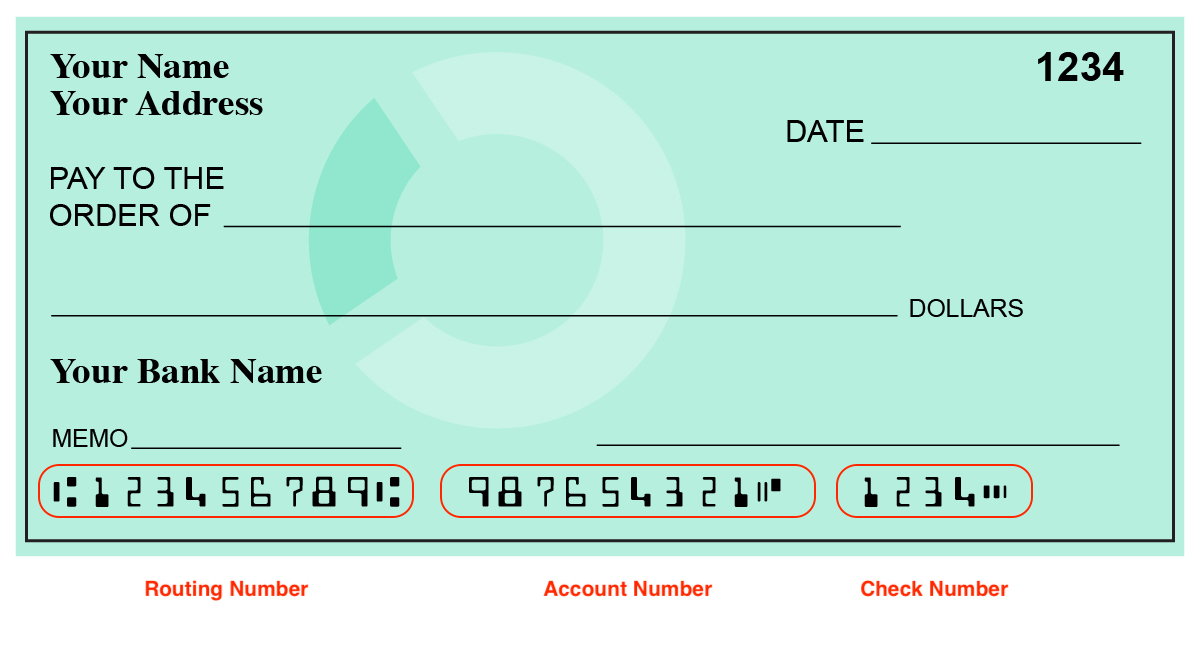
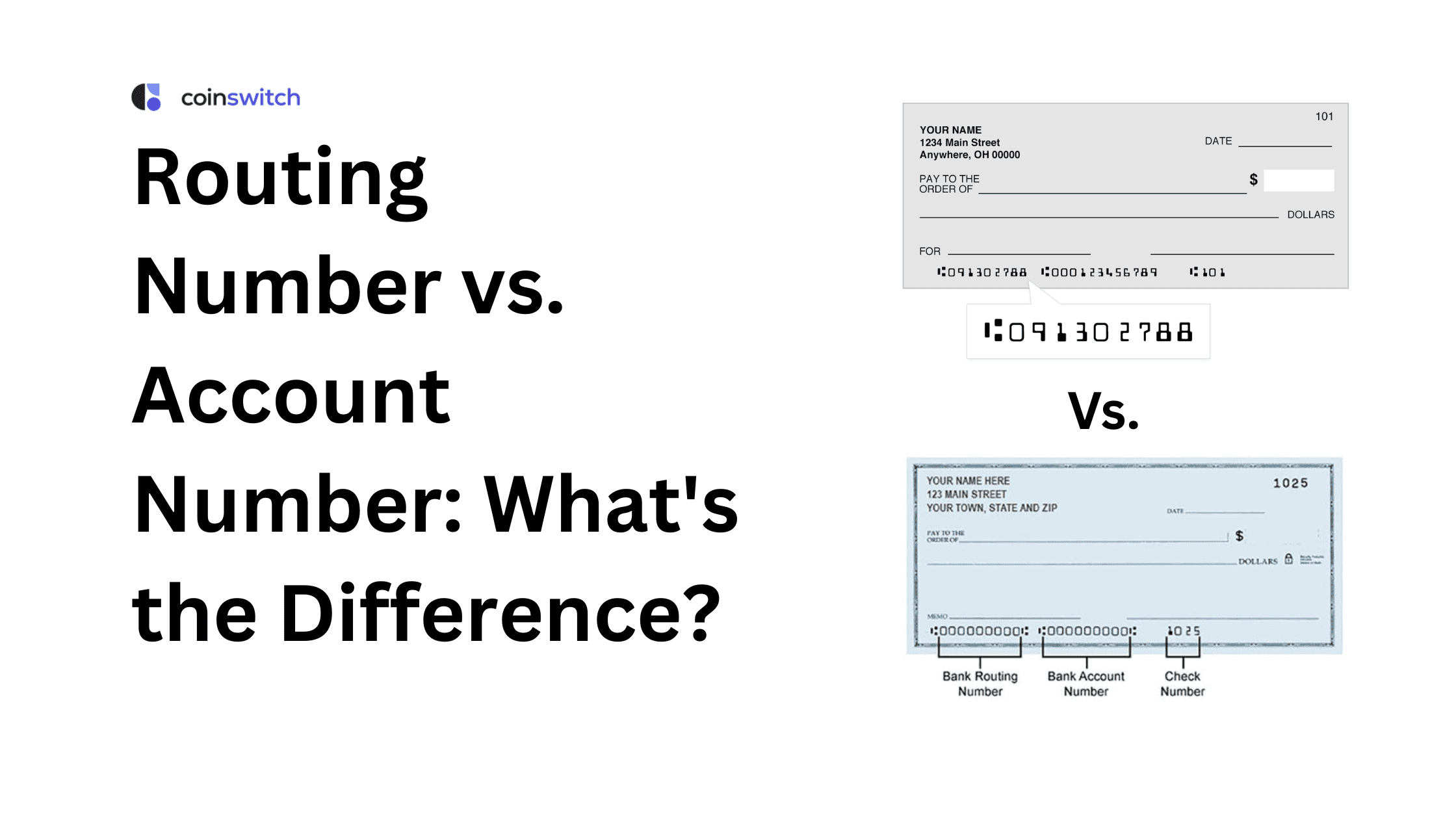
For many, the quickest way to find these numbers is by looking at a physical check. At the bottom of a personal check, you’ll typically see three sets of numbers, printed from left to right:
-
The routing number (usually nine digits).
-
Your account number (often 8 to 12 digits).
-
The check number (a unique identifier for that specific check).
It’s crucial to correctly identify which number is which. Banks often use different fonts or symbols to delineate these segments. Always ensure you’re using a blank or voided check to prevent any accidental transactions. While fewer people use physical checks daily, they remain a reliably accessible source for this information.
Online Banking Portals: Digital Convenience at Your Fingertips
In today’s digital age, your online banking portal is perhaps the most convenient and frequently used method for locating your account and routing numbers. After securely logging into your bank’s website or mobile app:
-
Account Summary Page: Many banks display your routing and account numbers directly on the main account summary or details page for each specific account.
-
Statements: You can usually access digital copies of your monthly bank statements. Both numbers are prominently featured at the top or bottom of these statements.
-
Direct Deposit Information: Look for a section related to “Direct Deposit,” “Account Services,” or “Download Forms.” Banks often provide a pre-filled direct deposit form that clearly lists both numbers for easy setup with employers or benefit providers.
The exact path may vary slightly between financial institutions, but these common areas are where you’ll most likely find the information. Always ensure you are on your bank’s official website or app to protect your sensitive data.
Monthly Bank Statements: A Record of Your Financial Life
Whether you receive paper statements in the mail or access them digitally, your monthly bank statement is an authoritative source for your account and routing numbers. Both numbers are typically printed clearly on the statement, often near your name and address or within the account summary section. Reviewing your statements not only helps you find these numbers but also serves as a crucial exercise in monitoring your financial activity and ensuring accuracy.
Contacting Your Financial Institution Directly: When All Else Fails
If you’ve exhausted the above methods or are unsure, the most reliable course of action is to contact your bank directly. You can:
-
Call Customer Service: Have your personal identification details (like your account type, last few transactions, or a security question) ready to verify your identity. The representative will be able to provide the correct numbers.
-
Visit a Branch In-Person: A bank teller can assist you in finding your numbers. Remember to bring a valid form of identification (driver’s license, passport, etc.).
This method ensures accuracy and provides an opportunity to clarify any specific questions you might have about using your numbers for particular transactions.
Common Scenarios and Specific Needs
Knowing where to find your account and routing numbers is one thing; understanding their application in various financial contexts is another. Here’s how these numbers facilitate common financial activities.
Setting Up Direct Deposit for Your Paycheque or Benefits
Direct deposit is the preferred method for receiving income, offering speed, reliability, and security. When setting it up with your employer, government agency (for social security or tax refunds), or other income sources, you’ll almost always need to provide both your routing and account numbers. It’s paramount to double-check these numbers to prevent misrouted payments, which can delay your funds and create administrative headaches. Many employers will provide a form that you can fill out, often requesting a voided check as a visual confirmation.
Initiating Online Bill Payments and Transfers
Paying bills or transferring money to another individual or business often requires inputting the recipient’s bank details. When you set up a recurring payment or a one-time transfer, whether from your bank’s platform or a third-party service, you’ll use your own account and routing numbers to authorize the debit, and the recipient’s details to direct the credit. For your own outgoing payments, your bank already knows your account and routing numbers, but you might need them if you’re linking your bank account to a third-party payment app or service.
Receiving Wire Transfers or ACH Payments
If you are expecting to receive a wire transfer or an ACH payment from another individual or entity, you will need to provide them with your account and routing numbers. For international wire transfers, you might also need additional information, such as your bank’s SWIFT/BIC code (Society for Worldwide Interbank Financial Telecommunication / Bank Identifier Code), which is an international equivalent of a routing number. Always confirm with the sender and your bank exactly what information is required to ensure a smooth transaction.
Managing Business Finances: Payroll and Vendor Payments
For business owners, the accurate use of account and routing numbers is even more critical. Setting up payroll for employees requires submitting these details to your payroll provider or directly with your bank to ensure employees are paid on time via direct deposit. Similarly, making payments to vendors, suppliers, or contractors often involves ACH transfers, which necessitate accurate bank account information. Businesses frequently manage multiple accounts (e.g., operating account, payroll account), so meticulous record-keeping and careful verification of which account’s numbers are being used are essential to avoid costly errors.
Safeguarding Your Financial Information
While your account and routing numbers are vital for financial operations, they are also sensitive pieces of information that require careful protection. Understanding the risks and implementing best practices is fundamental to preventing financial fraud and identity theft.
The Risks of Unauthorized Access
If malicious actors gain access to both your account and routing numbers, they could potentially initiate unauthorized transactions, such as fraudulent withdrawals or payments. While safeguards are in place (like transaction monitoring and fraud detection systems), the initial breach can still lead to significant inconvenience, stress, and potential financial losses that require time and effort to resolve. This is why treating these numbers with the same level of confidentiality as your PIN or Social Security Number is crucial.
Best Practices for Protecting Your Numbers
Adopting robust security habits can significantly mitigate the risks associated with your financial information:
-
Secure Online Banking: Always use strong, unique passwords for your online banking accounts and enable two-factor authentication (2FA) whenever possible. Log out after each session, especially on public or shared computers.
-
Shred Sensitive Documents: Before discarding old bank statements, voided checks, or any documents containing your account or routing numbers, shred them thoroughly.
-
Be Wary of Public Wi-Fi: Avoid accessing your banking apps or websites when connected to unsecured public Wi-Fi networks, as these can be vulnerable to eavesdropping. Use a secure, private network or a VPN instead.
-
Physical Security: Keep physical checks and bank statements in a secure location where they are not easily accessible to unauthorized individuals.
-
Review Statements Regularly: Promptly review your bank statements for any suspicious or unauthorized transactions. Early detection is key to limiting potential damage.
When to Be Suspicious: Phishing and Scams
Be extremely cautious about unsolicited requests for your bank account information. Legitimate financial institutions will rarely ask for your full account and routing numbers via email or text message. Common scams include:
-
Phishing Emails: Emails pretending to be from your bank, often with urgent warnings, asking you to click a link and “verify” your account details. Always navigate directly to your bank’s official website instead of clicking links in emails.
-
Vishing Calls: Phone calls from individuals impersonating bank representatives or government officials, attempting to trick you into revealing your banking information. If in doubt, hang up and call your bank’s official customer service number directly.
-
Malicious Websites: Fake websites designed to mimic legitimate banking portals. Always check the URL to ensure it’s your bank’s official site before entering any credentials.
Never provide your account and routing numbers to anyone you don’t explicitly trust or to an unsolicited request. When in doubt, contact your bank directly using a verified phone number or website.
Troubleshooting and Expert Tips
Even with multiple methods available, you might encounter situations where locating your numbers proves challenging. Here are some expert tips and troubleshooting advice to navigate these scenarios.
What to Do If You Can’t Find Your Numbers
If you’ve checked physical checks, online banking, and statements without success:
-
Re-check all avenues: Sometimes, the numbers are in a less obvious spot, such as the fine print of a direct deposit form online, or a secondary page on your digital statement.
-
Contact Customer Support: This remains your most reliable option. Be prepared to answer security questions to verify your identity. They can often provide the numbers over the phone or guide you to where they are located in your online portal.
-
Visit a Branch: For complex situations or if you prefer face-to-face assistance, visiting your local branch can provide direct support.
Distinguishing Between Different Account Types
It’s vital to remember that each distinct account you hold with your bank (e.g., checking, savings, money market, even certain loan accounts) will have its own unique account number. While some banks may use the same routing number for all their deposit accounts within a certain region, it’s not always the case, especially for specialized accounts or business accounts. Always confirm you are using the correct account number for the specific account you intend to use for a transaction. Accidentally using your savings account number for a direct debit intended for your checking account could lead to insufficient funds or failed transactions.
The Importance of Double-Checking
This cannot be stressed enough: always double-check your account and routing numbers before initiating any financial transaction. A single transposed digit can lead to delays, payments being sent to the wrong account, or even significant fraud if the incorrect numbers belong to a malicious party. For critical transactions like setting up payroll or large transfers, it’s wise to triple-check or even have another trusted individual verify the numbers. The minor effort of verification pales in comparison to the time and effort required to recover misrouted funds or rectify financial errors.
Understanding Bank-Specific Nuances
Different banks might have slightly different layouts on their checks, variations in their online banking interface, or specific routing numbers for different types of transactions (e.g., one for ACH, another for wire transfers). If you bank with a smaller credit union or a niche financial institution, these nuances might be even more pronounced. When in doubt, consult your bank’s official website FAQs, their customer service, or the branch staff for the most accurate information pertinent to your specific bank and account type.
By understanding the nature of these critical financial identifiers, knowing where to locate them reliably, and adhering to strict security protocols, you can navigate your personal and business finances with confidence and precision.
aViewFromTheCave is a participant in the Amazon Services LLC Associates Program, an affiliate advertising program designed to provide a means for sites to earn advertising fees by advertising and linking to Amazon.com. Amazon, the Amazon logo, AmazonSupply, and the AmazonSupply logo are trademarks of Amazon.com, Inc. or its affiliates. As an Amazon Associate we earn affiliate commissions from qualifying purchases.