
For the modern investor, few events on the financial calendar carry as much weight as the quarterly earnings release from Nvidia Corporation (NVDA). As the primary beneficiary and bellwether of the artificial intelligence revolution, Nvidia has transitioned from a niche hardware manufacturer into a systemic pillar of the global economy. When investors ask, “What time does NVDA report?” they are not merely looking for a slot on a schedule; they are seeking the zero hour for market-wide volatility and a pulse check on the trillion-dollar AI trade.
Understanding the Nvidia Earnings Calendar and Reporting Timing
Nvidia typically follows a standard protocol for its quarterly financial disclosures. Understanding the mechanics of this schedule is essential for any trader or long-term investor looking to navigate the price action effectively.
The Post-Market Tradition
Nvidia historically releases its financial results shortly after the closing bell of the Nasdaq Stock Market. While the market officially closes at 4:00 PM Eastern Time (ET), the press release detailing the company’s revenue, earnings per share (EPS), and forward guidance generally arrives between 4:20 PM and 4:25 PM ET. This timing is deliberate, allowing the market to digest the raw data during the “After Hours” trading session before the formal earnings conference call begins.
The Conference Call and Q&A
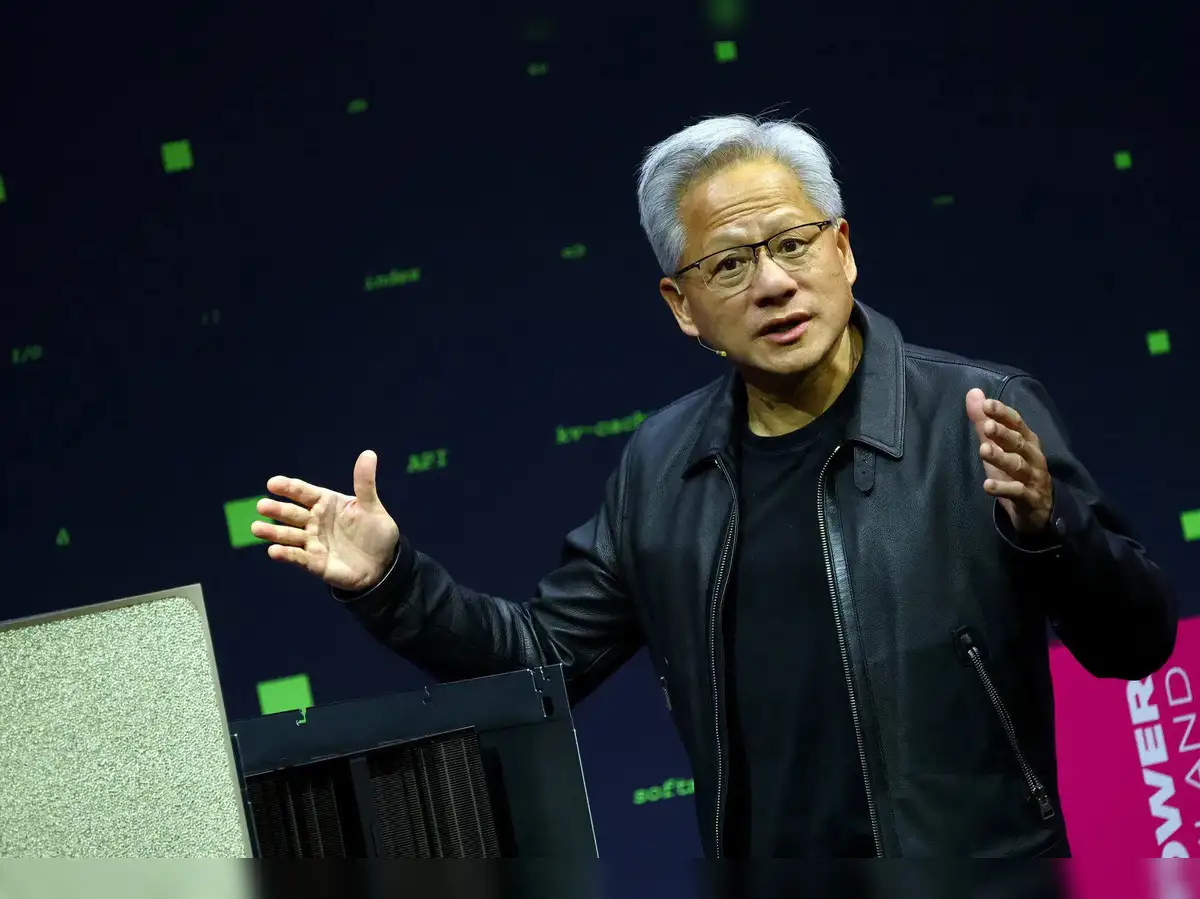
Following the written release, Nvidia’s executive leadership—typically CEO Jensen Huang and CFO Colette Kress—conducts a live conference call. This usually begins at 5:00 PM ET. This call is arguably more significant than the initial press release, as it provides the qualitative context behind the quantitative figures. Investors listen for nuance regarding supply chain constraints, the ramp-up of new product architectures like Blackwell, and the specific spending patterns of “Hyperscalers” (major cloud providers like Microsoft, Google, and Amazon).
Fiscal vs. Calendar Year
Investors should note that Nvidia operates on a fiscal year that ends in late January. For example, the earnings reported in May typically represent the “First Quarter of Fiscal Year 2025.” This discrepancy between the calendar year and the fiscal year is a common point of confusion for novice investors but is a standard practice in corporate finance to align reporting cycles with internal business operations.
Why NVDA Earnings Serve as a Macro Indicator for the Modern Market
The significance of Nvidia’s reporting time extends far beyond the company’s own stock price. In the current financial landscape, Nvidia functions as a proxy for global enterprise spending and technological progress.
The AI Narrative and Market Sentiment
Since the release of ChatGPT and the subsequent explosion in generative AI, Nvidia has become the “arms dealer” of the industry. Because their H100 and H200 GPUs are the essential infrastructure for training large language models, their earnings reports provide a direct look into the capital expenditure (CapEx) of the world’s largest companies. If Nvidia reports a “beat and raise”—exceeding analyst expectations and raising future guidance—it signals that the AI boom is still in its early-to-mid innings, often lifting the entire S&P 500 and Nasdaq-100 indices.
Institutional Weighting and Index Impact
Nvidia is now one of the most heavily weighted stocks in major indices. Consequently, the moment the earnings hit the tape, the “ripple effect” is instantaneous. Institutional investors, pension funds, and algorithmic trading platforms are all synchronized to Nvidia’s reporting time. A significant move in NVDA can trigger buy or sell signals across various sectors, particularly in semiconductors, cloud computing, and software-as-a-service (SaaS).
Global Supply Chain Echoes
The reporting time is also a critical moment for international markets. Analysts in Asia and Europe monitor Nvidia’s results to gauge the health of the broader semiconductor supply chain. Companies like TSMC (Taiwan Semiconductor Manufacturing Company), ASML, and various packaging and testing firms often see their stock prices move in sympathy with Nvidia’s results. For a global investor, the 4:20 PM ET release time represents the start of a 24-hour cycle of global price discovery.
Key Financial Metrics to Analyze Beyond the Reporting Time
While the “headline” numbers—Revenue and EPS—get the most media attention, sophisticated investors look deeper into the balance sheet and income statement to assess the sustainability of Nvidia’s growth.
Data Center Revenue Growth
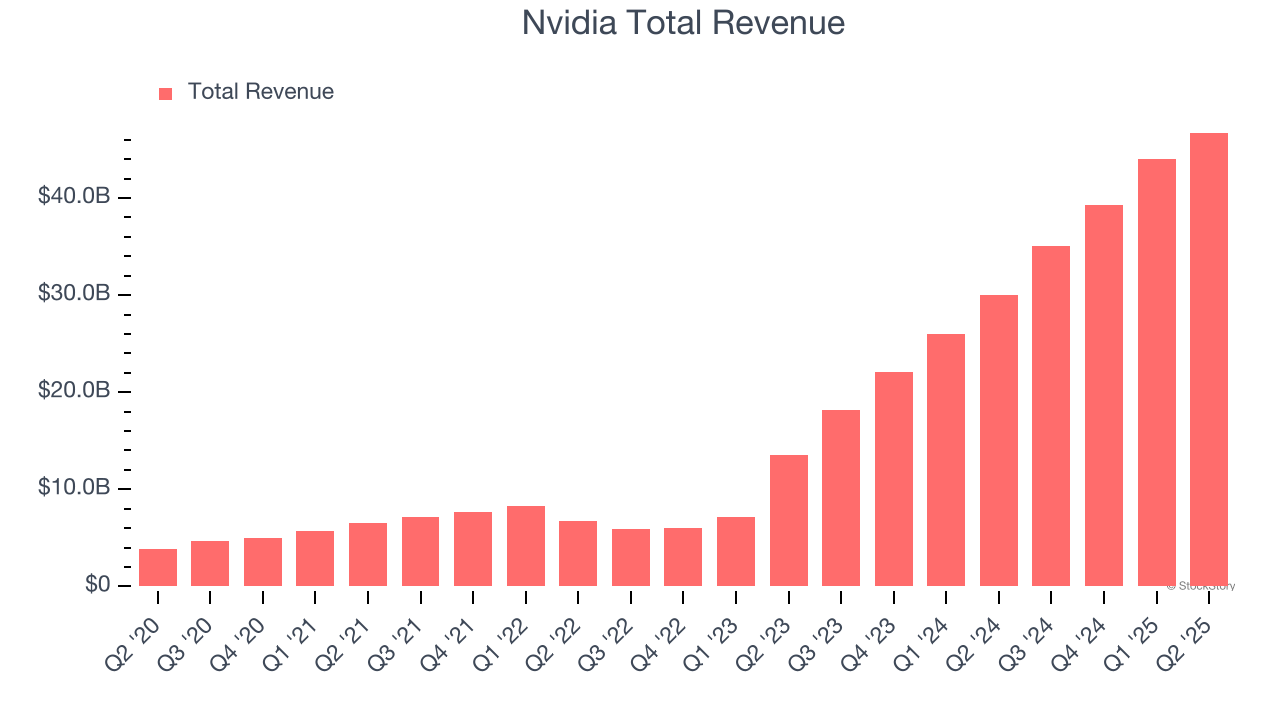
The Data Center segment is the crown jewel of Nvidia’s current financial structure. This metric tracks the sales of chips used in AI applications and cloud infrastructure. Investors look for the “sequential growth” (growth compared to the previous quarter) rather than just the “year-over-year growth.” In a hyper-growth environment, any slowdown in sequential growth can be interpreted as a sign of market saturation or supply chain bottlenecks.
Gross Margins and Pricing Power
One of the most impressive aspects of Nvidia’s recent financial performance has been its skyrocketing gross margins, often exceeding 70%. In the world of hardware, these are unheard-of figures, more akin to high-margin software companies. Maintaining these margins is a sign of immense pricing power and a lack of viable competition. If margins begin to compress, it may suggest that competitors like AMD are gaining traction or that production costs are rising faster than selling prices.
Forward Guidance: The Market’s North Star
In the world of investing, the past is already priced in. The “Forward Guidance” is what drives the stock after the reporting time. Nvidia provides a forecast for the upcoming quarter’s revenue and margins. Because the stock trades at a premium valuation (a high Price-to-Earnings or P/E ratio), it must consistently project future growth that justifies its current market cap. A “beat” on the current quarter followed by “soft” guidance for the next quarter often leads to a sell-off, regardless of how well the company performed in the past three months.
Risk Management Strategies for Earnings Volatility
Trading around an earnings report is inherently speculative, but investors can use specific financial tools and strategies to manage the volatility that occurs the moment Nvidia reports.
Analyzing the Implied Move
The options market provides a “predicted” range of movement for Nvidia stock. By looking at the “At-the-Money” straddle (buying both a call and a put at the current price), traders can calculate the “implied move.” If the options market implies a 10% move and Nvidia only moves 5% after the report, the “volatility crush” can lead to losses for option holders even if they predicted the direction correctly. For the conservative investor, understanding the implied move helps in setting realistic stop-loss orders or entry points.
Hedging with Protective Puts
Long-term holders of NVDA who are concerned about a temporary pullback after earnings may choose to buy “protective puts.” This acts as an insurance policy. If the stock drops significantly following the 4:20 PM ET release, the gain in the put option offsets some of the losses in the equity position. This allows the investor to stay positioned for long-term growth while mitigating the short-term “earnings gap” risk.
Avoiding the “Gambler’s Fallacy”
A common mistake in personal finance is over-leveraging into an earnings event. Because Nvidia’s reporting time is so widely anticipated, the “easy money” is rarely made on the day of the announcement. Often, the best strategy is to wait for the “post-earnings drift”—a phenomenon where a stock continues to move in the direction of a positive earnings surprise for several weeks following the announcement. This allows investors to enter a position based on verified data rather than speculation.
The Long-Term Financial Outlook: Post-Report Analysis
Once the reporting time has passed and the dust has settled, the focus shifts to the long-term investment thesis. Is Nvidia still a “buy,” or has the valuation become detached from reality?
The Sustainability of CapEx
The biggest question facing Nvidia investors is whether their customers—Microsoft, Meta, and Alphabet—can generate a return on their massive AI investments. If these “Hyperscalers” continue to see productivity gains and revenue growth from AI, they will continue to buy Nvidia’s chips. Investors should monitor the earnings reports of these customer companies in tandem with Nvidia to see if the “Money-In, Money-Out” cycle remains healthy.
Diversification Beyond Training
Nvidia is moving aggressively into “Inference” (running AI models) and “Omniverse” (industrial digital twins). As the market for training AI models eventually matures, these new revenue streams will be vital. Financial analysts look for mentions of “Software and Services” revenue in the earnings call, as this represents a more recurring and stable form of income compared to one-time hardware sales.
Valuation and the “Cost of Waiting”
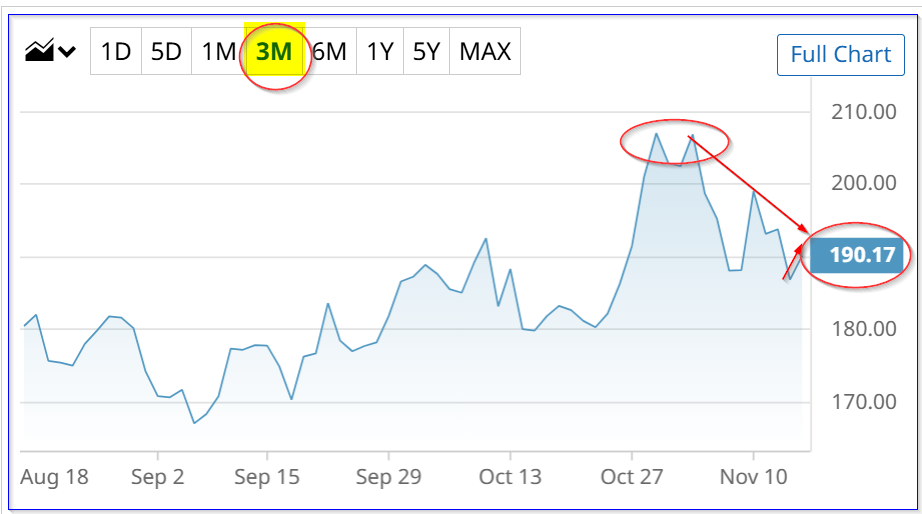
For those waiting for a “dip” to buy NVDA, earnings reports are often double-edged swords. While a report can occasionally lead to a short-term sell-off (buy the rumor, sell the news), Nvidia has historically grown into its valuation at a rapid pace. For a business finance perspective, the “PEG Ratio” (Price/Earnings to Growth) is often a better metric than the standard P/E ratio for evaluating Nvidia. If the growth rate remains high, a seemingly “expensive” stock can actually be undervalued.
In conclusion, knowing what time NVDA reports is the first step in a much larger financial exercise. It is a moment where high-frequency trading, institutional strategy, and retail sentiment collide. By focusing on the 4:00 PM to 6:00 PM ET window, understanding the depth of the data center metrics, and employing sound risk management, investors can transform a volatile market event into a structured opportunity for wealth creation. Whether the news is bullish or bearish, the Nvidia earnings report remains the most significant financial catalyst of the digital age.
aViewFromTheCave is a participant in the Amazon Services LLC Associates Program, an affiliate advertising program designed to provide a means for sites to earn advertising fees by advertising and linking to Amazon.com. Amazon, the Amazon logo, AmazonSupply, and the AmazonSupply logo are trademarks of Amazon.com, Inc. or its affiliates. As an Amazon Associate we earn affiliate commissions from qualifying purchases.