
Starting a business is often portrayed as a journey of passion and creative vision, but from a fiscal perspective, it is primarily a sequence of calculated financial decisions and risk management strategies. To transition from a concept to a viable commercial entity, an entrepreneur must move beyond the “big idea” and focus on the economic engine that will drive the venture. In the realm of business finance, the foundation of any successful startup is built upon capital allocation, cost analysis, and the implementation of robust financial systems.
Auditing Your Personal and Professional Financial Health
Before a single dollar is spent on inventory or marketing, a prospective business owner must conduct a rigorous audit of their personal financial landscape. The solvency of a new business is often inextricably linked to the financial stability of its founder, especially in the early stages where external funding may be scarce.
Assessing Your Personal Runway and Risk Tolerance
A “runway” is not just a corporate term for startups; it applies to the individual. You must determine how many months you can sustain your personal cost of living without drawing a salary from the new business. Most financial advisors suggest a minimum of six to twelve months of liquid savings. This buffer prevents the entrepreneur from making desperate, short-term business decisions—such as taking on high-interest debt or predatory equity deals—to cover personal rent or mortgage payments.
Furthermore, understanding your risk tolerance is vital. Starting a business involves the potential for total loss of invested capital. If your personal balance sheet is heavily leveraged with high-interest consumer debt, the prudent move is often to deleverage before committing significant capital to a new venture.
Determining Startup Costs and Capital Requirements
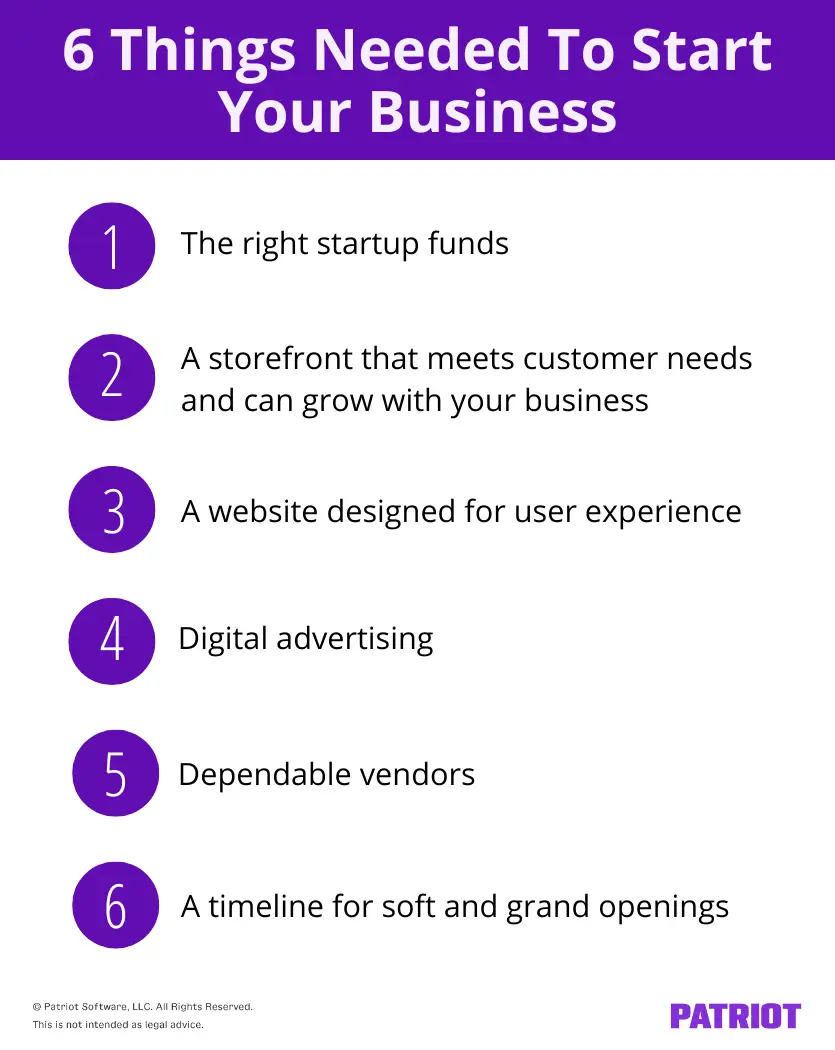
Estimating the cost of entry is a precise exercise in accounting, not a series of guesses. You must categorize your anticipated expenses into two buckets: fixed costs and variable costs. Fixed costs include one-time expenditures like legal fees for incorporation, licensing, initial equipment, and security deposits for physical space. Variable costs include inventory, raw materials, and labor.
A common mistake is underestimating “soft costs,” such as insurance premiums, software subscriptions, and tax reserves. By creating a comprehensive Pro Forma statement—a financial document that projects future income and expenses—you can identify exactly how much “seed” money is required to reach the break-even point.
Structuring the Business for Financial Efficiency
The legal and financial structure of your business dictates everything from your personal liability to your tax obligations. Choosing the right vehicle is a strategic decision that affects long-term profitability and the ability to attract future investment.
Choosing the Right Legal Entity
From a financial standpoint, the distinction between a Sole Proprietorship, an LLC, and an S-Corp or C-Corp is significant. While a Sole Proprietorship is the simplest to set up, it offers no protection for personal assets against business losses or lawsuits.
An LLC (Limited Liability Company) is often the preferred choice for side hustles and small businesses because it provides a shield for personal assets while allowing for “pass-through” taxation, where profits are reported on the owner’s individual tax return. For businesses aiming for rapid scale or venture capital, a C-Corp structure is often mandatory, as it allows for the issuance of different classes of stock and is the preferred vehicle for institutional investors, despite the potential for double taxation on dividends.
Implementing Financial Systems and Tools
In the modern economy, “doing the books” manually is a recipe for failure. To start a business correctly, you must implement a tech-stack of financial tools that automate data entry and provide real-time insights into your cash flow. Cloud-based accounting software allows you to track every penny, generate profit and loss (P&L) statements, and manage accounts payable and receivable.
Beyond accounting, you need a dedicated business bank account. Mixing personal and business finances—known as “commingling”—is one of the fastest ways to lose your limited liability protection and create a nightmare for tax preparation. Establishing a separate credit profile for the business is also essential for building the “business credit score” required for future loans and lines of credit.
Navigating Funding Sources and Capital Acquisition
Once you have a clear understanding of your costs and a legal structure in place, the next hurdle is securing the capital required to launch. There are several pathways to funding, each with distinct financial implications.
Bootstrapping vs. External Investment
Bootstrapping refers to the practice of starting a business using only personal savings and the revenue generated by the business itself. The financial advantage of bootstrapping is total control; you retain 100% equity and are not beholden to lenders or investors. However, it often limits the speed at which a business can grow.
External investment, such as angel investing or venture capital, provides a massive injection of liquidity but comes at the cost of equity. In this scenario, you are trading a piece of your future profits for the capital needed to capture market share quickly. Before seeking external funds, you must have a clear “use of proceeds” plan that demonstrates exactly how the investment will generate a return for the shareholders.
Exploring Debt Financing and Credit Lines
Debt financing involves taking out loans that must be repaid with interest. This includes SBA (Small Business Administration) loans, traditional bank loans, or equipment financing. The primary benefit of debt over equity is that you do not give up ownership of the company. However, debt introduces a fixed monthly obligation—the “debt service”—which can strain cash flow during lean months.
A strategic approach for new businesses is to establish a business line of credit early. Even if you do not need the funds immediately, having access to a revolving line of credit provides a safety net for managing timing gaps between paying suppliers and receiving payment from customers.
Mastering Cash Flow Management and Profitability
Many businesses that are “profitable” on paper still fail because they run out of cash. Understanding the nuance between profit and cash flow is critical for any new business owner.
The Importance of Cash Flow Analysis
Cash flow is the movement of money in and out of your business. A business can have thousands of dollars in booked sales (accounts receivable), but if that cash hasn’t hit the bank account yet, the business cannot pay its employees or rent.
To manage this, you must track your “burn rate”—the rate at which your company spends its capital before generating a positive cash flow. By performing regular cash flow forecasts, you can anticipate periods of liquidity shortage and adjust your spending or collection efforts accordingly.
Tax Planning and Compliance
Starting a business introduces a complex layer of tax responsibilities. Beyond federal income tax, you may be liable for self-employment tax, state taxes, payroll taxes, and sales tax. A common financial pitfall for new entrepreneurs is failing to set aside a percentage of every dollar earned for tax season.
Working with a tax professional to establish an estimated tax payment schedule is essential. Furthermore, you should identify all deductible business expenses—from home office deductions to travel and equipment depreciation—to minimize your taxable income and maximize the capital you can reinvest into the business.
Scaling Through Strategic Reinvestment
The final stage of starting a business is moving from survival to growth. This requires a disciplined approach to how profits are utilized.
Profit Allocation Strategies
Once the business becomes cash-flow positive, you must decide how to allocate the surplus. Some owners choose to take a higher draw (salary), while others prefer to reinvest 100% of profits back into the company to fund expansion, hire additional staff, or upgrade technology.
A balanced approach often involves maintaining a “retained earnings” account. This is a reserve of profit held within the company to fund future projects or to serve as an internal insurance fund against economic downturns.

Mitigating Financial Risk
As the business grows, its risk profile changes. Protecting the financial integrity of the company requires various forms of insurance—such as general liability, professional indemnity, or business interruption insurance. Additionally, diversifying your revenue streams ensures that the failure of one product line or the loss of one major client does not result in the insolvency of the entire enterprise.
Starting a business is ultimately an exercise in financial engineering. By auditing your personal finances, choosing an efficient legal structure, securing the right type of capital, and maintaining a laser focus on cash flow, you transform a conceptual idea into a robust, profit-generating asset. The path to entrepreneurship is paved with numbers; those who master the math are the ones who ultimately build a lasting legacy.
aViewFromTheCave is a participant in the Amazon Services LLC Associates Program, an affiliate advertising program designed to provide a means for sites to earn advertising fees by advertising and linking to Amazon.com. Amazon, the Amazon logo, AmazonSupply, and the AmazonSupply logo are trademarks of Amazon.com, Inc. or its affiliates. As an Amazon Associate we earn affiliate commissions from qualifying purchases.