
The global financial landscape is currently navigating a complex intersection of cooling inflation, shifting monetary policy, and a technological revolution that has fundamentally altered market dynamics. To understand where the stock market is at right now, one must look beyond the daily fluctuations of the major indices and examine the structural forces driving the current bull cycle. We are in a period characterized by high valuation premiums in specific sectors, a resilient labor market, and a cautious transition from a high-interest-rate environment toward a more normalized fiscal setting.
As of today, the market reflects a delicate balance between optimism regarding future growth—specifically driven by advancements in artificial intelligence—and the sobering reality of “higher for longer” interest rates that have only recently begun to soften. Investors are no longer operating in the era of “easy money” that defined the previous decade. Instead, the current market is one of discernment, where earnings quality, balance sheet strength, and strategic positioning are the primary drivers of alpha.
The Macro Landscape: Deciphering the Federal Reserve’s Next Move
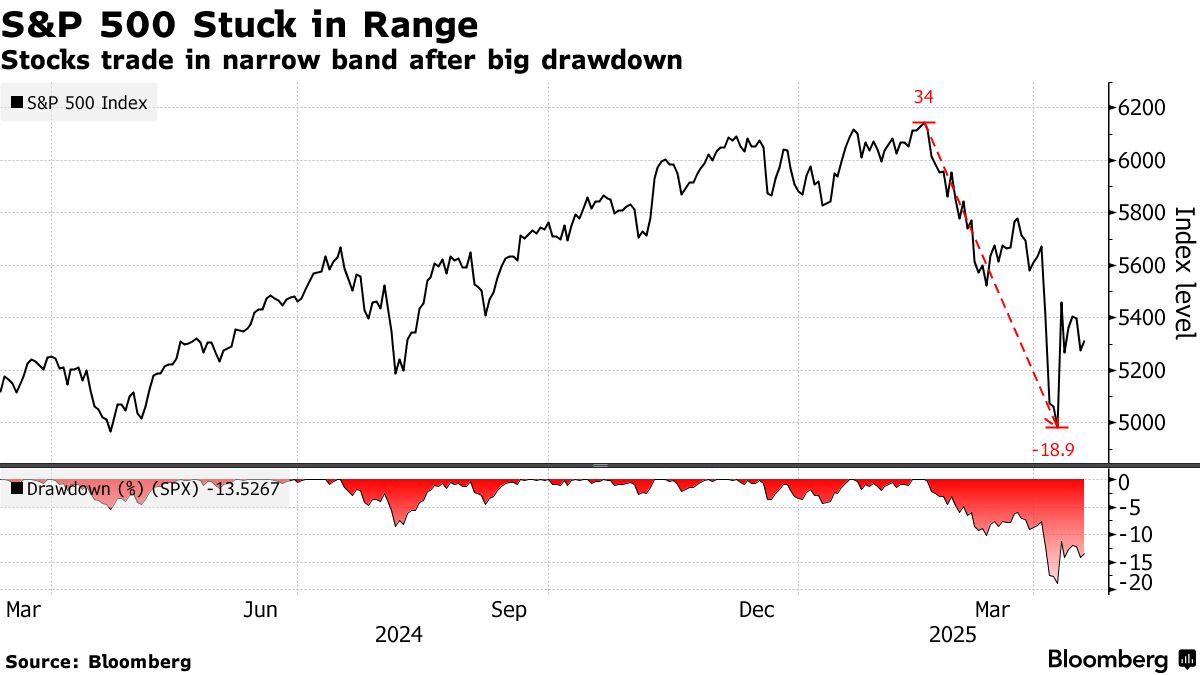
The most significant gravitational force on the stock market remains the Federal Reserve and its management of the federal funds rate. For the past two years, the narrative has been dominated by the fight against inflation. We are currently in a phase where the “tightening” cycle has plateaued, and the market is hyper-focused on the timing and magnitude of rate cuts.
Inflation and the Consumer Price Index (CPI)
The stock market’s current position is largely a reaction to the slowing pace of inflation. When the Consumer Price Index surged to 40-year highs, equity markets corrected sharply as the cost of capital rose. Right now, inflation is trending toward the Fed’s 2% target, though the “last mile” of this journey has proven to be sticky. This stickiness is why we see intermittent volatility; every time a monthly jobs report or a CPI print comes in slightly higher than expected, the market recalibrates its expectations for interest rate relief.
The Interest Rate Cycle and Market Valuation
Interest rates act as a discount rate for future cash flows. When rates are high, the present value of those future earnings—particularly for high-growth tech companies—decreases. The market is currently in a state of “valuation suspension.” Investors are willing to pay a premium for stocks today because they anticipate that the cost of borrowing will decline over the next 12 to 18 months. However, this creates a vulnerability: if the Fed maintains high rates longer than the market expects, we could see a significant re-rating of equity prices to the downside.
Market Concentration and the Tech Sector Influence
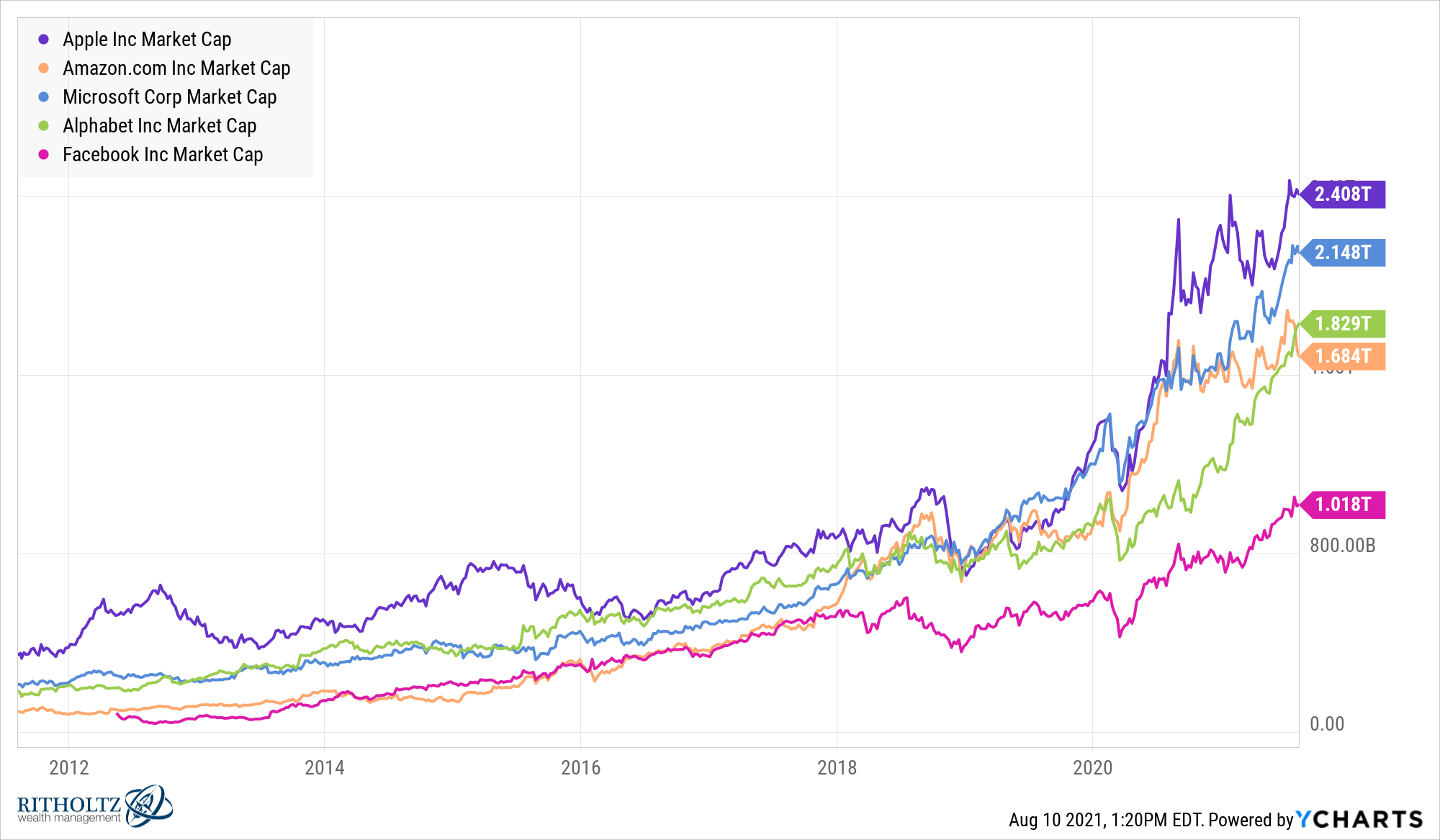
One cannot discuss where the market is today without addressing the unprecedented level of concentration in the S&P 500 and the Nasdaq. A handful of mega-cap technology companies, often referred to as the “Magnificent Seven,” have been responsible for a disproportionate share of the market’s total returns over the last year.
The Artificial Intelligence Premium
The stock market is currently undergoing a “Capex Supercycle” centered on Artificial Intelligence (AI). We are at a stage where the market is rewarding the “arms dealers” of AI—the semiconductor manufacturers and cloud infrastructure providers. Valuations in this space are high, reflecting an expectation of exponential productivity gains. Right now, the market is attempting to determine which companies will successfully monetize AI and which are merely riding the wave of hype. This has led to a bifurcated market where tech-heavy indices reach all-time highs while the average stock in the S&P 500 (the equal-weighted index) often lags behind.
Beyond the Magnificent Seven: The Search for Breadth
A healthy bull market typically requires “breadth,” meaning a wide range of stocks and sectors are participating in the rally. Recently, we have seen signs of the market broadening out. As recession fears subside and a “soft landing” becomes the consensus view, sectors such as industrials, financials, and even small-cap stocks have begun to show signs of life. For the market to sustain its current levels, this rotation is essential. If the rally remains confined to just five or six stocks, the risk of a sharp correction increases if any of those leaders fail to meet lofty earnings expectations.
Economic Indicators: Signs of Resilience or Recession?
The stock market is a forward-looking mechanism, and right now, it is pricing in a resilient economy. Despite the most aggressive rate-hiking cycle in decades, the U.S. economy has remained surprisingly robust, which has kept the market from entering a prolonged bear phase.
Labor Market Strength and Consumer Spending
Consumer spending accounts for approximately two-thirds of the U.S. GDP. As long as the labor market remains tight and unemployment stays near historical lows, consumers continue to spend. The stock market is currently leaning on this consumer resilience. However, there are emerging cracks. Credit card delinquencies are rising, and personal savings rates have dipped below pre-pandemic levels. The market is currently watching these indicators closely to see if the consumer will finally buckle under the weight of sustained high interest rates.
Corporate Earnings Growth
Earnings are the ultimate bottom line for the stock market. We are currently in an environment where corporate margins have remained impressively high. Companies have successfully passed on increased costs to consumers, and many have utilized AI and automation to streamline operations. The current market “floor” is supported by the fact that earnings growth expectations for the coming year remain positive. As long as corporations can continue to grow their bottom lines, the market can justify its current multiples.
Valuation Metrics and Historical Context
To understand the market’s current position, we must look at where it stands relative to history. By most traditional metrics, the U.S. stock market is currently “expensive.”
Price-to-Earnings (P/E) Ratios
The forward P/E ratio for the S&P 500 is currently trading above its 5-year and 10-year averages. While this suggests the market is overvalued, it is important to note that valuations can remain high for extended periods, especially when interest rates are expected to fall. The market is essentially betting that future earnings will grow into these valuations. This creates a “perfection” requirement: the market is priced for a perfect outcome where inflation hits 2%, the Fed cuts rates, and corporate earnings grow by double digits. Any deviation from this path could trigger a “valuation reset.”
The Equity Risk Premium
Investors also look at the Equity Risk Premium (ERP)—the excess return that investing in the stock market provides over a “risk-free” rate (like a 10-year Treasury bond). Right now, the ERP is at one of its thinnest levels in decades. This means that investors are not being paid very much extra to take on the risk of stocks compared to the guaranteed return of bonds. This is a signal that the market may be reaching a state of “irrational exuberance,” or at the very least, that the risk-reward profile for new capital is less attractive than it was two years ago.
Strategic Positioning in the Current Market
Given where the stock market is at right now, the approach for the individual investor has shifted from “growth at any cost” to a more nuanced “quality growth” strategy.
The Role of Fixed Income and Cash
With yields on money market funds and short-term Treasuries still hovering around 5%, cash has become a viable asset class for the first time in a generation. This has created a “competitor” for the stock market. Right now, many institutional investors are keeping “dry powder” on the sidelines, waiting for a dip to re-enter the equity markets. This sidelined cash often acts as a cushion for the market, preventing deep sell-offs as buyers step in at lower levels.
Diversification and Risk Management
In a concentrated market, diversification becomes more difficult but more necessary. Passive investors in S&P 500 index funds are currently heavily exposed to the technology sector. Right now, sophisticated investors are looking at “defensive” sectors—such as healthcare and consumer staples—which offer lower volatility and reliable dividends. Additionally, international markets, particularly in Europe and emerging economies, are trading at much lower valuations than the U.S., leading some to rebalance their portfolios away from domestic concentration.
Looking Ahead: Risk Factors and Growth Catalysts
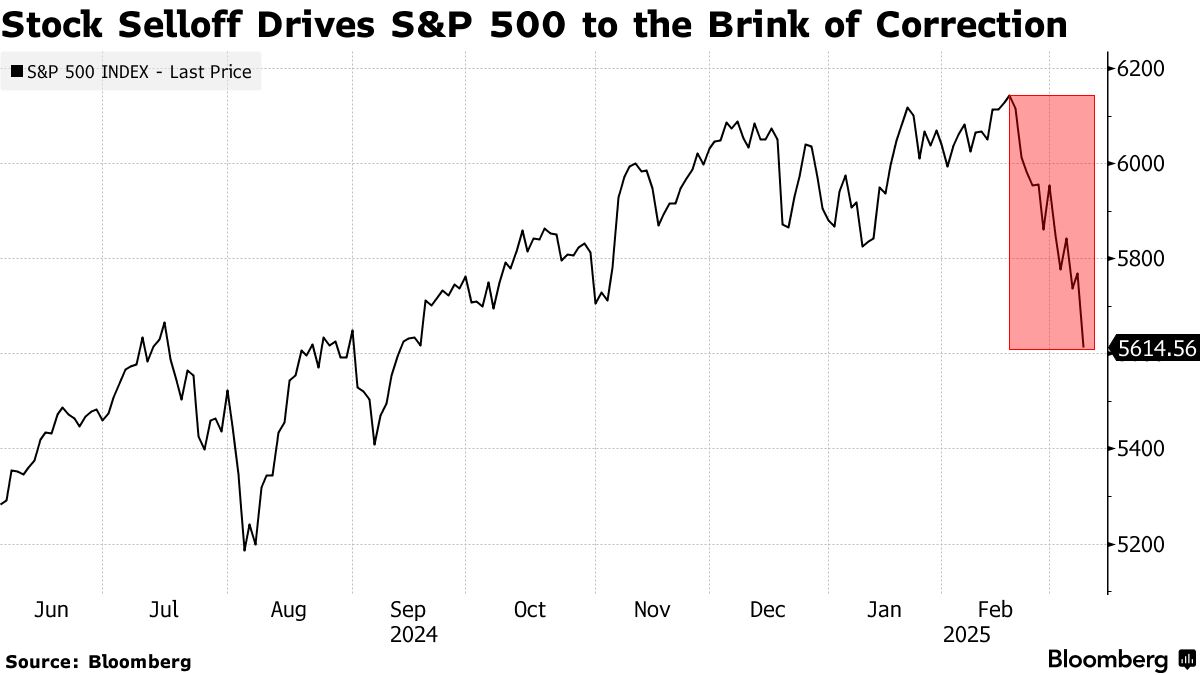
The current state of the stock market is one of cautious optimism, but several “wildcards” could shift the trajectory in the coming months.
Geopolitical instability remains a primary risk. Conflicts in the Middle East and Eastern Europe have the potential to disrupt global supply chains and spike energy prices, which would reignite inflation and force the Fed to keep rates high. Furthermore, we are in an election year in the United States. Historically, election years bring increased volatility as the market attempts to price in potential changes to tax policy, regulation, and trade agreements.
On the bullish side, the continued integration of AI into the broader economy could lead to a productivity boom that justifies even higher valuations. If we see a “soft landing” fully realized—where inflation is tamed without a significant increase in unemployment—the stock market could be at the beginning of a multi-year secular bull market.
In summary, the stock market right now is at a pivotal crossroads. It is buoyed by technological innovation and economic resilience, yet it is tethered by high valuations and the lingering effects of a restrictive monetary policy. For the disciplined investor, this is a time for balance: staying invested to capture the upside of the AI revolution, while maintaining enough liquidity and diversification to weather the inevitable volatility that comes with a transition in the global economic cycle. Understanding that the market is currently “priced for perfection” allows one to navigate the current environment with both the confidence to participate and the caution to protect capital.
aViewFromTheCave is a participant in the Amazon Services LLC Associates Program, an affiliate advertising program designed to provide a means for sites to earn advertising fees by advertising and linking to Amazon.com. Amazon, the Amazon logo, AmazonSupply, and the AmazonSupply logo are trademarks of Amazon.com, Inc. or its affiliates. As an Amazon Associate we earn affiliate commissions from qualifying purchases.