
To the uninitiated, the stock market is often visualized as a chaotic floor of the New York Stock Exchange, filled with traders in colorful vests shouting orders and waving slips of paper. However, that image is largely a relic of the past. Today’s stock market is a sophisticated, global, and lightning-fast digital ecosystem that operates 24/7 across time zones. It is a complex network of computers, algorithms, and human psychology that serves as the primary engine for wealth creation and capital allocation in the modern world.
Understanding what the stock market is today requires looking beyond the ticker symbols. It is a reflection of global economic health, a barometer for technological innovation, and a platform where individual retail investors now stand on more equal footing with institutional giants than ever before. To navigate it successfully, one must understand its mechanics, the forces that drive it, and the strategies required to manage risk in an era of unprecedented volatility.
The Digital Transformation of Market Mechanics
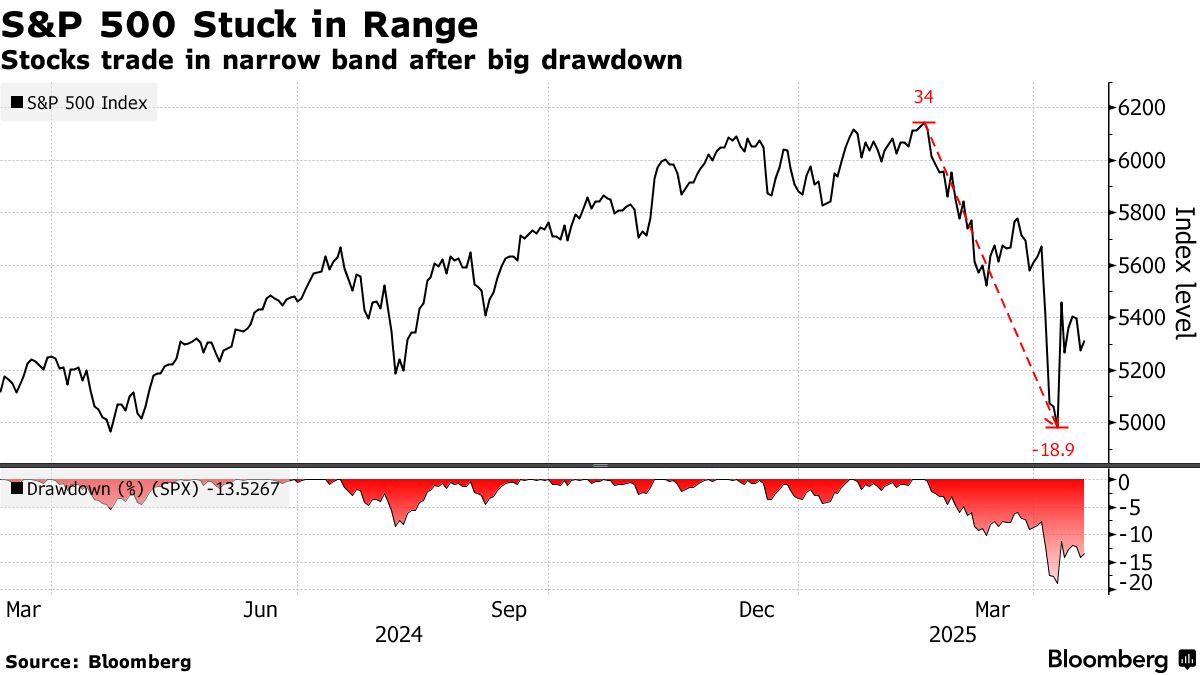
The most significant shift in the modern stock market is its total transition to digital infrastructure. While physical exchanges still exist, the vast majority of trading occurs in data centers located in New Jersey, London, Tokyo, and Singapore. This shift has fundamentally changed how prices are discovered and how trades are executed.
High-Frequency Trading and Algorithmic Dominance
Today, more than 60% of all trading volume in the United States is driven by algorithms and high-frequency trading (HFT) systems. These are complex software programs designed to execute thousands of trades per second based on mathematical models. HFT firms profit from minute price discrepancies and provide liquidity to the market, ensuring that there is almost always a buyer for every seller. However, this automation also means that the market can move with terrifying speed, leading to “flash crashes” or rapid rallies that can baffle traditional investors.
The Rise of the Retail Investor
In the last decade, the barriers to entry for the stock market have crumbled. The advent of commission-free trading, fractional shares, and intuitive mobile applications has democratized access to the world’s most powerful financial markets. Today’s stock market is no longer the exclusive playground of Wall Street “suits.” Millions of individual investors can now buy a $5 slice of an expensive tech giant with a swipe on their smartphone. This influx of retail capital has introduced a new layer of sentiment-driven volatility, as social media platforms now influence market movements as much as traditional earnings reports.
Dark Pools and Electronic Communication Networks (ECNs)
Beyond the public exchanges like the NYSE or Nasdaq, a significant portion of today’s trading happens in “dark pools.” These are private exchanges where institutional investors—such as pension funds and insurance companies—can trade large blocks of shares without revealing their intentions to the public market until after the trade is executed. This prevents massive orders from causing sudden, drastic price swings. Understanding that a large portion of market activity happens “under the hood” is essential for a realistic view of modern price discovery.
The Macroeconomic Engines Driving Today’s Prices
While the mechanics are digital, the fuel for today’s stock market remains deeply rooted in macroeconomics. The market does not operate in a vacuum; it is constantly reacting to data points that signal the health of the broader economy.
Federal Reserve Policy and Interest Rates
Perhaps no single entity has a greater influence on today’s stock market than the Federal Reserve (the Fed). In the modern era, the “Fed pivot” or a change in the federal funds rate can send shockwaves through every asset class. Lower interest rates generally lead to higher stock prices because borrowing becomes cheaper for companies to expand, and the “discount rate” used to value future earnings decreases. Conversely, when the Fed raises rates to combat inflation, growth stocks—particularly in the tech sector—often see their valuations compressed as investors seek safer returns in the bond market.
Inflation and the Consumer Price Index (CPI)
In the current economic climate, inflation has moved from a background concern to a primary driver of market volatility. Investors scan monthly Consumer Price Index (CPI) reports with microscopic precision. High inflation erodes corporate profit margins and reduces consumer purchasing power, leading to fears of an economic slowdown. Today’s stock market is hyper-sensitive to these metrics, often pricing in several months of projected economic data in a single afternoon.
The “Magnificent Seven” and Concentration Risk
A unique characteristic of today’s market is the extreme concentration of value in a handful of massive technology companies. Known as the “Magnificent Seven” (including giants like Apple, Microsoft, Nvidia, and Alphabet), these firms represent a disproportionate share of the S&P 500’s total market capitalization. Because the most popular indices are “market-cap weighted,” the performance of these seven stocks can mask broader weakness in the other 493 companies. For the modern investor, “the market” often refers more to the health of the technology sector than to the traditional industrial or energy sectors.
Diversification and Modern Investment Vehicles
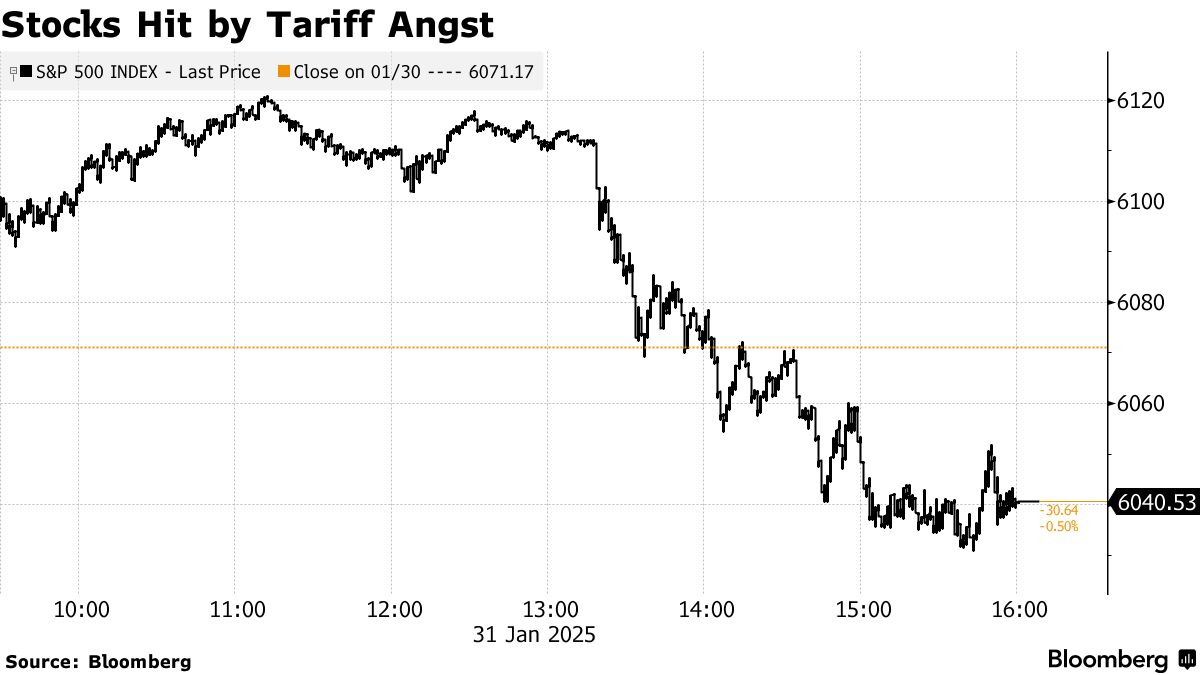
As the market has evolved, so too have the tools used to participate in it. Investors today have access to a dizzying array of products designed to hedge risk or amplify gains.
The Dominance of ETFs and Passive Investing
Exchange-Traded Funds (ETFs) have revolutionized the way people invest. An ETF allows an investor to buy a basket of hundreds of stocks in a single transaction, providing instant diversification. The shift from active management (where a human fund manager picks individual stocks) to passive investing (where funds simply track an index like the S&P 500) is one of the most significant trends of the 21st century. Today’s market is largely driven by these massive passive inflows, which can create a “rising tide” effect for all companies within an index, regardless of their individual fundamentals.
The Integration of Alternative Assets
Today’s stock market is increasingly intertwined with other asset classes. Real Estate Investment Trusts (REITs), commodity-linked ETFs, and even digital asset proxies are now accessible through standard brokerage accounts. This integration allows for more sophisticated “all-weather” portfolios that can withstand various economic cycles. The modern definition of a “stock portfolio” frequently includes exposure to international markets, emerging technologies, and green energy initiatives, reflecting a globalized economy.
Options and Derivatives for the Masses
Once reserved for professional hedge funds, the derivatives market—specifically options—has seen an explosion in retail participation. Today’s market volume is heavily influenced by “zero days to expiration” (0DTE) options. These are high-risk, high-reward contracts that expire within 24 hours. While they offer the potential for massive leverage, they also contribute to the “gamma” of the market, forcing market makers to buy or sell underlying stocks rapidly, which can lead to intense intraday volatility.
Navigating Volatility and Risk Management
In an era of instant information and high-speed trading, the psychological pressure on investors has never been higher. Today’s stock market rewards those who can distinguish between “signal” (meaningful data) and “noise” (temporary market chatter).
The Role of Sentiment and “Meme Stocks”
We now live in a market where social media sentiment can temporarily override traditional valuation metrics. The rise of “meme stocks” demonstrated that a coordinated group of retail investors could trigger a “short squeeze,” sending the price of a struggling company to astronomical heights. While these events are outliers, they highlight a new reality: the modern market is as much a social phenomenon as it is a financial one. Managing risk today involves monitoring not just balance sheets, but also the prevailing “narrative” around a stock.
Long-Term Growth vs. Short-Term Speculation
The fundamental challenge of today’s market is the tension between the long-term compounding of wealth and the allure of short-term gains. With 24-hour news cycles and push notifications, it is easy to fall into the trap of over-trading. Professional wealth management in the modern age emphasizes the importance of a disciplined “buy and hold” strategy for the core of a portfolio, while perhaps allocating a small percentage to more speculative “satellite” positions. The volatility that defines today’s market is a double-edged sword; it creates entry points for the patient investor while punishing the impulsive one.
Technological Tools for the Modern Investor
The same technology that drives high-frequency trading is also available to the individual. Modern investors use screeners to filter stocks by Price-to-Earnings (P/E) ratios, debt-to-equity, and revenue growth. They utilize automated “stop-loss” orders to protect their capital from sudden downturns. In today’s market, the most successful participants are those who use these digital tools to remove emotion from their decision-making process.
The Future of Global Finance
The stock market of today is a precursor to an even more integrated and automated future. As we look ahead, several emerging trends are set to redefine the landscape once again.
Artificial Intelligence in Asset Management
AI is not just a sector to invest in; it is becoming the primary tool for investment. Generative AI and machine learning are being used to analyze vast amounts of “alternative data”—such as satellite imagery of retail parking lots or sentiment analysis of millions of social media posts—to predict market moves before they happen. This “information edge” is the new frontier of the modern market.
Globalization and 24/7 Trading
There is a growing movement toward 24/7 stock trading, mimicking the cryptocurrency markets. As global economies become more interconnected, the idea of the market “closing” at 4:00 PM EST feels increasingly archaic. Today’s stock market is already moving toward a reality where news in one part of the world can be traded on instantly, regardless of the time or day.
Sustainability and ESG Metrics
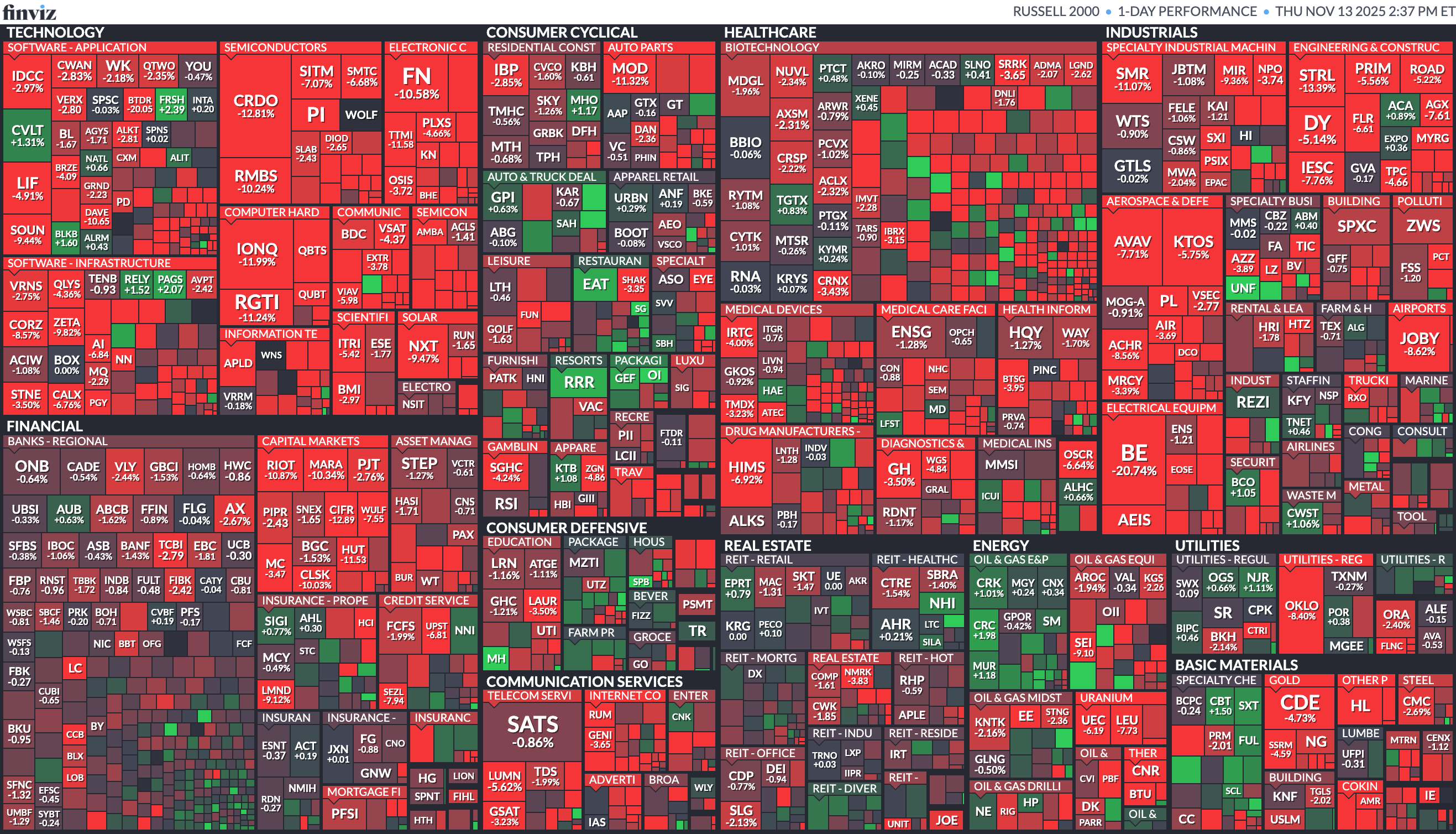
Environmental, Social, and Governance (ESG) criteria have become a permanent fixture in the modern market. Institutional investors are increasingly funneling capital toward companies that demonstrate sustainability and ethical leadership. For the modern corporation, the stock price is no longer just a reflection of profit, but also a reflection of its impact on the world.
In summary, today’s stock market is a high-speed, digital, and democratized arena that serves as the world’s most powerful tool for capital allocation. It is driven by a mix of sophisticated algorithms and human emotion, governed by central bank policies, and accessible to anyone with a smartphone. To participate is to engage with the very pulse of global progress, requiring a blend of technological literacy, economic insight, and emotional discipline. Regardless of daily fluctuations, the stock market remains the primary vehicle for those seeking to participate in the growth of the global economy and build a secure financial future.
aViewFromTheCave is a participant in the Amazon Services LLC Associates Program, an affiliate advertising program designed to provide a means for sites to earn advertising fees by advertising and linking to Amazon.com. Amazon, the Amazon logo, AmazonSupply, and the AmazonSupply logo are trademarks of Amazon.com, Inc. or its affiliates. As an Amazon Associate we earn affiliate commissions from qualifying purchases.