
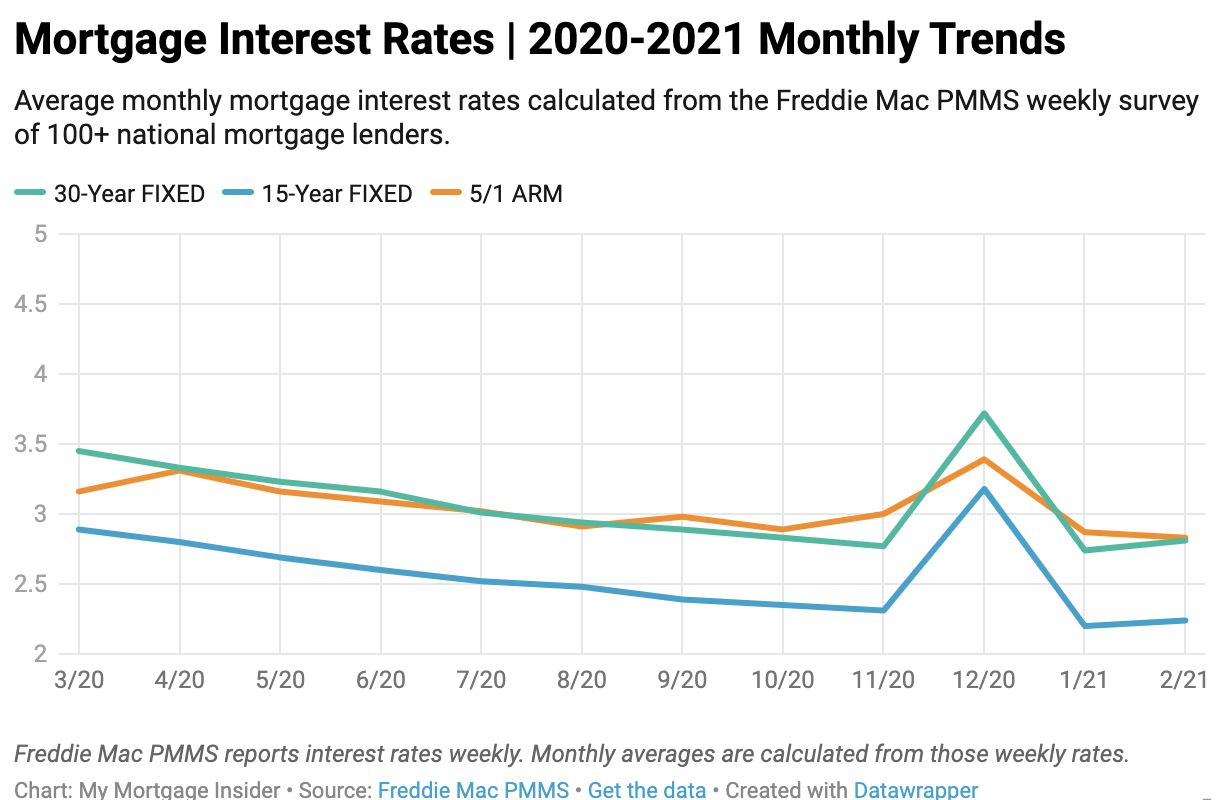
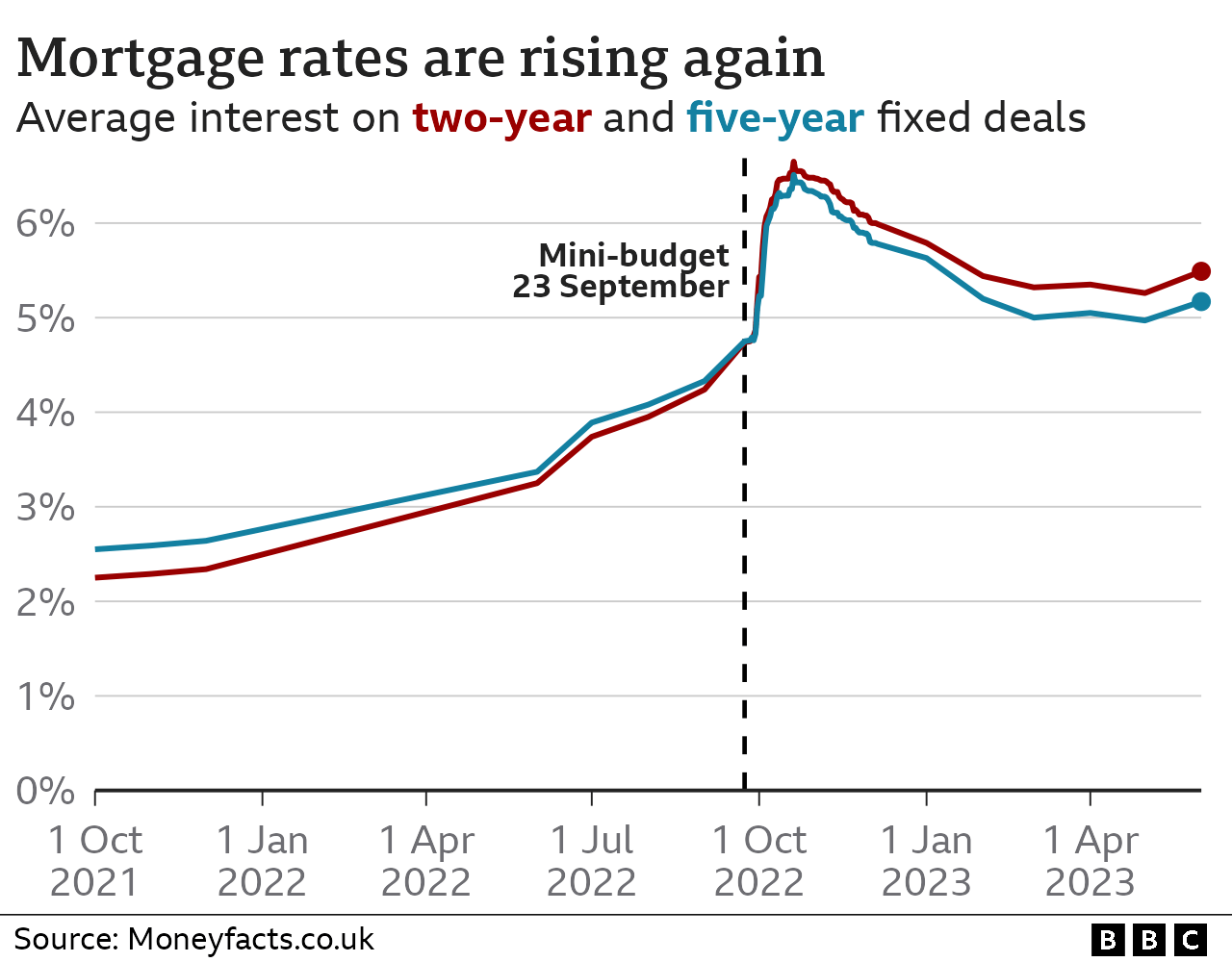
Navigating the landscape of mortgage interest rates is often the most critical step in the home-buying process. For many, the “current” rate is a moving target, shifting daily based on a complex interplay of global economic signals, central bank policies, and individual financial profiles. As of the current economic cycle, mortgage rates have moved away from the historic lows of the early 2020s, settling into a range that reflects a more aggressive inflationary environment and a tightening of monetary policy.
To understand what the current rate is, one must look beyond a single percentage. Interest rates are not just a cost of borrowing; they are a barometer for the health of the economy, the stability of the housing market, and the purchasing power of the average consumer. Whether you are a first-time homebuyer, a seasoned real estate investor, or a homeowner looking to refinance, understanding the mechanics behind these rates is essential for making an informed financial decision.
Understanding the Factors Influencing Mortgage Rates
Mortgage rates do not exist in a vacuum. While lenders set the final price you see on a loan estimate, that price is dictated by broad macroeconomic forces. Understanding these factors helps borrowers predict whether rates might rise or fall in the coming months.
The Role of the Federal Reserve and the Federal Funds Rate
While the Federal Reserve does not directly set mortgage rates, its influence is profound. The “Fed” manages the federal funds rate—the interest rate at which commercial banks borrow and lend to each other overnight. When the Fed raises this rate to combat inflation, the cost of borrowing increases across the board. This trickle-down effect eventually reaches the mortgage market. However, it is important to note that mortgage rates often move in anticipation of Fed actions. If the market expects a rate hike, mortgage rates may climb weeks before the official announcement.
Inflation and Its Relationship with Bond Yields
Inflation is the primary enemy of long-term fixed-income investments like mortgages. Because a mortgage is a loan paid back over 15 to 30 years, the purchasing power of those future payments decreases as inflation rises. To compensate for this risk, investors demand higher yields. Mortgage rates are most closely tied to the 10-year Treasury note yield. When investors see inflation rising, they sell off bonds, causing yields (and mortgage rates) to spike. Conversely, when inflation cools, bond yields typically stabilize or drop, leading to more favorable mortgage pricing.
Economic Indicators and Employment Data
Lenders also keep a close eye on the health of the labor market and Gross Domestic Product (GDP) growth. A “hot” economy with high employment and rising wages can lead to higher interest rates because it signals potential inflationary pressure. On the other hand, signs of economic cooling or a looming recession often lead to a “flight to safety” in the bond market, which can drive mortgage rates downward as investors seek the relative security of government and mortgage-backed securities.
Comparing Different Mortgage Products
The “current rate” varies significantly depending on the type of loan product you choose. Not all mortgages are created equal, and the structure of your loan can drastically alter your monthly payment and the total interest paid over the life of the loan.
30-Year Fixed-Rate Mortgages vs. 15-Year Fixed-Rate Mortgages
The 30-year fixed-rate mortgage remains the gold standard for American homebuyers, offering the stability of a consistent payment for three decades. Because the lender is taking on interest rate risk for a longer period, 30-year rates are higher than shorter-term options.
The 15-year fixed-rate mortgage, by contrast, typically offers a significantly lower interest rate—often 0.50% to 1.00% lower than its 30-year counterpart. While the monthly payments are higher due to the aggressive amortization schedule, the total interest savings over the life of the loan can be hundreds of thousands of dollars. For those with the cash flow to support higher payments, the 15-year mortgage is an unparalleled wealth-building tool.
Adjustable-Rate Mortgages (ARMs)
In a high-rate environment, Adjustable-Rate Mortgages (ARMs) often gain popularity. These loans typically offer a lower “teaser” rate for an initial period—usually 5, 7, or 10 years. After this period, the rate adjusts annually based on a specific index (such as the SOFR).
ARMs can be a strategic choice for borrowers who plan to sell the home or refinance before the initial fixed period ends. However, they carry the inherent risk of future rate hikes, making them a more speculative choice than fixed-rate products. In the current market, the gap between ARM rates and 30-year fixed rates has narrowed, leading many experts to suggest that the security of a fixed rate may outweigh the marginal savings of an ARM.
Government-Backed Loans (FHA, VA, USDA)
Interest rates for FHA (Federal Housing Administration), VA (Veterans Affairs), and USDA loans are often lower than conventional rates. This is because these loans are insured or guaranteed by the federal government, reducing the risk for the lender.
-
FHA Loans: Designed for borrowers with lower credit scores or smaller down payments. While the interest rate may be lower, borrowers must pay Mortgage Insurance Premiums (MIP), which can increase the overall cost.
-
VA Loans: Reserved for veterans and active-duty service members. These often carry the lowest rates in the market and do not require a down payment or private mortgage insurance.
-
USDA Loans: Targeted at rural homebuyers. These offer competitive rates and zero down payment options for those who meet specific income and geographic requirements.
How Personal Financial Health Affects Your Individual Rate
While market averages provide a baseline, your personal financial profile is the final determinant of the rate a lender will offer you. Two borrowers applying on the same day for the same loan amount may receive wildly different interest rate quotes.
The Power of Credit Scores
Your credit score is arguably the most influential factor in your mortgage rate. Lenders use the FICO score to categorize borrowers into “risk buckets.” Those with scores above 740 or 760 are typically offered the “prime” rate. As scores drop into the 600s, the interest rate increases to compensate the lender for the increased risk of default. Over a 30-year loan, the difference between a 660 score and a 760 score can manifest as a 1% difference in the interest rate, costing the borrower tens of thousands of dollars in extra interest.
Debt-to-Income (DTI) and Loan-to-Value (LTV) Ratios
Lenders also look at your Debt-to-Income (DTI) ratio—the percentage of your gross monthly income that goes toward paying debts. A lower DTI indicates that you have the financial “breathing room” to handle a mortgage payment, which can lead to better rate offers.
Similarly, the Loan-to-Value (LTV) ratio—the size of the loan compared to the value of the home—plays a major role. A borrower putting 20% down (80% LTV) represents less risk than a borrower putting 3% down (97% LTV). Generally, the more equity you have in the property from day one, the more leverage you have to negotiate a lower rate.
The Impact of Down Payments and Discount Points
Borrowers can effectively “buy” a lower interest rate through the use of discount points. One point is equal to 1% of the loan amount and typically reduces the interest rate by about 0.25%. This is an upfront cost paid at closing. To determine if points are worth it, you must calculate the “break-even point”—how many months of lower payments it will take to recoup the upfront cost of the points. If you plan to stay in the home for a long time, paying for points can be a highly effective long-term financial strategy.
Navigating High-Rate Environments: Strategies for Homebuyers
When interest rates are higher than the historical average, homebuyers often feel discouraged. However, a high-rate environment requires a change in strategy, not necessarily a cancellation of plans.
Locking in Rates vs. Floating
Once you find a home and apply for a mortgage, you have the option to “lock” your rate. A rate lock guarantees that your interest rate won’t change between the time of the offer and the closing, provided you close within a set timeframe (usually 30 to 60 days). In a volatile market where rates are trending upward, locking early is often the safest move. Some lenders offer a “float-down” option, which allows you to lock in a rate but also take advantage of a lower rate if market conditions improve before you close.
Refinancing Opportunities: “Marry the House, Date the Rate”
A common mantra in the real estate industry during periods of high interest rates is “marry the house, date the rate.” This suggests that if you find the right property, you should buy it now despite the interest rate, with the intention of refinancing in the future when rates drop. While this strategy carries the risk that rates may stay high for longer than expected, it allows buyers to secure a home before prices rise further.
Exploring Seller Buydowns and Concessions
In a slower market, sellers may be willing to offer concessions to help a buyer afford the home. A popular tool is the “2-1 buydown.” In this scenario, the seller pays an upfront fee to lower the buyer’s interest rate by 2% in the first year and 1% in the second year. By the third year, the rate returns to the full note rate. This provides the buyer with immediate relief on monthly payments during the initial years of homeownership, often when they are also spending money on moving and furniture.
The Economic Outlook: Where are Rates Heading?
Predicting the future of mortgage rates is a challenge even for the most seasoned economists. However, looking at the trajectory of inflation and the Federal Reserve’s long-term targets can provide a general roadmap.
Short-term Volatility vs. Long-term Stability
In the short term, mortgage rates are likely to remain volatile as the market reacts to every new piece of economic data. If inflation continues to cool toward the Fed’s 2% target, we can expect a gradual softening of mortgage rates. However, if the labor market remains unexpectedly tight or if global supply chain issues reignite inflation, rates may stay “higher for longer.”

Global Influence on Domestic Mortgage Markets
It is also important to remember that the U.S. mortgage market is influenced by global events. Geopolitical instability can lead to a “risk-off” sentiment, where global investors pour money into U.S. Treasuries, inadvertently driving down yields and mortgage rates. Conversely, if other major economies raise their interest rates, it can put upward pressure on U.S. rates as investors seek the highest possible returns globally.
Ultimately, while the “current rate” is an important number, it is only one piece of the financial puzzle. Successful homeownership and real estate investing depend on a holistic view of your financial health, the local property market, and your long-term goals. By understanding the mechanics of interest rates, you can move from a position of uncertainty to one of strategic advantage, securing the best possible terms for your financial future.
aViewFromTheCave is a participant in the Amazon Services LLC Associates Program, an affiliate advertising program designed to provide a means for sites to earn advertising fees by advertising and linking to Amazon.com. Amazon, the Amazon logo, AmazonSupply, and the AmazonSupply logo are trademarks of Amazon.com, Inc. or its affiliates. As an Amazon Associate we earn affiliate commissions from qualifying purchases.