
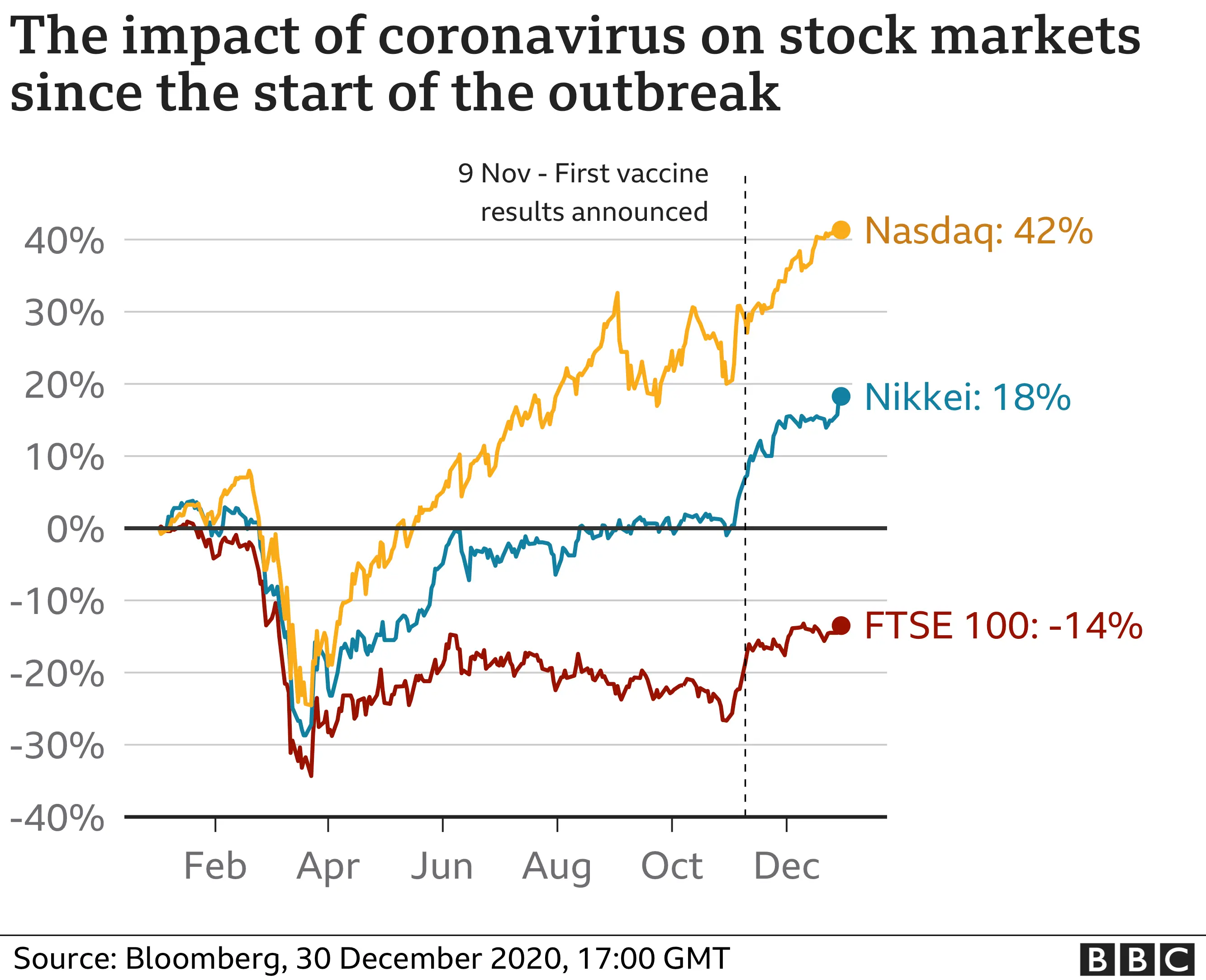
The stock market is a complex, living organism that reacts in real-time to a staggering array of variables. For the modern investor, understanding what is impacting the stock market today requires looking beyond simple price tickers. It involves a deep dive into the intersection of macroeconomic policy, corporate fundamentals, geopolitical shifts, and the psychological undercurrents of the investing public. Whether the market is trending upward on a wave of optimism or retreating under the weight of uncertainty, there are always specific, identifiable catalysts at play.
Understanding these drivers is not merely academic; it is the foundation of sound capital allocation and risk management. As we navigate a global economy characterized by shifting interest rate regimes and rapid technological transformation, the forces influencing equity valuations have become increasingly interconnected.
Macroeconomic Forces and the Federal Reserve’s Mandate
At the heart of market movement lies the macroeconomic environment, dominated largely by the actions of central banks, specifically the Federal Reserve in the United States. Monetary policy is the primary lever that determines the cost of capital, which in turn dictates how assets are valued.
The Interest Rate Trajectory and “Higher for Longer”
Interest rates are arguably the most significant factor impacting the stock market today. When the Federal Reserve raises rates, the “discount rate” used in financial models increases. This reduces the present value of future cash flows, which often leads to a compression in price-to-earnings (P/E) multiples, particularly for growth stocks. Conversely, when the market anticipates a pivot toward rate cuts, stocks typically rally as borrowing costs fall and consumer spending is expected to rise.
The current narrative often centers on the “higher for longer” sentiment. Investors are constantly calibrating their expectations based on whether the Fed will maintain restrictive rates to ensure inflation returns to its 2% target or if they will ease policy to prevent a recession. Every speech by a Fed official or release of the Federal Open Market Committee (FOMC) minutes can send shockwaves through the S&P 500 and the Nasdaq.
Inflation Data and the Consumer Price Index (CPI)
Inflation remains the “north star” for monetary policy. The Consumer Price Index (CPI) and Personal Consumption Expenditures (PCE) price index are the most closely watched reports on the economic calendar. If inflation data comes in “hotter” than expected, the market typically prices in a more aggressive Fed, leading to a sell-off in bonds and equities.
On the flip side, “disinflationary” prints—where the rate of price increases slows—provide the market with the oxygen it needs to move higher. Investors look for signs that the “soft landing” scenario is achievable: a situation where inflation is tamed without triggering a significant spike in unemployment or a deep economic contraction.
Corporate Earnings and Fundamental Health
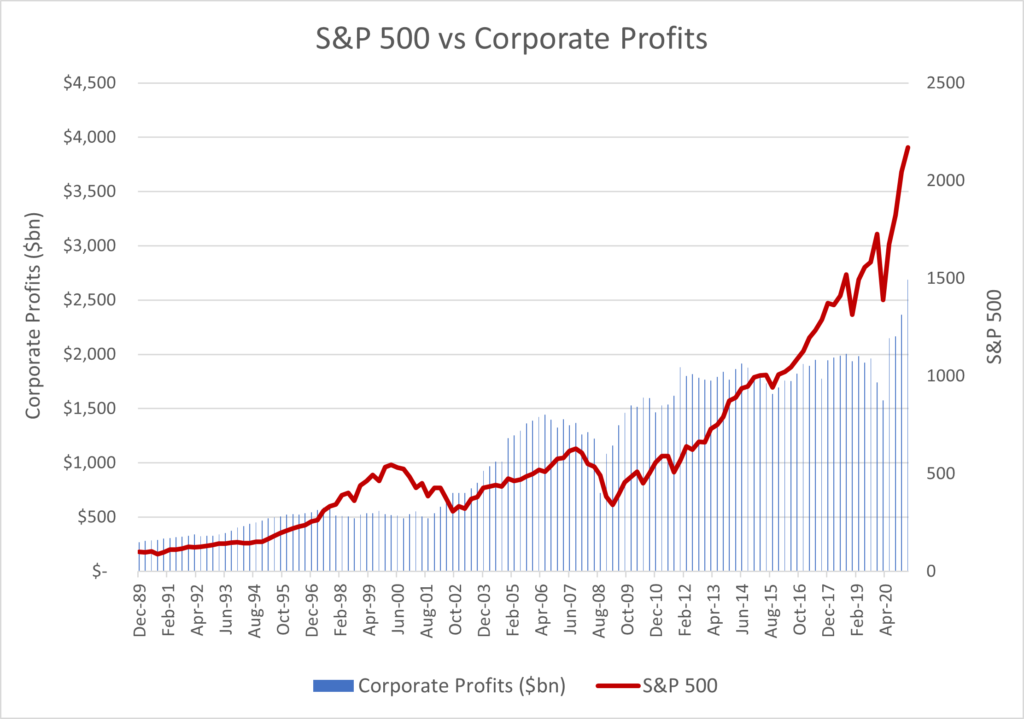
While macro data sets the stage, corporate earnings are the actors on that stage. Ultimately, a stock’s value is a reflection of a company’s ability to generate profit over time. During earnings season, the market shifts its focus from broad economic trends to the granular performance of individual sectors and companies.
The Importance of Forward Guidance
In the current market, it is often not the “beat” or “miss” of the past quarter’s numbers that moves a stock, but rather the forward guidance. Investors are forward-looking; they want to know what a company’s leadership expects for the next six to twelve months. If a company reports record profits but warns of slowing demand or rising input costs due to supply chain disruptions, the stock may plummet despite the strong historical performance.
Guidance provides insight into consumer health, corporate spending trends, and margin stability. In a high-interest-rate environment, investors pay particular attention to debt levels and interest coverage ratios, favoring companies with “clean” balance sheets and robust free cash flow.
Sector Concentration and the Influence of Mega-Cap Tech
A significant factor impacting the stock market today is the heavy concentration of performance in a handful of mega-cap technology stocks. Often referred to as the “Magnificent Seven,” these companies have a disproportionate impact on cap-weighted indices like the S&P 500.
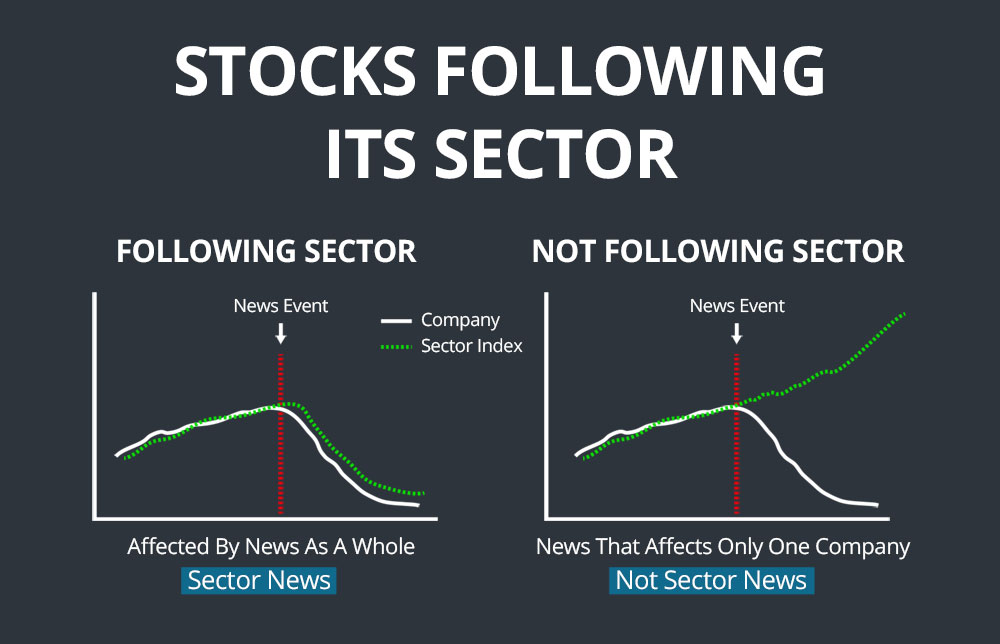
Because these firms have massive cash reserves and dominant market positions, they are often viewed as “safe havens” during periods of uncertainty. However, their high valuations mean that any slight disappointment in their earnings reports can drag down the entire market. The rotation of capital—whether investors are moving out of these tech giants and into small-cap stocks or defensive sectors like utilities—is a key indicator of market health and risk appetite.
Geopolitical Tensions and Global Economic Stability
The stock market does not exist in a vacuum; it is deeply influenced by the geopolitical landscape. In an era of globalization, a conflict or policy shift in one part of the world can have immediate repercussions for investors thousands of miles away.
Energy Markets and Commodity Volatility
Geopolitical instability in oil-producing regions often leads to volatility in energy prices. Because energy is a fundamental input for almost every industry, a spike in crude oil or natural gas prices acts as a “tax” on both consumers and corporations. It fuels inflation and squeezes profit margins for airlines, manufacturers, and logistics companies. Investors watch the Brent and WTI crude benchmarks closely, as energy price shocks are historically one of the most reliable catalysts for market downturns.
Trade Policy and International Relations
Trade tensions, tariffs, and the “de-risking” of supply chains are permanent fixtures in the modern financial landscape. Changes in trade relations between major economies—such as the U.S. and China—can impact the earnings of multinational corporations. Restrictions on semiconductor exports, for instance, have a direct impact on the valuation of the tech sector, while tariffs on raw materials can affect the industrial and automotive sectors. The market hates uncertainty, and geopolitical brinkmanship is a primary source of that uncertainty.
Investor Sentiment and Technical Indicators
While fundamentals and macroeconomics provide the logic for market movements, investor sentiment provides the emotion. The “human element” of trading often leads to price movements that seem disconnected from reality in the short term but are driven by collective psychology.
The Psychology of Fear and Greed
Sentiment indicators, such as the CBOE Volatility Index (VIX), often called the “Fear Gauge,” provide a window into how much risk investors are willing to take. When the VIX is low, it suggests complacency; when it spikes, it indicates panic.
Furthermore, the concept of “market breadth” is essential. A healthy bull market is characterized by many stocks participating in the rally. If only a few large stocks are moving higher while the majority are declining, it suggests a fragile market that may be prone to a correction. Technical levels, such as the 50-day and 200-day moving averages, also act as psychological triggers for both human traders and algorithmic systems, creating self-fulfilling prophecies when key support or resistance levels are breached.
The Rise of Institutional Flows and Algorithmic Trading
Today’s market is increasingly dominated by passive index funds and high-frequency trading algorithms. These entities don’t “invest” in the traditional sense; they react to data triggers. Significant inflows into ETFs can push the entire market higher regardless of individual stock valuations. Similarly, quantitative “stop-loss” programs can accelerate a market sell-off once certain price thresholds are hit. Understanding these flows is crucial for identifying why the market might be moving aggressively in one direction without an obvious fundamental catalyst.
Navigating the Current Market: Strategies for Investors
In a landscape where so many factors are in constant flux, the successful investor must distinguish between “noise” and “signal.” Identifying what is impacting the stock market today is only the first step; the second is deciding how to react—or whether to react at all.
Diversification in a High-Yield Environment
For years, the “TINA” (There Is No Alternative) acronym drove investors into stocks because bond yields were near zero. Today, the landscape has changed. With “risk-free” assets like Treasury bills offering attractive yields, the stock market faces stiffer competition for capital. This shift requires a more nuanced approach to diversification, balancing equity exposure with fixed income to mitigate volatility.
Long-Term Vision vs. Short-Term Volatility
The most profound impact on an individual’s portfolio is often not the market’s performance, but the investor’s reaction to it. While daily headlines may focus on the latest CPI print or a geopolitical flare-up, long-term wealth creation is driven by staying invested through cycles. Markets are inherently volatile, but they have historically rewarded those who can look past the immediate impact of today’s news and focus on the compounding power of corporate growth and innovation.
In conclusion, the stock market today is a reflection of a world in transition. From the Federal Reserve’s battle against inflation to the transformative potential of corporate earnings and the shifting tides of global politics, the forces at play are multifaceted. By staying informed on these key drivers, investors can better position themselves to navigate the complexities of the financial markets and achieve their long-term financial goals.
aViewFromTheCave is a participant in the Amazon Services LLC Associates Program, an affiliate advertising program designed to provide a means for sites to earn advertising fees by advertising and linking to Amazon.com. Amazon, the Amazon logo, AmazonSupply, and the AmazonSupply logo are trademarks of Amazon.com, Inc. or its affiliates. As an Amazon Associate we earn affiliate commissions from qualifying purchases.