
Receiving a new credit card in the mail is an exciting, albeit sometimes daunting, step in managing your personal finances. It signifies a new tool at your disposal, capable of both convenience and significant financial leverage. However, the journey from receiving the card to utilizing its full potential begins with one crucial, non-negotiable step: activation. For Credit One cardholders, understanding and executing this process correctly is paramount not just for making purchases, but for safeguarding your financial security and initiating a responsible credit journey. This guide will walk you through the essential steps, considerations, and best practices for activating your Credit One card, integrating this vital process into a broader strategy of sound financial management.
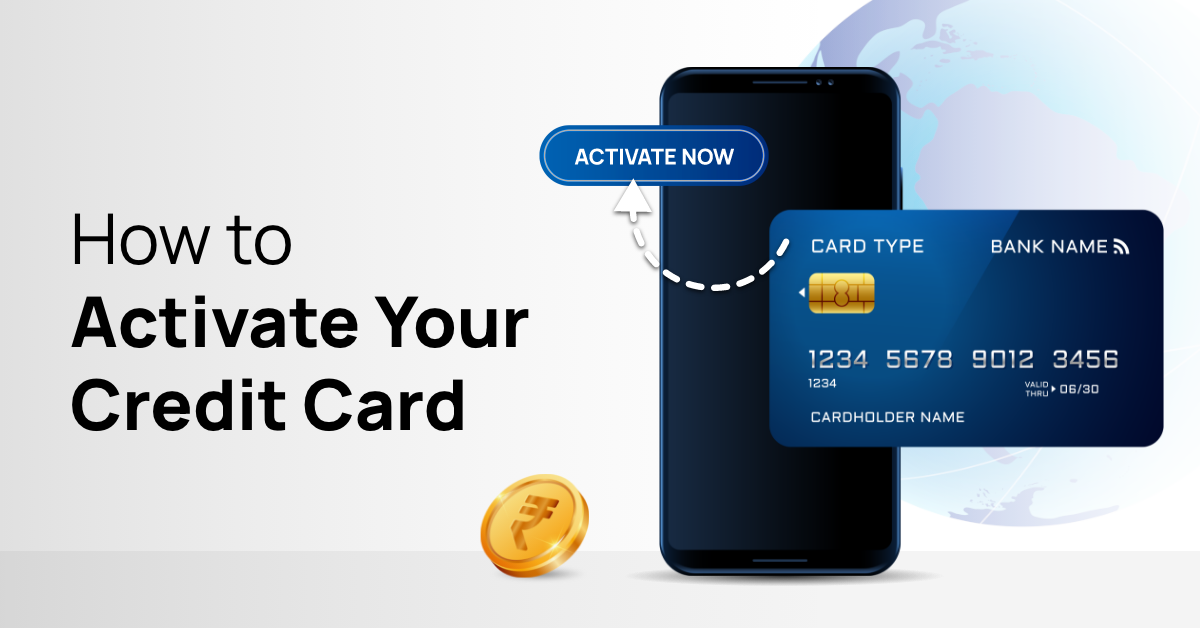
The Critical First Step: Why Card Activation Matters
Activation isn’t merely a formality; it’s a fundamental security measure and the gateway to unlocking the financial power of your new card. Skipping or delaying this step can leave you vulnerable and unable to access your credit line.
Security and Fraud Prevention
The primary reason for activation is security. When Credit One Bank issues a card, it is typically sent in an inactive state. This means that even if the card falls into the wrong hands during transit, it cannot be used for transactions. The activation process requires you, the legitimate cardholder, to confirm receipt and verify your identity, effectively linking the physical card to your secure account. This significantly reduces the risk of fraud, protecting both you from unauthorized charges and the bank from potential losses. It’s a critical layer of defense in the ever-evolving landscape of digital and physical financial threats, ensuring that only you can initiate use of your credit line.
Unlocking Your Financial Tool
Think of your credit card as a sophisticated financial tool designed to facilitate transactions, build credit history, and potentially offer rewards. Without activation, this tool remains locked in its case, inert and unusable. Activation is the key that unlocks its functionality, allowing you to make purchases, pay bills, and access any associated benefits or features. For many, a credit card is a vital component of their financial ecosystem, enabling everything from daily spending to emergency funds. The ability to use it effectively, however, is contingent on successfully completing this initial setup. Until activated, it’s just a piece of plastic; once activated, it becomes a powerful instrument for financial transactions and management.
Confirming Receipt and Identity
Beyond fraud prevention, activation serves as an official confirmation that the credit card has reached its intended recipient. When you activate your Credit One card, you are essentially notifying the bank that you have received it and are ready to assume responsibility for its use. This verification process often involves providing personal details that only you would know, such as the last four digits of your Social Security Number, your date of birth, or security questions. This two-factor verification ensures that the card is in the correct hands and that the account is indeed being accessed by its legitimate owner. This is a crucial step for both your peace of mind and the bank’s operational integrity, solidifying the legal and financial relationship between you and Credit One.
Navigating the Activation Process: Your Options
Credit One Bank, like most modern financial institutions, provides multiple convenient avenues for card activation, catering to various preferences and technological access levels. Understanding these options will help you choose the method that best suits your needs.
Online Activation: The Digital Gateway
For many, activating their Credit One card online is the quickest and most straightforward method. This digital pathway leverages the convenience of the internet, allowing you to complete the process from the comfort of your home or on the go.
Step-by-step guide for Credit One’s website/portal:
-
Visit the Official Website: Navigate to the Credit One Bank official website. Look for a prominent “Activate Card” or “New Card Activation” link, often found on the homepage or within the customer login section.
-
Locate the Activation Portal: You may need to either log in to an existing online account or proceed directly to an activation page designed for new cards.
-
Enter Required Information: You will typically be prompted to enter specific details to verify your identity and the card. This usually includes:
-
Your Credit One credit card number (the 16-digit number on the front).
-
The expiration date of the card.
-
The 3-digit security code (CVV) from the back of the card.
-
The last four digits of your Social Security Number (SSN).
-
Your date of birth.
-
In some cases, your mother’s maiden name or other security questions might be used.
-
-
Confirm and Submit: Review all entered information for accuracy. Once confirmed, submit the activation request. You should receive an instant confirmation that your card is now active.
Benefits of online activation: Speed, 24/7 accessibility, and the ability to immediately set up your online account for managing statements, payments, and alerts.
Phone Activation: A Direct Line to Support
For those who prefer direct communication or encounter issues with online methods, phone activation offers a reliable alternative. This method connects you with an automated system or a customer service representative.
Step-by-step guide for calling the activation number:
-
Locate the Activation Number: The dedicated activation phone number is almost always printed on a sticker affixed to the front of your new credit card, or included in the accompanying welcome packet.
-
Make the Call: Dial the provided toll-free number from a phone associated with your account or a secure line.
-
Follow Prompts: You will likely be greeted by an automated system that guides you through the activation process. Be prepared to enter your card number, expiration date, and other personal identifiers using your phone’s keypad.
-
Speak to a Representative (If needed): If the automated system proves challenging, or if you prefer human interaction, most systems offer an option to speak with a customer service agent. They can verify your identity and activate your card manually.
Benefits: Direct assistance if you have questions, a reliable option if internet access is limited, and reassurance from a live representative.
Mobile App Activation: The Modern Approach
While Credit One’s primary activation methods are typically online and phone, many financial institutions are increasingly integrating card activation into their dedicated mobile applications. If Credit One offers a robust mobile app for account management, it’s worth checking if card activation is an available feature.
How this integrates with modern financial management: A mobile app offers unparalleled convenience, allowing you to manage your card, view transactions, make payments, and potentially activate a new card all from your smartphone or tablet. If available, this method mirrors the online process but is optimized for mobile interfaces, providing a seamless experience for those who prefer managing their finances on the go. Check the app’s menu or notifications upon logging in with a new card.
Beyond Activation: Responsible Credit Card Management
Activating your Credit One card is just the beginning. The real value and potential pitfalls of a credit card lie in how you manage it thereafter. Responsible use is crucial for building a strong financial future and leveraging the card as an asset, not a liability.
Understanding Your Cardholder Agreement
Before making your first purchase, take the time to thoroughly read and understand your Credit One cardholder agreement. This legally binding document outlines all the terms and conditions associated with your card, including:
-
Annual Percentage Rate (APR): The interest rate charged on balances you carry over.
-
Fees: Annual fees, late payment fees, balance transfer fees, cash advance fees, foreign transaction fees, etc.
-
Minimum Payment Due: The smallest amount you must pay by the due date to keep your account in good standing.
-
Grace Period: The time between the end of a billing cycle and your payment due date during which you won’t be charged interest if you pay your balance in full.
Understanding these details is fundamental to avoiding unexpected costs and making informed financial decisions.
Setting Up Online Account Access
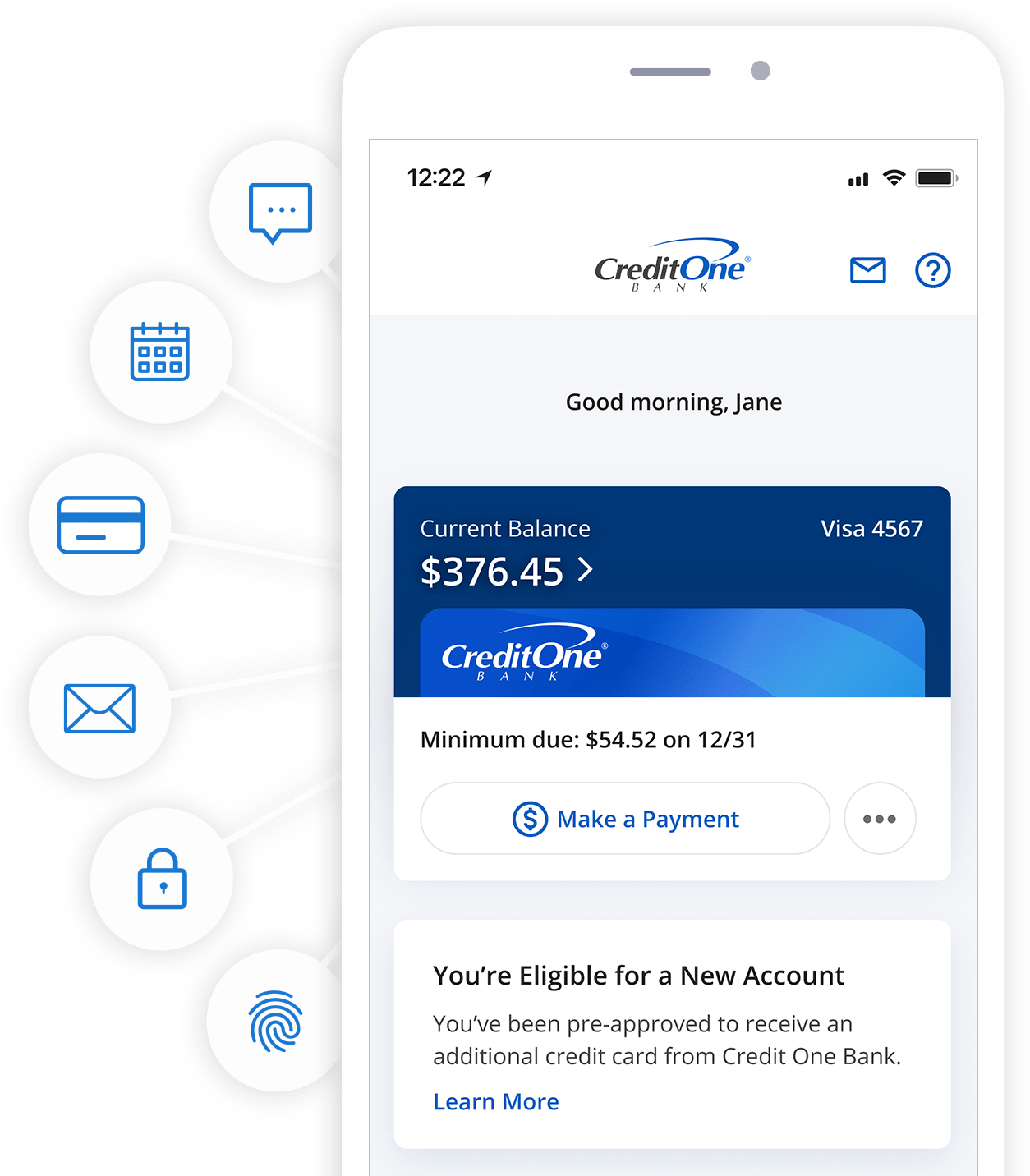
Once your card is active, immediately set up or log into your online account with Credit One Bank. This online portal is an invaluable tool for:
-
Monitoring Transactions: Regularly check your transaction history for accuracy and to spot any unauthorized activity promptly.
-
Viewing Statements: Accessing your monthly statements, which detail your spending, payments, and interest charges.
-
Making Payments: Conveniently scheduling and submitting payments online, often with options for one-time or recurring payments.
-
Managing Alerts: Setting up email or text alerts for payment due dates, large purchases, or low balances, helping you stay on top of your account.
This digital oversight is a cornerstone of modern financial management, providing transparency and control over your credit card activity.
Building a Strong Credit History
Your Credit One card can be a powerful instrument for establishing and improving your credit score, provided it’s managed responsibly. A strong credit history is vital for securing loans, mortgages, and even some job opportunities in the future.
-
Timely Payments: Always pay at least the minimum amount due on time, every time. Missing payments can severely damage your credit score. Ideally, pay your statement balance in full to avoid interest charges.
-
Low Credit Utilization: Keep your credit utilization ratio low. This is the amount of credit you’re using compared to your total available credit. Experts recommend keeping it below 30%, but lower is always better for your score.
-
Long Credit History: The longer you manage your credit accounts responsibly, the more positive impact it has on your credit score.
By consistently demonstrating responsible credit behavior, you build a positive financial reputation that opens doors to better financial products and lower interest rates.
Avoiding Common Pitfalls
Credit cards, while beneficial, come with potential traps if not managed carefully.
-
Overspending: It’s easy to get carried away with the convenience of a credit card. Stick to a budget and only charge what you can comfortably afford to pay back, ideally in full each month.
-
Missing Payments: Late payments incur fees and negatively impact your credit score. Set up reminders or automatic payments to avoid this.
-
High Utilization: Regularly maxing out your card can hurt your credit score and signal financial distress to lenders.
-
Carrying a Balance: While sometimes unavoidable, consistently carrying a balance means you’re paying interest, which adds to the cost of your purchases. Aim to pay off your statement balance in full whenever possible.
Awareness of these pitfalls and proactive strategies to avoid them are key to a healthy financial relationship with your Credit One card.
Troubleshooting Common Activation Issues
While Credit One’s activation process is generally straightforward, occasional issues can arise. Knowing how to address these common problems can save you time and frustration, ensuring your card becomes operational without undue delay.
Mismatched Information
One of the most frequent reasons for activation failure is a discrepancy in the personal information provided during the activation process. This could be due to:
-
Typographical Errors: A simple typo in your card number, SSN, or date of birth.
-
Outdated Records: If your address, name, or other details have changed recently and Credit One’s records haven’t been updated.
-
Security Question Mismatch: Incorrect answers to security questions posed during phone or online activation.
Solution: Double-check all entered information against your physical card and your personal records. If you suspect an issue with Credit One’s records, or if repeated attempts fail, the best course of action is to contact customer service directly. They can verify your identity and correct any inaccuracies.
Technical Glitches
Technology, while convenient, isn’t immune to occasional hiccups. You might encounter technical issues such as:
-
Website/App Errors: The activation page might not load correctly, or you might encounter an error message after submission.
-
Internet Connectivity Problems: A weak or interrupted internet connection can disrupt the online activation process.
-
Browser Compatibility: Sometimes, an older browser or specific browser settings can interfere with website functionality.
Solution:
-
Try a Different Method: If online activation is failing, try activating via phone.
-
Clear Cache/Cookies: For website issues, clear your browser’s cache and cookies, or try a different web browser.
-
Check Internet Connection: Ensure you have a stable internet connection.
-
Wait and Retry: Sometimes, temporary server issues can occur. Waiting a short period (e.g., 30 minutes to an hour) and trying again can resolve the problem.
Missing Card or Unauthorized Activity
In rare but serious instances, your new Credit One card might not arrive, or you might suspect it has been intercepted. Alternatively, you might receive an alert about unauthorized activity before you’ve even activated your card.
Immediate Steps:
-
Contact Credit One Immediately: If your card hasn’t arrived within the expected timeframe (usually 7-10 business days after approval), or if you suspect it’s lost or stolen, call Credit One Bank’s customer service number immediately.
-
Report Theft/Loss: Promptly report the card as lost or stolen. This will allow the bank to cancel the card and issue a new one, preventing any potential fraudulent use.
-
Monitor Your Account: Even if not activated, keep an eye on your Credit One account for any suspicious activity. If you notice anything unusual, report it at once.
Contacting Credit One Customer Service
When all else fails, or if you’re dealing with a complex issue, Credit One’s customer service team is your best resource.
When and How to Get Help:
-
When: Call if you encounter persistent errors, suspect fraud, have questions about the activation process, or need to update personal information.
-
How: The main customer service number is usually on the back of any existing Credit One card, on their official website, or in your welcome packet. Be prepared to verify your identity with account details and personal information.
Customer service representatives are equipped to troubleshoot most activation problems and guide you through the necessary steps, ensuring your card is activated securely and efficiently.
The Financial Landscape with Your Activated Card
With your Credit One card successfully activated, you’re now poised to integrate this new financial tool into your broader money management strategy. This involves not just using the card, but consciously leveraging its features to enhance your financial well-being and security.
Budgeting and Tracking
An activated credit card immediately becomes a key component of your spending habits, making diligent budgeting and tracking more important than ever.
-
Integrate into Your Budget: Allocate a specific portion of your budget for credit card spending. Whether it’s for groceries, utilities, or discretionary purchases, ensure these expenses fit within your overall financial plan.
-
Use Financial Tools: Employ personal finance software, budgeting apps, or even simple spreadsheets to track every transaction made with your Credit One card. Many banks, including Credit One, offer robust online platforms that categorize spending and generate reports, making this task easier.
-
Regular Review: Periodically review your credit card statements and transaction history against your budget. This helps identify overspending, potential errors, or even fraudulent charges early on. Proactive tracking ensures you maintain control over your money, preventing debt accumulation.
Benefits and Rewards
Many Credit One cards come with various benefits and reward programs. Once your card is active, it’s crucial to understand and utilize these to maximize the value you receive.
-
Cash Back: Some Credit One cards offer cash back on eligible purchases, often at varying rates for different spending categories. Understand how to earn and redeem these rewards.
-
Travel Perks: Certain cards might offer travel-related benefits such as travel insurance, car rental insurance, or access to exclusive deals.
-
Credit Building Tools: Credit One often caters to individuals looking to build or rebuild their credit. Understand how your card’s specific features contribute to this goal, such as reporting positive payment history to all major credit bureaus.
-
Promotional Offers: Keep an eye out for any introductory offers or special promotions that become available after activation.
By being aware of and strategically using these benefits, your credit card can not only facilitate transactions but also provide tangible financial returns or advantages, making it a more valuable asset in your financial toolkit.
Safeguarding Your Financial Information
The activation of your Credit One card marks the point where your financial security becomes paramount. Ongoing vigilance is essential to protect your account from fraud and identity theft.
-
Secure Online Practices: Always use strong, unique passwords for your Credit One online account. Enable two-factor authentication if available. Avoid accessing your account on public Wi-Fi networks unless absolutely necessary and with a VPN.
-
Physical Card Security: Keep your physical card in a secure place. Memorize your PIN and never write it down. Be wary of card skimmers at ATMs or point-of-sale terminals.
-
Monitor Statements and Alerts: Regularly check your credit card statements for any unfamiliar charges. Set up fraud alerts with Credit One so you are notified of suspicious activity immediately.
-
Identity Theft Protection: Consider services that monitor your credit report for unusual activity. Be cautious about sharing personal information online or over the phone unless you initiated the contact and have verified the recipient.
An activated credit card is a powerful tool, but like any powerful tool, it requires careful handling. Proactive measures in safeguarding your financial information are not just recommendations; they are essential practices for maintaining your financial health and peace of mind in today’s digital age.

Conclusion
Activating your Credit One card is more than a simple formality; it’s the foundational step in a responsible and strategic approach to personal finance. By understanding the importance of activation for security and functionality, navigating the available methods with ease, and immediately transitioning into diligent card management, you set the stage for a positive financial journey. Your Credit One card, when handled with awareness and discipline, is a powerful tool for convenience, credit building, and leveraging financial benefits. Remember, the key to maximizing its potential lies not just in activating it, but in consistently applying sound financial principles to its ongoing use. Embrace this new financial tool with confidence, informed decision-making, and a commitment to your long-term financial well-being.
aViewFromTheCave is a participant in the Amazon Services LLC Associates Program, an affiliate advertising program designed to provide a means for sites to earn advertising fees by advertising and linking to Amazon.com. Amazon, the Amazon logo, AmazonSupply, and the AmazonSupply logo are trademarks of Amazon.com, Inc. or its affiliates. As an Amazon Associate we earn affiliate commissions from qualifying purchases.