
Navigating the landscape of mortgage interest rates is a fundamental aspect of modern personal finance. For prospective homeowners, real estate investors, and those looking to refinance, the “current” mortgage rate is not just a number; it is a pivotal economic indicator that determines purchasing power and long-term financial stability. In the current economic climate, mortgage rates have experienced significant volatility, shifting away from the historic lows of the early 2020s and settling into a range that reflects broader inflationary pressures and Federal Reserve policy shifts. Understanding what determines these rates and how to navigate them is essential for anyone looking to make a move in the housing market.
Understanding the Dynamics of Current Mortgage Rates
The interest rate on a mortgage is essentially the price of borrowing money to purchase a home. While many consumers look to the Federal Reserve for a direct answer on why rates are rising or falling, the relationship is more nuanced. Mortgage rates are influenced by a complex interplay of government policy, investor sentiment, and global economic health.
The Role of the Federal Reserve and the Federal Funds Rate
While the Federal Reserve (the Fed) does not technically set mortgage rates, its influence is profound. The Fed manages the federal funds rate—the interest rate at which commercial banks borrow and lend to each other overnight. When the Fed raises this rate to combat inflation, it increases the cost of doing business for banks. To maintain profit margins, banks pass these costs on to consumers in the form of higher interest rates on credit cards, personal loans, and mortgages.
The “current” rate is often a reflection of the Fed’s stance on the economy. If the Fed signals a “hawkish” stance (maintaining high rates to cool the economy), mortgage rates generally trend upward. Conversely, a “dovish” pivot, where the Fed suggests rate cuts are on the horizon, can lead to a cooling of mortgage interest costs even before the official cuts occur.
Inflation and the 10-Year Treasury Yield
The most direct bellwether for the 30-year fixed-rate mortgage is the 10-year Treasury yield. Investors view Treasury bonds as one of the safest places to park capital. When inflation is high, the purchasing power of the fixed payments from a bond or a mortgage decreases. Consequently, investors demand higher yields to compensate for that risk.
When the 10-year Treasury yield rises, mortgage rates almost always follow. This is because mortgage-backed securities (MBS)—the bundles of home loans sold to investors—must offer a higher return than “risk-free” government bonds to attract buyers. The spread between the 10-year Treasury and the 30-year mortgage rate typically hovers around 1.5 to 2 percentage points, though in volatile markets, this spread can widen significantly.
Types of Mortgage Rates and How They Differ
When asking what the current interest rate is, one must specify the type of loan being discussed. Not all mortgages are created equal, and the rate you are quoted depends heavily on the structure of the debt.
Fixed-Rate Mortgages: Stability in an Uncertain Market
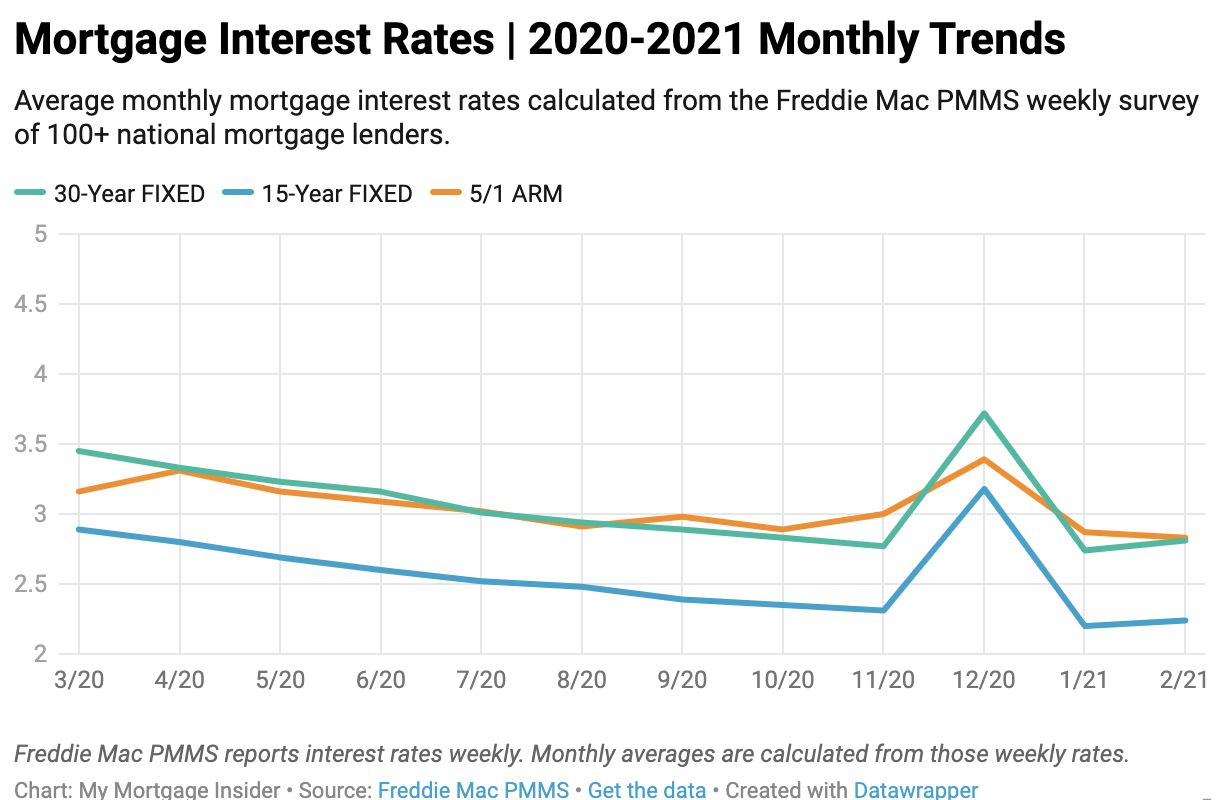
The 30-year fixed-rate mortgage is the gold standard for American homeowners. It provides a consistent monthly payment for three decades, insulating the borrower from future interest rate hikes. Because the lender is taking on the risk of inflation over thirty years, fixed rates are typically higher than shorter-term or adjustable options.
The 15-year fixed-rate mortgage usually offers a significantly lower interest rate—often 0.5% to 1% lower than the 30-year equivalent. However, the trade-off is a much higher monthly payment because the principal is being amortized over half the time. For those with the cash flow to handle it, the 15-year mortgage represents a massive saving in total interest paid over the life of the loan.
Adjustable-Rate Mortgages (ARMs)
Adjustable-rate mortgages offer a lower “teaser” rate for an initial period (usually 5, 7, or 10 years). After this period, the rate adjusts periodically based on a benchmark index, such as the Secured Overnight Financing Rate (SOFR). In a high-rate environment, ARMs can be attractive for buyers who plan to sell or refinance before the adjustment period kicks in. However, they carry the inherent risk that rates could be significantly higher five or ten years down the line, potentially leading to “payment shock.”
Government-Backed vs. Conventional Loans
Interest rates also vary by loan program. FHA loans (Federal Housing Administration) often feature lower interest rates than conventional loans because the government insures the lender against default. However, these loans come with mandatory mortgage insurance premiums (MIP) that can make the overall cost higher. VA loans (for veterans) and USDA loans (for rural properties) also offer competitive rates that are frequently lower than the standard market average, provided the borrower meets specific eligibility requirements.

Factors That Determine Your Personal Interest Rate
It is important to distinguish between the “market average” rate reported in the news and the “actual” rate a lender offers an individual. The advertised current mortgage rate is often based on a borrower with a perfect financial profile.
Credit Score and Financial Health
Your credit score is the single most important factor in determining the rate you receive. Lenders use the FICO score to gauge the likelihood of default. Borrowers with scores above 760 are typically offered the “prime” rate. Those with scores in the 600s may face “loan-level price adjustments” (LLPAs), which are essentially surcharges that can increase the interest rate by 0.25% to 1% or more. Improving a credit score by just 20 or 30 points before applying for a mortgage can save a homeowner tens of thousands of dollars over the life of the loan.
Loan-to-Value (LTV) Ratio and Down Payments
The amount of “skin in the game” you have also influences the rate. A borrower putting down 20% is viewed as lower risk than someone putting down 3%. A lower loan-to-value ratio (LTV) often results in a lower interest rate because the lender has a larger equity cushion if the property value drops. Furthermore, reaching the 20% down payment threshold eliminates the need for Private Mortgage Insurance (PMI), which, while not part of the interest rate itself, functions as an additional monthly cost.
Property Type and Occupancy
Lenders also price for risk based on the property’s use. A primary residence (where the borrower lives) gets the lowest rates. Investment properties or second homes are considered higher risk because, in a financial crisis, a borrower is more likely to walk away from a rental property than the roof over their head. Consequently, interest rates for investment properties can be 0.5% to 0.875% higher than for primary residences.
Historical Context and Future Economic Outlook
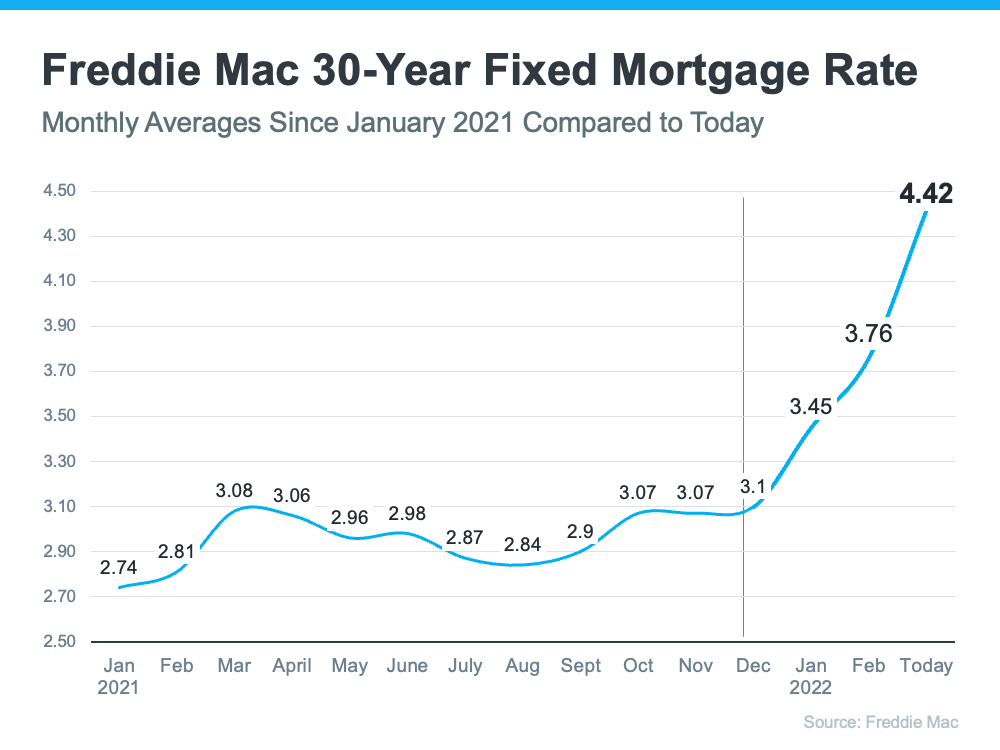
To truly understand if current mortgage rates are “high,” one must look at historical cycles. In the early 1980s, mortgage rates peaked at over 18%. Conversely, in 2021, they bottomed out near 2.6%. While today’s rates are significantly higher than the pandemic-era lows, they are actually closer to the 50-year historical average of approximately 7.5%.
The “Higher for Longer” Narrative
Current economic sentiment suggests that the era of ultra-low, 3% mortgage rates was an anomaly driven by unprecedented government intervention. Most economists expect a “higher for longer” environment where rates settle into a range between 5.5% and 7%. This shift has led to the “lock-in effect,” where current homeowners with 3% mortgages are unwilling to sell and move, as doing so would mean doubling their interest rate. This reduces housing inventory, which ironically keeps home prices high despite the higher cost of borrowing.
Economic Indicators to Watch
For those trying to time the market, several reports are critical. The Consumer Price Index (CPI) measures inflation; if inflation cools faster than expected, mortgage rates often drop. The monthly Jobs Report from the Bureau of Labor Statistics is another factor—a cooling labor market signals an economic slowdown, which usually prompts the Fed to consider lowering rates, leading to a decline in mortgage costs.
Strategies for Securing the Best Possible Rate
Even in a high-rate environment, there are strategic moves a borrower can make to minimize their interest expense.
The Importance of Rate Shopping and Mortgage Brokers
Many home buyers simply go to their primary bank for a mortgage. However, studies show that getting quotes from at least three different lenders can save a borrower an average of $1,500 to $3,000 upfront and thousands more over the life of the loan. Mortgage brokers can be particularly useful here, as they have access to a variety of wholesale lenders and can find niche products that a standard retail bank might not offer.
Buying Down the Rate with Points
Borrowers can choose to pay “discount points” at closing to lower their interest rate. One point typically costs 1% of the loan amount and reduces the interest rate by approximately 0.25%. This is essentially “prepaying” interest. The decision to buy points depends on how long you intend to keep the loan. If you plan to stay in the home for ten years, the monthly savings will eventually exceed the upfront cost (the “break-even point”). If you plan to refinance or move in three years, buying points is usually a poor financial decision.
Rate Locks and Float-Down Options
Because mortgage rates can change daily—and sometimes multiple times a day—securing a “rate lock” is crucial once you find a property. A rate lock guarantees the interest rate for a specific period (usually 30 to 60 days). Some lenders also offer a “float-down” provision, which allows you to lock in a rate but also take advantage of a lower rate if market conditions improve before you close.
Understanding the current mortgage rate requires a holistic view of the financial world. It is a balance of global economic trends, Federal Reserve policy, and individual financial discipline. By monitoring the 10-year Treasury, maintaining a high credit score, and shopping around for the best terms, borrowers can navigate even the most volatile interest rate environments with confidence.
aViewFromTheCave is a participant in the Amazon Services LLC Associates Program, an affiliate advertising program designed to provide a means for sites to earn advertising fees by advertising and linking to Amazon.com. Amazon, the Amazon logo, AmazonSupply, and the AmazonSupply logo are trademarks of Amazon.com, Inc. or its affiliates. As an Amazon Associate we earn affiliate commissions from qualifying purchases.