
The price of a flight ticket is rarely a static figure. For anyone who has ever searched for airfare, only to revisit the same route hours or days later and find a different cost, this reality is all too familiar. Understanding the frequency and rationale behind these fluctuations is not merely an academic exercise; it’s a critical component of savvy financial planning for travel, whether for personal leisure or business. In the modern airline industry, flight prices are in a near-constant state of flux, driven by sophisticated algorithms that react to a myriad of variables in real-time. This dynamic environment can feel like a game of chance, but with insight into the underlying mechanisms, travelers can significantly improve their odds of securing the best financial deal.
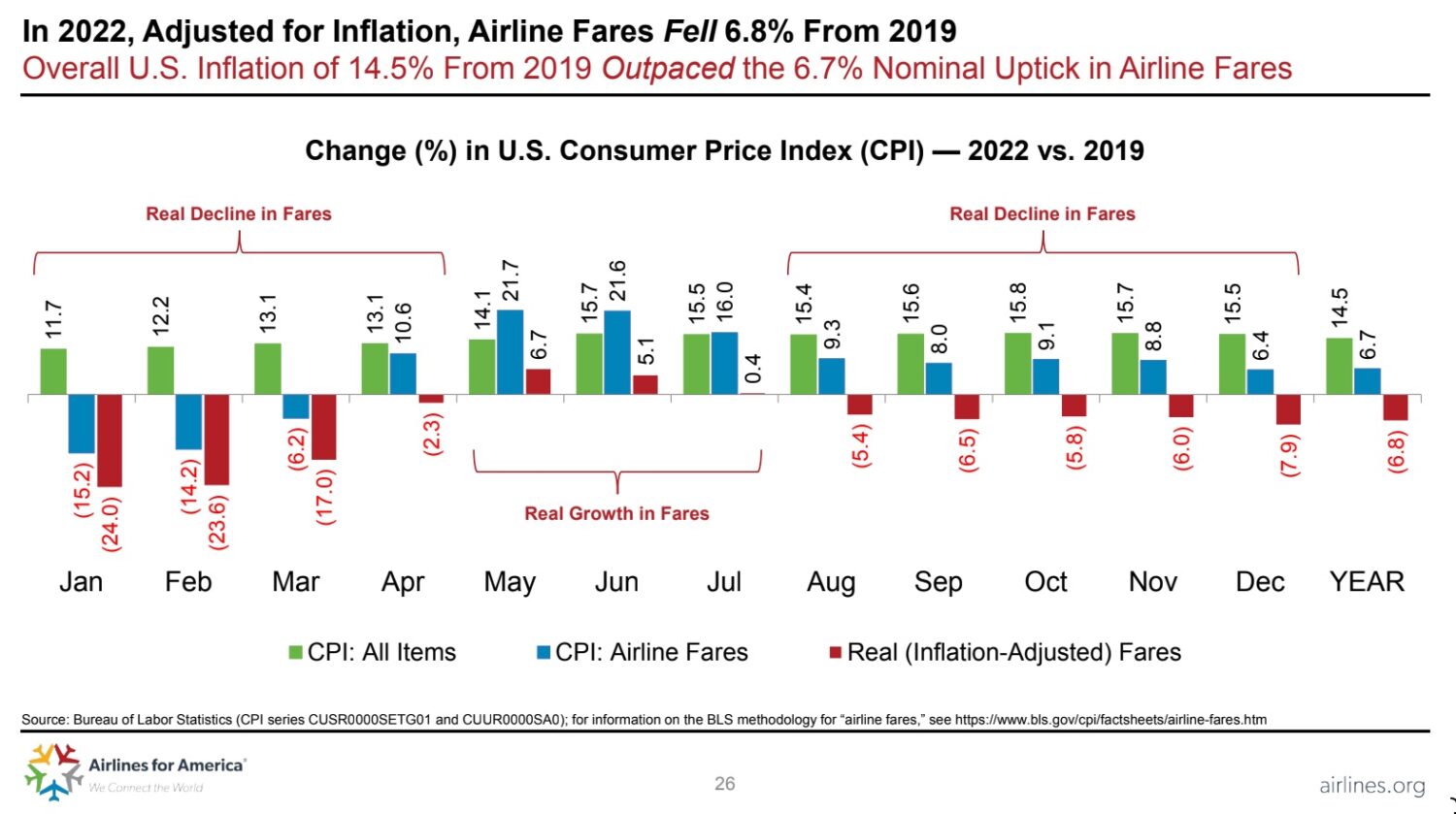
The Volatile World of Airfare: Understanding Dynamic Pricing
At the heart of flight price changes lies dynamic pricing – a strategy employed across various industries, but perhaps most visibly in air travel. It’s a complex system designed to maximize revenue by adjusting prices based on current market demand and supply.
What is Dynamic Pricing?
Dynamic pricing, also known as surge pricing or real-time pricing, is a strategy where businesses set flexible prices for products or services based on current market demands. Instead of fixed prices, airlines employ sophisticated algorithms that continuously monitor and react to factors like demand, competitor pricing, booking trends, time until departure, and even the type of device a customer is using. The goal is simple: to sell every seat on every flight at the highest possible price. This means prices can change not just daily, but multiple times within an hour.
The Airline Algorithm’s Role
Behind every ticket price fluctuation is a powerful algorithm. These algorithms are the brain of the dynamic pricing system, constantly crunching vast amounts of data. They predict demand for specific routes and dates, assess competitor strategies, track available seat inventory across various fare classes, and even analyze consumer behavior patterns. When a surge of bookings occurs for a particular flight, the algorithm recognizes this demand and can instantly raise prices for the remaining seats. Conversely, if a flight is underselling, it might trigger a price drop to stimulate demand. This constant analysis and adjustment mean that the “right” price is a moving target, always being optimized to the present moment.
The Impact on Consumers’ Wallets
For consumers, the direct impact of dynamic pricing is a sense of unpredictability and, at times, frustration. A search on Monday might yield one price, only for the same search on Tuesday to show a significantly higher (or lower) figure. This volatility makes it challenging to know when to pull the trigger on a purchase. From a financial perspective, it means that an uninformed booking can easily cost hundreds, if not thousands, of dollars more than a well-timed one. It underscores the necessity for travelers to equip themselves with knowledge and tools to navigate this ever-changing landscape effectively and protect their travel budget.
Key Factors Driving Flight Price Fluctuations
While algorithms execute the price changes, they do so based on specific, measurable inputs. Understanding these core drivers provides invaluable insight into why prices move as they do.
Supply and Demand Dynamics
This is the most fundamental economic principle at play. When demand for a particular flight or route is high (e.g., during holidays, major events, or peak travel seasons) and supply (available seats) is limited, prices naturally increase. Conversely, if a flight has many empty seats closer to departure, and demand is low, prices may drop to fill those seats. Airlines carefully manage seat inventory across different fare classes, releasing more expensive seats as cheaper ones sell out.
Timing and Booking Window
The “when” of booking is perhaps the most significant factor travelers can influence. Airlines typically operate within a few general pricing phases:
-
Early Bird (6-11 months out): Prices can be high as airlines test the market, or sometimes surprisingly low to anchor early bookings.
-
Sweet Spot (3 weeks to 4 months out): Often considered the optimal window, where airlines have a clearer picture of demand and offer competitive pricing.
-
Last Minute (0-3 weeks out): Prices usually skyrocket as airlines capitalize on business travelers or those with urgent, inflexible plans. They know these travelers are less price-sensitive.
Route Popularity and Competition
Popular routes with high passenger volume and limited competition tend to have higher and more stable prices. Conversely, routes served by multiple airlines often see more aggressive pricing wars, leading to greater fluctuations and potential deals as carriers vie for market share. The presence of budget airlines on a route can also exert downward pressure on prices across the board.
Fuel Costs and Operational Expenses
Airlines are highly susceptible to global fuel prices. A significant spike in oil prices can lead to an immediate adjustment in airfares, often manifesting as fuel surcharges or general price increases. Other operational costs, such as airport fees, labor expenses, and maintenance, also play a role, albeit a more stable one, in the baseline pricing structure.
Ancillary Services and Bundling
The base fare you see is often just the starting point. Airlines increasingly unbundle services, charging separately for checked baggage, seat selection, in-flight meals, and priority boarding. The way these ancillary services are packaged (or not) can impact the perceived and actual total cost, and these bundled prices can also change frequently. Some airlines might offer a higher base fare with “extras” included, while others maintain a lower base fare but charge for everything else.
Strategies for Savvy Flight Booking (and Saving Money)
Navigating the dynamic pricing landscape requires a strategic approach. Adopting certain habits and utilizing available tools can significantly enhance your chances of securing financially advantageous airfare.
The Best Time to Book (and Fly)
While there’s no single “magic” day, general patterns exist. For domestic flights, booking 1-3 months in advance is often ideal. For international flights, extend that to 2-5 months. Flying mid-week (Tuesdays, Wednesdays, Thursdays) or on Saturdays (for some international routes) is typically cheaper than Fridays or Sundays. Avoid peak seasons and holidays if flexibility allows, as prices naturally surge during these times. Early morning flights or late-night red-eyes also tend to be less expensive due to less demand.
Flexibility is Your Financial Friend
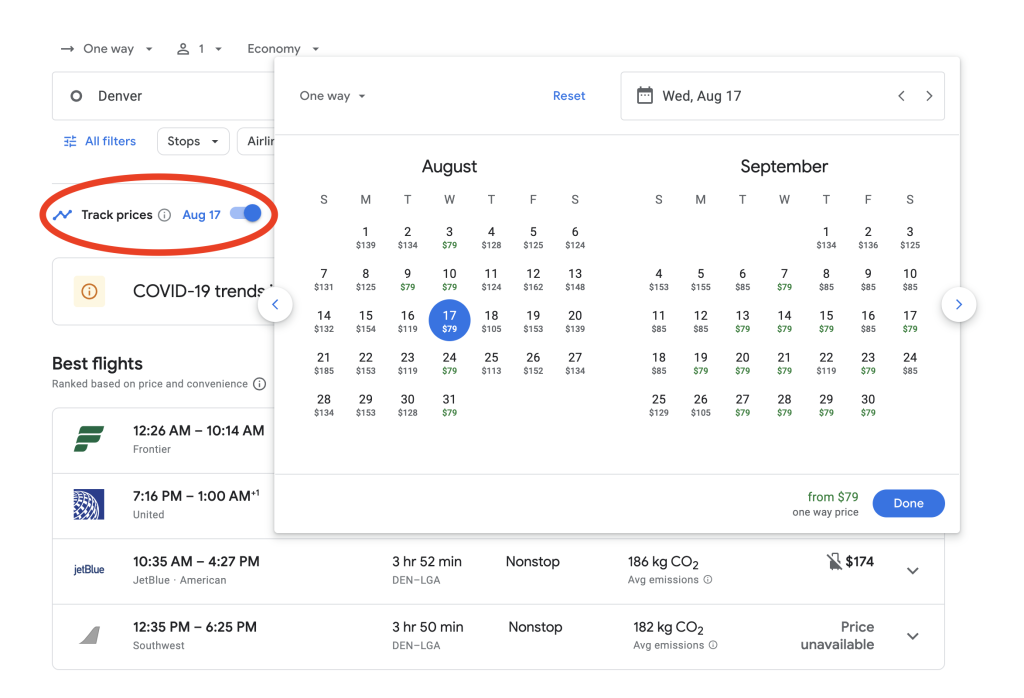
The more flexible you can be with your travel dates, times, and even airports, the greater your chances of finding a deal. Using flight search engines that allow you to browse prices across an entire month (e.g., Google Flights’ calendar view or Skyscanner’s “Cheapest Month” option) can reveal significant savings by shifting your travel by just a day or two. Consider flying into or out of alternative, smaller airports near your destination, as they often have lower landing fees and thus cheaper fares.
Price Tracking Tools and Alerts
This is where technology becomes your ally in the “Money” category. Numerous websites and apps specialize in tracking flight prices. Tools like Google Flights, Kayak, Skyscanner, and Hopper allow you to set up price alerts for specific routes and dates. You’ll receive email notifications when prices drop, enabling you to act quickly. These tools are invaluable for monitoring fluctuations without constant manual searching.
Exploring Alternative Airports and Routes
Sometimes, flying into a less direct but nearby airport can yield substantial savings. For example, instead of flying directly into Paris CDG, you might find a cheaper flight to Paris Orly (ORY) or even Brussels and take a train. Similarly, consider multi-leg journeys, even if they add a bit of travel time. A flight with a layover is often cheaper than a direct flight, especially for international travel.
Considering Budget Airlines vs. Full-Service Carriers
Budget airlines like Spirit, Ryanair, EasyJet, and Southwest (within their specific network) often offer significantly lower base fares. However, it’s crucial to factor in their potentially higher ancillary fees for baggage, seat selection, and other services. For shorter trips with minimal luggage, they can be a major money-saver. For longer journeys or if you prefer more amenities, a full-service carrier might offer better value when all costs are considered. Always compare the “all-in” price.
Debunking Common Airfare Myths
The opaque nature of dynamic pricing has given rise to numerous myths about how to beat the system. While some hold a kernel of truth, many are largely outdated or misunderstood.
The “Tuesday Myth” Revisited
For years, conventional wisdom dictated that Tuesday was the cheapest day to book flights. The theory was that airlines released sales on Monday evenings, and competitor airlines would match them by Tuesday morning. While there might still be some residual truth in this due to historical practices, with today’s real-time dynamic pricing algorithms, significant price drops can occur any day, any time. While Tuesdays might still be slightly cheaper on average for certain routes, it’s not a hard-and-fast rule, and waiting specifically for Tuesday could mean missing a better deal that surfaced on a Wednesday.
Incognito Mode: A Limited Superpower
The idea that airlines track your searches via cookies and raise prices if you search repeatedly in normal browsing mode is a pervasive myth. While it’s true that some sites use cookies to remember your preferences, the primary driver of price changes is the airline’s internal demand-based algorithm, not your individual search history. Clearing your cookies or using incognito mode might occasionally show a slightly different cached price, but it’s highly unlikely to reveal a drastically cheaper fare that was being withheld from you. The real determinant is the underlying market demand and seat availability, which isn’t influenced by your browser settings.
Last-Minute Deals: A Risky Gamble
While last-minute flight deals occasionally appear, especially for charter flights or package holiday operators trying to fill remaining seats, for scheduled commercial flights, this is generally a myth. Airlines know that last-minute travelers are often business travelers or those facing emergencies, and these individuals are far less price-sensitive. Consequently, prices for flights within 1-3 weeks of departure tend to be significantly higher, not lower. Relying on a last-minute deal is a gamble that usually results in paying a premium.
Leveraging Financial Tools and Habits for Optimal Booking
Beyond the immediate search, smart financial management plays a crucial role in overall travel savings. Integrating flight booking into broader financial habits can yield long-term benefits.
Credit Card Rewards and Travel Portals
Many travel-focused credit cards offer significant sign-up bonuses and ongoing rewards points for everyday spending. These points can be redeemed for flights, effectively reducing your out-of-pocket cash expense to zero. Furthermore, some premium travel credit cards offer benefits like annual travel credits, lounge access, or even companion passes, all of which contribute to lowering the overall cost of your travel. Booking flights through a credit card’s dedicated travel portal can also sometimes offer better redemption rates or exclusive deals.
Budgeting for Travel: A Proactive Approach
Integrating travel into your overall financial budget is paramount. Instead of treating flight purchases as a sporadic, reactive expense, designate a specific savings goal for travel throughout the year. By actively saving, you’ll be less susceptible to “sticker shock” when a good deal appears, and you’ll be prepared to book without straining your immediate finances. A well-managed travel budget allows for strategic planning, enabling you to capitalize on opportune moments rather than being forced to book under pressure.

The Long-Term Savings Mindset
Understanding flight pricing volatility is more than just finding a cheap ticket for your next trip; it’s about cultivating a long-term savings mindset. By becoming adept at tracking prices, being flexible, and leveraging financial tools, you develop a skill set that translates into consistent savings over many years of travel. This financial literacy ensures that your travel experiences are not only memorable but also economically sustainable, allowing you to allocate saved funds to other financial goals or more enriching experiences.
In conclusion, the question of “how often do flights change prices” reveals a dynamic and complex financial ecosystem. Airlines leverage sophisticated algorithms to adjust fares continuously, responding to a myriad of real-time variables. While this can make booking feel unpredictable, armed with knowledge of dynamic pricing, key influencing factors, practical booking strategies, and a solid financial mindset, travelers can confidently navigate the market, maximize their savings, and embark on their journeys without unnecessary financial burden.
aViewFromTheCave is a participant in the Amazon Services LLC Associates Program, an affiliate advertising program designed to provide a means for sites to earn advertising fees by advertising and linking to Amazon.com. Amazon, the Amazon logo, AmazonSupply, and the AmazonSupply logo are trademarks of Amazon.com, Inc. or its affiliates. As an Amazon Associate we earn affiliate commissions from qualifying purchases.