
For the vast majority of homebuyers, a mortgage is the largest financial commitment they will ever make. While the purchase price of a home often takes center stage in real estate discussions, the mortgage interest rate is the silent engine that determines the actual cost of that home over time. Understanding what a mortgage interest rate is, how it is calculated, and what factors influence its movement is essential for anyone looking to build long-term wealth through real estate.
At its simplest level, a mortgage interest rate is the cost you pay a lender to borrow money to purchase a property. It is expressed as a percentage of the total loan amount. However, beneath this simple definition lies a complex web of global economics, personal financial metrics, and market psychology. By mastering these concepts, borrowers can save tens of thousands—if not hundreds of thousands—of dollars over the life of their loan.
The Fundamental Mechanics of Mortgage Interest Rates
To understand mortgage interest, one must first distinguish between the loan principal and the interest itself. The principal is the actual amount of money borrowed to buy the home. The interest is the “rent” you pay to use that money. Because lending money is a risky venture for a bank or financial institution, they charge interest to compensate for the risk of default and the effects of inflation over the decades the loan is active.
Principal vs. Interest
Every monthly mortgage payment is typically split into several components, often referred to as PITI (Principal, Interest, Taxes, and Insurance). In the early years of a standard 30-year mortgage, the vast majority of your monthly payment goes toward interest. As the loan matures, the ratio shifts, and a larger portion of the payment is applied to the principal. This process is known as amortization.
The Role of Amortization
Amortization is the process of paying off a debt over time through regular installments. Lenders use an amortization schedule to ensure they collect their profit (interest) upfront. This is why a homeowner who sells their house after only five years of a 30-year mortgage may be surprised to find they have built very little equity; most of their payments were directed toward the interest charged by the bank rather than the balance of the loan.
Interest Rate vs. APR
A common point of confusion for borrowers is the difference between the interest rate and the Annual Percentage Rate (APR). While the interest rate reflects the cost of borrowing the principal, the APR is a broader measure. It includes the interest rate plus other costs such as broker fees, discount points, and some closing costs. Therefore, the APR is almost always higher than the interest rate and provides a more accurate picture of the total cost of the loan.
Factors That Influence Your Specific Rate
Mortgage rates are not static, nor are they the same for everyone. They are determined by a combination of macroeconomic forces and the individual borrower’s financial profile. Understanding these variables allows a borrower to time their purchase and improve their financial standing to secure the lowest possible rate.
Macroeconomic Drivers: The Fed and Bond Yields
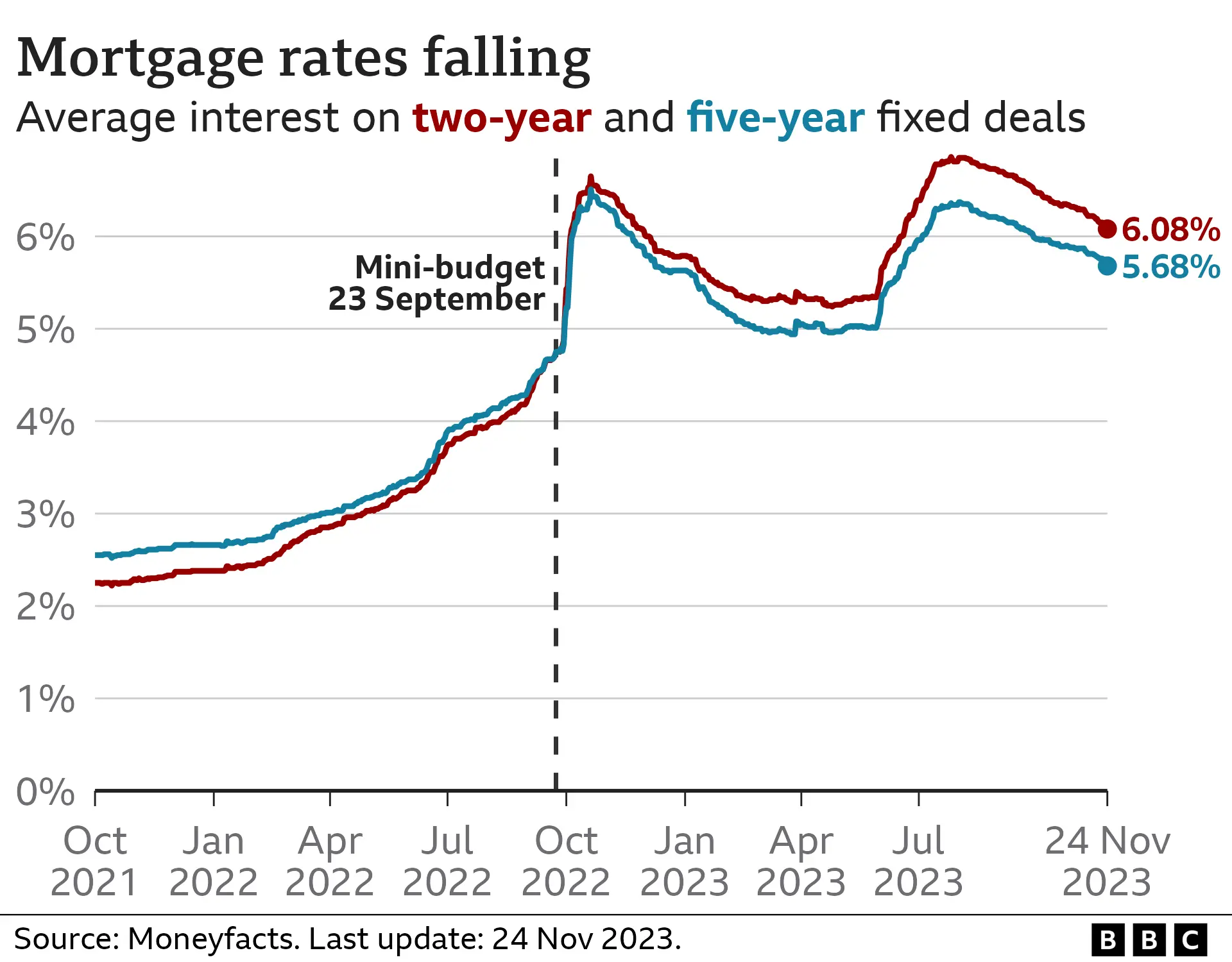
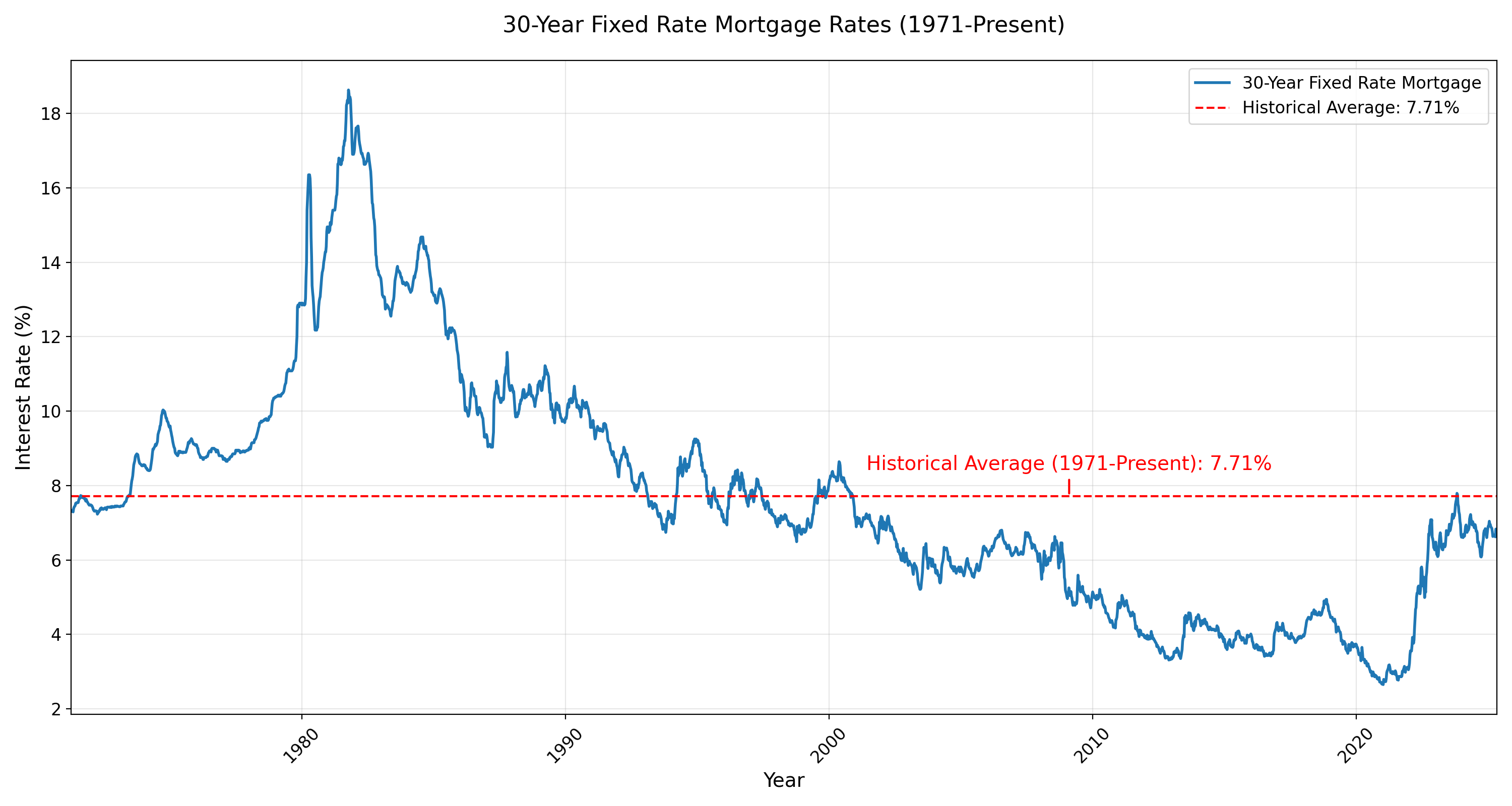
It is a common misconception that the Federal Reserve “sets” mortgage rates. In reality, the Fed sets the federal funds rate—the rate at which banks lend to each other overnight. While mortgage rates tend to follow the trend of the Fed’s actions, they are more closely tied to the 10-year Treasury bond yield. When investors are nervous about the economy, they flock to the safety of government bonds, driving yields down and often taking mortgage rates with them. Conversely, when the economy is booming and inflation is high, yields and mortgage rates typically rise.
Individual Financial Health: Credit Score and DTI
From a lender’s perspective, the interest rate is a reflection of risk. A borrower with a high credit score (typically 740 or above) is seen as a low-risk investment and is rewarded with a lower interest rate. A lower credit score suggests a higher likelihood of default, prompting the lender to charge a higher rate to mitigate that risk.
Similarly, your Debt-to-Income (DTI) ratio plays a critical role. This is the percentage of your gross monthly income that goes toward paying debts. Lenders prefer a DTI below 36%, though some programs allow for more. A lower DTI signifies that you have the financial “breathing room” to handle a mortgage payment, which can favorably influence the terms you are offered.
Loan-to-Value Ratio and Down Payments
The amount of “skin in the game” you have also affects your rate. The Loan-to-Value (LTV) ratio is the amount of the loan compared to the appraised value of the property. If you put down 20%, your LTV is 80%. A lower LTV reduces the lender’s risk because if they have to’repossess the home through foreclosure, they are more likely to recoup their investment. Consequently, larger down payments often lead to slightly lower interest rates.
Comparing Different Types of Interest Rate Structures
Not all mortgage interest rates behave the same way over time. The structure you choose can significantly impact your monthly budget and your long-term financial flexibility.
Fixed-Rate Mortgages: Stability and Predictability
The fixed-rate mortgage is the most popular choice for a reason: the interest rate remains the same for the entire life of the loan, whether that is 10, 15, or 30 years. This protects the borrower from rising interest rates in the future. If you secure a 6% rate today and market rates climb to 10% in five years, your payment remains unchanged. This predictability makes it the gold standard for long-term budgeting and personal financial planning.
Adjustable-Rate Mortgages (ARMs): Flexibility and Risk
An Adjustable-Rate Mortgage (ARM) typically offers a lower “teaser” rate for an initial period (such as 5, 7, or 10 years). After that period ends, the rate adjusts periodically based on market indices. ARMs can be beneficial for borrowers who plan to sell the home or refinance before the initial period expires. However, they carry the risk of “payment shock” if market rates rise significantly when the adjustment period begins.
Interest-Only and Hybrid Structures
Some niche products allow borrowers to pay only the interest for a set number of years. While this results in very low initial payments, it does nothing to reduce the principal balance, meaning the borrower builds no equity through payments. These are generally reserved for sophisticated investors or individuals with high, fluctuating incomes who expect a significant liquidity event in the near future.
The Long-Term Financial Impact of Interest Rates
The difference of a single percentage point might seem negligible on a monthly basis, but when projected over 30 years, the impact is staggering. This is why financial experts emphasize the importance of shopping for the best rate.
The “Cost of Money” Over 30 Years
Consider a $400,000 mortgage. At a 4% interest rate, the total interest paid over 30 years would be approximately $287,000. At a 7% interest rate, that total interest jumps to roughly $558,000. In this scenario, a 3% difference in the interest rate results in an additional $271,000 in costs. This is money that could have been invested in the stock market, saved for retirement, or used to fund a child’s education.
How Rates Affect Purchasing Power
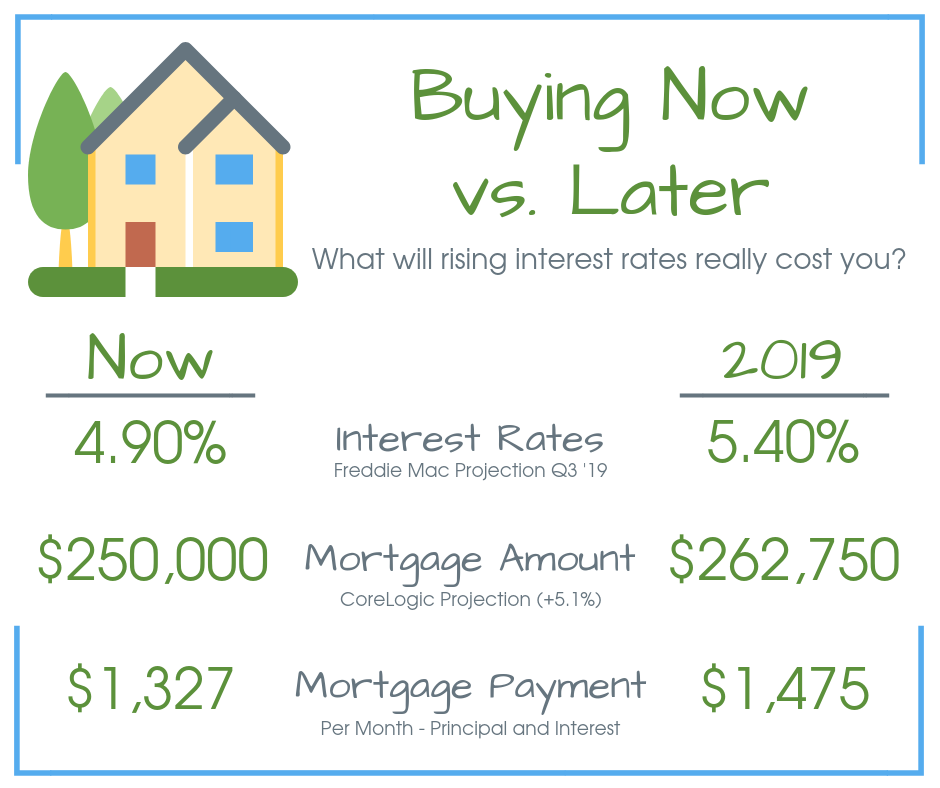
Interest rates also dictate how much “house” you can afford. When rates rise, your monthly payment for the same loan amount increases. To keep the monthly payment within your budget, you must borrow less. For many buyers, a significant rise in interest rates can mean the difference between buying a detached single-family home and a smaller condominium, or being priced out of certain neighborhoods entirely.
Strategies to Secure the Best Possible Rate
Because the stakes are so high, savvy borrowers take proactive steps to ensure they are receiving the most competitive terms available in the market.
Rate Locks and Timing the Market
Mortgage rates can change multiple times in a single day. Once you have found a rate you are comfortable with, you can request a “rate lock.” This is an agreement between you and the lender that guarantees your interest rate for a specific period (usually 30 to 60 days) while your loan is being processed. This protects you from market volatility during the closing process.
Buying Down the Rate with Points
Borrowers often have the option to “buy down” their interest rate by paying “discount points” at closing. One point typically costs 1% of the total loan amount and reduces the interest rate by a predetermined increment (often 0.25%). This is essentially prepaying interest. If you plan to stay in the home for a long time, the monthly savings generated by the lower rate will eventually exceed the upfront cost of the points, a moment known as the “break-even point.”
The Importance of Shopping Around
Perhaps the most effective strategy is the simplest: shop around. Different lenders—ranging from big national banks to local credit unions and online mortgage brokers—have different overhead costs and risk tolerances. By obtaining Loan Estimates from at least three different lenders, you can leverage their offers against one another. Even a reduction of 0.125% can lead to significant savings over the decades of homeownership.
In conclusion, the mortgage interest rate is more than just a number on a contract; it is a dynamic force that shapes your financial future. By understanding how these rates are built and what you can do to influence them, you transform from a passive borrower into an informed investor, ensuring that your home remains an asset rather than a financial burden.
aViewFromTheCave is a participant in the Amazon Services LLC Associates Program, an affiliate advertising program designed to provide a means for sites to earn advertising fees by advertising and linking to Amazon.com. Amazon, the Amazon logo, AmazonSupply, and the AmazonSupply logo are trademarks of Amazon.com, Inc. or its affiliates. As an Amazon Associate we earn affiliate commissions from qualifying purchases.