
The digital transformation of the travel industry has shifted the power of flight acquisition from specialized travel agents directly into the hands of the consumer. Today, buying an airline ticket online is a sophisticated interaction with complex global distribution systems, real-time data processing, and high-level cybersecurity protocols. Understanding the technical landscape of this process is essential for any modern traveler looking to navigate the web efficiently and securely.
Understanding the Digital Infrastructure of Air Travel
To effectively buy airline tickets online, one must first understand the ecosystem that powers these transactions. At the core of the industry are Global Distribution Systems (GDS), such as Amadeus, Sabre, and Travelport. These are massive computer networks that consolidate data from hundreds of airlines, hotels, and car rental companies. When you search for a flight, the website you are using acts as an interface that queries these databases in milliseconds.
Meta-Search Engines vs. Online Travel Agencies (OTAs)
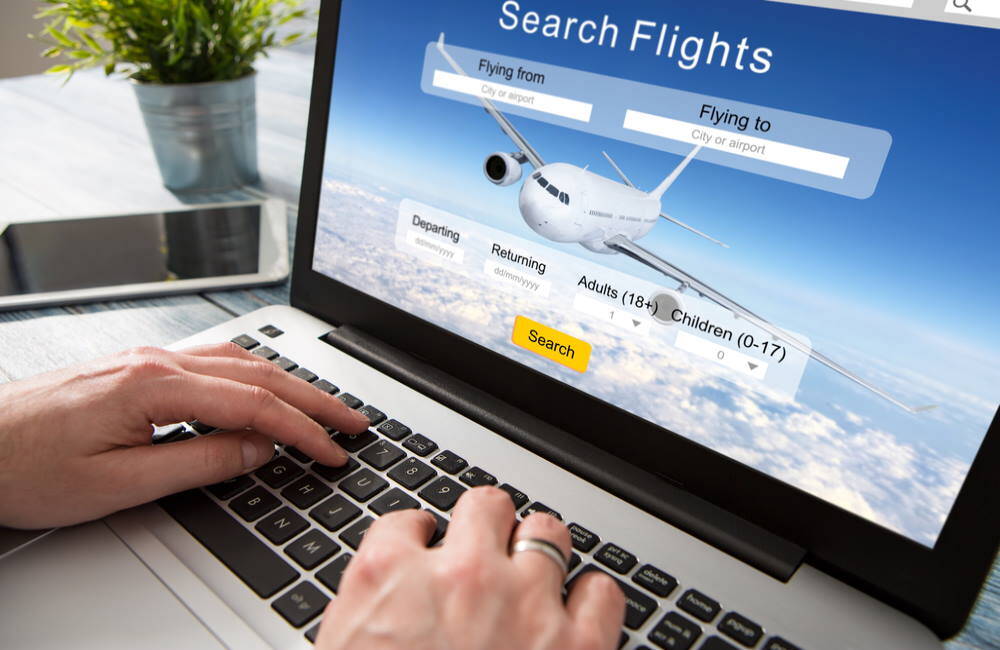
The first step in the technical journey is choosing the right type of platform. Meta-search engines, such as Google Flights, Skyscanner, or Kayak, act as advanced aggregators. They do not sell the tickets themselves; instead, they use Application Programming Interfaces (APIs) to crawl various sources and present a unified view of available fares. When you select a flight, they redirect you to the airline’s official site or an OTA to complete the purchase.
Online Travel Agencies, such as Expedia, Booking.com, or Orbitz, function differently. They are digital retailers that often have their own inventory or pre-negotiated rates. Unlike meta-search engines, OTAs handle the transaction on their own servers. For a user, the choice between the two often comes down to the complexity of the itinerary; meta-search engines are superior for transparency, while OTAs can sometimes offer “hacker fares” by combining tickets from different carriers into a single checkout process.
The Role of Direct-to-Consumer Portals
While aggregators provide breadth, many tech-savvy users prefer booking directly through airline portals. Airlines have invested heavily in Direct Distribution, bypassing GDS fees to offer exclusive perks. These portals often provide the most stable user experience, as there is no middleman software between the passenger’s data and the airline’s reservation system. This direct link simplifies technical updates to your itinerary, such as seat selection, meal preferences, and real-time flight notifications.
Mastering Search Engines and Comparison Algorithms
The pricing of airline tickets is governed by dynamic pricing algorithms. These are sophisticated AI-driven models that adjust fares based on supply, demand, historical data, and even user behavior. To buy tickets online effectively, a user must understand how to interact with these algorithms.
Managing Digital Footprints and Cookies
There is a long-standing debate in the tech community regarding the impact of browser cookies on flight pricing. While many airlines deny using “predictive profiling” to raise prices for repeat visitors, the technical reality is that websites use tracking scripts to monitor user intent. To ensure you are seeing the most objective data, it is a best practice to use “Incognito” or “Private” browsing modes. This prevents the site from accessing your previous search history and potentially adjusting the yield management parameters based on your perceived urgency.
Leveraging Predictive Analytics
Modern flight search tools now integrate predictive analytics. Services like Hopper or Google Flights utilize machine learning to analyze trillions of historical price points. These tools can inform a user whether to “Buy Now” or “Wait,” based on the high probability of a price drop. By utilizing these AI-driven insights, users can move beyond manual searching and rely on data-science-backed recommendations.
Utilizing VPNs for Geo-Pricing
Airlines often implement localized pricing based on the IP address of the user. For example, a flight booked from a high-income region might be priced differently than the same flight booked from the destination country. Technically proficient users often utilize Virtual Private Networks (VPNs) to mask their location or appear as if they are browsing from a different country. This allows users to bypass regional price discrimination and access “Point of Sale” discounts that are not available in their home market.
Security Protocols and Safe Online Transactions
Buying an airline ticket involves transmitting highly sensitive information, including passport details and financial credentials. Ensuring the security of this digital transaction is paramount.
Identifying Secure Gateways

Before entering any data, verify that the website uses Transport Layer Security (TLS) or Secure Sockets Layer (SSL) encryption. This is indicated by the “https://” prefix and the padlock icon in the browser’s address bar. These protocols ensure that the data transmitted between your device and the server is encrypted and cannot be intercepted by third parties.
Payment Security and Virtual Cards
The checkout phase is the most vulnerable point of the online booking process. To mitigate risk, many users are moving away from traditional credit cards in favor of digital wallets like Apple Pay or Google Pay. These services use “tokenization,” where your actual card number is never shared with the merchant. Instead, a unique one-time token is generated for the transaction. Additionally, using virtual credit cards—temporary numbers generated through banking apps—provides an extra layer of defense, as these numbers can be set to expire immediately after the ticket is purchased.
Avoiding Phishing and Fraudulent Sites
As the travel industry is a high-value target for cybercriminals, “spoof” websites are a significant risk. These sites mimic the design of major airlines or OTAs to steal credentials. Always verify the domain name carefully. Be wary of “too good to be true” prices found on social media ads or unsolicited emails. Utilizing a password manager and enabling Multi-Factor Authentication (MFA) on your airline accounts are essential technical hurdles that protect your digital identity and your booked assets.
The Evolution of Mobile Integration and E-Ticketing
The completion of an online purchase is no longer the end of the technical journey. The modern airline ticket exists primarily as a digital entity, managed through mobile ecosystems.
The Power of Airline Apps
Most major carriers have transitioned to “Mobile-First” strategies. Their dedicated apps provide a more streamlined interface than their web counterparts. These apps utilize push notifications to alert users of gate changes, delays, or upgrade opportunities. Furthermore, many airlines offer “App-Only” fares or loyalty bonuses to encourage users to stay within their proprietary digital environment.
Understanding the E-Ticket and QR Standards
When you buy a ticket online, you are essentially purchasing a record in a database, known as an Electronic Ticket (e-Ticket). This record is linked to a unique six-character alphanumeric code called the Passenger Name Record (PNR).
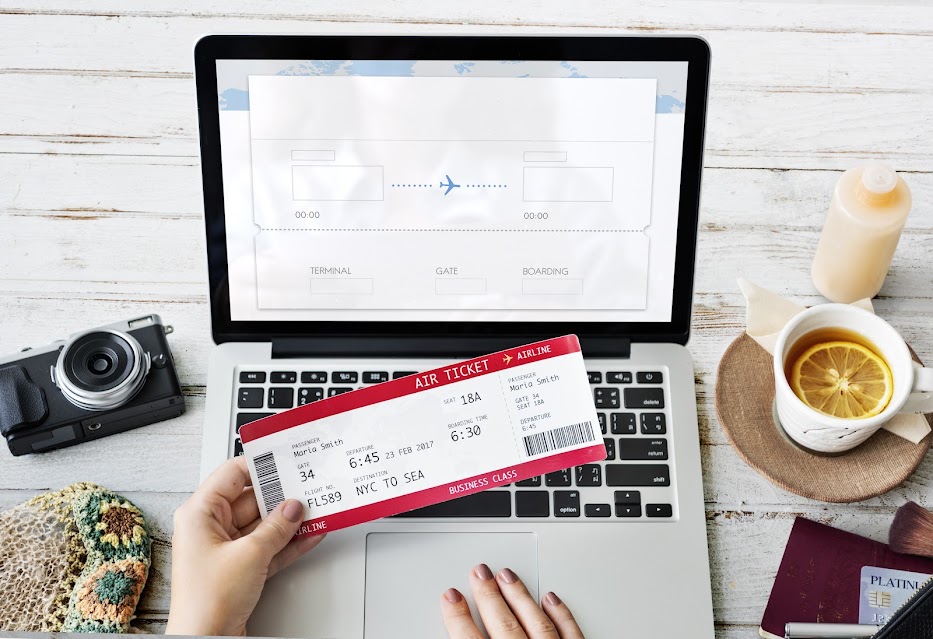
The physical manifestation of this digital record is the mobile boarding pass. These are typically delivered as high-density QR codes. These codes follow the BCBP (Bar Coded Boarding Pass) standard, which allows them to be read by scanners at security checkpoints and boarding gates worldwide. Integrating these passes into digital wallets like Apple Wallet or Google Wallet ensures that the ticket is accessible offline and can be synchronized across multiple devices, such as smartwatches.
Artificial Intelligence and the Future of Flight Acquisition
The process of buying airline tickets online is currently entering its next phase of evolution: the integration of Generative AI and Natural Language Processing (NLP).
Conversational Commerce
We are seeing a move toward conversational booking interfaces. Instead of toggling filters and dates, users can interact with AI chatbots that understand complex queries like, “Find me a flight to Europe next month for under $800 that has good Wi-Fi and avoids long layovers.” These bots utilize Large Language Models (LLMs) to parse user intent and interface with GDS back-ends to provide curated results.
Personalized Technical Offers
Airlines are increasingly using New Distribution Capability (NDC), a dynamic technical standard based on XML. This allows airlines to move away from static fare classes and offer personalized “bundles” directly to the user. For instance, if the system recognizes a user as a business traveler via their login credentials, it may automatically bundle high-speed Wi-Fi and lounge access into the initial price quote. This level of technical personalization is fundamentally changing how “value” is calculated during the online booking process.
Blockchain and Decentralized Ticketing
While still in the nascent stages, blockchain technology is being explored as a way to handle ticket transfers and cancellations. By turning an airline ticket into a non-fungible token (NFT) or a digital asset on a private ledger, the industry could theoretically allow for secure, peer-to-peer ticket reselling or instant, automated refunds via smart contracts. This would eliminate many of the technical frictions currently associated with changing or canceling a flight online.
By mastering the tools, understanding the underlying data structures, and maintaining rigorous digital security, travelers can navigate the complex world of online airline ticketing with professional-grade efficiency. The digital landscape is always shifting, but a technical approach to booking ensures you remain in control of the transaction from the first search to the final boarding gate.
aViewFromTheCave is a participant in the Amazon Services LLC Associates Program, an affiliate advertising program designed to provide a means for sites to earn advertising fees by advertising and linking to Amazon.com. Amazon, the Amazon logo, AmazonSupply, and the AmazonSupply logo are trademarks of Amazon.com, Inc. or its affiliates. As an Amazon Associate we earn affiliate commissions from qualifying purchases.