
In an era defined by data and digital innovation, understanding and managing our caloric intake has evolved far beyond rudimentary estimates. The question “how to calculate how many calories you need” now finds its most sophisticated answers within the realm of technology. From intuitive mobile applications to advanced wearable devices and AI-powered platforms, tech solutions have transformed this complex nutritional science into an accessible, actionable, and often automated process. This article explores how technology empowers individuals to accurately determine and manage their caloric needs, fostering a more informed and proactive approach to health and well-being.
The Foundational Science of Calorie Needs and Tech’s Role in Measurement
Before diving into the digital tools, it’s crucial to grasp the basic scientific principles governing human energy requirements. Every individual has a unique caloric need, influenced by a multitude of factors. Technology doesn’t replace this science but rather provides efficient, often real-time, means to apply and personalize it.
Understanding Basal Metabolic Rate (BMR) and Total Daily Energy Expenditure (TDEE)
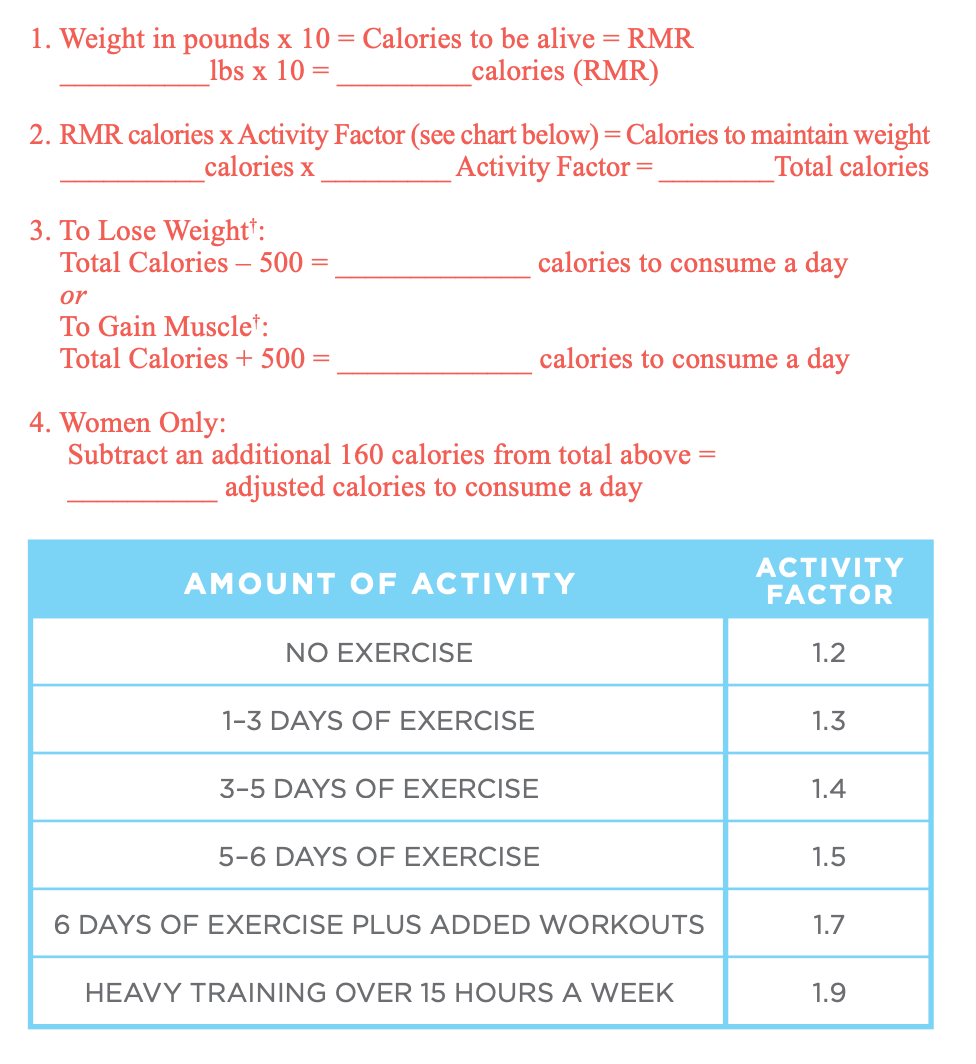
At the core of calorie calculation lies the Basal Metabolic Rate (BMR) – the number of calories your body burns at rest to maintain vital functions like breathing, circulation, and cell production. Historically, BMR was estimated using formulas like the Harris-Benedict equation or the more modern Mifflin-St Jeor equation, which consider age, gender, weight, and height. These formulas, while foundational, are now seamlessly integrated into virtually every online calorie calculator, fitness app, and health platform. Users simply input their basic metrics, and the underlying algorithms instantly compute their BMR, eliminating manual calculations and potential errors.
Beyond BMR, the Total Daily Energy Expenditure (TDEE) accounts for all the calories burned throughout the day, including physical activity. This involves multiplying the BMR by an activity factor (e.g., sedentary, lightly active, moderately active, very active). Again, technology automates this. Instead of subjective activity assessments, modern apps and online tools often provide detailed activity factor scales or even dynamically adjust based on integrated data from fitness trackers, offering a far more precise TDEE estimate without any manual effort.
Beyond Simple Formulas: Factors Influencing Individual Needs
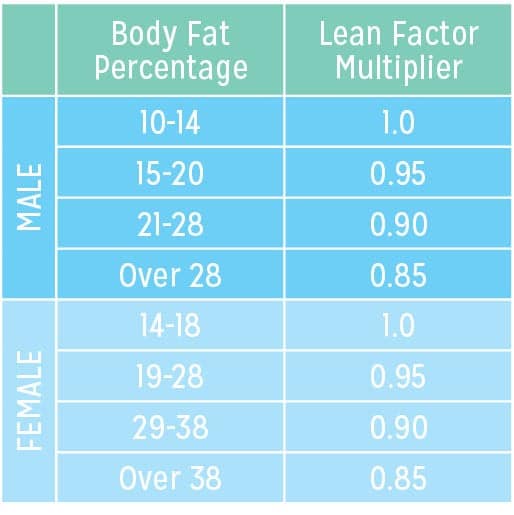
While BMR and TDEE formulas provide a solid baseline, individual caloric needs are also influenced by body composition (muscle vs. fat mass), metabolic efficiency, thermic effect of food (TEF), and even environmental factors. Traditional methods struggled to account for these nuances. This is where advanced technology truly shines. Smart scales now provide detailed body composition analysis (body fat percentage, muscle mass, water content), which can feed directly into sophisticated algorithms to refine BMR estimates. Some cutting-edge apps and wearables are starting to incorporate data points like sleep quality, stress levels (via heart rate variability), and even environmental temperature, recognizing their subtle but significant impact on energy expenditure and caloric requirements. This evolution moves beyond generic averages to provide a truly personalized calorie estimation.
Leveraging Digital Tools and Software for Accurate Estimates
The digital age has ushered in an era of unprecedented access to tools that simplify and enhance calorie calculation. From comprehensive tracking apps to specialized AI platforms, these technologies put precise nutritional data at users’ fingertips.
Dedicated Calorie-Tracking Apps: Features and Functionality
Mobile applications have become the cornerstone of personal calorie management. Apps like MyFitnessPal, Lose It!, Cronometer, and MacroFactor offer a robust suite of features designed to make calorie tracking efficient and insightful. Their core functionality includes vast food databases, often containing millions of items with detailed nutritional information, including macronutrients (proteins, fats, carbohydrates) and micronutrients.
Key tech features in these apps include:
-
Barcode Scanners: Instantly log packaged foods by simply scanning their barcode, pulling up nutritional data directly.
-
Meal Logging: Allow users to search for and log individual ingredients or entire meals, with AI often learning user habits for quicker future logging.
-
Recipe Builders: Enable users to input ingredients for homemade meals and calculate the nutritional content per serving.
-
Restaurant Databases: Provide nutritional information for popular restaurant chains, simplifying logging when dining out.
-
Goal Setting and Progress Tracking: Users can set calorie and macro goals, track their intake against these goals, and visualize progress over time through charts and graphs.
-
Community Features: Many apps include social components, allowing users to share progress, challenges, and support.
These apps serve as powerful digital diaries, providing a granular look at dietary intake and ensuring calculations are based on actual consumption, not just theoretical estimates.
Online Calculators and Web-Based Platforms
For those seeking quick estimates without the commitment of a full tracking app, a plethora of online calorie calculators and web-based platforms offer instant gratification. These tools are typically free and require users to input basic information (age, gender, weight, height, activity level) to generate BMR and TDEE figures. Websites like the USDA’s MyPlate or various fitness-oriented sites provide simple interfaces that quickly crunch the numbers. While not as granular as dedicated apps, they are invaluable for initial assessments or quick reference, providing an accessible entry point into understanding one’s caloric needs. Their simplicity and ease of access make them popular for initial exploration, often serving as a gateway to more comprehensive digital tools.
AI-Powered Nutrition Platforms for Personalized Insights
The frontier of calorie management is increasingly being shaped by Artificial Intelligence. AI-powered nutrition platforms go beyond simple tracking, offering predictive and prescriptive insights. These tools leverage machine learning algorithms to analyze a user’s logged food intake, activity data (often synced from wearables), and even historical trends to provide highly personalized recommendations.
Examples of AI integration include:
-
Smart Meal Planning: AI can generate personalized meal plans that adhere to specific calorie and macro targets, dietary preferences (e.g., vegetarian, keto), and even budget constraints.
-
Food Recognition: Some apps utilize image recognition AI, allowing users to simply photograph their meals for automatic identification and logging of ingredients and portion sizes, significantly reducing manual data entry.
-
Adaptive Recommendations: AI can learn how a user’s body responds to different food types and activity levels, dynamically adjusting calorie and macro recommendations over time for optimal results.
-
Metabolic Modeling: Advanced AI might attempt to model a user’s individual metabolism, predicting how different nutritional strategies will impact weight, energy levels, and body composition.
-
Behavioral Nudging: AI can provide timely reminders, motivational messages, or insights into eating patterns, helping users build healthier habits.
These AI tools aim to move beyond mere data collection, transforming raw numbers into actionable, intelligent guidance.
Wearable Technology: Real-Time Data for Dynamic Adjustments
Wearable technology has revolutionized how we measure physical activity and, consequently, how we refine our calorie expenditure calculations. These devices provide a continuous stream of biometric data, offering a dynamic and often more accurate picture than static formulas.
Fitness Trackers and Smartwatches: Monitoring Activity and Energy Burn
Devices like Fitbit, Apple Watch, Garmin, and Whoop have become ubiquitous. Their core function in calorie calculation revolves around tracking physical activity and estimating energy expenditure. They achieve this through:
-
Accelerometer and Gyroscope: Detect movement, steps taken, and distance covered.
-
Heart Rate Sensors: Continuously monitor heart rate, which is a key indicator of exercise intensity and calorie burn. More advanced sensors provide greater accuracy.
-
GPS: Precisely track outdoor activities like running and cycling, calculating distance and elevation changes for improved calorie estimates.
-
VO2 Max Estimation: Some wearables estimate VO2 Max (maximal oxygen consumption), a robust indicator of cardiovascular fitness, which can inform more personalized calorie expenditure calculations.
-
Sleep Tracking: Monitoring sleep patterns provides insights into recovery and overall well-being, indirectly influencing daily energy needs.

By continuously monitoring these metrics, wearables offer a more granular and real-time estimate of calories burned throughout the day, far surpassing the accuracy of subjective activity factors in traditional formulas.
Integration with Calorie-Tracking Apps: A Seamless Ecosystem
The true power of wearables in calorie management emerges when they seamlessly integrate with dedicated calorie-tracking apps. This integration creates a dynamic feedback loop:
-
Wearable collects activity data: Steps, heart rate, workout duration, intensity, and estimated calories burned.
-
Data syncs to tracking app: The app automatically adjusts the user’s TDEE based on the actual activity levels recorded by the wearable.
-
App updates calorie budget: The daily calorie target dynamically shifts to account for increased or decreased energy expenditure, providing a more precise “calories remaining” figure.
This synchronization eliminates manual data entry for activity and ensures that dietary intake is aligned with actual energy output, leading to more accurate progress toward health goals.
The Future of Wearables: Advanced Biometrics and Predictive Analytics
The evolution of wearable technology promises even greater precision in calorie calculation. Future wearables are expected to incorporate more sophisticated biometric sensors and advanced analytics:
-
Continuous Glucose Monitoring (CGM): Integrating CGM data could provide insights into how different foods affect blood sugar levels and energy utilization.
-
Body Temperature and Sweat Analysis: These could offer further metabolic insights and improve exercise calorie burn estimates, especially in varying environmental conditions.
-
Electrodermal Activity (EDA) Sensors: Monitoring skin conductance for stress levels, recognizing the impact of stress on metabolism and energy demands.
-
Advanced Biometric Fusion: Combining multiple data streams (heart rate, movement, temperature, sleep, glucose) with AI to create a truly individualized metabolic profile that constantly adapts.
-
Predictive Analytics: Not just showing current data, but predicting future energy needs based on upcoming schedule, sleep patterns, and stress indicators.
These advancements will allow for an unprecedented level of personalization, moving from simply tracking to truly understanding and predicting individual energy dynamics.
The Promise and Perils of Tech-Driven Calorie Management
While technology offers immense advantages in calculating and managing calorie needs, it’s essential to approach its use with awareness of both its benefits and potential drawbacks.
Enhancing Accuracy and Motivation Through Gamification and Feedback
The primary promise of tech in calorie management is enhanced accuracy. By automating calculations, integrating real-time data from wearables, and leveraging vast food databases, technology drastically reduces the margin of error inherent in manual methods. This precision leads to more effective and sustainable results for individuals pursuing weight management, muscle gain, or simply improved health.
Beyond accuracy, technology excels at motivation. Gamification features (badges, streaks, challenges), progress visualizations (charts, graphs), and immediate feedback loops (calories remaining, macro breakdowns) can keep users engaged and accountable. Many apps also foster community support, allowing users to share their journeys and find encouragement, transforming a solitary endeavor into a more social and motivating experience.
Addressing Data Privacy and Information Overload
However, the extensive data collection inherent in these technologies raises significant privacy concerns. Personal health information, including dietary habits, activity levels, and biometric data, is highly sensitive. Users must be diligent in understanding privacy policies and choosing reputable platforms. There’s also the risk of information overload; the sheer volume of data presented by some apps can be overwhelming, potentially leading to analysis paralysis rather than actionable insights.
Another potential pitfall is the development of an unhealthy obsession with numbers. While tracking can be empowering, constantly monitoring every calorie, macro, and step can foster anxiety, disordered eating patterns, and a disconnect from intuitive eating signals. Technology should be a tool for empowerment, not a source of unhealthy fixation.
The Importance of Human Guidance and Interpretation
Crucially, technology should be viewed as an incredibly powerful assistant, not a replacement for professional human guidance. Nutritionists, dietitians, and medical professionals bring invaluable expertise, nuance, and personalized context that no algorithm can fully replicate. They can interpret complex data, address underlying health conditions, and provide psychological support that tech cannot. For individuals with specific health concerns, eating disorders, or complex dietary needs, professional oversight is paramount, with technology serving as a supportive data-collection and tracking tool.
Implementing Technology for Sustainable Calorie Management
To truly benefit from technological advancements in calorie calculation, a thoughtful and strategic approach is required.
Choosing the Right Tools for Your Goals
The market is saturated with options, so selecting the right tech stack is critical. Consider your specific goals:
-
Weight Loss/Gain: Look for apps with strong calorie/macro tracking, goal setting, and progress visualization features.
-
Fitness Performance: Prioritize wearables that accurately track various workout types, heart rate zones, and recovery metrics, integrating with apps that adjust calorie needs based on intense training.
-
General Wellness: Simpler apps or smart scales might suffice for general awareness and trend tracking.
-
Dietary Restrictions/Allergies: Ensure the app’s food database is comprehensive and allows for filtering based on dietary needs.
Experiment with different apps and wearables during free trials to find interfaces and functionalities that resonate with your personal style and commitment level.
Best Practices for Data Entry and Interpretation
The accuracy of tech-driven calorie calculations is only as good as the data entered.
-
Be Honest and Consistent: Log all food and beverages accurately and consistently. Use measuring tools initially to improve portion size estimation.
-
Understand Trends, Not Just Daily Numbers: Don’t get fixated on daily fluctuations. Look at weekly or monthly averages and trends to assess progress and make adjustments.
-
Cross-Reference Data: If a wearable’s calorie burn estimate seems unusually high or low, consider its accuracy or compare it with other methods.
-
Periodic Review: Regularly review your calorie goals and activity levels. As your body changes or your fitness level improves, your caloric needs will also evolve.
Integrating Tech with a Holistic Approach to Health
Ultimately, technology is a means to an end: better health. It should integrate seamlessly into a broader, holistic approach that includes mindful eating, regular physical activity, adequate sleep, and stress management. Use the data technology provides to inform your choices, but don’t let it overshadow your intuition or enjoyment of food and life. The goal is to cultivate a sustainable, balanced relationship with food and fitness, where technology serves as an enabler for informed decisions, leading to lasting well-being. By harnessing the power of modern digital tools responsibly, individuals can precisely calculate their caloric needs and embark on a more effective journey toward their health aspirations.
aViewFromTheCave is a participant in the Amazon Services LLC Associates Program, an affiliate advertising program designed to provide a means for sites to earn advertising fees by advertising and linking to Amazon.com. Amazon, the Amazon logo, AmazonSupply, and the AmazonSupply logo are trademarks of Amazon.com, Inc. or its affiliates. As an Amazon Associate we earn affiliate commissions from qualifying purchases.