
Thanksgiving dinner is more than just a meal; it’s a cherished tradition, a culinary marathon, and for many, a significant financial undertaking. When we ask “what is a good menu for Thanksgiving dinner,” the answer often extends beyond mere taste preferences to include considerations of budget, value, and financial wellness. In an era where household budgets are increasingly scrutinized, crafting a Thanksgiving menu that is both delicious and fiscally responsible is a skill every host can cultivate. This article delves into how to curate a Thanksgiving spread that satisfies both the palate and the purse, ensuring a celebration that is rich in tradition, not just expense.
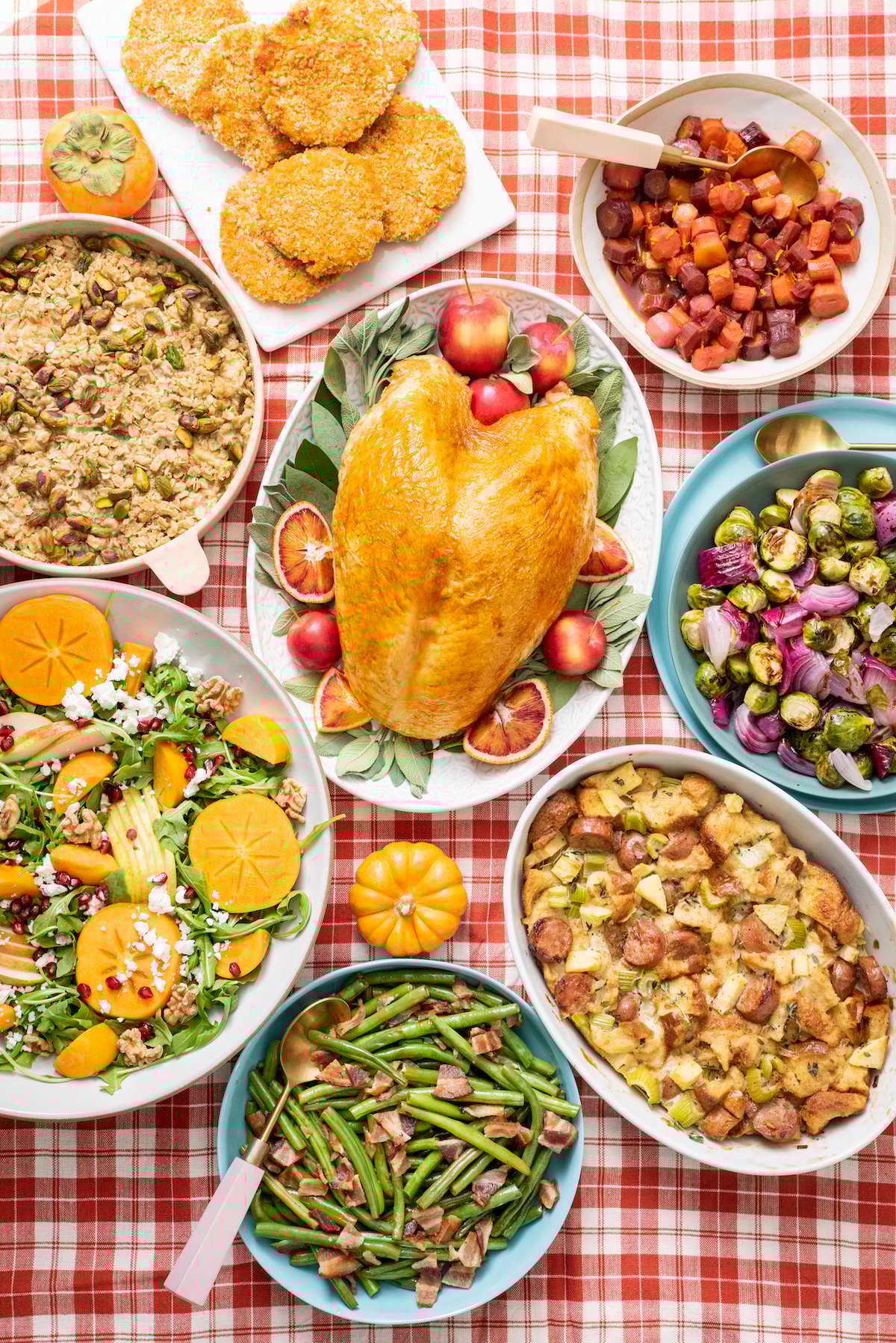
The Financial Blueprint of a Memorable Thanksgiving Meal
Before a single ingredient is purchased or a dish conceived, the most crucial step in crafting a “good” Thanksgiving menu from a financial standpoint is to establish a clear budget. Without a financial roadmap, even the best intentions can lead to overspending and post-holiday regret.
Setting a Realistic Budget for Your Holiday Table
The average cost of a Thanksgiving dinner can vary wildly depending on guest count, regional prices, and ingredient choices (organic vs. conventional, gourmet vs. standard). According to various financial surveys, the cost for a traditional Thanksgiving meal for ten people often hovers between $50 and $70 for ingredients alone, but this figure can easily double or triple with premium choices, added beverages, and non-food items.
A realistic budget starts with assessing your financial capacity. How much can you comfortably allocate to this meal without impacting other financial goals or incurring debt? Once a total figure is set, break it down: allocate percentages to the main protein, side dishes, desserts, beverages, and potentially non-food items like decorations or serving supplies. This proactive approach allows you to make informed decisions from the outset, rather than reacting to price tags at the grocery store. Consider using a simple spreadsheet or a budgeting app to track your planned versus actual spending.
Balancing Tradition with Fiscal Prudence
Thanksgiving is steeped in tradition, and for many, certain dishes are non-negotiable. The challenge lies in honoring these culinary staples without letting sentiment derail your budget. Prioritize the “must-have” items that define Thanksgiving for your family – perhaps it’s the turkey, grandma’s stuffing recipe, or a specific pie. For these items, you might allocate a slightly larger portion of your budget.
For other dishes, consider where you can implement cost-saving measures without sacrificing the spirit of the meal. Do you truly need six different side dishes, or could three well-executed, budget-friendly options suffice? Could you make your own cranberry sauce for a fraction of the cost of store-bought gourmet versions? By consciously evaluating each menu item through the lens of both tradition and cost-effectiveness, you can create a menu that feels abundant and celebratory without overextending your finances. This balance is key to a “good” menu that offers both emotional and financial satisfaction.
Strategic Shopping: Maximizing Value Without Compromising Quality
Once your budget is set and your menu mapped out, the next critical phase is the shopping. This is where strategic decisions can significantly impact the final cost, proving that a good menu isn’t just about what you cook, but how you buy the ingredients.
Savvy Sourcing: From Discounts to DIY
One of the most effective ways to save money on Thanksgiving ingredients is to start early and be opportunistic. Keep an eye out for early bird deals on turkeys, which often begin several weeks before the holiday. Bulk buying non-perishable staples like flour, sugar, or canned goods when they are on sale can also yield significant savings. Price comparison across different stores is invaluable; a particular supermarket might have the best deal on produce, while another offers a superior price on dairy or frozen items. Don’t be afraid to visit multiple locations if the savings justify the extra effort.
Furthermore, embracing the Do-It-Yourself (DIY) ethos can be a major budget booster. While pre-made items offer convenience, they almost always come with a premium. Making your own pie crusts, stuffing mix, or gravy from scratch, for example, not only saves money but often results in a fresher, more flavorful product. Even small DIY efforts, like washing and chopping your own vegetables instead of buying pre-cut, can add up.
Ingredient Selection: Cost-Effective Substitutions and Smart Choices
A “good” menu doesn’t demand the most expensive ingredients; it demands smart ones. For the main protein, while turkey is traditional, consider the size relative to your guest count. A smaller bird, or even opting for just a turkey breast, can be significantly cheaper if you’re hosting a smaller gathering. Alternatively, some families choose more budget-friendly proteins like ham or pork roast, especially if turkey prices soar.
For side dishes, focus on in-season produce, which is typically more affordable and at its peak freshness. Potatoes, sweet potatoes, squash, apples, and cranberries are often abundant and reasonably priced in the fall. Don’t shy away from generic or store-brand versions of pantry staples like spices, broth, and canned vegetables; often, the quality is comparable to name brands, but the price point is noticeably lower. By being flexible and informed in your ingredient selection, you can maintain quality and flavor without inflating your grocery bill.
Crafting a “Good” Menu: Value-Driven Culinary Decisions
The core of a Thanksgiving menu lies in its dishes. Here, “good” isn’t just about taste, but about making choices that deliver maximum value, both culinarily and financially. Every dish can be an opportunity to demonstrate smart planning and thoughtful execution.

The Main Event: Turkey and Alternatives
The turkey is undeniably the centerpiece, and its cost per pound is a primary driver of the overall budget. If your budget is tight, consider a frozen turkey, which is often less expensive than fresh, and plan for adequate thawing time. As mentioned, for smaller gatherings, a turkey breast or even a rotisserie chicken can be a more economical and manageable option, especially when paired with plenty of hearty sides. If you decide to go with a full bird, maximize its value by planning for leftovers, which can extend the enjoyment of your meal for days through sandwiches, soups, and casseroles. This stretches your initial investment further.
Sides That Shine (Without Breaking the Bank)
Side dishes are where creativity and cost-effectiveness can truly intersect. Focus on staple vegetables that are inherently affordable and versatile. Potatoes, in their myriad forms (mashed, roasted, au gratin), offer excellent value. Sweet potatoes, green beans, and corn can be prepared in various delicious ways without requiring expensive ingredients.
For dishes like stuffing or dressing, making it from scratch using day-old bread, celery, onions, and herbs is incredibly budget-friendly compared to boxed mixes. Gravy, too, is almost always more flavorful and cheaper when made from turkey drippings and a few pantry staples. Portion control for sides can also minimize waste; it’s better to make slightly less and have guests ask for more than to have copious amounts thrown away. Consider which sides are truly beloved and which might be superfluous.
Dessert Delights: Sweet Endings on a Budget
Desserts are the grand finale, and here too, smart choices can prevent overspending. Classic Thanksgiving pies – pumpkin, apple, pecan – are often more cost-effective to bake from scratch than elaborate cakes or gourmet store-bought pastries. The ingredients are generally inexpensive, and the satisfaction of homemade is immeasurable. If baking isn’t your forte, consider a dessert potluck where guests contribute a dish, spreading the financial burden and adding variety to the spread. Simple fruit crisps or crumbles also offer a delightful and budget-friendly alternative to complex desserts.
Beyond the Plate: Hidden Costs and Smart Savings
Thanksgiving isn’t just about the food. There are often ancillary costs that can quickly inflate the overall expense if not planned for. A “good” menu considers the entire event, not just the edible components.
Drinks, Decorations, and Disposable Dilemmas
Beverages can add a significant sum to your bill. Decide whether to offer alcoholic drinks, and if so, consider a signature cocktail or specific wine/beer options rather than a full open bar. For non-alcoholic options, water, iced tea, and homemade lemonade are far more economical than a wide array of sodas and juices.
Decorations don’t have to be expensive. Utilize natural elements like autumn leaves, small gourds, or pinecones from your yard. Reusing decorations from previous years or crafting simple DIY centerpieces can save a substantial amount. Similarly, consider the “disposable dilemma.” While disposable plates and cutlery offer convenience, reusable options, though requiring cleanup, are far more environmentally friendly and cost-effective in the long run. If disposables are necessary, look for sales and buy in bulk.
Leveraging Technology for Financial Efficiency
In today’s digital age, technology offers numerous tools to help manage your Thanksgiving budget. Meal planning apps can help you build your menu and generate grocery lists, making it easier to stick to your plan. Coupon apps and digital flyers from grocery stores can highlight current sales and deals. Online price comparison tools can help you find the best prices for specific ingredients or even appliances if you’re upgrading your kitchenware. By strategically using these resources, you can ensure that you’re getting the most value for every dollar spent.
The Return on Investment: More Than Just Money
Ultimately, a “good” menu for Thanksgiving, when viewed through a financial lens, offers a profound return on investment that extends beyond monetary savings. It’s about cultivating a deeper sense of appreciation and reducing stress.
The Value of Time and Effort
While saving money is crucial, it’s also important to acknowledge the value of your time and effort. Sometimes, spending a little more on a particular item – perhaps a pre-chopped vegetable mix or a semi-prepared dessert – can significantly reduce stress and free up valuable time, especially for busy hosts. Delegating tasks to guests, such as asking them to bring a side dish or dessert, not only spreads the financial burden but also the workload, allowing you to focus on the main dishes and enjoy the company. A truly “good” menu finds a balance between financial frugality and the preservation of your sanity and enjoyment of the holiday.
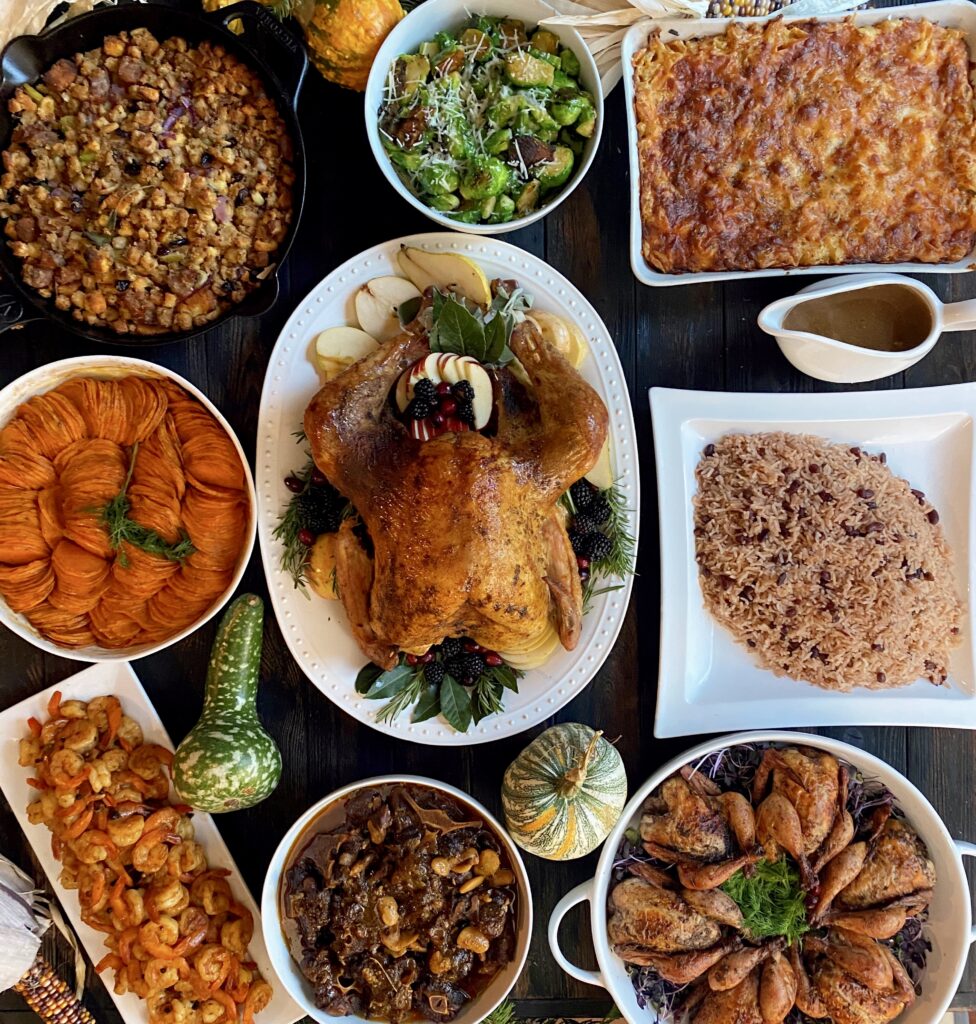
Fostering Financial Wellness Through Holiday Planning
A financially well-planned Thanksgiving dinner contributes directly to overall financial wellness. By avoiding overspending and post-holiday debt, you mitigate a common source of stress and can enter the new year on a stronger financial footing. Furthermore, involving family members in the budgeting and planning process can be an excellent opportunity to teach younger generations about smart spending, value, and the true meaning of abundance – which isn’t about extravagance, but about thoughtful provision and shared joy. The richness of a well-planned, financially responsible celebration often far outweighs the fleeting pleasure of an over-budgeted one, leaving you with lasting memories and a healthy bank account.
aViewFromTheCave is a participant in the Amazon Services LLC Associates Program, an affiliate advertising program designed to provide a means for sites to earn advertising fees by advertising and linking to Amazon.com. Amazon, the Amazon logo, AmazonSupply, and the AmazonSupply logo are trademarks of Amazon.com, Inc. or its affiliates. As an Amazon Associate we earn affiliate commissions from qualifying purchases.