
The acronym MERV, standing for Minimum Efficiency Reporting Value, is a critical metric that often appears on air filters, yet its precise meaning and implications can be a source of confusion for many consumers. In the realm of home and building HVAC (Heating, Ventilation, and Air Conditioning) systems, air filters play an indispensable role in maintaining indoor air quality, protecting equipment, and ensuring optimal system performance. Understanding MERV ratings is not merely a technical detail; it’s a key to making informed decisions that impact your health, your comfort, and the longevity of your HVAC investment. This article will delve into the intricacies of MERV ratings, demystifying their significance and providing practical guidance for selecting the right air filter for your specific needs.

Understanding the MERV Scale and Its Significance
The MERV rating system, developed by the American Society of Heating, Refrigerating and Air-Conditioning Engineers (ASHRAE), provides a standardized method for comparing the effectiveness of different air filters. The scale ranges from 1 to 20, with higher numbers indicating a greater ability to capture airborne particles. This seemingly simple numerical value, however, represents a complex interplay of particle size, filtration efficiency, and airflow resistance, all of which contribute to the overall performance of an HVAC system and the quality of the air circulating within a space.
How MERV Ratings Are Determined
MERV ratings are not arbitrary. They are established through rigorous laboratory testing that measures a filter’s ability to capture particles of various sizes. Filters are subjected to controlled airflow conditions, and their efficiency in removing specific particle diameters is meticulously recorded. This process ensures that the MERV rating is a reliable indicator of a filter’s performance in real-world applications.
The testing protocols specifically target a range of common airborne contaminants, including dust mites, pollen, mold spores, pet dander, bacteria, and even some viruses and soot. The efficiency is typically measured for particles in the 0.3 to 10.0 micron range. A micron is a unit of length equal to one-millionth of a meter, highlighting the incredibly small size of the particles that these filters are designed to trap. For context, a human hair is about 50-100 microns in diameter.
The Impact of Particle Size on Filtration
The effectiveness of an air filter is directly proportional to its ability to capture smaller particles. Larger particles, such as visible dust bunnies, are relatively easy to trap. However, the most problematic airborne contaminants, those that pose the greatest risk to respiratory health and can trigger allergies and asthma, are often microscopic. These include fine dust, pollen, mold spores, and bacteria.
Higher MERV ratings are achieved by filters that employ more advanced filtration media and construction techniques, allowing them to effectively capture these smaller, more insidious particles. This is why a filter with a MERV rating of 13, for instance, will capture a significantly higher percentage of airborne particles, especially those in the sub-micron range, compared to a filter with a MERV rating of 6.
What Higher MERV Ratings Mean for Your Air Quality
A higher MERV rating translates directly to improved indoor air quality. For individuals suffering from allergies, asthma, or other respiratory conditions, a higher MERV filter can provide substantial relief by reducing the concentration of airborne allergens and irritants. These filters act as a crucial barrier, preventing these microscopic invaders from recirculating through the living or working space.
Beyond personal health benefits, higher MERV filters also contribute to a cleaner environment. They trap more dust and debris, leading to less accumulation on surfaces and reducing the need for frequent dusting and cleaning. This not only improves aesthetics but also contributes to a more hygienic living or working space.
Navigating the MERV Scale: From Basic to High-Efficiency Filters
The MERV scale is broadly segmented into different categories, each catering to specific needs and applications. Understanding these segments helps in making a pragmatic choice that balances filtration needs with system compatibility and cost.
Low MERV Filters (MERV 1-4): Basic Protection
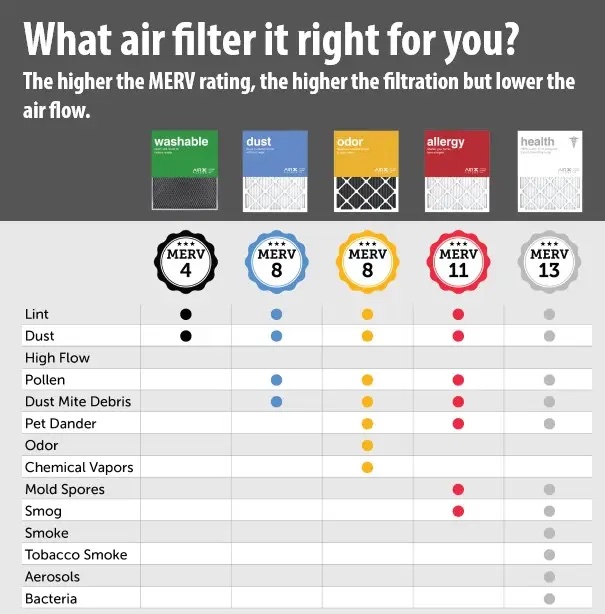
Filters with MERV ratings from 1 to 4 are considered basic protection filters. They are typically made of pleated paper or fiberglass and are designed to capture larger particles like lint, dust mites, and carpet fibers. These filters are generally inexpensive and are often the standard filters provided with new HVAC systems.
While they offer a fundamental level of filtration, their primary function is to protect the HVAC system itself from accumulating large debris, which can impede airflow and damage components. They offer minimal benefit for improving indoor air quality for health-related concerns. For example, they are largely ineffective at capturing smaller allergens like pollen or mold spores.
Mid-Range MERV Filters (MERV 5-8): Enhanced Performance
Filters within the MERV 5 to 8 range offer a significant step up in filtration performance compared to the basic models. These filters are better equipped to capture a wider array of airborne particles, including finer dust, pollen, mold spores, and pet dander. They represent a good balance between enhanced air quality and reasonable airflow.
These filters are a popular choice for many households as they provide noticeable improvements in indoor air quality without placing excessive strain on most residential HVAC systems. They are effective for general dust reduction and can offer some relief to individuals with mild allergies.
High-Efficiency MERV Filters (MERV 9-12): Superior Air Quality
Moving into the MERV 9 to 12 range, we enter the realm of high-efficiency filters. These filters are constructed with denser filtration media, often including electrostatic fibers, and are designed to capture a substantial percentage of smaller airborne particles. This includes most allergens, bacteria, and even some viruses.
For households with allergy sufferers, asthmatics, or pets, these filters can make a dramatic difference in indoor air quality. They are capable of trapping microscopic irritants that can trigger symptoms, leading to a healthier and more comfortable living environment. However, it’s crucial to ensure that the HVAC system is designed to handle the increased airflow resistance associated with these denser filters.
Very High-Efficiency MERV Filters (MERV 13-16): Hospital-Grade Filtration
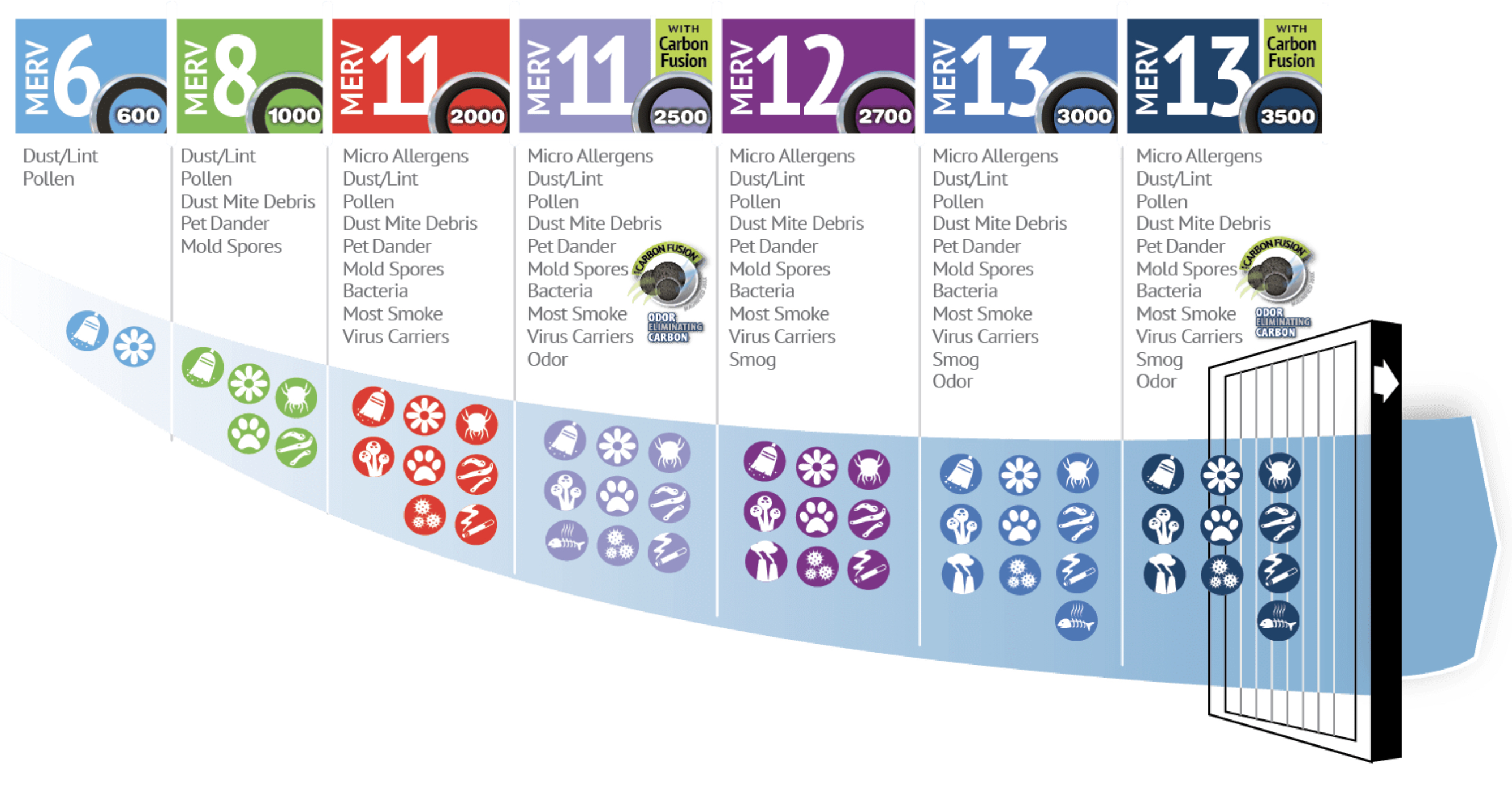
Filters with MERV ratings from 13 to 16 are considered very high-efficiency filters and are often used in applications where exceptionally clean air is paramount, such as hospitals, clean rooms, and laboratories. These filters are capable of capturing the vast majority of airborne particles, including bacteria, viruses, and fine smoke particles.
While offering the highest level of air purification for residential use, these filters also present the highest airflow resistance. It is absolutely essential to confirm that an HVAC system is specifically designed and rated to handle the pressure drop created by MERV 13 and above filters. Incorrectly installing such a filter in an incompatible system can lead to reduced airflow, decreased system efficiency, and potential damage to the blower motor and other components.
Choosing the Right MERV Filter for Your Needs
Selecting the appropriate MERV rating involves a careful consideration of several factors, including your specific air quality concerns, the capabilities of your HVAC system, and your budget. Making an informed choice ensures optimal performance, protection, and value.
Assessing Your Indoor Air Quality Needs
The primary driver for choosing a MERV rating should be your specific indoor air quality requirements. If you or members of your household suffer from allergies or asthma, or if you have pets that shed dander, you will benefit from a higher MERV rating. For individuals without significant respiratory sensitivities, a mid-range MERV filter might suffice.
Consider the general environment as well. If you live in an area with high levels of outdoor pollution or frequent dust storms, a higher MERV filter can help mitigate the infiltration of these external contaminants.
Understanding Your HVAC System’s Capabilities
This is arguably the most critical factor. Every HVAC system has a limit to the amount of airflow resistance it can handle. Higher MERV filters, due to their denser construction, create greater resistance to airflow. Installing a filter with a MERV rating that is too high for your system can lead to several problems:
- Reduced Airflow: This means less air being circulated throughout your home, leading to uneven temperatures and reduced comfort.
- Decreased System Efficiency: The blower motor has to work harder to push air through the dense filter, consuming more energy and potentially shortening its lifespan.
- Damage to HVAC Components: In extreme cases, excessive airflow resistance can cause strain on the blower motor, leading to premature failure and costly repairs.
It is imperative to consult your HVAC system’s manual or contact a qualified HVAC professional to determine the maximum MERV rating recommended for your specific unit. Often, manufacturers will specify a maximum MERV or a particular filter type they support.
Balancing Cost and Performance
Higher MERV filters generally come with a higher price tag. This is due to the more sophisticated materials and manufacturing processes involved. While the benefits of superior air filtration can be significant, it’s important to find a balance that aligns with your budget.
Consider the longevity of the filter as well. While higher MERV filters might cost more upfront, if they last as long as lower MERV filters and provide superior air quality, the overall value proposition might still be favorable. However, it’s crucial to adhere to recommended filter replacement schedules, regardless of the MERV rating, to maintain optimal performance and prevent excessive buildup that can negate filtration benefits and harm your system.
The Broader Implications of MERV Ratings
Beyond the immediate benefits for homeowners, MERV ratings play a significant role in the broader context of building science, energy efficiency, and public health. Understanding these wider implications can provide a more comprehensive appreciation for the importance of proper air filtration.
Impact on HVAC System Longevity and Efficiency
A properly selected MERV filter, one that is compatible with the HVAC system, not only improves air quality but also contributes to the longevity and efficiency of the system itself. By capturing airborne particles, these filters prevent dust and debris from accumulating on crucial components like evaporator coils, fan blades, and ductwork.
This buildup can significantly hinder heat transfer, reduce airflow, and force the system to work harder, leading to increased energy consumption and premature wear and tear. Regularly replacing filters with appropriate MERV ratings is a cornerstone of preventive maintenance, ensuring that the HVAC system operates at its peak performance for as long as possible, ultimately saving on energy bills and costly repairs.
Environmental and Health Benefits
The ability of higher MERV filters to capture microscopic particles has significant environmental and health implications. By removing allergens, pathogens, and other harmful airborne substances, these filters contribute to healthier indoor environments, particularly for vulnerable populations such as children, the elderly, and individuals with compromised immune systems. This reduction in airborne irritants can lead to fewer doctor’s visits, decreased medication use, and an overall improvement in quality of life.
From an environmental perspective, while denser filters may consume slightly more energy due to increased airflow resistance, the long-term benefits of improved indoor air quality and reduced strain on HVAC systems can contribute to a more sustainable approach to building operation. Furthermore, by effectively trapping pollutants, higher MERV filters can indirectly contribute to reducing the overall burden of airborne contaminants in the local environment.
The Future of Air Filtration and MERV Standards
The MERV rating system continues to evolve as filtration technology advances and our understanding of indoor air quality deepens. Research into new filtration materials and designs is constantly underway, aiming to achieve higher levels of particle capture efficiency while minimizing airflow resistance.
There is also a growing trend towards smart home integration, where HVAC systems can monitor filter status and even recommend or automatically order replacements. As awareness of the link between indoor air quality and health grows, the demand for higher MERV filters and more sophisticated air purification solutions is likely to increase. The MERV scale, therefore, remains a vital tool for navigating the complex world of air filtration, empowering consumers to make informed decisions that protect their health, their homes, and their HVAC systems.
aViewFromTheCave is a participant in the Amazon Services LLC Associates Program, an affiliate advertising program designed to provide a means for sites to earn advertising fees by advertising and linking to Amazon.com. Amazon, the Amazon logo, AmazonSupply, and the AmazonSupply logo are trademarks of Amazon.com, Inc. or its affiliates. As an Amazon Associate we earn affiliate commissions from qualifying purchases.