
For the modern consumer, the question of “what time does Food Lion close today” is often more than a matter of simple logistics; it is an inquiry into the intersection of personal finance, time management, and the operational economics of a multibillion-dollar retail entity. Food Lion, a staple of the Southeastern and Mid-Atlantic United States, operates under the umbrella of Ahold Delhaize, one of the world’s largest food retail groups. Understanding the closing times and operational windows of such a brand provides a unique window into how business finance and consumer habits coalesce to drive the regional economy.

While most Food Lion locations typically maintain a closing time of 10:00 PM or 11:00 PM, these hours are not arbitrary. They are the result of rigorous data analysis regarding consumer spending patterns, labor costs, and the delicate balance of supply chain logistics. For the savvy shopper and the student of business finance, these hours represent the “operational heartbeat” of a neighborhood economy.
The Fiscal Logic Behind Retail Operational Hours
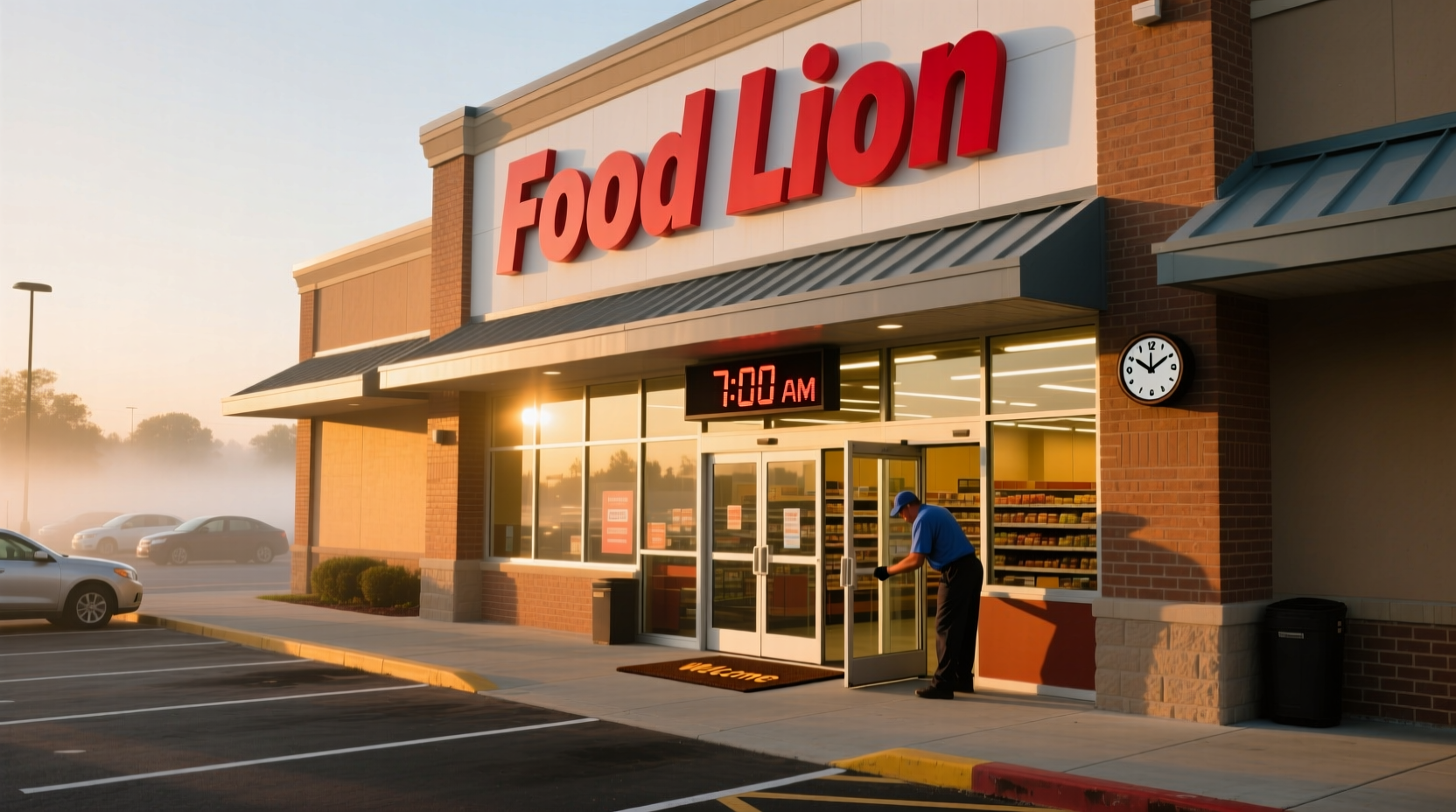
In the world of corporate finance, every hour a store remains open is a calculated risk. The decision to close at 11:00 PM instead of remaining open 24 hours—a trend that has largely vanished from the grocery landscape post-pandemic—is rooted in the principle of diminishing returns. To understand why Food Lion closes when it does, one must look at the overhead costs associated with the “Golden Hour” of retail.
The Overhead of the Final Hour
Operating a grocery store involves massive fixed and variable costs. Electricity for refrigeration, lighting, and HVAC systems remains constant, but labor and security costs vary. When a store analyzes its Point of Sale (POS) data, it often finds that the volume of transactions between 11:00 PM and 6:00 AM does not justify the expense of keeping the doors open. By closing at a standardized time, Food Lion optimizes its “Prime-to-Labor” ratio, ensuring that every dollar spent on employee wages is met with a proportional amount of gross margin from sales.
Market Positioning and Competitive Pricing
Food Lion has long positioned itself as the “easy, fresh, and affordable” option. To maintain their competitive pricing—often undercutting premium grocers—they must be ruthless with operational efficiency. Restricting store hours allows the company to consolidate night-shift tasks, such as restocking and deep cleaning, without the interference of foot traffic. This efficiency is passed down to the consumer in the form of lower prices, a core tenet of their brand strategy and a significant factor in their healthy EBITDA (Earnings Before Interest, Taxes, Depreciation, and Amortization) margins within the Ahold Delhaize portfolio.
Consumer Economics: Why Timing Your Grocery Trip Saves Money
For the individual, knowing “what time Food Lion closes” is a vital component of personal financial planning. Grocery shopping is one of the largest recurring expenses for the average household, and the timing of these trips can have a measurable impact on a family’s net worth over time.
Avoiding the “Convenience Tax”
The primary financial danger of missing a grocery store’s closing time is the “convenience tax.” When a primary grocer like Food Lion closes, consumers in need of immediate supplies are often forced to turn to 24-hour convenience stores or gas stations. The markup on essential items like milk, bread, and eggs at these locations can range from 30% to 70% higher than grocery store prices. By effectively managing one’s schedule to align with Food Lion’s operational hours, a consumer avoids this leakage of capital, preserving their monthly budget for higher-yield activities like investing or debt repayment.
Leveraging Late-Day Markdowns
There is a specific financial strategy known to “pro-shoppers” regarding the hours leading up to closing. Many Food Lion locations begin marking down perishable items—such as rotisserie chickens, bakery items, and near-date meats—in the final few hours of operation to minimize “shrink” (inventory loss). For a shopper focused on maximizing their food budget, arriving two hours before closing can result in significant savings on high-quality proteins and fresh goods that would otherwise be discarded the following morning. This is a classic example of utilizing market knowledge to gain a personal financial advantage.
The Labor-Revenue Equation in Modern Supermarkets
From a business finance perspective, the closing time of a retail outlet is increasingly dictated by the labor market. The “Cost of Labor” is currently one of the most volatile variables in the retail sector, and Food Lion’s management must navigate this carefully to protect shareholder value.
Labor Shortages and Operational Shifts
In recent years, the retail industry has faced significant challenges in staffing late-night and overnight shifts. The financial cost of “incentive pay” required to lure workers into these slots can erode the thin margins of the grocery business. Consequently, shortening operational hours is often a strategic move to ensure that the most talented staff members are working during peak revenue hours (usually 4:00 PM to 7:00 PM). This concentration of talent improves the customer experience, reduces checkout friction, and ultimately drives higher transaction values.
The Financial Impact of “Shrink” and Security
Closing during the late-night hours also serves as a risk management strategy. Historically, the hours between midnight and dawn carry the highest risk for “external shrink”—the retail term for theft and shoplifting. By closing at 10:00 PM or 11:00 PM, Food Lion significantly reduces its liability and insurance premiums. In the landscape of business finance, reducing loss is just as important as increasing sales. The millions saved across their 1,100+ locations by avoiding high-risk hours contribute directly to the company’s bottom-line stability.
Technology and the Financial Evolution of Grocery Scheduling
As we look toward the future, the question of “what time does Food Lion close” is being reshaped by digital tools and financial technology. The rise of the “Phygital” (Physical + Digital) retail environment means that the store never truly “closes” in the eyes of the accounting department.
The Role of the Food Lion MVP App
The Food Lion MVP rewards program is a sophisticated data collection tool that allows the company to track exactly when their most profitable customers shop. This data informs their decisions on when to extend or contract store hours on a location-by-location basis. From a personal finance perspective, the app allows users to load digital coupons and track “Shop & Earn” rewards, which can lead to “free” groceries. This creates a symbiotic financial relationship: the customer receives a lower effective cost of living, while the store receives the data necessary to optimize its expensive physical infrastructure.
E-Commerce and the 24/7 Revenue Stream
With the integration of Instacart and Food Lion’s own “To-Go” curbside pickup services, the financial activity of the store extends beyond its physical closing time. Customers can place orders at 2:00 AM, which are then queued for fulfillment the moment the “opening” staff arrives at 6:00 AM or 7:00 AM. This allows Food Lion to capture “night-owl” revenue without the overhead of keeping the lights on for the public. This shift represents a massive leap in “Asset Turnover Ratio”—a key financial metric that measures how efficiently a company uses its assets to generate revenue.
Strategic Conclusions for the Savvy Stakeholder
Whether you are a consumer trying to avoid a high-priced convenience run or an investor looking at the operational efficiency of the Ahold Delhaize group, the closing time of a Food Lion is a meaningful data point. It represents a sophisticated equilibrium between serving the community and maintaining a profitable enterprise.
For the individual focused on money management, the closing hours of Food Lion serve as a deadline for disciplined spending. By respecting the “grocery clock,” consumers can engage in meal prepping, utilize loss-leader discounts, and avoid the impulse buys that often occur in the frantic environment of a 24-hour convenience store.
In the broader context of business finance, Food Lion’s approach to store hours demonstrates a commitment to “Lean Operations.” In an era of inflation and fluctuating supply chain costs, the ability to pivot and optimize store hours is a competitive advantage. It ensures that the company remains resilient, providing affordable goods to the “Everyday Man” while delivering consistent returns to the institutional investors who back the global retail giant. The next time you check the clock to see if you can make it to Food Lion before they lock the doors, remember that you are participating in a complex, highly engineered financial ecosystem designed to balance your need for food with the market’s need for efficiency.
aViewFromTheCave is a participant in the Amazon Services LLC Associates Program, an affiliate advertising program designed to provide a means for sites to earn advertising fees by advertising and linking to Amazon.com. Amazon, the Amazon logo, AmazonSupply, and the AmazonSupply logo are trademarks of Amazon.com, Inc. or its affiliates. As an Amazon Associate we earn affiliate commissions from qualifying purchases.