
In the rapidly evolving landscape of digital entertainment, Prime Video has emerged not just as a content repository, but as a sophisticated technological feat. Originally launched as a digital video-on-demand service, it has transformed into a pillar of the modern streaming era, leveraging Amazon’s massive cloud infrastructure to deliver high-fidelity media to billions of devices worldwide. At its core, Prime Video is an Over-The-Top (OTT) streaming platform that utilizes advanced software engineering, proprietary data compression, and a global delivery network to redefine how users interact with television and film.
The Technological Backbone: How Prime Video Delivers Content
To understand what Prime Video is from a technical perspective, one must look toward the infrastructure that supports it. Unlike many competitors that rely on third-party servers, Prime Video is built almost entirely on Amazon Web Services (AWS), the most comprehensive and broadly adopted cloud platform in the world.
AWS Integration and Scalability
The integration with AWS allows Prime Video to handle massive surges in traffic without compromising performance. When millions of viewers log on simultaneously to watch a high-stakes live sports event or a blockbuster series premiere, the platform utilizes “Auto Scaling.” This technology automatically adjusts the amount of computational power and storage allocated to the service in real-time. By distributing content across hundreds of data centers globally—a process known as Edge Computing—Prime Video ensures that the physical distance between the server and the end-user is minimized, drastically reducing latency and “spinners” or buffering icons.
Video Compression and Adaptive Bitrate Streaming
Prime Video utilizes Adaptive Bitrate Streaming (ABS), a technical process that adjusts the quality of the video stream in real-time based on the user’s internet speed. This is achieved by breaking a video file into small segments, each encoded at several different bitrates. As your network fluctuates, the Prime Video player switches between these segments seamlessly.
From a codec standpoint, the platform employs high-efficiency video coding (HEVC/H.265) and is an early adopter of the AV1 codec. These protocols allow for 4K Ultra HD resolution while using significantly less data than older formats. This efficiency is critical for mobile users or those in regions with bandwidth constraints, ensuring a high-definition experience without exhausting data caps.
4K UHD, HDR, and Audio Standards
For the hardware enthusiast, Prime Video supports the highest tiers of visual and auditory technology. This includes High Dynamic Range (HDR10+), Dolby Vision, and Dolby Atmos. The platform’s ability to transmit these heavy data packets relies on a sophisticated “handshake” between the Prime Video app and the hardware’s Digital-to-Analog Converters (DAC) and display processors. This ensures that the metadata for color grading and spatial audio is accurately interpreted by your 4K TV or sound system.
Software Architecture and the Device Ecosystem
Prime Video is not a monolithic application; it is a complex web of software designed to run on thousands of different hardware configurations. From the low-power processors in budget smart TVs to the high-performance GPUs in gaming consoles, the platform must remain agile and responsive.
The App Ecosystem and Cross-Platform Compatibility
The Prime Video application is developed using a modular architecture that allows it to function across various Operating Systems (OS), including Android, iOS, FireOS, tvOS, and various proprietary Linux-based systems found on smart TVs. Developers utilize “Web-Wrapped” applications or native code depending on the device’s capabilities. For example, on high-end devices like the Apple TV 4K or the Nvidia Shield, the app leverages native APIs to provide a smoother, 60fps (frames per second) interface. On lower-end hardware, the app focuses on resource management to prevent system crashes.
User Interface (UI) and Experience (UX) Design
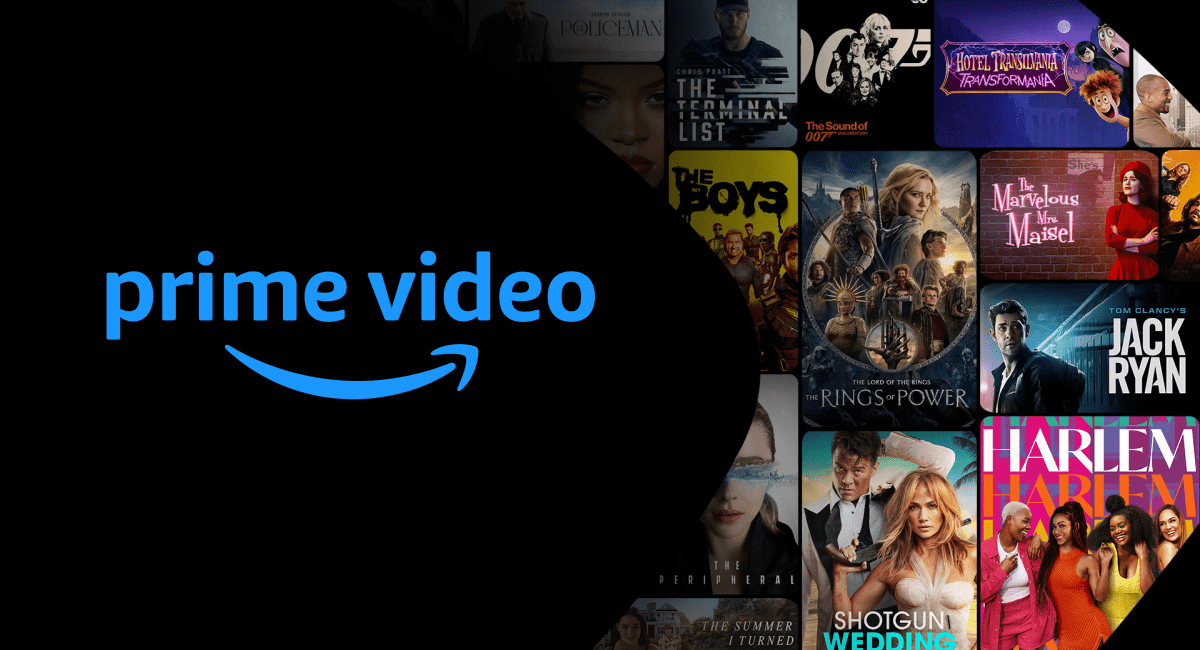
The evolution of the Prime Video UI reflects modern trends in software design. The interface utilizes a “Card-Based” design system, which is optimized for both touchscreens and remote control navigation. Behind the scenes, the UI is driven by server-side rendering in many instances. This means that when you see a “New Release” banner, that image and its associated metadata are being pushed from the cloud, allowing Amazon to update the look and feel of the app without requiring a manual software update from the user.

Offline Viewing and Cache Management
One of the most significant software features is the platform’s sophisticated cache management system, which enables offline viewing. When a user downloads a title, the software manages an encrypted file stored locally on the device. This file is not a standard MP4 or MKV; it is a proprietary, DRM-protected container that the Prime Video app decodes on the fly. The software also manages “TTL” (Time To Live) tokens, which automatically expire the download after a set period or after the device has been offline for a specific duration, ensuring content security while providing flexibility for travelers.
Digital Rights Management and Content Security
In the digital age, protecting intellectual property is a primary technological challenge. Prime Video employs some of the world’s most advanced security protocols to prevent piracy and unauthorized access.
Multi-DRM Systems
Prime Video utilizes a Multi-DRM (Digital Rights Management) strategy. Depending on the device and browser, the platform may use Google’s Widevine, Apple’s FairPlay, or Microsoft’s PlayReady. These systems create a secure “pipeline” between the server and the device’s screen. By utilizing hardware-level encryption (Widevine L1), Prime Video can ensure that high-definition content is only played on devices that have a “Trusted Execution Environment,” preventing screen-recording software from capturing the stream.
Account Security and Geofencing
To manage access, Prime Video uses sophisticated geofencing technology. By analyzing IP addresses and GPS data (on mobile devices), the platform determines the user’s physical location to comply with regional licensing agreements. Furthermore, the platform integrates Amazon’s robust Two-Factor Authentication (2FA) and “Risk-Based Authentication” (RBA). RBA monitors for unusual login patterns—such as a login from a new country or a different device type—and triggers additional verification steps to protect the user’s digital identity.
Parental Controls and Profile Management
From a software utility standpoint, Prime Video offers granular parental controls. These are not merely “on/off” switches but are tied to global rating standards (like the MPAA or BBFC). Users can set PIN-protected restrictions that are synced across the cloud. When a child profile is active, the app’s metadata filtering engine removes all non-compliant titles from the search results and recommendation carousels, demonstrating how backend data tagging influences the frontend user experience.
The Future of Streaming Tech: AI and Personalization
As we look toward the future of what Prime Video is, the focus shifts toward Artificial Intelligence (AI) and Machine Learning (ML). These technologies are being woven into the fabric of the platform to create a more intuitive and interactive experience.
X-Ray Technology: Integrating Real-Time Metadata
Perhaps the most unique tech feature of Prime Video is “X-Ray,” powered by IMDb. This feature is a masterpiece of data synchronization. As a video plays, the X-Ray overlay matches the current timestamp with a database of actors, background music, and trivia. This requires the software to track “Time-Coded Metadata,” ensuring that when you pause the video, the information displayed is perfectly synced to the frame. This integration represents a bridge between a traditional video player and a dynamic database.
Machine Learning Recommendation Engines
The “Suggested for You” section is the result of complex ML algorithms. Prime Video’s recommendation engine analyzes billions of data points, including watch history, “watch-time” (how long you stayed on a specific title), search queries, and even the time of day you typically stream. These models use “Collaborative Filtering” and “Deep Learning” to predict what a user might want to watch next, aiming to reduce “choice fatigue” and increase platform engagement.

The Shift Toward Live Sports and Low-Latency Streaming
One of the greatest technical hurdles in streaming is “Live Latency”—the delay between the action on the field and the image on your screen. Prime Video is at the forefront of solving this through the use of Low-Latency HLS (HTTP Live Streaming) and DASH (Dynamic Adaptive Streaming over HTTP). By reducing the size of the video “chunks” processed by the player, Prime Video has managed to bring streaming latency down to levels that rival traditional satellite and cable broadcasts. This is essential for the platform’s expansion into live NFL broadcasts and other global sporting events.
In summary, Prime Video is far more than a simple video app; it is a high-performance software ecosystem. It represents the intersection of cloud computing, advanced data security, and sophisticated user-interface design. By leveraging the power of AWS and pushing the boundaries of video compression and AI-driven features, Prime Video continues to set the technical standard for how digital media is consumed in the 21st century.
aViewFromTheCave is a participant in the Amazon Services LLC Associates Program, an affiliate advertising program designed to provide a means for sites to earn advertising fees by advertising and linking to Amazon.com. Amazon, the Amazon logo, AmazonSupply, and the AmazonSupply logo are trademarks of Amazon.com, Inc. or its affiliates. As an Amazon Associate we earn affiliate commissions from qualifying purchases.