
Donating to food banks is often viewed through the lens of pure altruism, yet for the fiscally conscious individual or business owner, it represents a sophisticated intersection of social responsibility and strategic financial planning. Understanding how to donate food to a food bank requires more than just clearing out a pantry; it involves a nuanced grasp of tax codes, logistical efficiency, and the economic principles of charitable leverage. By approaching food donations with a “money-first” mindset, donors can ensure that every dollar or ounce of food contributes to a sustainable ecosystem of community support while optimizing their own personal or corporate balance sheets.
The Financial Landscape of Food Bank Donations: Physical vs. Monetary Gifts
When considering how to donate, the first decision is often between contributing physical goods or providing a cash donation. From a financial perspective, these two avenues offer vastly different returns on investment for the charity.
The Power of Wholesale Purchasing Leverage
For the average consumer, a can of soup costs retail price—perhaps $1.50 to $2.00. However, food banks operate as massive logistics and procurement hubs. Because of their scale and relationships with agricultural producers and wholesalers, food banks can often stretch a $1.00 cash donation to purchase $10.00 or even $15.00 worth of food. When you donate physical goods, you are essentially donating at the retail price. When you donate cash, you are providing the food bank with the capital required to buy at institutional rates. For the donor looking to maximize the “social ROI” of their contribution, cash is almost always the more efficient financial vehicle.
The Hidden Logistics Costs of Non-Perishables
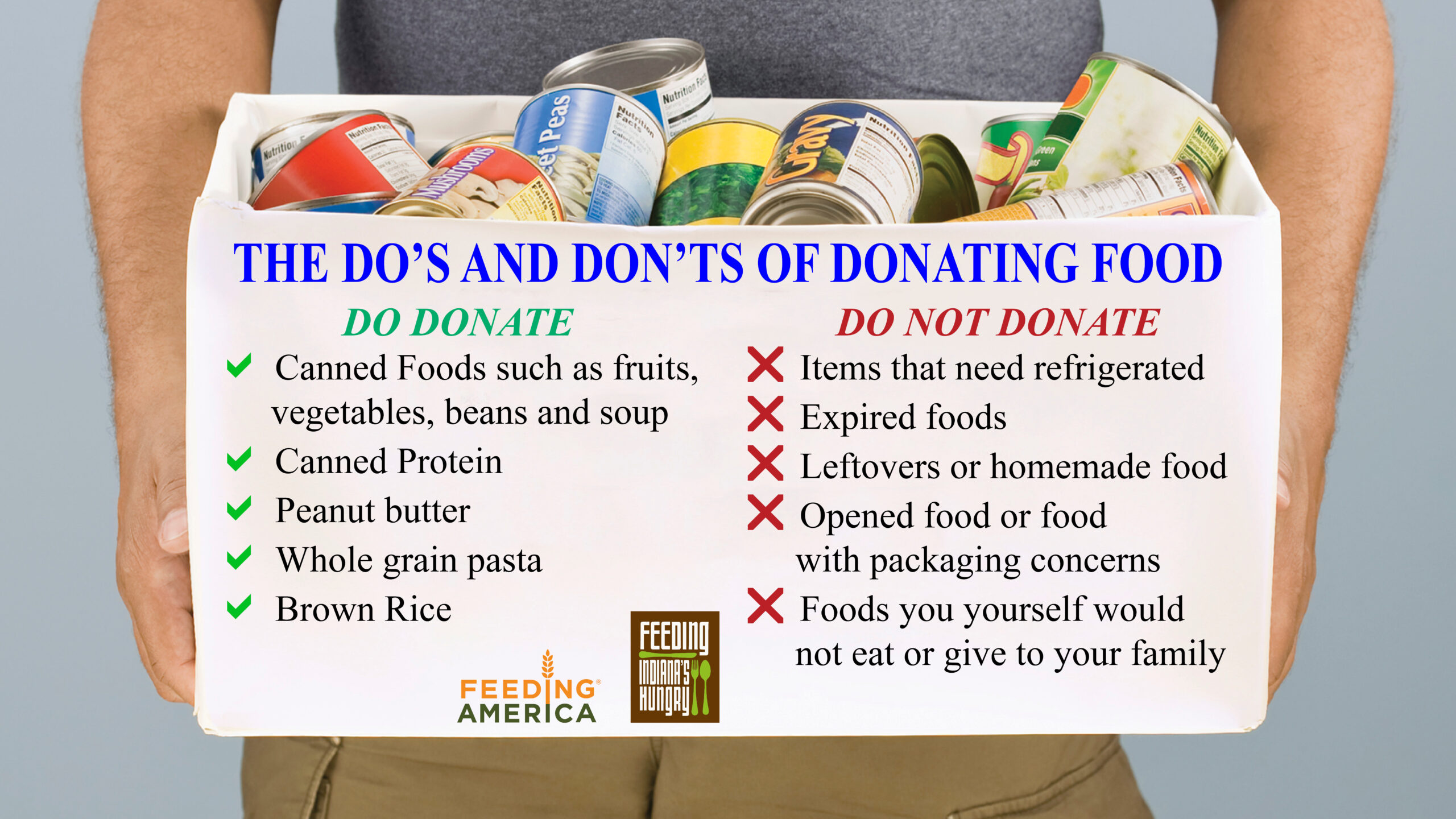
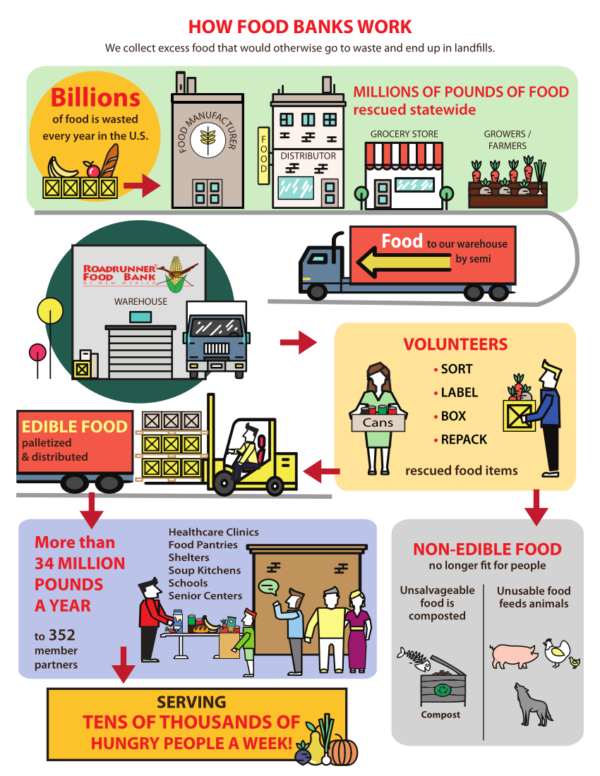
While physical donations are vital for community engagement, they carry hidden operational costs for the food bank. Every box of donated goods must be transported, sorted by volunteers, checked for expiration dates, and categorized. These labor and logistics costs eat into the food bank’s overhead. If you choose to donate physical goods, focusing on high-density, high-value items—such as canned proteins, nut butters, and whole grains—ensures that the storage-to-value ratio remains favorable for the recipient organization.
Maximizing Your Tax Deductions: The Internal Revenue Perspective
Charitable contributions are a cornerstone of tax planning in many jurisdictions, particularly in the United States under the IRS framework. Understanding the rules governing these deductions is essential for anyone looking to integrate food bank donations into their broader financial strategy.
IRS Requirements for Non-Cash Contributions
To claim a deduction for food donations, the organization must be a qualified 501(c)(3) non-profit. Documentation is the most critical component of this process. For donations of physical goods valued under $250, a receipt from the organization is generally sufficient, though it must include the name of the charity, the date, and a description of the goods. For donations exceeding $250, more rigorous substantiation is required, including a written acknowledgment from the charity stating whether any goods or services were provided to the donor in exchange for the gift.
Calculating the Fair Market Value (FMV) of Food Donations
The IRS allows donors to deduct the “Fair Market Value” of the items donated. FMV is defined as the price that the goods would sell for on the open market between a willing buyer and a willing seller. For food items, this is typically the current retail price at local grocery stores. Keep a detailed inventory of donated items and cross-reference them with recent receipts or local advertisements to establish a defensible valuation in the event of an audit. If you are donating a large volume of inventory from a business, the valuation rules become even more specific, often involving the cost of goods sold (COGS) plus a portion of the expected profit margin.
Itemized Deductions vs. Standard Deductions
It is important to remember that charitable contributions are only deductible if the taxpayer chooses to itemize their deductions on Schedule A (Form 1040). Since the passage of the Tax Cuts and Jobs Act, the standard deduction has increased significantly. For many middle-income earners, their total itemized deductions may not exceed the standard deduction. In these cases, a “bunching” strategy—where several years’ worth of planned donations are made in a single fiscal year—can push the total above the standard deduction threshold, creating a significant tax advantage that would otherwise be lost.
Corporate and Business Philanthropy: Scaling Your Impact

For business owners and corporate executives, food donations offer a unique opportunity to manage inventory while benefiting from enhanced tax incentives. This is a sophisticated area of business finance that requires careful coordination between the warehouse and the accounting department.
Enhanced Deductions for Business Inventories
Under Section 170(e)(3) of the Internal Revenue Code, C-corporations can often claim an “enhanced deduction” for the donation of food inventory. Rather than simply deducting the cost of the food, eligible businesses can deduct the lesser of:
-
The cost of the donated food plus half of the expected profit margin.
-
Twice the cost of the donated food.
This provision was designed to encourage businesses to divert edible food from landfills to food banks. For a business with high-profit margins and expiring inventory, this can result in a tax benefit that significantly offsets the loss of the inventory itself.
The Bill Emerson Good Samaritan Food Donation Act
Risk management is a key component of business finance. One historical barrier to food donation was the fear of liability if a recipient became ill. The Bill Emerson Good Samaritan Food Donation Act provides comprehensive liability protection for businesses that donate “apparently wholesome food” in good faith to non-profit organizations. By neutralizing the legal risk, the federal government has cleared the way for businesses to treat food donation as a standard part of their inventory lifecycle management and CSR (Corporate Social Responsibility) strategy.
Strategic Financial Planning for Long-Term Support
Integrating food bank support into a long-term financial plan ensures that your giving is both sustainable and impactful. This involves moving beyond reactionary giving and toward a structured philanthropic portfolio.
Leveraging Employer Matching Programs
Many corporations offer gift-matching programs as part of their employee benefits package. From a financial standpoint, failing to utilize a match is equivalent to leaving money on the table. If an employer matches 1:1, a $500 donation effectively becomes a $1,000 injection of capital into the food bank. When combined with the food bank’s wholesale purchasing power, a single employee’s contribution can generate an extraordinary amount of community value. Always verify if your employer includes food banks in their matching gift eligibility.
Integrating Food Security Into Your Charitable Estate Planning
For high-net-worth individuals, charitable lead trusts or charitable remainder trusts can be utilized to provide ongoing support to food banks while managing estate taxes. By naming a regional food bank as a beneficiary in a trust or a will, a donor can reduce the taxable size of their estate, potentially saving heirs significant sums in inheritance taxes. Furthermore, donating appreciated securities (like stocks or mutual funds) directly to a food bank allows the donor to avoid capital gains taxes on the appreciation while still claiming a deduction for the full market value of the assets.
Auditing Your Giving: Ensuring Transparency and Fiscal Accountability
Just as an investor would audit their stock portfolio, a donor should audit the organizations they support. Financial transparency is the hallmark of a well-run food bank.
Evaluating Overhead and Program Ratios
Before committing significant capital, review the organization’s Form 990. Professional platforms like Charity Navigator and GuideStar provide insights into how much of each dollar goes directly to programs versus administrative overhead. A top-tier food bank typically directs 90% or more of its expenses toward food distribution and programs. If administrative costs are disproportionately high, it may indicate fiscal inefficiency, and your donation might be better utilized by a different organization in the food security sector.
Local vs. National Impact
There is a financial trade-off between donating to large national organizations (like Feeding America) and local, independent food pantries. National organizations often have lower per-unit costs due to massive scale, but local pantries may have lower “last-mile” delivery costs and a more intimate understanding of specific community needs. Diversifying your donations between national infrastructure and local direct-action groups can be a sound strategy for balancing broad systemic change with immediate local relief.
In conclusion, the question of how to donate food to a food bank is ultimately a question of resource allocation. By leveraging tax laws, understanding the economics of wholesale procurement, and applying rigorous financial analysis to charitable choices, donors can transform a simple act of kindness into a powerful tool for economic and social stability. Whether through a bunching strategy for itemized deductions or the utilization of enhanced corporate inventory credits, the goal remains the same: to provide the greatest possible amount of nutrition to those in need while maintaining a disciplined and efficient financial profile.
aViewFromTheCave is a participant in the Amazon Services LLC Associates Program, an affiliate advertising program designed to provide a means for sites to earn advertising fees by advertising and linking to Amazon.com. Amazon, the Amazon logo, AmazonSupply, and the AmazonSupply logo are trademarks of Amazon.com, Inc. or its affiliates. As an Amazon Associate we earn affiliate commissions from qualifying purchases.