
Changing your name is a significant life milestone, whether it stems from marriage, divorce, a legal name change, or a gender transition. While the emotional and social aspects of this transition are often at the forefront, the administrative reality is that your financial identity must remain synchronized with your legal identity. Keeping your bank account information updated is not merely a matter of preference; it is a critical step in maintaining the integrity of your credit profile, ensuring the seamless processing of deposits, and protecting yourself against potential fraud or identity verification hurdles.

The process of updating your name on a bank account requires a systematic approach. Banks operate under strict “Know Your Customer” (KYC) regulations, meaning they cannot simply take your word for it. You must provide a clear paper trail that connects your former identity to your new one. This guide explores the comprehensive steps required to navigate the banking system, manage your digital financial footprint, and ensure your personal finances remain uninterrupted during your name change.
Securing Your Legal Documentation
Before you approach your financial institution, you must have your legal “source documents” in order. Banks are secondary institutions in the name-change hierarchy; they rely on government-issued documentation to authorize any modifications to your record.
The Social Security Requirement
In the United States, the most critical step is updating your records with the Social Security Administration (SSA). Most banks will not update your account name until you have received your new Social Security card or, at the very least, a stamped receipt from the SSA office proving the change has been processed. Because your Social Security Number (SSN) stays the same, it serves as the anchor for your financial history, but the name attached to that number must match the name on your bank’s KYC profile to avoid flags with the IRS or credit bureaus.
Government-Issued Photo Identification
Once the SSA has processed your request, your next stop is the Department of Motor Vehicles (DMV) or the relevant state agency to update your driver’s license or state ID. Banks typically require a government-issued photo ID that matches the new name you wish to put on the account. If you are abroad or planning international travel, updating your passport is equally vital, as it serves as a secondary form of identification that banks often request for high-security accounts or wire transfers.
The Legal Bridge: Certificates and Decrees
You will need the original or a certified copy of the document that legally authorized the name change. This could be a marriage certificate, a divorce decree specifically granting the right to resume a former name, or a court order for a legal name change. Banks will often scan these documents into their internal systems to provide a permanent audit trail of why the account name was modified.
Navigating the Bank’s Internal Processes
Once your legal documents are in hand, you can initiate the change with your bank. The method for doing this varies significantly depending on whether you utilize a traditional brick-and-mortar institution or a modern digital-only “neobank.”
In-Person vs. Online Updates
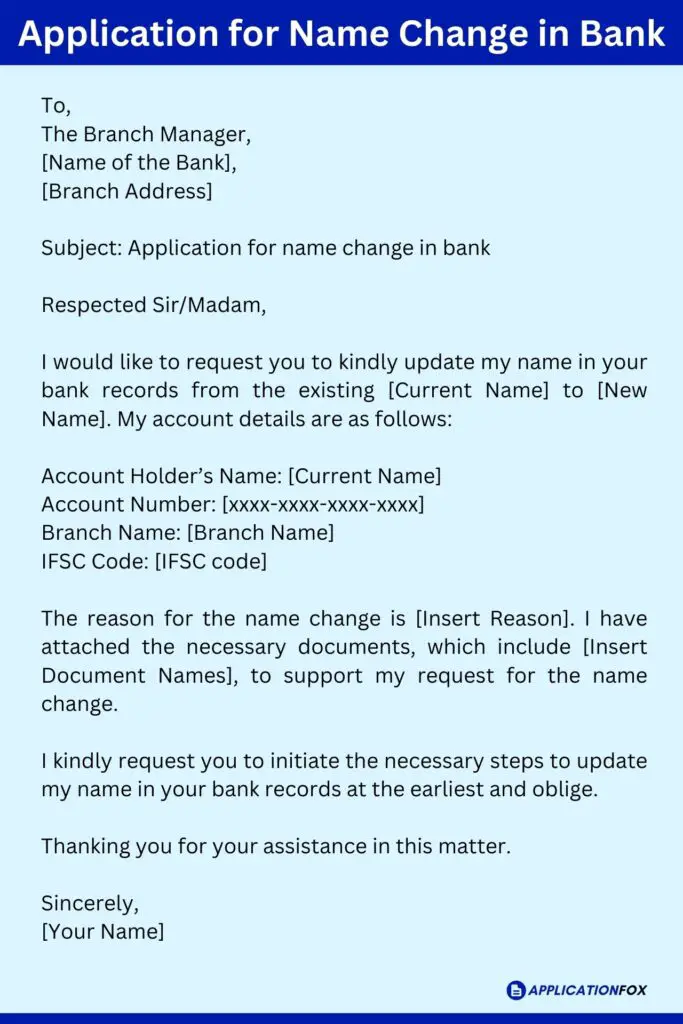
Traditional banks, such as Chase, Bank of America, or Wells Fargo, frequently require an in-person visit to a local branch. This is due to the high-security nature of identity verification. You will sit with a personal banker who will witness your signature on a new signature card—the document the bank uses to verify checks and authorizations.
Conversely, online banks like Ally, SoFi, or Marcus usually have a digital upload portal. You will be required to submit high-resolution scans of your legal documents and your updated ID. Some may require a “notarized affidavit of name change,” where a notary public verifies your identity before you mail in the physical forms.
Updating Joint Accounts and Authorized Users
If you share an account with a spouse, partner, or business associate, the process can become slightly more complex. For a joint account, both parties do not necessarily need to be present to change one person’s name, but the bank may require a new account agreement to be signed by both owners to acknowledge the change in the account’s title. Similarly, if you are an authorized user on someone else’s credit card, the primary account holder may need to initiate the name change through their own portal or by calling customer service.
Business Bank Accounts
If you are a business owner and your name change affects your corporate filings or your status as a registered agent, the stakes are higher. You may need to provide updated Articles of Incorporation or an amended Operating Agreement to the bank to ensure that your business account remains compliant with federal anti-money laundering laws.
Managing Physical and Digital Payment Tools
Updating the name on your account is the first step, but it triggers a ripple effect across your physical and digital payment ecosystem. Coordination is key to avoiding declined transactions or “red flag” alerts from fraud detection algorithms.
Ordering New Debit and Credit Cards
Once the bank updates your profile, your existing cards will technically remain active for a short period, but they will no longer match your legal ID. You should request new debit and credit cards immediately. Most banks will issue these free of charge following a legal name change. When the new cards arrive, ensure you activate them and destroy the old ones. Be aware that your card number and CVV may change, which will require you to update any “card-on-file” payments for subscriptions like Netflix, Amazon, or utility providers.
The Transition of Checkbooks
While check usage has declined, many people still use them for rent or tax payments. If you have a significant supply of checks with your old name, you should ideally stop using them once the bank record is updated. While some banks may honor checks with an old name if the account number matches, it can cause confusion for the recipient or the recipient’s bank. Ordering a new set of checks is a necessary expense for maintaining a professional and consistent financial identity.
Digital Wallets and Third-Party Apps
In our modern economy, much of our spending happens through digital wallets like Apple Pay, Google Pay, and Samsung Pay. After your new physical cards arrive, you must delete the old cards from these wallets and add the new ones. Additionally, peer-to-peer payment apps like Venmo, PayPal, and CashApp should be updated. PayPal, in particular, has a rigorous name-change process that mirrors a bank’s requirements, often asking for photo IDs and legal decrees to prevent shadow accounting or fraud.
Coordinating with the Broader Financial Infrastructure
A bank account does not exist in a vacuum. It is connected to your income, your debts, and your credit reputation. Failing to synchronize these connections can lead to missed payments or delayed salary deposits.
Payroll and Direct Deposit
One of the most common points of failure during a name change is the employer’s payroll system. If your bank account name changes but your payroll is still issued to your old name, the bank’s automated systems may occasionally flag the incoming ACH transfer for a name mismatch. To prevent this, coordinate with your HR department simultaneously. Provide them with your updated Social Security information and a voided check (or a direct deposit authorization form) reflecting your new name.
The Impact on Credit Reporting
You do not need to contact the credit bureaus (Equifax, Experian, and TransUnion) directly to change your name. Instead, the bureaus update their records based on the information reported to them by your creditors. Once your bank and credit card issuers update your name in their systems, they will report that new data during the next monthly billing cycle. Over time, your credit report will list your new name as the primary identity and your old name as an “also known as” (AKA) or “formerly known as.” This ensures that your credit history remains intact and that your score is not negatively impacted by the transition.
Automated Bill Pay and Subscriptions
Review your bank statements from the last three months to identify all recurring ACH withdrawals. While your account and routing numbers will stay the same, some automated billing systems perform a verification check against the name on the account. It is a best practice to log into your utility, insurance, and mortgage portals to update your personal details to match your new bank record.
Long-Term Financial Planning and Compliance
Beyond the immediate logistics, a name change involves long-term financial considerations, particularly regarding taxes and estate planning. Consistency across all financial instruments is the best defense against future legal or bureaucratic complications.
IRS Alignment
The Internal Revenue Service (IRS) verifies the names and SSNs on tax returns against Social Security Administration records. If you change your name on your bank account but fail to update the SSA, your tax refund could be delayed or rejected. When you file your taxes for the year in which you changed your name, ensure that the name on your 1040 form matches exactly what is on your updated Social Security card and your bank’s 1099-INT forms (the forms that report interest earned on your savings).
Beneficiary Designations and Estate Records
A name change is an excellent time to conduct a “financial health check” on your beneficiary designations. Whether it’s your 401(k), an IRA, or a simple Payable on Death (POD) provision on your savings account, ensure that these documents are updated. If you are the beneficiary of someone else’s estate, you should inform them of your name change so they can update their will or trust, preventing potential delays in the transfer of assets later on.

Maintaining a “Paper Trail” Portfolio
Finally, keep a dedicated folder—either physical or digital—containing all documents related to your name change. This should include certified copies of your name change decree and a log of when you notified each financial institution. If you ever apply for a mortgage or a high-security government clearance in the future, you will likely be asked to provide documentation for every name you have ever used. Having this organized will save you significant time and stress during major financial transactions.
By treating a name change as a comprehensive financial project rather than a simple clerical update, you ensure that your assets remain secure, your credit remains strong, and your transition into your new identity is as seamless as possible. Professionalism and attention to detail in this process are the hallmarks of sound personal financial management.
aViewFromTheCave is a participant in the Amazon Services LLC Associates Program, an affiliate advertising program designed to provide a means for sites to earn advertising fees by advertising and linking to Amazon.com. Amazon, the Amazon logo, AmazonSupply, and the AmazonSupply logo are trademarks of Amazon.com, Inc. or its affiliates. As an Amazon Associate we earn affiliate commissions from qualifying purchases.