
In an era increasingly dominated by digital transactions and instant information, the seemingly simple question, “what time does banks open,” might appear an anachronism. Yet, for countless individuals and businesses, understanding bank operating hours remains a critical component of effective financial management. Despite the proliferation of online banking, mobile apps, and 24/7 ATM access, physical bank branches continue to serve indispensable roles, particularly for complex financial needs, significant cash transactions, or personalized advisory services. This exploration delves into the nuances of bank opening times, their impact on personal and business finance, and how to strategically navigate the evolving landscape of financial accessibility.

The Enduring Relevance of Branch Hours in a Digital Age
While the convenience of digital banking has undeniably transformed how we interact with our money, the physical bank branch retains a significant, albeit evolving, importance. For many financial operations, knowing when a bank opens its doors is not merely a matter of convenience, but a fundamental aspect of financial planning and execution.
The Human Touch in Complex Financial Decisions
For intricate financial matters such as securing a mortgage, setting up a trust, discussing investment strategies, or resolving complex account discrepancies, face-to-face interaction with a financial professional is often preferred, if not essential. These discussions benefit from the personal rapport and detailed explanations that are best delivered in a dedicated consultation setting. Customers often seek direct clarification, personalized advice, and the reassurance that comes from a physical presence, especially when dealing with life-altering financial commitments. The availability of a branch and its staff during specific hours ensures that these critical conversations can take place, fostering trust and providing clarity that digital interfaces might struggle to replicate.
Cash Management and Business Operations
For many small to medium-sized businesses, physical bank branches are central to daily operations. Businesses frequently handle significant amounts of cash, requiring regular deposits and withdrawals for payroll, vendor payments, or daily operational floats. Restaurants, retail stores, service providers, and various cash-intensive industries depend heavily on consistent access to banking services during business hours. A delay in making a deposit can impact cash flow, while the inability to withdraw cash can halt critical business functions. Therefore, understanding bank opening and closing times is paramount for maintaining liquidity, ensuring timely transactions, and safeguarding funds that cannot simply be “uploaded” or “downloaded” digitally. Beyond cash, some businesses still rely on physical check deposits or foreign currency exchanges, further cementing the branch’s role.
Bridging the Digital Divide
Despite widespread internet access, a segment of the population, particularly older demographics or those in rural areas, may not fully engage with or trust digital banking platforms. For these individuals, the traditional bank branch serves as their primary, and often sole, point of contact for managing their finances. Access to tellers allows them to perform basic transactions, inquire about their accounts, and receive assistance in a familiar and reassuring environment. For them, “what time does banks open” is not a peripheral question, but the key to accessing their money and financial services, ensuring they remain financially included and capable of managing their economic well-being. The branch hours dictate their ability to manage bills, make deposits, and generally interact with their financial institution.
Decoding Typical Bank Operating Hours
While there’s a general pattern to bank opening times, it’s crucial to understand that these can vary significantly based on location, the type of institution, and specific days of the week. Generalizations provide a useful starting point, but always verify specific branch hours.
General Patterns for Major Banks
Most major retail banks in urban and suburban areas typically operate on a schedule designed to accommodate the standard workday. This generally means opening between 9:00 AM and 10:00 AM and closing between 4:00 PM and 5:00 PM from Monday to Friday. Some branches, particularly those in high-traffic commercial districts or larger metropolitan areas, might extend their hours slightly, perhaps opening earlier or closing later on certain days to cater to commuters or business customers. Drive-thru services might also have slightly extended hours compared to the lobby. These general patterns form the backbone of conventional banking access, allowing individuals to conduct financial errands during their lunch breaks or before/after their own work schedules.
Weekends, Holidays, and Special Schedules
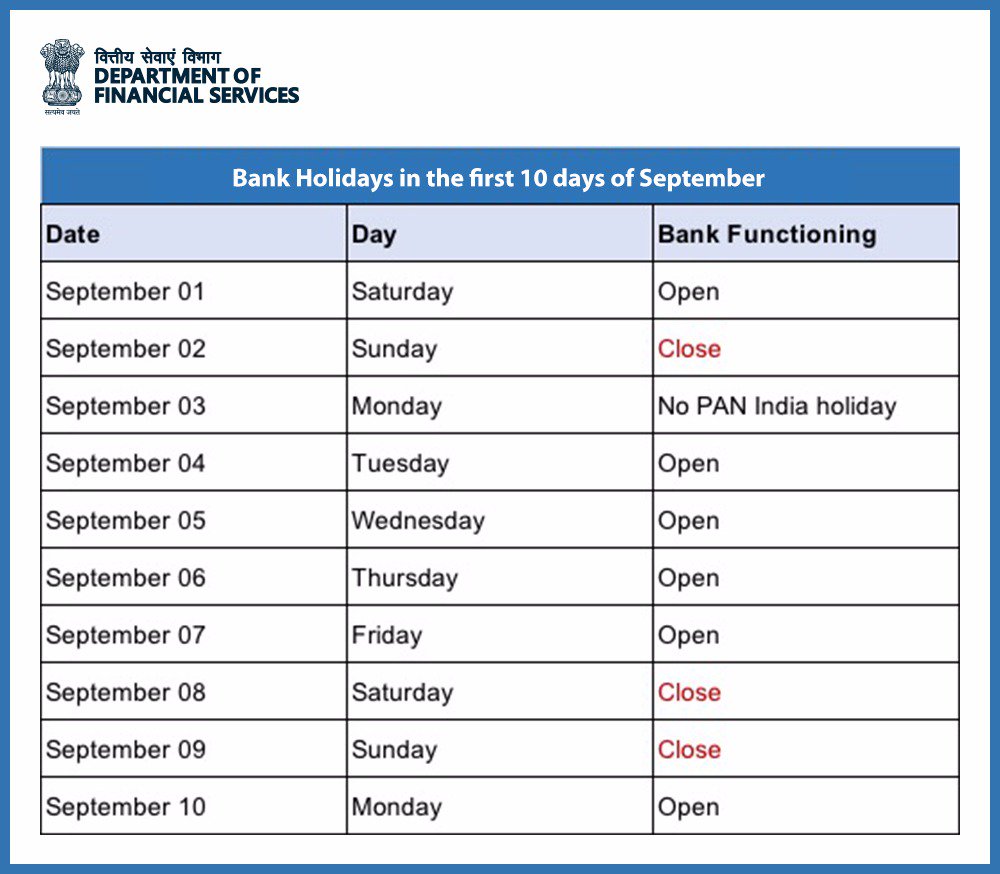
Weekend banking services have become increasingly common, though they are usually more limited than weekday operations. Many banks offer Saturday morning hours, typically from 9:00 AM or 10:00 AM until 1:00 PM or 2:00 PM. Sunday banking is rare for traditional full-service branches, though some in specific retail-heavy locations might experiment with it. It’s imperative to remember that banks observe federal holidays and often additional bank-specific holidays, during which branches will be closed entirely. These closures are particularly critical to note for time-sensitive transactions. Furthermore, some branches might have special schedules during specific periods, such as reduced hours during summer months or extended hours during tax season. Always consult the bank’s official website or a specific branch’s local listing for the most accurate and up-to-date information regarding weekend and holiday schedules.
Regional and Local Variations
Bank opening times are not monolithic across a country or even within a state. Regional differences can be pronounced. Banks in rural areas might operate on shorter schedules, perhaps opening later and closing earlier, reflecting lower transaction volumes and different community needs. Conversely, branches in bustling financial districts might have tailored hours to serve a specific business clientele. Even within the same city, a branch located in a shopping mall might align its hours more closely with mall operating times, potentially offering later evening hours or Sunday service, compared to a standalone branch in a quiet residential area. Local economic factors, demographic profiles, and competition from other financial institutions all play a role in shaping these localized banking schedules.
Beyond the Standard: Factors Influencing Bank Schedules
The decision-making process behind a bank’s operating hours is complex, driven by a multitude of factors extending beyond mere customer convenience. These influences reflect a balance between operational efficiency, customer needs, and strategic positioning.
Type of Financial Institution (Retail vs. Commercial)
The primary purpose of a financial institution heavily dictates its hours. Retail banks, which serve individual consumers and small businesses, generally adhere to the “typical” hours discussed previously, designed to accommodate the general public’s workday. These banks prioritize accessibility for routine transactions, account management, and consumer lending. In contrast, commercial or corporate banks, which cater to larger businesses, corporations, and institutional clients, often have different access models. While they may have physical offices, their interactions are frequently managed through dedicated relationship managers and specialized departments, often operating during more standard business hours (e.g., 8:30 AM to 5:00 PM) with less emphasis on walk-in traffic. Investment banks or specialized wealth management firms might have even more bespoke client access models, relying more on scheduled appointments than published open hours.

Geographical Location and Local Economy
The economic pulse and geographical characteristics of an area significantly influence bank schedules. In dense urban centers with heavy foot traffic and a vibrant business community, banks might offer extended hours to capture a larger share of the market and serve a diverse clientele. Branches located near major transportation hubs or central business districts might also adjust hours to cater to commuters. Conversely, in quieter residential areas or rural towns, where customer volume might be lower and community lifestyles different, banks may opt for shorter hours or fewer operating days to align with local patterns and optimize staffing. Local regulations, specific industry demands (e.g., proximity to manufacturing plants with early shifts), and even weather patterns in certain regions can subtly shape these decisions.
The Impact of Public and Bank Holidays
Perhaps the most predictable, yet often overlooked, factor influencing bank availability is the calendar of public and bank holidays. While national public holidays (e.g., New Year’s Day, Independence Day, Thanksgiving, Christmas) are universally observed, resulting in bank closures, some banks may also observe specific state holidays or their own internal corporate holidays. It’s crucial for financial planning, especially for time-sensitive transactions like payroll processing or large transfers, to be aware of these closures well in advance. Banks typically publish a holiday schedule at the beginning of each year on their websites, enabling customers to plan around periods of reduced or no service. A transaction initiated on a Friday before a Monday holiday will often not clear until Tuesday, underscoring the importance of factoring in these non-operating days.
Security and Operational Logistics
Behind the published hours lies a complex web of security and operational logistics. Opening and closing a bank branch involves significant procedures, from ensuring vault security and cash management protocols to activating and deactivating alarm systems. Staffing levels, particularly the need for multiple tellers and security personnel, also influence the feasibility of extended hours. Banks must balance customer service against the costs of staffing, utilities, and security for longer periods. Furthermore, the daily reconciliation of accounts, processing of transactions, and preparation for the next business day are internal operations that often begin immediately after closing to the public. These unseen logistical demands are integral to maintaining the integrity and security of the financial system, inherently placing constraints on the flexibility of operating hours.
Strategic Financial Planning Around Bank Hours
Understanding bank operating hours is not just about convenience; it’s a critical element of effective personal and business financial planning. By strategically aligning your financial activities with bank schedules, you can optimize transactions, avoid unnecessary delays, and ensure your financial needs are met promptly.
Optimizing Personal Finance Transactions
For individuals, planning around bank hours can prevent frustration and enhance efficiency. If you need to make a substantial cash deposit, require a cashier’s check, or need to verify a complex transaction, knowing your branch’s operating times allows you to schedule your visit appropriately. For bill payments, especially those requiring a physical check or a direct deposit confirmation, timing is crucial. Initiating transactions early in the day can often ensure they are processed within the same business day, preventing late fees or interest charges. Similarly, if you’re expecting a large incoming payment that needs immediate access, understanding when funds typically become available after a deposit (which can vary based on bank policy and time of day) is vital. Even for seemingly simple tasks like exchanging foreign currency before travel, a planned visit within operating hours ensures you have the necessary cash well in advance.
Essential Considerations for Small Businesses
For small businesses, meticulous planning around bank hours is indispensable for cash flow management and operational continuity. Payroll processing, for instance, often requires funds to be available by a specific date, and bank processing times, especially for large transfers or direct deposits, must be factored in. Businesses that handle daily cash receipts need to schedule regular deposits to minimize on-site cash holdings, reducing security risks and improving liquidity. Furthermore, applying for business loans, lines of credit, or discussing treasury management services often necessitates in-person meetings with bank representatives. Being aware of their availability ensures that critical financial decisions and funding applications can progress without undue delays, safeguarding business operations and growth trajectories. Unplanned bank closures or missed banking windows can directly impact a business’s ability to pay suppliers, employees, or even manage daily expenses.
Scheduling In-Person Financial Consultations
For more significant financial undertakings—such as mortgage applications, wealth management discussions, estate planning, or setting up complex business accounts—an in-person consultation is often the most effective approach. These meetings typically require appointments, and understanding the bank’s general operating hours can inform your scheduling. Beyond mere availability, scheduling during quieter times (e.g., mid-morning or mid-afternoon on a weekday) might allow for more focused and uninterrupted discussions with your financial advisor. These consultations are opportunities to delve deep into personal financial goals, risk tolerances, and long-term strategies, requiring ample time and a conducive environment that a branch during its open hours can provide. Planning these visits strategically ensures you get the most out of the expertise offered by your financial institution.
Navigating Alternatives When Branches Are Closed
The traditional “banker’s hours” have been dramatically expanded, not by physical branches staying open longer, but by the advent of technological alternatives. When a physical branch is closed, a wealth of digital and automated options ensures continuous access to many essential financial services.
The Power of Online and Mobile Banking
The most significant evolution in banking accessibility has been the rise of online and mobile banking platforms. These digital tools provide 24/7 access to a vast array of services, effectively making “what time does banks open” a less pressing question for many routine transactions. Through a computer or smartphone, users can check account balances, review transaction history, pay bills, transfer funds between accounts, set up recurring payments, and even deposit checks using mobile capture technology. Many banks also offer robust customer service through their digital channels, including chat support, secure messaging, and extensive FAQs. For personal finance, these platforms empower individuals to manage their money at their convenience, regardless of the time or day. Businesses can also leverage online portals for treasury management, payroll initiation, and complex reporting, significantly streamlining their financial operations outside of traditional banking hours.
ATM Networks: 24/7 Cash Access
Automated Teller Machines (ATMs) are another ubiquitous alternative, providing round-the-clock access to cash and select banking services. Widely available at bank branches, retail locations, and public spaces, ATMs allow users to withdraw cash, deposit checks or cash, transfer funds, and inquire about account balances at any hour. For individuals needing immediate cash outside of banking hours, ATMs are an indispensable resource. While there might be daily withdrawal limits, and non-bank ATMs may incur fees, the sheer convenience and widespread availability of these machines make them a reliable alternative to a teller window. For businesses, ATMs are crucial for employees who might need to withdraw cash after hours, or for making quick cash deposits if the branch is closed.
Specialized Services and Emergency Contacts
Beyond the common digital and ATM options, banks often provide specialized services or emergency contact channels for critical situations when branches are closed. This might include dedicated phone lines for reporting lost or stolen cards, fraud alerts, or urgent travel notifications. Some banks offer 24/7 customer service hotlines that can assist with account inquiries, transaction issues, or technical support for digital platforms. For businesses, specific commercial banking departments might have emergency contact protocols for critical operational issues. While these channels may not facilitate every type of transaction, they ensure that urgent and security-related financial matters can be addressed promptly, offering peace of mind even when physical branches are inaccessible. Understanding these specialized resources is key to comprehensive financial preparedness.
In conclusion, while digital banking continues to reshape the financial landscape, the question “what time does banks open” remains critically relevant. Physical bank branches, with their specific operating hours, are still vital for complex transactions, cash-intensive businesses, and those who prefer a personal touch. By understanding typical schedules, the factors that influence them, and the robust array of digital and automated alternatives, individuals and businesses can master their financial planning, ensuring seamless access to their money and financial services in an ever-evolving world.
aViewFromTheCave is a participant in the Amazon Services LLC Associates Program, an affiliate advertising program designed to provide a means for sites to earn advertising fees by advertising and linking to Amazon.com. Amazon, the Amazon logo, AmazonSupply, and the AmazonSupply logo are trademarks of Amazon.com, Inc. or its affiliates. As an Amazon Associate we earn affiliate commissions from qualifying purchases.