
In the rapidly evolving landscape of digital finance, terms like “Venmo Balance” have become commonplace, yet their precise financial implications are often misunderstood. More than just a number on an app screen, your Venmo balance represents a crucial component of your personal financial ecosystem within the peer-to-peer payment platform. It embodies a form of digital cash, offering convenience and speed, but also requiring a nuanced understanding of its functionality, security, and integration with traditional financial systems. For anyone navigating the digital economy, comprehending what your Venmo balance truly signifies—and how to manage it effectively—is essential for responsible financial stewardship.

Understanding Your Venmo Balance: A Digital Wallet Perspective
At its core, a Venmo balance functions as a digital wallet that holds funds directly within the Venmo application. Unlike merely facilitating transactions between linked bank accounts or credit cards, the balance represents actual money that has been received or added to your Venmo account and is readily available for use.
Definition and Functionality
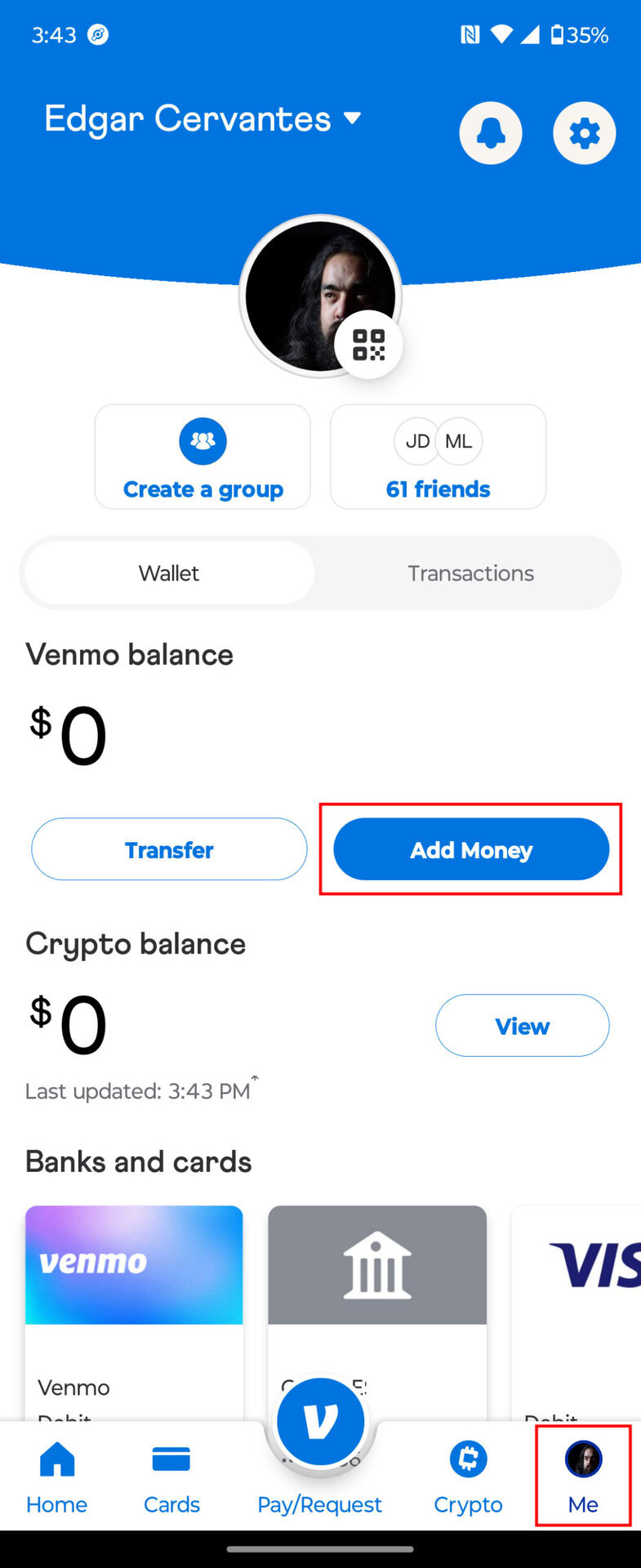
Your Venmo balance is the total sum of money you have accumulated within your Venmo account. These funds are not immediately transferred to your linked bank account unless you initiate such a transfer. Instead, they reside in your Venmo “wallet,” ready to be spent on goods and services, sent to other Venmo users, or withdrawn to an external financial institution. Think of it as a pre-paid digital account where money can sit, distinct from the temporary pass-through nature of many payment processors. It provides immediate liquidity within the Venmo network, allowing for instant transactions without waiting for bank transfers to clear. This distinct feature empowers users with direct control over their digital funds, making it a powerful tool for managing specific pockets of money or for facilitating frequent, small-value transactions.
How Funds Enter Your Venmo Balance
Funds can accrue in your Venmo balance through several primary channels. The most common method is receiving money from other Venmo users. When a friend pays you back for dinner, a shared utility bill, or a gift, that money is typically deposited directly into your Venmo balance. Another significant way is through direct deposits, particularly for those who opt to use Venmo for receiving paychecks or government benefits. Furthermore, users can manually add money to their Venmo balance from a linked bank account or debit card. This “cash in” feature allows individuals to pre-load their Venmo account, providing a buffer for future transactions or to segregate funds for specific purposes, much like topping up a physical wallet before a shopping trip. This flexibility in funding sources underscores its role as a versatile financial tool rather than just a transaction conduit.
Distinguishing from Linked Accounts
It is critical to differentiate your Venmo balance from your linked bank accounts or credit cards. While Venmo allows you to send money directly from these external sources, the Venmo balance itself is separate. When you send money from a linked bank account, Venmo acts as an intermediary, pulling funds from your bank and pushing them to the recipient. However, when you send money from your Venmo balance, you are using funds already held within the Venmo ecosystem. This distinction is vital for financial planning, as it means funds in your Venmo balance are not earning interest as they might in a savings account, nor are they immediately subject to the same protections or oversight as funds held in FDIC-insured bank accounts (though Venmo does have its own safeguards). Understanding this separation is key to managing your liquidity and risk exposure within the digital financial realm.
Managing Your Funds: Practical Aspects of Venmo Balance
The utility of a Venmo balance extends beyond merely holding money; it encompasses a broad spectrum of practical applications that streamline daily financial interactions. From peer-to-peer payments to broader consumer transactions, effective management of your Venmo balance can significantly enhance your financial fluidity.
Sending and Receiving Money
The core functionality of Venmo revolves around its effortless peer-to-peer payment system. When you send money to another Venmo user, you can opt to use your existing Venmo balance. This is often the quickest method, as the funds are already within the Venmo network, avoiding potential delays associated with bank transfers. Similarly, when you receive money, it automatically defaults to your Venmo balance, making it instantly available for your next transaction. This instantaneity is a major draw, facilitating quick reimbursements among friends, family, or even for small business transactions where immediate settlement is desired.
Making Purchases with Your Balance
Beyond person-to-person transfers, your Venmo balance can be utilized for commercial purchases. Many online retailers and apps now accept Venmo as a payment method, allowing you to pay directly from your accumulated balance. This expands Venmo’s utility beyond just social payments, positioning it as a viable alternative to traditional credit or debit cards for everyday spending. For users who keep a healthy balance, this means another avenue to spend without directly tapping into their primary bank account or accruing credit card debt. It can also serve as a dedicated fund for online shopping, helping users control spending by pre-loading a specific amount.
Transferring Funds to Your Bank Account
One of the most crucial features for managing your Venmo balance is the ability to transfer funds out to a linked bank account. Venmo typically offers two transfer options: standard and instant. Standard transfers are usually free and take 1-3 business days to process, akin to an ACH transfer. Instant transfers, on the other hand, move funds to your bank account or eligible debit card within minutes, but often incur a small fee (e.g., 1.75% with a minimum and maximum fee). This flexibility allows users to control when and how they access their digital funds in their traditional banking system, offering a critical bridge between the digital wallet and conventional financial institutions.
The Venmo Debit Card and Credit Card
To further integrate the Venmo balance into everyday spending, Venmo offers physical cards. The Venmo Debit Card is directly linked to your Venmo balance. This allows you to spend your balance anywhere Mastercard is accepted, essentially transforming your digital balance into a universally accepted payment method. If your Venmo balance is insufficient, the card can be configured to draw funds from a linked bank account. This card is a powerful tool for those who frequently accumulate funds on Venmo and wish to use them for regular purchases without constantly transferring money to their bank. Additionally, Venmo has introduced a Venmo Credit Card, which operates more like a traditional credit card, offering rewards on spending categories. While the credit card isn’t directly tied to your Venmo balance in the same way the debit card is, it demonstrates Venmo’s expanding financial product suite designed to capture a larger share of consumer spending.
Financial Implications and Best Practices
While the convenience of a Venmo balance is undeniable, its use carries several financial implications that users should carefully consider. Adopting best practices is crucial for ensuring both security and optimal financial management.
Security of Funds and FDIC Insurance
A common misconception is that funds held in a Venmo balance are protected by FDIC insurance in the same manner as a traditional bank account. Generally, they are not. Venmo, as a money transmitter, is subject to different regulations. While Venmo employs robust security measures to protect user accounts and funds against unauthorized access, the nature of the protection differs. In the event of Venmo’s insolvency, direct FDIC insurance typically does not cover funds held in your Venmo balance. However, Venmo (through its parent company, PayPal) often holds user funds in pooled, FDIC-insured bank accounts, which offers a layer of protection, though the direct pass-through guarantee of personal bank accounts isn’t always identical. For significant sums, it’s generally advisable to transfer funds to a traditional FDIC-insured bank account.

Reporting and Record Keeping for Taxes
For most personal peer-to-peer transactions (e.g., splitting a dinner bill), Venmo balances have minimal tax implications. However, for those using Venmo for business purposes, side hustles, or for receiving income (including contractor payments), the funds accumulated in a Venmo balance are indeed taxable income. Venmo is required to report certain payment transactions to the IRS, particularly for goods and services transactions exceeding specific thresholds (e.g., over $600 in a calendar year from a single user or multiple users for goods/services). It is imperative for users, especially freelancers or small business owners, to maintain meticulous records of all business-related income received via Venmo balance and accurately report it on their tax returns. Misunderstanding these requirements can lead to tax liabilities and penalties.
Fees Associated with Your Balance
While sending and receiving money directly from your Venmo balance to another Venmo user is typically free, certain actions incur fees. As mentioned, instant transfers to a bank account or debit card usually come with a percentage-based fee. Using a credit card to send money (rather than your balance or a linked bank account/debit card) also incurs a fee, typically around 3%. Additionally, some transactions, particularly those designated as “goods and services” payments, may involve a seller fee, which is often absorbed by the seller. Understanding this fee structure is vital to avoid unexpected charges and to maximize the value of your Venmo balance. Habitual instant transfers, for example, can accumulate significant costs over time.
Budgeting and Financial Planning with Venmo
A Venmo balance can be a double-edged sword for budgeting. Its ease of use can lead to impulsive spending or a lack of clear oversight if not managed deliberately. However, it can also be a powerful budgeting tool. Users can choose to keep a separate “pocket” of money in their Venmo balance specifically for social outings, shared expenses, or a particular saving goal. By pre-loading a set amount, one can adhere to a strict budget for these categories. Regular monitoring of your transaction history within the app is crucial for effective budgeting and to ensure that funds are being used as intended. Integrate your Venmo balance activity into your overall personal financial statements to get a holistic view of your cash flow.
The Importance of Regular Monitoring
Like any financial account, regular monitoring of your Venmo balance and transaction history is paramount. This not only helps with budgeting but also serves as a critical security measure. Promptly reviewing transactions can help identify unauthorized activity, errors, or fraudulent charges, allowing you to report them to Venmo immediately. It also ensures that payments are correctly attributed and that you are not overlooking any incoming funds. Treating your Venmo balance with the same vigilance as you would a traditional bank account is a fundamental best practice for digital financial hygiene.
Venmo Balance vs. Traditional Banking: Key Differences
While a Venmo balance serves as a digital repository for funds, it operates with distinct differences from a traditional bank account, which are critical for users to understand for sound financial management.
Not a Bank Account (But Functions Similarly)
It’s crucial to reiterate that Venmo is not a bank. It is a licensed money transmitter. While your Venmo balance functions much like a checking account in its ability to hold funds, send payments, and facilitate purchases, it lacks some core features and protections of a federally insured deposit account. Banks are heavily regulated financial institutions that provide services like loans, mortgages, and investment opportunities, and are subject to stringent oversight by regulatory bodies like the Federal Reserve and FDIC. Venmo focuses primarily on payment processing and peer-to-peer transfers.
Interest Earning Potential (or Lack Thereof)
A significant difference lies in the potential for interest earnings. Funds held in a traditional savings account, and sometimes even checking accounts, typically accrue interest over time, contributing to wealth accumulation. In contrast, money held in your Venmo balance does not earn interest. For individuals holding substantial sums for extended periods, this means a lost opportunity for passive income. This financial reality underscores the recommendation to only keep amounts necessary for immediate transactions in your Venmo balance and to transfer larger, idle sums to an interest-bearing savings account.
Overdraft Protection and Credit Facilities
Traditional banks often provide overdraft protection, either as a linked savings account transfer or a line of credit, to prevent transactions from being declined when funds are insufficient. They also offer a wide array of credit facilities, including personal loans, credit cards, and mortgages. Venmo, as a payment platform, does not offer these conventional banking services for its balance users. While the Venmo Credit Card provides a credit line, it is a separate product from the Venmo balance itself. This absence means users must be diligent in managing their Venmo balance to avoid failed transactions or relying on it for credit needs.
Maximizing Your Venmo Balance for Financial Efficiency
When understood and utilized correctly, your Venmo balance can be a powerful tool for enhancing financial efficiency, particularly for specific use cases.
Leveraging Venmo for Group Payments
Venmo excels in simplifying group payments. Whether it’s splitting restaurant bills, vacation expenses, or household utilities, the ability to send and receive money instantly into a Venmo balance makes collective financial management effortless. One person can pay upfront, and others can quickly send their share to their Venmo balance. This eliminates the awkwardness of IOUs and ensures timely reimbursements, making it an indispensable tool for social and communal financial interactions.
Streamlining Small Business Transactions
For freelancers, micro-entrepreneurs, or small businesses, Venmo can offer a simple way to receive payments for goods and services. By accepting payments into a Venmo balance, these entities can streamline their cash flow, offering a convenient payment option to clients or customers, particularly for low-value transactions where traditional invoicing might be cumbersome. It’s crucial, however, to correctly classify these as business transactions to ensure proper tax reporting and to understand any associated seller fees.
Strategic Use of Instant Transfers
While instant transfers incur a fee, their strategic use can be invaluable in specific financial scenarios. For instance, in an emergency where immediate access to funds is critical, transferring a Venmo balance to your bank account within minutes can provide rapid liquidity. Similarly, if you need to quickly consolidate funds from various sources into your primary checking account for a larger bill payment or investment, the speed of instant transfers can prevent late fees or missed opportunities. Weighing the cost against the urgency of the need is key to using this feature judiciously.
In conclusion, your Venmo balance is far more than just a fleeting digital figure; it is a dynamic financial instrument that requires thoughtful management. By understanding its nature as a digital wallet, its distinct differences from traditional banking, and the various practical applications and financial implications, users can harness its convenience while maintaining robust financial health and security in the modern digital economy. Responsible engagement with your Venmo balance is a cornerstone of effective personal finance in the 21st century.
aViewFromTheCave is a participant in the Amazon Services LLC Associates Program, an affiliate advertising program designed to provide a means for sites to earn advertising fees by advertising and linking to Amazon.com. Amazon, the Amazon logo, AmazonSupply, and the AmazonSupply logo are trademarks of Amazon.com, Inc. or its affiliates. As an Amazon Associate we earn affiliate commissions from qualifying purchases.