
The intersection of decentralized finance and centralized authority has created one of the most intriguing paradoxes in the modern financial landscape. While Bitcoin was originally conceived as a peer-to-peer electronic cash system designed to bypass government oversight, the United States government has emerged as one of the world’s largest “whales.” Through a series of high-profile seizures and law enforcement actions, the federal government currently sits on a multi-billion dollar digital treasure chest that has significant implications for global markets, institutional investing, and the future of the American fiscal strategy.
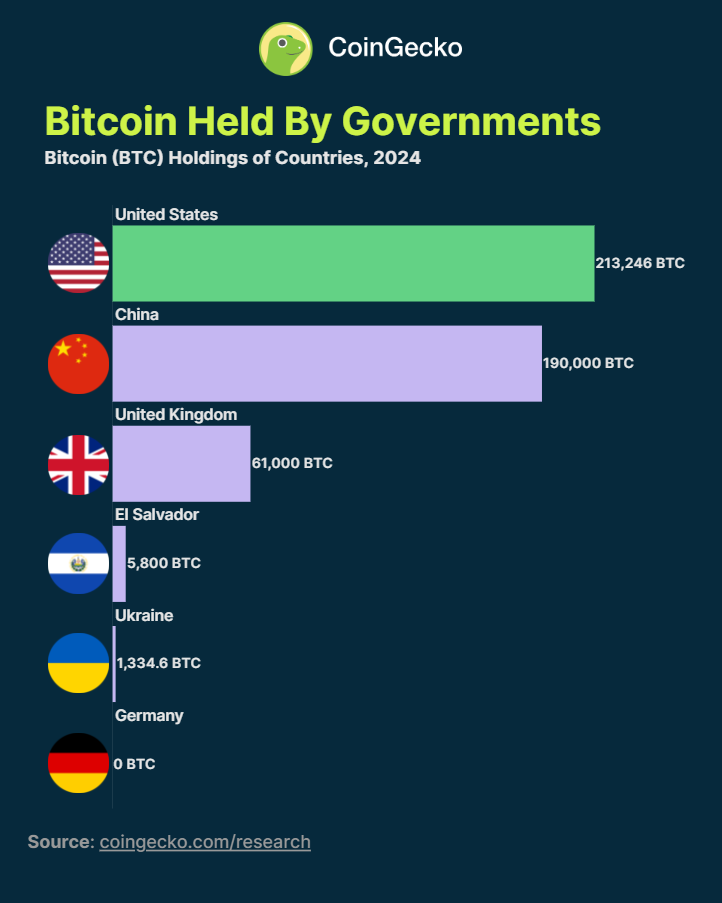
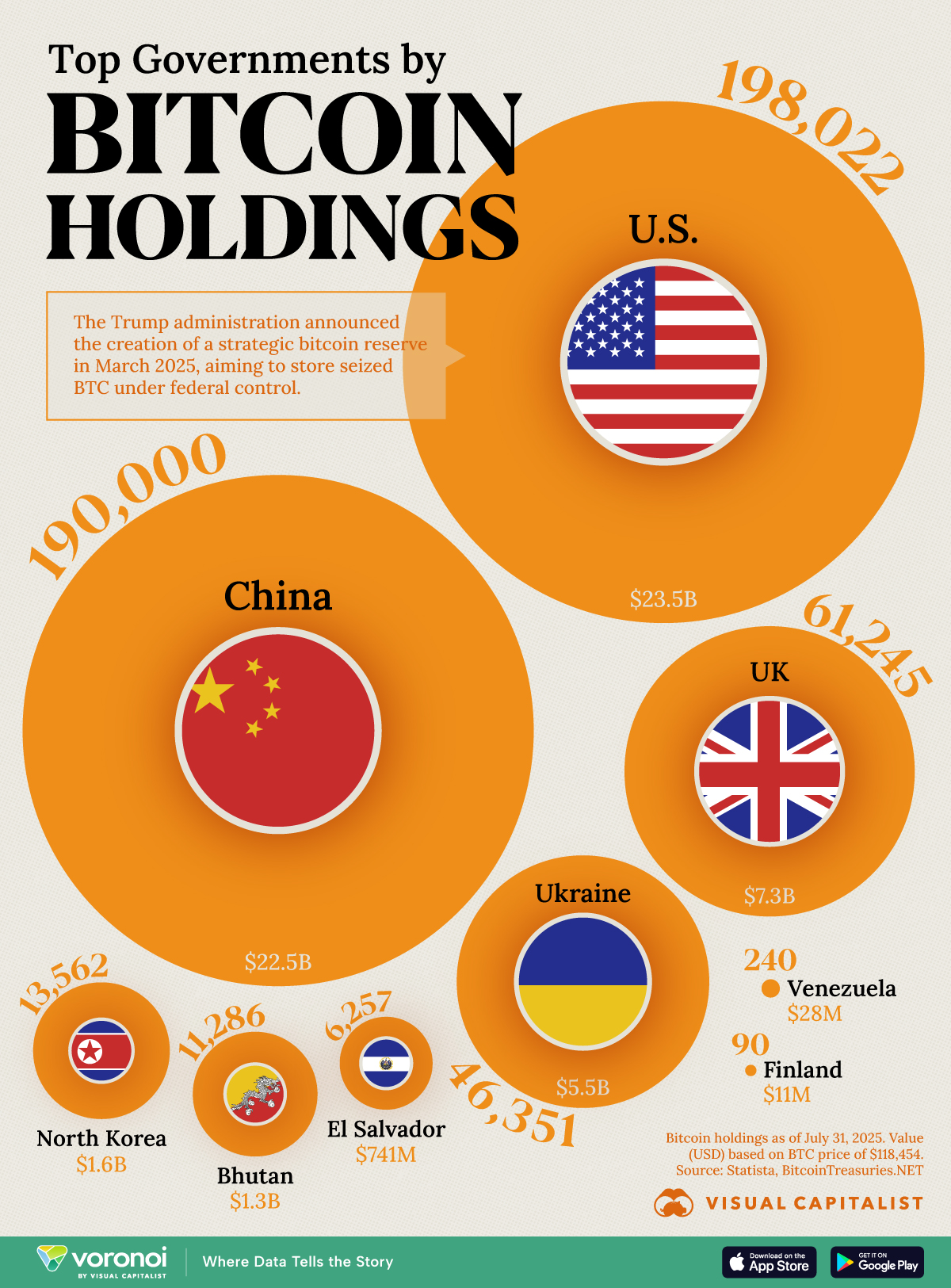
As of late 2024, estimates suggest that the U.S. government holds approximately 200,000 to 215,000 Bitcoins. At a market price of $65,000 per coin, this valuation exceeds $13 billion. This massive stockpile places the United States ahead of most corporate entities, including MicroStrategy, and far ahead of other nation-states. Understanding how the government acquired this wealth, how it manages it, and what it intends to do with it is essential for any investor navigating the digital asset space.
The Origins of the Federal Bitcoin Portfolio: From Seizures to Sovereignty
The U.S. government did not acquire its Bitcoin through traditional investment or mining operations. Instead, the vast majority of its holdings are the result of legal forfeitures stemming from criminal investigations. These seizures represent the “spoils of war” in the digital age, where the Department of Justice (DOJ) and the Internal Revenue Service (IRS) target cybercriminals, darknet markets, and money laundering syndicates.
The Silk Road Legacy
The first major influx of Bitcoin into the federal coffers began with the shutdown of the Silk Road in 2013. The darknet marketplace, operated by Ross Ulbricht, was the primary conduit for illegal transactions using Bitcoin in the early 2010s. When the FBI seized the site, they also seized the site’s wallets. While many of those early coins were auctioned off years ago—most famously to venture capitalist Tim Draper—the Silk Road case continued to yield results nearly a decade later. In 2020, the government seized over 50,000 BTC from an individual known as “Individual X,” who had hacked the Silk Road years prior. This single recovery instantly propelled the U.S. into the ranks of the largest holders.
The Bitfinex Hack and the Lichtenstein Case
Another massive contributor to the federal balance sheet was the recovery of assets related to the 2016 Bitfinex hack. In 2022, the DOJ announced the seizure of approximately 94,000 BTC from Ilya Lichtenstein and Heather Morgan. At the time of the seizure, the value was roughly $3.6 billion, marking the largest single financial seizure in Department of Justice history. The recovery of these funds demonstrated the federal government’s increasing sophistication in blockchain forensics, proving that the “anonymity” of the blockchain is no match for dedicated federal investigators.
The James Zhong Forfeiture
In late 2022, the government officially announced the forfeiture of over 50,000 BTC from James Zhong. Zhong had successfully defrauded the Silk Road marketplace in 2012, hiding the stolen assets for nearly ten years. Federal agents discovered the private keys on a single-board computer submerged under blankets in a popcorn tin stored in a floor closet. This case highlighted not only the immense value of the holdings but also the physical security measures required to protect them.
Management and Custody of Seized Digital Assets
Handling billions of dollars in highly volatile, liquid digital assets requires a logistical framework far more complex than managing seized physical cash or real estate. The responsibility for these assets primarily falls under the U.S. Marshals Service (USMS), a division of the Department of Justice.
The Role of the U.S. Marshals Service
The USMS is the primary agency tasked with the custody and disposal of seized assets. Historically, the USMS employed a system of public auctions to liquidate Bitcoin. These auctions were often high-profile events where institutional investors and high-net-worth individuals bid for large blocks of BTC. However, as the market matured, the USMS transitioned toward more sophisticated liquidation methods to minimize market disruption and maximize the return for the U.S. Treasury.
Institutional Custody Solutions
To ensure the security of these assets, the government does not simply store private keys on “popcorn tin” laptops. Instead, they utilize institutional-grade custody solutions. In 2024, the U.S. Marshals Service entered into a partnership with Coinbase Prime to provide custody and trading services for their “Class 1” (large cap) digital assets. This partnership allows the government to store assets in cold storage—offline environments protected by multi-signature authorization and geographical distribution—ensuring that the billions in taxpayer-claimed value are safe from cyber threats.
The Shift from Auctions to Market Liquidation
In the early days of Bitcoin, the government’s priority was to offload the “contraband” as quickly as possible. Today, the approach is more calculated. Rather than dumping tens of thousands of coins in a single afternoon—which would crater the price and result in lower proceeds—the government now uses algorithmic trading and OTC (Over-the-Counter) desks to liquidate assets gradually. This professionalized approach reflects the government’s acknowledgment of Bitcoin as a legitimate financial asset with a deep, liquid market.

Market Impact: Why the Government’s “Sell-Off” Matters to Investors
For the private investor, the government’s Bitcoin holdings represent a “Sword of Damocles” hanging over the market. Because the government’s cost basis is effectively zero—having seized the assets rather than bought them—any sale represents pure profit for the Treasury. This creates a unique market dynamic where a single government move can trigger significant volatility.
The “FUD” Factor and Price Suppression
The market is hyper-sensitive to the movement of “government-tagged” wallets. On-chain analytics firms like Arkham Intelligence track these wallets in real-time. Whenever the government moves Bitcoin to an exchange address (like Coinbase), the market often reacts with fear, uncertainty, and doubt (FUD). Traders anticipate a massive sell-off, leading to “front-running” the government by selling their own positions first. This can lead to flash crashes or prolonged periods of price stagnation as the market absorbs the potential supply.
Comparing Government Sales to Corporate Holdings
It is useful to compare the government’s holdings to other large entities. While MicroStrategy holds a similar amount of Bitcoin, their strategy is “HODLing”—they buy with the intent to hold indefinitely as a reserve asset. The government, conversely, has traditionally been a seller. When a seller of this magnitude operates in the market, it creates a “supply overhang.” For Bitcoin to reach new all-time highs, it must often overcome the selling pressure exerted by these federal liquidations.
Global Precedent: The Case of Germany
The impact of government liquidations was starkly illustrated in mid-2024 when the German government (specifically the state of Saxony) liquidated nearly 50,000 BTC seized from a movie piracy site. The rapid sale over several weeks put significant downward pressure on the global price of Bitcoin. If the U.S. government—which holds four times as much as Germany did—were to decide on a rapid liquidation, the impact on personal portfolios and institutional confidence could be catastrophic in the short term.
Bitcoin as a Strategic Reserve: The Shifting Political Landscape
As the 2024 political cycle progressed, a radical new idea began to gain traction in Washington: the concept of a “Strategic Bitcoin Reserve.” This represents a fundamental shift in how the government views its holdings—moving from “seized contraband” to “strategic national asset.”
Legislative Proposals and the Lummis Bill
Senator Cynthia Lummis has introduced legislation, often referred to as the “BITCOIN Act,” which proposes that the U.S. Treasury build a reserve of 1 million Bitcoins over five years. Under this plan, the government would not only keep the Bitcoin it already owns but would actively purchase more. The logic behind this is grounded in business finance and national security; as the national debt continues to climb, proponents argue that a “hard asset” like Bitcoin could act as a hedge against currency debasement and a tool for debt reduction.
The “Never Sell” Policy
During the 2024 Bitcoin Conference, various political figures suggested that the U.S. should adopt a policy of never selling its seized Bitcoin. The argument is that if Bitcoin eventually becomes a global reserve currency or a digital version of gold, the U.S. would benefit from being an early adopter. By holding 200,000+ BTC, the U.S. maintains a significant stake in the future of the global digital economy. This shift in rhetoric has turned the “sell-off” fear into a “supply crunch” hope for many investors.
Geopolitical Implications
The U.S. government’s stance on its Bitcoin holdings also has a geopolitical dimension. If the U.S. officially designates Bitcoin as a reserve asset, it would likely trigger a “space race” among other nation-states. Countries like China, Russia, and members of the EU would be forced to reconsider their own digital asset strategies. For the investor, this would mean an unprecedented level of institutional and sovereign demand, potentially driving the price of the asset to levels previously thought impossible.
The Future of the Federal Bitcoin Stash
The question of “how much Bitcoin does the US government own” is about more than just a number on a ledger; it is a question of national financial policy. Currently, the U.S. sits on a fortune that it acquired by accident, yet this fortune has become a pivotal piece of the global financial puzzle.
In the short term, investors should expect continued volatility whenever government wallets show activity. The transition of these assets from the DOJ’s evidence lockers to the Treasury’s balance sheet (or back into the open market) will be one of the most closely watched trends in finance. Whether the government remains a reluctant holder or becomes a strategic “HODLer,” its 200,000 BTC represent a massive vote of confidence in the underlying value of the technology.
For the personal investor, the government’s behavior serves as a masterclass in the importance of digital custody and the reality of market liquidity. As the U.S. continues to navigate the complexities of the digital age, its multi-billion dollar Bitcoin portfolio stands as a testament to the fact that even the world’s most powerful financial entity cannot ignore the rise of decentralized money. The “popcorn tin” days are over; we have entered the era of the sovereign Bitcoin whale.
aViewFromTheCave is a participant in the Amazon Services LLC Associates Program, an affiliate advertising program designed to provide a means for sites to earn advertising fees by advertising and linking to Amazon.com. Amazon, the Amazon logo, AmazonSupply, and the AmazonSupply logo are trademarks of Amazon.com, Inc. or its affiliates. As an Amazon Associate we earn affiliate commissions from qualifying purchases.