
For any prospective homebuyer or current homeowner looking to refinance, the question of “what are mortgage interest rates today” is more than a simple inquiry—it is the central pivot point of their financial future. Mortgage rates dictate the monthly cost of borrowing, the total interest paid over decades, and the overall purchasing power of a household. In the current economic climate, characterized by historic volatility and shifting monetary policies, understanding the mechanics behind these rates is essential for making informed personal finance decisions.
Mortgage rates do not exist in a vacuum. They are the product of complex interactions between global bond markets, central bank policies, and individual borrower profiles. As we navigate a period of transition in the financial sector, staying updated on these fluctuations is the difference between a manageable investment and a heavy financial burden.
Understanding the Factors Driving Today’s Mortgage Rates
To understand why mortgage interest rates are at their current levels, one must look at the broader macroeconomic landscape. While many consumers believe the Federal Reserve sets mortgage rates directly, the reality is more nuanced.
The Role of the Federal Reserve and Monetary Policy
The Federal Reserve influences mortgage rates primarily through the Federal Funds Rate. While this is the rate banks charge each other for overnight loans, it sets a floor for the cost of capital throughout the economy. When the Fed raises rates to combat inflation, the cost of borrowing for banks increases, which is subsequently passed on to consumers in the form of higher mortgage rates. Furthermore, the Fed’s history of purchasing Mortgage-Backed Securities (MBS) significantly impacts liquidity in the housing market. When the Fed reduces its balance sheet—a process known as quantitative tightening—it puts upward pressure on mortgage yields.
Inflation and Its Impact on Long-Term Yields
Inflation is the natural enemy of fixed-income investments like mortgages. If inflation is high, the purchasing power of the future interest payments a lender receives is diminished. To compensate for this risk, investors demand higher yields. Therefore, mortgage rates often track the 10-year Treasury note yield. When investors see rising inflation data, they sell bonds, driving yields up and causing mortgage rates to follow suit. Monitoring the Consumer Price Index (CPI) and Personal Consumption Expenditures (PCE) reports is vital for anyone trying to predict the direction of interest rates in the short term.
Economic Indicators and Market Sentiment
The health of the labor market and general economic growth also play pivotal roles. Strong jobs reports and high GDP growth typically signal a robust economy, which can lead to higher rates as the demand for credit increases. Conversely, signs of an impending recession often drive investors toward the safety of government bonds, which can lower yields and bring mortgage rates down. Today’s market is particularly sensitive to these data points, often reacting within minutes of a major economic release.
Types of Mortgages and How Their Rates Differ
Not all mortgage rates are created equal. Depending on the loan product selected, a borrower may encounter significantly different interest rate offers. Choosing the right structure is a critical component of a sound financial strategy.
Fixed-Rate vs. Adjustable-Rate Mortgages (ARMs)
The 30-year fixed-rate mortgage remains the gold standard for American homeowners, offering the security of a consistent payment for the life of the loan. However, in high-rate environments, Adjustable-Rate Mortgages (ARMs) often become more attractive. ARMs typically offer a lower initial “teaser” rate for a set period (such as 5, 7, or 10 years) before adjusting based on market indices. While ARMs carry the risk of future rate hikes, they can be a strategic choice for those who plan to sell or refinance before the adjustment period begins.
Government-Backed Loans: FHA, VA, and USDA
For many, the path to homeownership involves government-insured loans. FHA loans, backed by the Federal Housing Administration, often feature lower interest rates than conventional loans to help those with lower credit scores or smaller down payments. VA loans, available to veterans and active-duty service members, frequently offer the most competitive rates in the market with the added benefit of zero down payment. USDA loans provide similar benefits for rural development. While the base rates on these loans are low, borrowers must account for mortgage insurance premiums (MIP or PMI), which can increase the effective annual percentage rate (APR).
Jumbo Loans and High-Balance Financing
In high-cost real estate markets, borrowers may require “Jumbo” loans—mortgages that exceed the conforming loan limits set by Fannie Mae and Freddie Mac. Historically, Jumbo loans carried higher interest rates due to the increased risk to the lender. However, in recent years, the gap between conventional and Jumbo rates has narrowed, and at times, Jumbo rates have even been lower. This occurs when large banks have a high appetite for keeping these substantial loans on their own balance sheets rather than selling them into the secondary market.
How to Qualify for the Best Mortgage Interest Rates Today
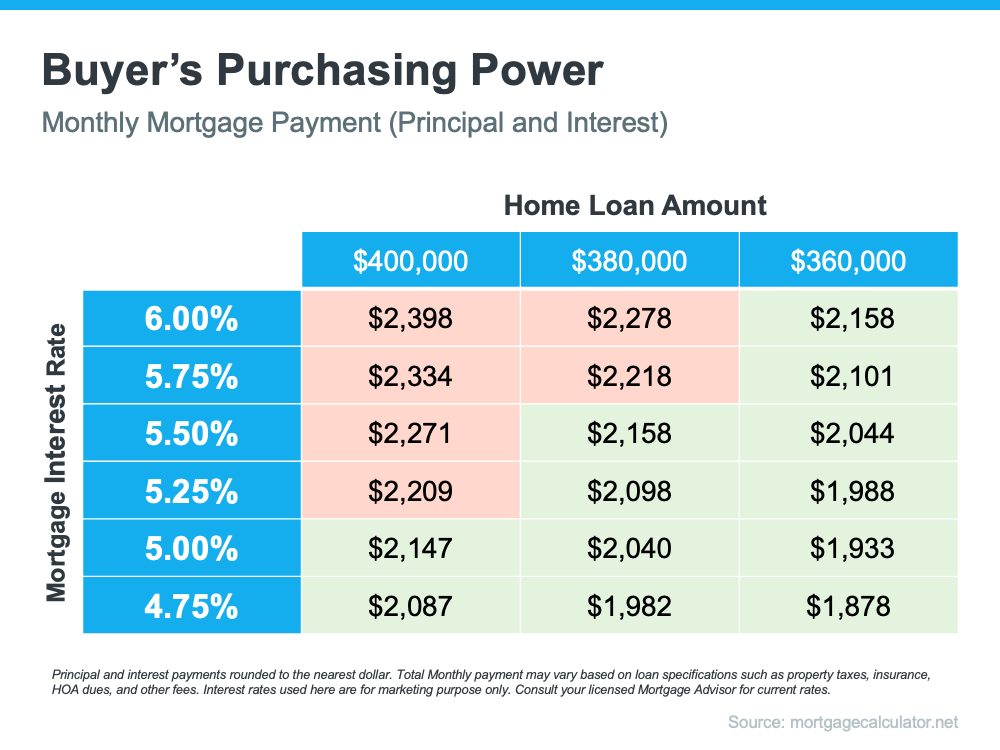
While market forces set the baseline, your personal financial health determines where you fall on the spectrum of available rates. Lenders price loans based on risk; the lower your perceived risk, the lower your rate.
The Importance of Your Credit Score
In the eyes of a mortgage underwriter, your credit score is the most significant indicator of your reliability. A score of 740 or higher generally grants access to the “prime” rate tier. Even a 20-point difference in your score can result in a 0.25% to 0.50% difference in your interest rate. Over a 30-year loan, this seemingly small gap can translate into tens of thousands of dollars in extra interest. For those looking to enter the market, spending six months to a year optimizing their credit profile is often the most profitable investment they can make.
Debt-to-Income (DTI) Ratios and Financial Stability
Lenders also scrutinize your Debt-to-Income (DTI) ratio, which measures how much of your monthly gross income goes toward debt payments. A lower DTI ratio suggests you have more breathing room to handle a mortgage payment, making you a more attractive borrower. Most conventional lenders prefer a DTI below 36%, though some programs allow up to 43% or higher. Lowering your DTI by paying off car loans or credit card balances before applying for a mortgage can sometimes result in better rate offers.
The Power of a Down Payment and Loan-to-Value (LTV)
The more skin you have in the game, the less risk the lender bears. A down payment of 20% or more eliminates the need for Private Mortgage Insurance (PMI) and often unlocks lower interest rates. The Loan-to-Value (LTV) ratio is the inverse of your down payment; a lower LTV is highly favored by lenders. If you are on the cusp of a lower LTV bracket (e.g., 80% vs. 85%), it may be worth delaying your purchase or sourcing extra funds to secure a more favorable rate.
Strategies for Timing the Market and Locking in Rates
Given the daily volatility of mortgage interest rates, the timing of your application and the execution of a “rate lock” are essential tactical moves.
To Lock or to Float: Making the Decision
Once you are under contract for a home, you face a choice: lock in the current rate or “float” and hope rates decrease before closing. A rate lock guarantees your interest rate for a specific period (usually 30 to 60 days). In a rising rate environment, locking early is usually the safest bet. Some lenders offer a “float-down” option, which allows you to lock a rate but still take advantage of a decrease if market rates drop significantly before your loan closes. However, these options often come with a small fee or a slightly higher initial rate.
Discount Points vs. Higher Interest Rates
Borrowers often have the option to “buy down” their interest rate by paying discount points at closing. One point typically costs 1% of the total loan amount and reduces the interest rate by approximately 0.25%. This is essentially a trade-off between upfront capital and long-term savings. The decision to buy points should be based on a “breakeven analysis”—calculating how many months of lower payments it will take to recoup the initial cost of the points. If you plan to stay in the home for a decade or more, buying points can be a highly effective financial move.
Refinancing Considerations in a High-Rate Environment
For those who purchased homes when rates were at historic lows, today’s rates may seem prohibitive. However, for those who bought recently at the peak of the rate cycle, a future “refinance boom” is always a possibility. The general rule of thumb is that if you can reduce your rate by 0.75% to 1.0%, refinancing becomes financially viable. It is important to account for closing costs, which typically range from 2% to 5% of the loan amount, to ensure the new loan actually saves money over time.
The Long-Term Outlook: Predicting the Future of Mortgage Lending
As we look toward the future, the mortgage landscape continues to evolve, influenced by both economic trends and technological advancements.
Market Forecasts and Economic Normalization
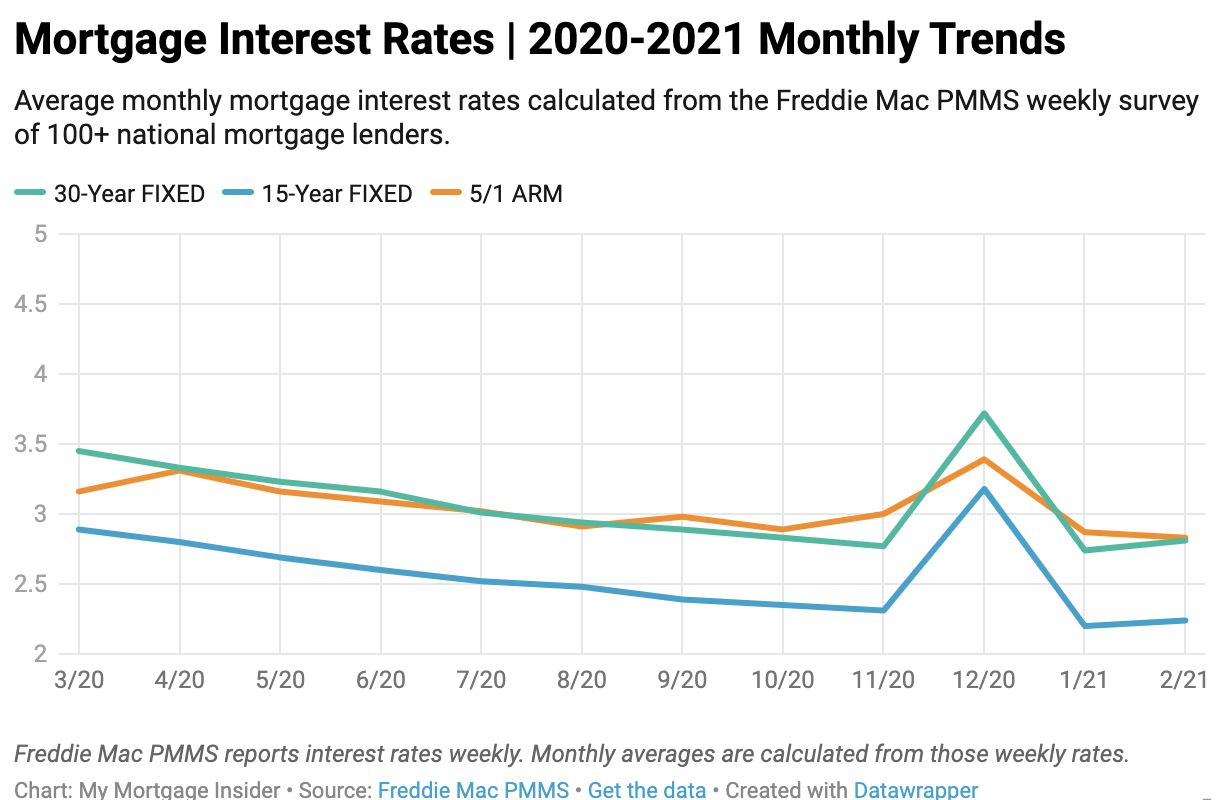
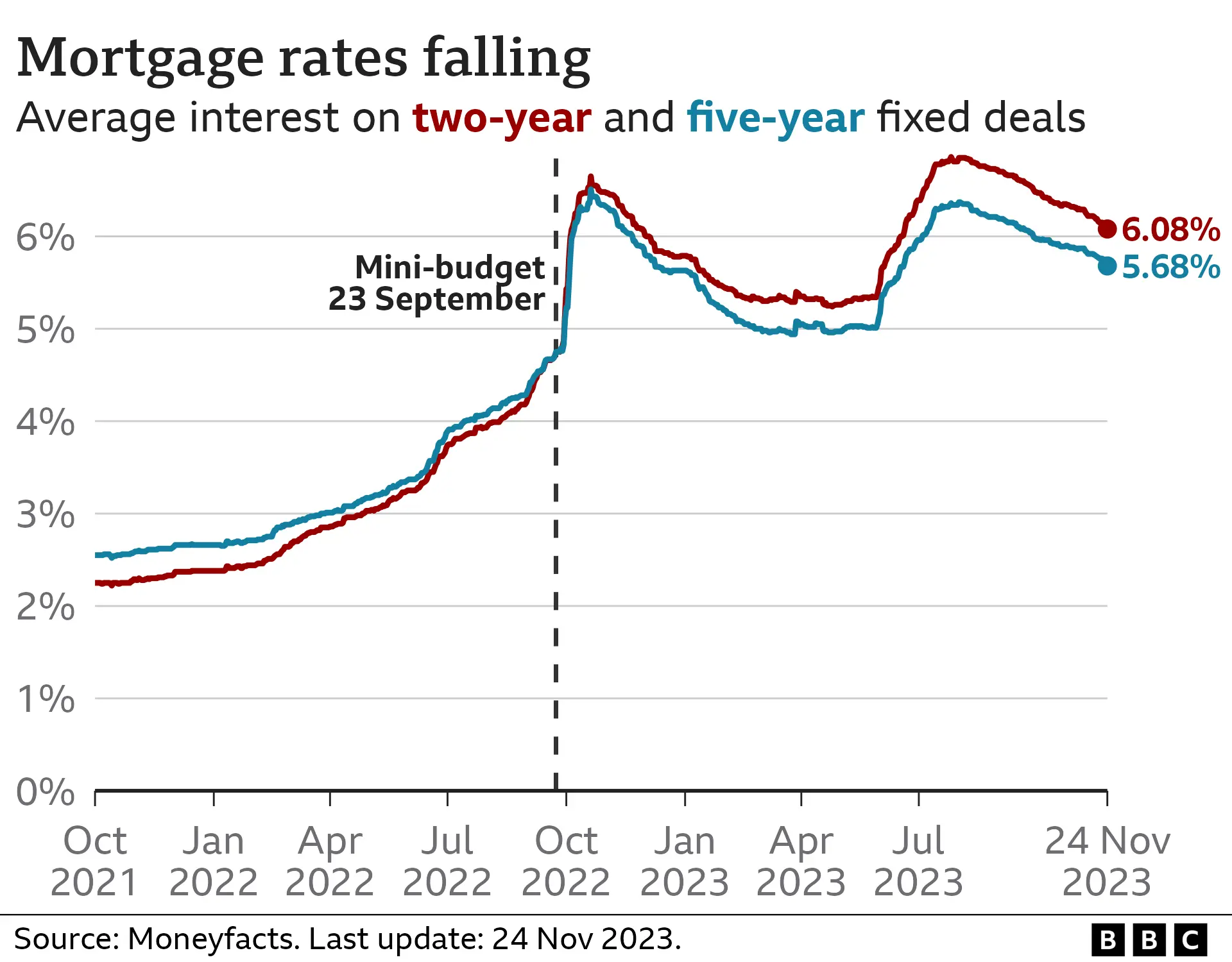
Most economists expect mortgage rates to eventually stabilize as inflation reaches central bank targets. While the sub-3% rates of 2020 and 2021 were historical anomalies, a return to “normal” historical averages—somewhere between 5% and 6%—is widely anticipated. For buyers, this means recalibrating expectations and focusing on the long-term utility of the home rather than trying to perfectly time a bottom in the interest rate market.
How Technology is Shaping Modern Lending
The “fintech” revolution has streamlined the mortgage application process, allowing for faster approvals and more transparent rate shopping. Digital-first lenders and automated underwriting systems are reducing the overhead costs of loan origination, which can sometimes result in lower rates for tech-savvy consumers. Furthermore, the rise of blockchain and digital title transfers may eventually reduce the closing costs associated with mortgages, providing further relief to the personal finances of homeowners.
In conclusion, understanding “what is mortgage interest rates today” requires a holistic view of the economy, a clear assessment of one’s own financial health, and a strategic approach to loan selection. While the numbers on the screen may change daily, the fundamental principles of creditworthiness, risk management, and market awareness remain the constants that guide a successful path to homeownership and financial security.
aViewFromTheCave is a participant in the Amazon Services LLC Associates Program, an affiliate advertising program designed to provide a means for sites to earn advertising fees by advertising and linking to Amazon.com. Amazon, the Amazon logo, AmazonSupply, and the AmazonSupply logo are trademarks of Amazon.com, Inc. or its affiliates. As an Amazon Associate we earn affiliate commissions from qualifying purchases.