
The transition from standing in long, physical queues to securing a seat via a smartphone has been one of the most seamless digital transformations in the entertainment industry. For the modern cinephile, the question of where to buy movie tickets online is not just about finding a website; it is about choosing the right software ecosystem that offers the best user interface, the most robust security, and the smoothest integration with mobile hardware. As cinema technology evolves, the platforms we use to access it have become sophisticated hubs of data management, cloud computing, and secure payment processing.

Understanding the technical landscape of online ticketing requires looking beyond the “Buy” button. It involves exploring the various aggregators, native cinema apps, and third-party integrations that power the global box office. Whether you are looking for the fastest checkout experience or the most secure digital wallet integration, the following breakdown explores the premier technological solutions for purchasing movie tickets in the digital age.
The Evolution of Mobile Ticketing Ecosystems
At the heart of the digital ticketing movement is the shift from paper-based systems to cloud-centralized databases. When you search for a movie online, you are interacting with a complex web of APIs (Application Programming Interfaces) that sync real-time theater inventory with consumer-facing applications.
Native Apps vs. Web Browsers
The first choice a user makes is between using a dedicated mobile application or a standard web browser. While mobile-responsive websites have improved significantly, native applications (built specifically for iOS or Android) generally offer a superior experience. Native apps utilize the device’s hardware more effectively, allowing for biometric authentication (FaceID or fingerprint scanning) and seamless integration with digital wallets like Apple Wallet or Google Pay. This reduces the friction of data entry and enhances security by utilizing tokenized payment methods.
The Role of Aggregators vs. Direct Cinema Platforms
Digital ticketing generally falls into two technological categories: aggregators and proprietary theater platforms. Aggregators like Fandango or Atom Tickets act as a centralized UI for hundreds of different theater chains. They pull data from various sources into a single, unified interface. Conversely, proprietary apps like those from AMC Theatres or Regal Cinemas focus on a closed ecosystem, offering deeper integration with specific loyalty programs and in-theater amenities. The choice between them often depends on whether a user prioritizes variety or specific brand benefits.
Top-Tier Software Solutions for Moviegoers
The software landscape is dominated by a few key players that have perfected the art of the high-volume transaction. These platforms are designed to handle millions of concurrent users, especially during “blockbuster” events where server load peaks.
Fandango and the Power of Massive Databases
Fandango is arguably the most recognizable name in the digital ticketing space. From a technical perspective, Fandango’s strength lies in its massive integration network. It connects to over 33,000 screens globally. The platform utilizes sophisticated caching mechanisms to ensure that movie times and seat availability are updated in near real-time. For the user, this means a reliable “what you see is what you get” experience. Furthermore, Fandango’s acquisition of Vudu has allowed it to create a cross-platform media ecosystem where digital purchases and theatrical tickets exist within the same account framework.
Atom Tickets: Social Integration and UI Innovation
Atom Tickets entered the market as a “mobile-first” platform, focusing heavily on social engineering and modern UI/UX principles. One of its standout features is the “social ticketing” tool, which allows a single user to buy a seat and then send a link to friends so they can purchase the seats next to them. Behind the scenes, this requires a complex reservation-hold algorithm that prevents other users from sniping seats while a group is organizing. Atom also heavily utilizes “QR code” technology, ensuring that the transition from the app to the theater’s physical scanner is instantaneous.
Google Search and Apple Maps Integration
A growing trend in the tech world is the “zero-click” purchase. Both Google and Apple have integrated ticketing directly into their OS-level search functions. By searching for a movie title in a browser or map app, users can often select a time and purchase a ticket without ever visiting a dedicated cinema website. This is made possible through deep linking and API partnerships with the aforementioned aggregators. For the tech-savvy user, this represents the pinnacle of convenience, bypassing the need to manage multiple third-party accounts.
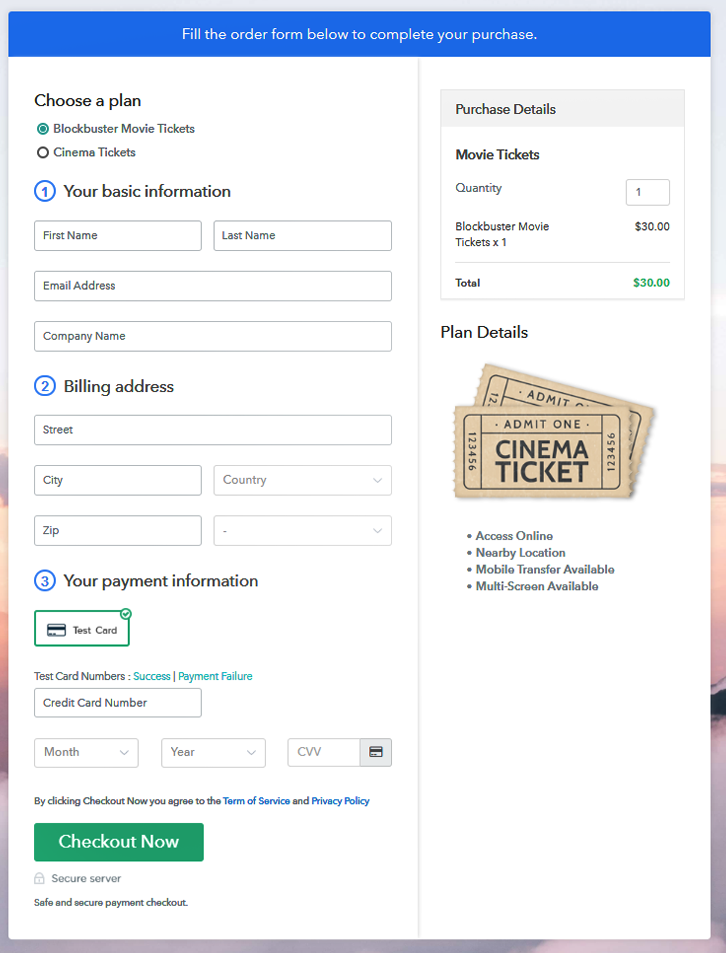
Security Protocols in Online Transaction Processing
When purchasing tickets online, users are transmitting sensitive financial and personal data. The technology behind these platforms must adhere to rigorous security standards to prevent data breaches and fraud.
Encryption and PCI Compliance
Any reputable ticketing platform must be PCI DSS (Payment Card Industry Data Security Standard) compliant. This means that your credit card information is never stored in plain text. Instead, platforms use end-to-end encryption (E2EE). When you enter your card details, they are encrypted at the point of entry and remain so until they reach the payment processor. This ensures that even if a hacker intercepts the data packet, the information remains unreadable.
Digital Wallets and Tokenization
The safest way to buy tickets online is through digital wallets. When you use Apple Pay, Google Pay, or PayPal, the ticketing platform never actually sees your credit card number. Instead, a “token” is generated—a unique, one-time-use digital identifier that represents the transaction. If the ticketing site’s database were ever compromised, the attackers would only find useless tokens rather than actionable financial data. This layer of abstraction is a critical component of modern cybersecurity in the e-commerce space.
Preventing Phishing and Scalping Bots
The digital ticketing industry also faces the challenge of “bots”—automated scripts designed to buy up entire blocks of seats for popular screenings to resell them at a premium. Modern ticketing software employs advanced “bot detection” tools, including CAPTCHA challenges and behavior analysis (monitoring for inhumanly fast clicking patterns). Additionally, to prevent phishing, users should always verify that the URL begins with “https://” and contains a valid SSL certificate, ensuring the connection to the ticketing server is private and authenticated.
Optimizing the Digital Experience with Loyalty Tech
The value proposition of buying tickets online often extends beyond the ticket itself. Technology has allowed theaters to integrate loyalty programs directly into the purchasing flow, creating a more personalized and rewarding experience.
Subscription Models and API Integration
The rise of “Movie Pass” style subscriptions (like AMC Stubs A-List or Regal Unlimited) has changed the backend logic of ticketing apps. These platforms must now manage recurring billing cycles, entitlement checks (verifying if a user has used their weekly “slots”), and complex tax calculations across different jurisdictions. The seamless nature of these apps—where a user can “reserve” a ticket for $0.00—relies on a robust database that can reconcile subscription status with theater inventory in milliseconds.
Digital Rewards and QR Code Seamlessness
The final stage of the online ticket purchase is the “fulfillment.” In the past, this meant printing a confirmation email. Today, it is almost entirely handled via dynamic QR codes. Unlike a static image, a dynamic QR code can be updated remotely. For example, if your theater seat is changed or the showtime is delayed, the app can update the digital ticket in your wallet automatically. This synchronization between the theater’s local server and the cloud-based user account is a prime example of the “Internet of Things” (IoT) working in the entertainment sector.

Future Trends: AI and the Next Frontier of Digital Ticketing
As we look toward the future, the technology for buying movie tickets will become even more predictive and immersive. Artificial Intelligence is already being used to provide “smart recommendations.” If a user frequently buys tickets for sci-fi films on Friday nights, AI algorithms within apps like Fandango or Atom Tickets will begin to push notifications for similar upcoming releases, essentially acting as a digital concierge.
Furthermore, we may soon see the integration of Augmented Reality (AR) in the seat selection process. Instead of looking at a 2D map of a theater, users could use their smartphone to see a 360-degree AR view from the exact seat they are considering. This would require massive amounts of spatial data to be stored and served via the cloud, but it represents the next logical step in the evolution of the user interface.
In conclusion, the question of “where do I buy movie tickets online” is answered by a sophisticated array of tech platforms. Whether you choose an aggregator for its breadth of options, a theater-specific app for its loyalty perks, or an OS-integrated search for its speed, you are engaging with some of the most advanced retail technology available today. By prioritizing platforms that offer native app experiences, robust encryption, and seamless digital wallet support, you can ensure that your path to the big screen is as secure as it is convenient.
aViewFromTheCave is a participant in the Amazon Services LLC Associates Program, an affiliate advertising program designed to provide a means for sites to earn advertising fees by advertising and linking to Amazon.com. Amazon, the Amazon logo, AmazonSupply, and the AmazonSupply logo are trademarks of Amazon.com, Inc. or its affiliates. As an Amazon Associate we earn affiliate commissions from qualifying purchases.