
Navigating the financial landscape of modern entertainment requires more than just a passing glance at a marquee. For the savvy consumer and the business-minded individual alike, the cost of a movie ticket at AMC Theaters—the world’s largest cinema chain—is a variable figure influenced by geography, technology, timing, and corporate strategy. Understanding these price points is essential for budgeting personal entertainment and grasping the broader economic shifts within the theatrical exhibition industry.
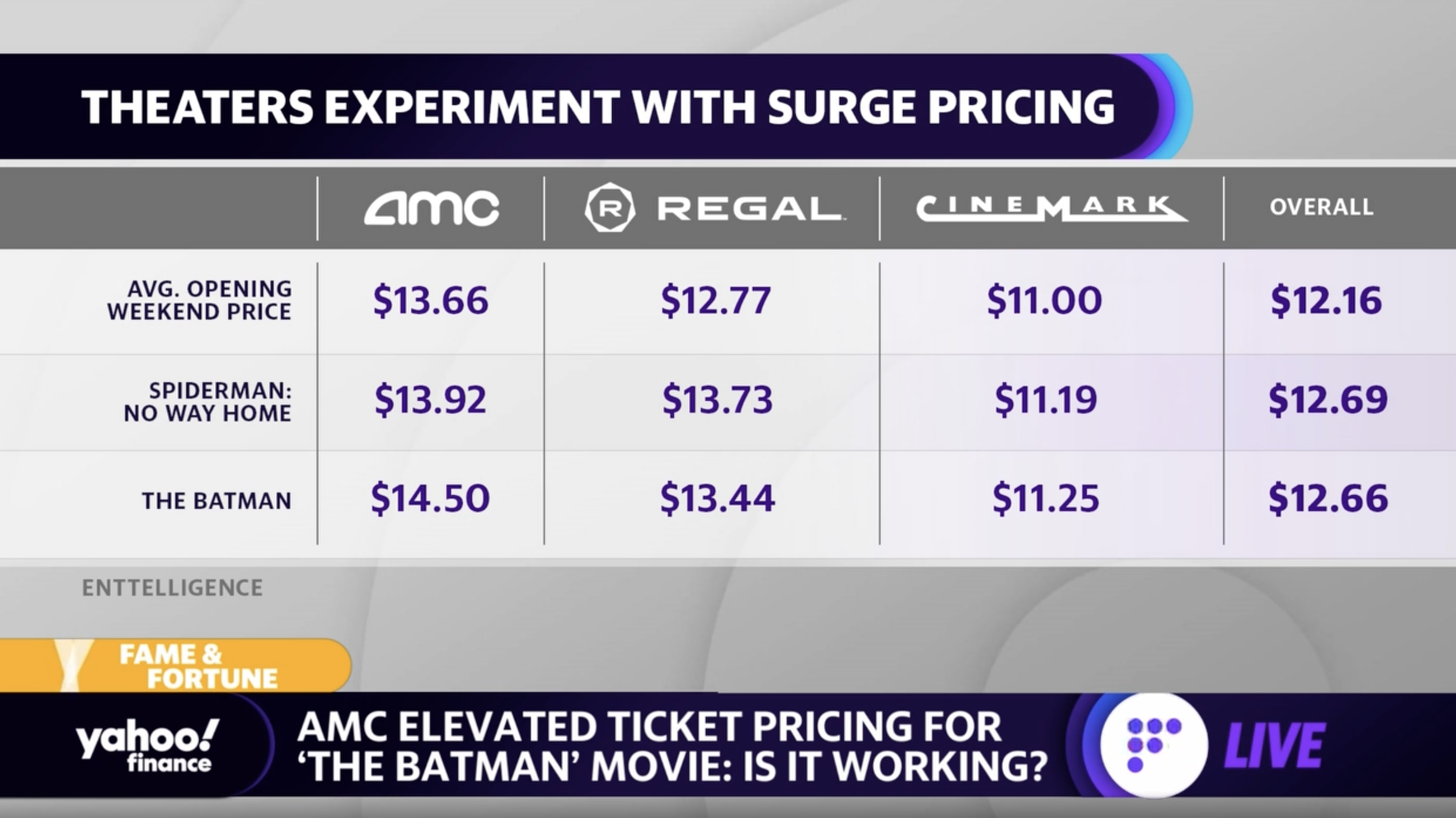
In a marketplace where streaming services compete for every dollar of “disposable income,” AMC has transitioned from a fixed-price model to a sophisticated dynamic pricing strategy. Today, a ticket can range anywhere from $10 to nearly $30 depending on a multitude of factors.
Understanding the Base Cost: Standard Pricing and Surcharges
The foundational cost of an AMC movie ticket is rarely a single, static number. Instead, it is a tiered system designed to maximize revenue based on the demographic and the specific viewing experience chosen by the patron.
Matinee vs. Evening Pricing
One of the most effective ways to manage personal entertainment expenses is by understanding the “matinee” window. Historically, AMC offers significantly discounted rates for screenings before 4:00 PM. These matinee tickets often represent a 25% to 30% discount compared to evening “prime time” rates. From a personal finance perspective, shifting one’s viewing habits to earlier in the day is the most immediate way to reduce the cost of entry. Evening tickets, typically those starting after 5:00 PM, carry the standard adult premium, reflecting the high demand for after-work and weekend leisure hours.
Age-Based Tiered Pricing
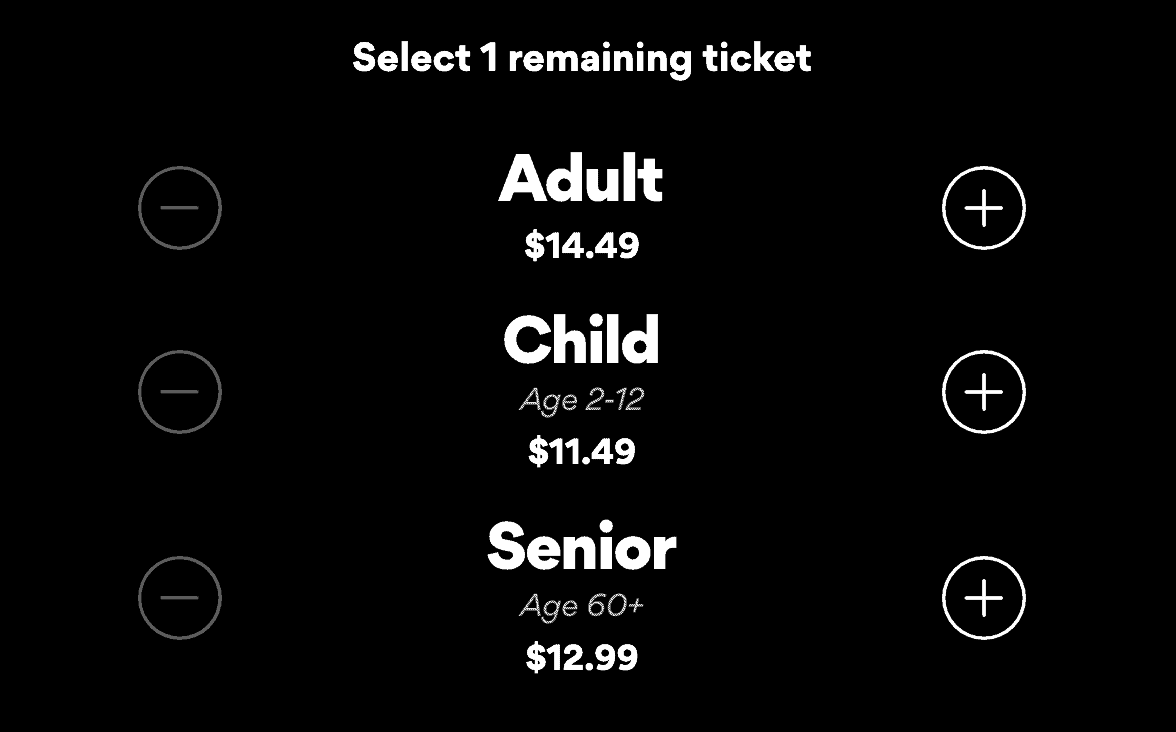
AMC continues to utilize traditional demographic tiers to adjust pricing. Seniors (typically aged 60 and over) and children (ages 2-12) often receive a discount of $2 to $3 off the standard adult ticket price. Students also frequently have access to specialized pricing at participating locations, provided they can present valid institutional identification. For families and retirees, these marginal gains are a core component of maintaining a budget-friendly lifestyle while still participating in cultural events.
Regional Variability and Market Pricing
The geographical location of the theater is perhaps the most significant determinant of the ticket price. In high-cost-of-living urban centers like New York City, Los Angeles, or Chicago, a standard adult ticket can easily exceed $18. Conversely, in smaller suburban or rural markets, that same ticket might be priced closer to $11 or $12. This regional variability is a direct reflection of the theater’s overhead costs, including commercial real estate leases, local labor wages, and utility expenses.
The Economics of Premium Formats: Paying for Technology
When asking “how much does a ticket cost,” one must consider the format. AMC has heavily invested in proprietary and partnered premium large format (PLF) experiences, which carry significant surcharges. These surcharges are a critical revenue driver for the company, offsetting the high costs of licensing and maintaining cutting-edge audiovisual equipment.
IMAX and Dolby Cinema Surcharges
The gold standard for the modern cinema experience often involves IMAX with Laser or Dolby Cinema at AMC. These formats offer enhanced brightness, contrast, and immersive sound. However, this quality comes at a premium—usually an additional $5 to $10 on top of the base ticket price. For a blockbuster release, a Dolby Cinema ticket in a major market can reach the $25 to $28 range. From a value-proposition standpoint, consumers must decide if the technical fidelity justifies a 50% increase in the total cost of the experience.
RealD 3D and Prime at AMC
While the fervor for 3D has stabilized, it remains a consistent upsell for major animated and action titles. These tickets typically incur a $3 to $5 surcharge. AMC Prime, which features power-reclining seats and haptic feedback (subwoofers built into the seats), occupies a middle ground in the pricing hierarchy, offering a premium experience at a slightly lower surcharge than IMAX or Dolby.
Strategic Saving: AMC Stubs and Subscription Models
For the frequent moviegoer, the individual ticket price is often an inefficient metric. AMC has shifted its business model toward recurring revenue through its AMC Stubs loyalty programs. This shift mirrors broader trends in the digital economy, where subscription-based access is prioritized over transactional purchases.
AMC Stubs A-List: The ROI Analysis
The A-List tier is a monthly subscription service that allows members to see up to three movies per week in any format (including IMAX and Dolby) for a flat monthly fee. Depending on the state, this fee ranges from approximately $19.95 to $24.95.
From a financial planning perspective, the “break-even” point for A-List is remarkably low. In many markets, seeing just two movies a month—especially if they are in premium formats—covers the entire cost of the subscription. For the cinephile, this model transforms the movie-going experience from a high-variable cost to a predictable, fixed monthly expense.
Discount Tuesdays
One of the most notable “financial hacks” within the AMC ecosystem is the Discount Tuesday program. Available to all AMC Stubs members (including the free “Insider” tier), this program slashes ticket prices for Tuesday screenings, often bringing them down to the $5 to $7 range. This is a strategic move by AMC to drive foot traffic on what is historically the slowest day of the business week, and it represents the highest value-for-money opportunity for the consumer.
Rewards and Convenience Fees
The AMC Stubs “Premiere” and “A-List” tiers also waive online convenience fees. In the digital age, these fees—often $1.50 to $2.50 per ticket—can add a hidden 10-15% cost to the total transaction. By joining the paid tiers or the subscription, frequent users can effectively “pre-pay” these fees and see a net gain over the course of a fiscal year.
Beyond the Ticket: The Role of Ancillary Revenue
To understand the true cost of an AMC visit, one must look past the ticket to the concession stand. The “cinema economy” is structured such that the majority of the ticket price actually goes back to the film studios (the distributors), especially during the opening weeks of a film’s release.
The Concession Stand Economy
AMC earns the bulk of its operating profit from “ancillary revenue”—namely, popcorn, soda, and snacks. These items have exceptionally high profit margins, often exceeding 80%. While a ticket might cost $15, a “Combo #1” might cost an additional $18. For the consumer, this means that the “true cost” of a movie night is often double the advertised ticket price. Understanding this allows for better financial decision-making, such as utilizing loyalty points to redeem for snacks or choosing to dine before or after the show.
Luxury Dining and Alcohol
Many modern AMC theaters, such as AMC Dine-In locations, offer full-service menus and alcoholic beverages at MacGuffins Bar. These additions move the cinema experience into the “hospitality and dining” category of a personal budget. With cocktails often priced between $12 and $16, the total spend per person can easily eclipse $50 for a single outing.
Future Outlook: The Evolving Cost of Entertainment
The pricing structure at AMC is not static; it is an evolving response to the pressures of inflation, studio demands, and the competitive threat of at-home streaming.
Dynamic and Seasonal Pricing
We are beginning to see more aggressive experiments with dynamic pricing, where “event” movies or opening weekend screenings carry a higher price tag than a film that has been in theaters for several weeks. This “blockbuster surcharge” is a method of price discrimination that captures higher willingness-to-pay from early adopters and superfans.
The Impact of Inflation on the Industry
Like all sectors, the theatrical industry is susceptible to the rising costs of labor and energy. AMC’s ticket prices have trended upward over the last decade, generally outpacing the standard Consumer Price Index (CPI) as theaters pivot to “luxury” experiences (recliners, premium sound) to justify the higher entry cost.

Conclusion: Mastering the Cinema Budget
The cost of a movie ticket at AMC Theaters is highly subjective, ranging from a $5 Tuesday matinee for a loyalty member to a $28 prime-time Dolby Cinema seat in a major metropolis. To optimize the financial impact of movie-going, consumers should analyze their frequency of attendance and leverage the AMC Stubs ecosystem accordingly.
By understanding the interplay between timing, format, and loyalty rewards, the movie-going experience remains a scalable luxury. Whether approached as a tactical $20/month subscription or a premium $50 date night, the cost of AMC is ultimately determined by the consumer’s ability to navigate the complex pricing tiers of the modern box office. In the realm of personal finance, knowledge of these variables transforms a simple entertainment expense into a well-managed component of a lifestyle budget.
aViewFromTheCave is a participant in the Amazon Services LLC Associates Program, an affiliate advertising program designed to provide a means for sites to earn advertising fees by advertising and linking to Amazon.com. Amazon, the Amazon logo, AmazonSupply, and the AmazonSupply logo are trademarks of Amazon.com, Inc. or its affiliates. As an Amazon Associate we earn affiliate commissions from qualifying purchases.