
Navigating the world of automotive finance can often feel like walking through a labyrinth of shifting numbers and complex jargon. When a consumer asks, “What are good car loan rates?” the answer is rarely a single percentage point. Instead, a “good” rate is a moving target influenced by the broader economy, the borrower’s financial health, and the specifics of the vehicle being purchased. In a financial climate characterized by fluctuating inflation and central bank interventions, understanding the nuances of annual percentage rates (APR) is essential for anyone looking to minimize the total cost of vehicle ownership.
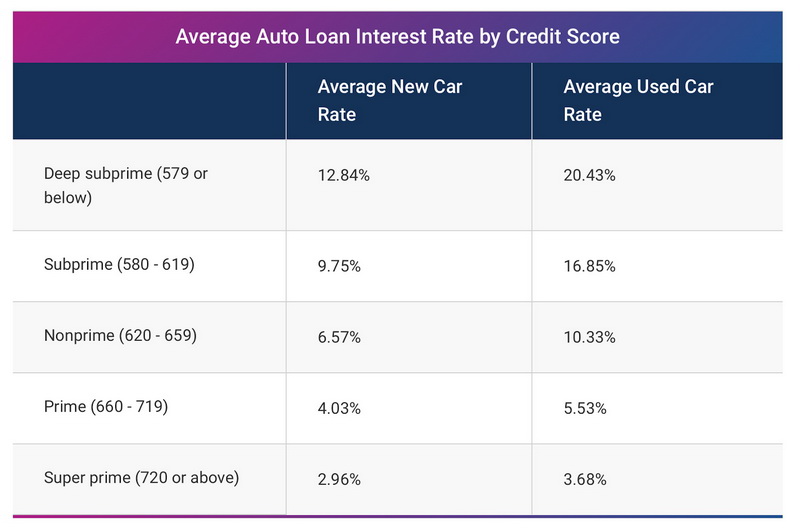
To truly grasp what constitutes a competitive rate, one must look beyond the advertisements seen on television and dive into the mechanics of risk-based pricing. Securing a favorable rate is not just about finding a lender; it is about positioning oneself as a low-risk borrower while timing the market effectively.
Understanding the Current Landscape of Auto Loan Interest Rates
The definition of a good car loan rate is inherently tied to the Federal Reserve’s monetary policy. When the central bank adjusts the federal funds rate to combat inflation or stimulate growth, the ripple effects are felt immediately in the consumer credit market. Over the last several years, the era of “near-zero” interest rates has concluded, giving way to a more traditional high-interest environment. Consequently, what was considered a high rate five years ago might be seen as a bargain today.
The Impact of Macroeconomic Trends
Auto loan rates generally track the yields on Treasury notes, plus a margin to account for the risk of the loan. When the cost of borrowing money increases for banks, those costs are passed down to the consumer. Currently, a “good” rate for a new car typically falls between 5% and 8% for those with excellent credit. For used vehicles, which represent a higher risk for lenders due to unpredictable depreciation and potential mechanical failure, a good rate is often 1% to 2% higher than new car benchmarks.
Market Averages vs. Prime Rates
It is vital to distinguish between the “average” rate and the “prime” rate. The average rate is skewed by borrowers with subprime credit who may be paying 15% to 20% interest. For a financially savvy borrower, the goal is to aim for the prime or super-prime rates. These are the rates offered to individuals with the highest credit scores and the most stable financial backgrounds. A good rate in this category is anything that undercuts the national average by at least two percentage points.
Key Factors That Determine Your Specific Rate
While market trends set the floor for interest rates, your personal financial profile determines how far above that floor your specific offer will sit. Lenders use sophisticated algorithms to determine the probability of default, and each factor in your application influences the final APR.
Credit Scores and Tiered Pricing
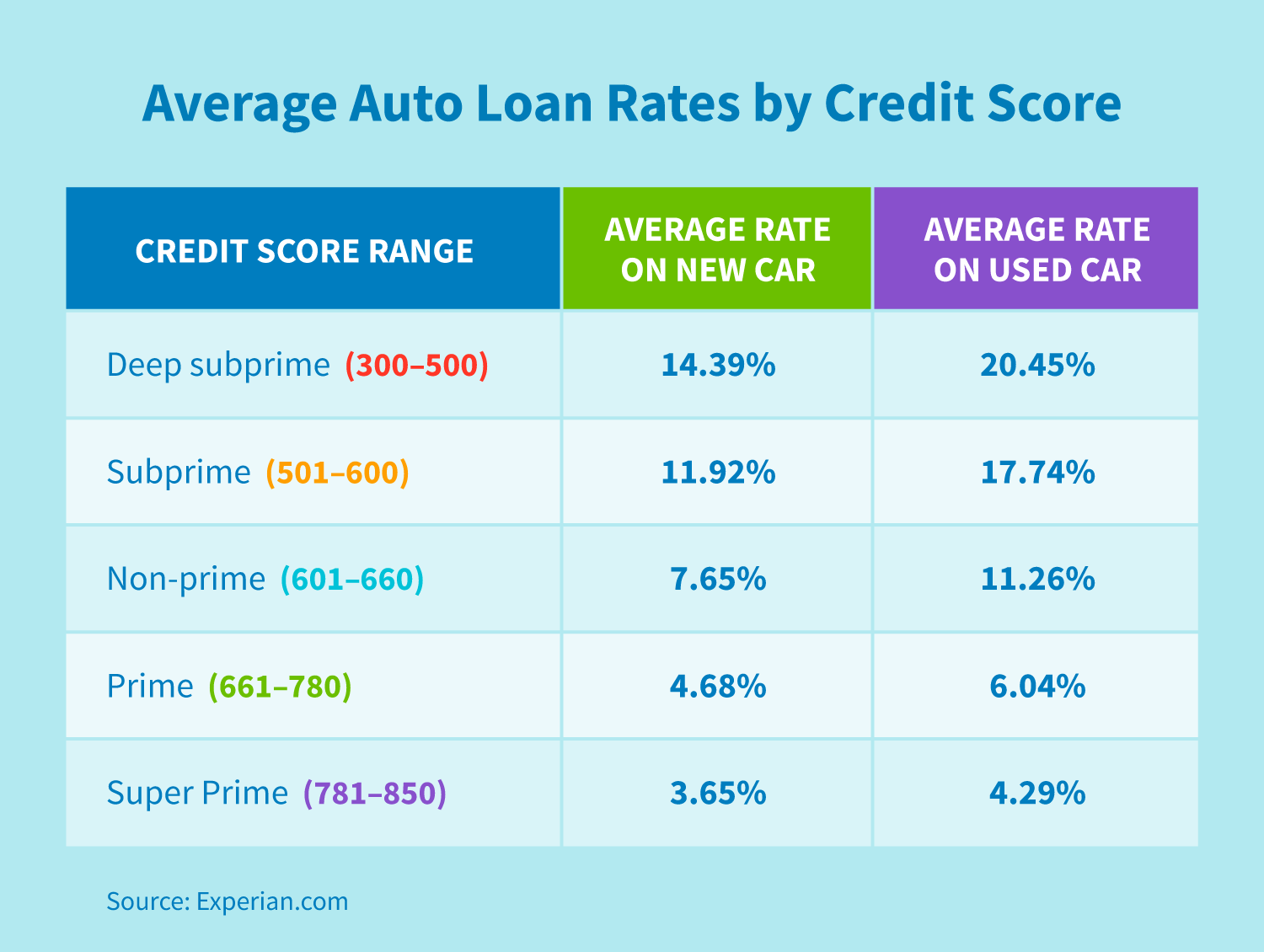
The single most influential factor in your car loan rate is your credit score. Lenders generally categorize borrowers into tiers:
-
Super-Prime (781–850): These borrowers receive the lowest possible rates, often qualifying for promotional 0% or 1.9% APR offers from manufacturer-backed lenders (captive finance companies).
-
Prime (661–780): Borrowers in this range still qualify for very competitive rates, usually within the “good” range of 5% to 7%.
-
Non-Prime and Subprime (Below 660): As scores dip below 660, rates begin to climb significantly. A “good” rate for someone in this tier might be 10%, while a poor rate could exceed 18%.
Loan Term Length and Depreciation
The length of the loan—the term—has a direct correlation with the interest rate. In recent years, 72-month and 84-month loans have become increasingly common as consumers try to keep monthly payments low in the face of rising vehicle prices. However, longer terms represent higher risk for the lender. A 36-month or 48-month loan will almost always carry a lower interest rate than a 72-month loan. Furthermore, long-term loans increase the likelihood of “negative equity,” where the borrower owes more than the car is worth, a situation often referred to as being “underwater.”
New vs. Used Vehicle Financing
Lenders view new cars as safer collateral. They have predictable values, manufacturer warranties, and are easier to resell if repossessed. Used cars, conversely, are harder to value accurately. Therefore, even if you have a perfect credit score, you will likely face a higher interest rate on a three-year-old vehicle than on a brand-new one. A good rate for a used car is currently anything under 7% for a prime borrower.
How to Secure the Best Possible Rate
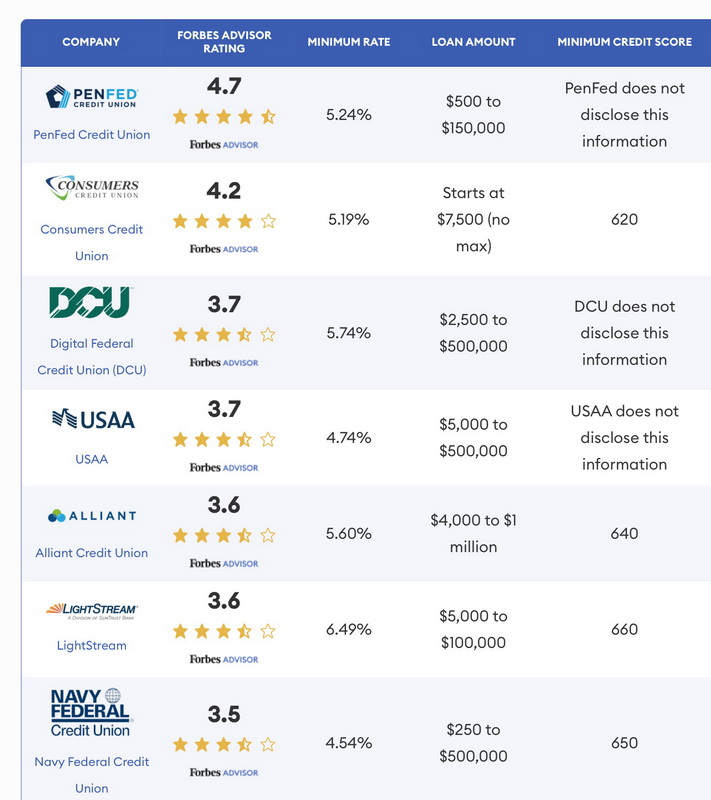
Securing a good rate is a proactive process. It requires preparation months before you step onto a dealership lot. By treating the financing as a separate transaction from the vehicle purchase, you gain significant leverage.
The Power of Pre-Approval
One of the most effective strategies for securing a low rate is obtaining a pre-approval from an independent lender, such as a credit union or a national bank. A pre-approval gives you a “blank check” and, more importantly, a ceiling on your interest rate. When you enter a dealership with a pre-approved rate of 6% in hand, the dealer’s finance office is forced to beat that rate to earn your business. Without a pre-approval, the dealer may “mark up” the interest rate—adding 1% or 2% to the rate the bank actually offered—to increase their own profit.
Comparing Lender Types
Different financial institutions have different appetites for risk and different cost structures.
-
Credit Unions: These member-owned institutions often provide the lowest rates in the market because they operate as non-profits. They are frequently the first place a borrower should look for a “good” rate.
-
Online Lenders: Fintech companies have streamlined the application process and often offer competitive rates for those with good-to-excellent credit.
-
Captive Finance Companies: These are the lending arms of manufacturers (e.g., Toyota Financial Services, Ford Credit). They are the only ones capable of offering 0% APR, as these rates are subsidized by the manufacturer to move inventory.
Improving Your Financial Profile
If your current credit score doesn’t qualify you for a good rate, it may be worth delaying your purchase. Reducing credit card utilization, ensuring all bills are paid on time, and disputing errors on your credit report can boost your score by 30 to 50 points in a matter of months. This shift could potentially move you from a “Non-Prime” tier to a “Prime” tier, saving you thousands of dollars in interest over the life of the loan.
Strategic Considerations Beyond the APR
A “good” loan rate is only one part of the financial equation. Smart borrowers look at the total cost of the loan and the strategic implications of how they structure their debt.
Total Cost of Ownership and Amortization
It is easy to be seduced by a low monthly payment, but the monthly payment is a function of the interest rate, the loan amount, and the term. A $500 monthly payment on an 84-month loan is far more expensive than a $650 payment on a 48-month loan. When evaluating a loan, always look at the “total interest paid” over the life of the loan. A good loan rate on a long-term loan can still result in high costs due to the way interest amortizes over time.
The Down Payment and Loan-to-Value (LTV)
The more money you put down, the lower your risk profile. Lenders look at the Loan-to-Value ratio. If you are financing 100% of the vehicle’s price plus taxes and fees, your LTV is high, and your interest rate will reflect that. By providing a 20% down payment, you lower the LTV, which can often trigger a lower interest rate tier. Additionally, a substantial down payment protects you from negative equity, ensuring that if you need to sell the car early, you aren’t stuck paying off a loan for a vehicle you no longer own.
Avoiding “Add-ons” in Financing
Dealerships often try to roll GAP insurance, extended warranties, and tire protection plans into the financing. While some of these products have value, financing them at your car loan’s interest rate increases your total debt and your interest costs. If you need these products, it is often cheaper to purchase them separately or through your insurance provider rather than adding them to a high-interest loan.
The Future of Auto Financing: Trends to Watch
As the automotive industry shifts toward electric vehicles (EVs) and digital sales models, the landscape of car loan rates is also evolving. Some lenders are beginning to offer “green” auto loans, providing slightly lower interest rates for consumers purchasing fuel-efficient or electric vehicles. These incentives are designed to encourage sustainable choices while reflecting the high resale value of certain EV models.
Furthermore, the rise of “subscription” models and long-term leasing options is challenging the traditional loan structure. However, for the majority of consumers, the traditional amortized loan remains the most effective path to vehicle ownership. Keeping an eye on inflation data and the Federal Reserve’s quarterly meetings will provide the best clues as to where rates are headed.
In conclusion, a good car loan rate is the result of a combination of favorable market conditions and disciplined personal financial management. By maintaining a high credit score, shopping around with various lenders, and understanding the impact of loan terms, you can ensure that your vehicle purchase is a sound financial decision rather than a long-term burden. Always remember that the interest rate is a price—the price of borrowing money—and like any other price, it is often negotiable for those who come prepared.
aViewFromTheCave is a participant in the Amazon Services LLC Associates Program, an affiliate advertising program designed to provide a means for sites to earn advertising fees by advertising and linking to Amazon.com. Amazon, the Amazon logo, AmazonSupply, and the AmazonSupply logo are trademarks of Amazon.com, Inc. or its affiliates. As an Amazon Associate we earn affiliate commissions from qualifying purchases.