
In the rapidly evolving landscape of personal finance, the way consumers interact with debt and purchasing power has undergone a seismic shift. Traditional credit cards and layaway plans are increasingly being supplemented—and in many cases, replaced—by a financial phenomenon known as “Buy Now, Pay Later” (BNPL). At the forefront of this global movement is Klarna, a Swedish fintech giant that has redefined the checkout experience for millions of shoppers worldwide. Understanding what Klarna is and how its financial mechanisms function is essential for any modern consumer looking to manage their cash flow effectively while navigating the digital economy.

Understanding the Buy Now, Pay Later (BNPL) Revolution
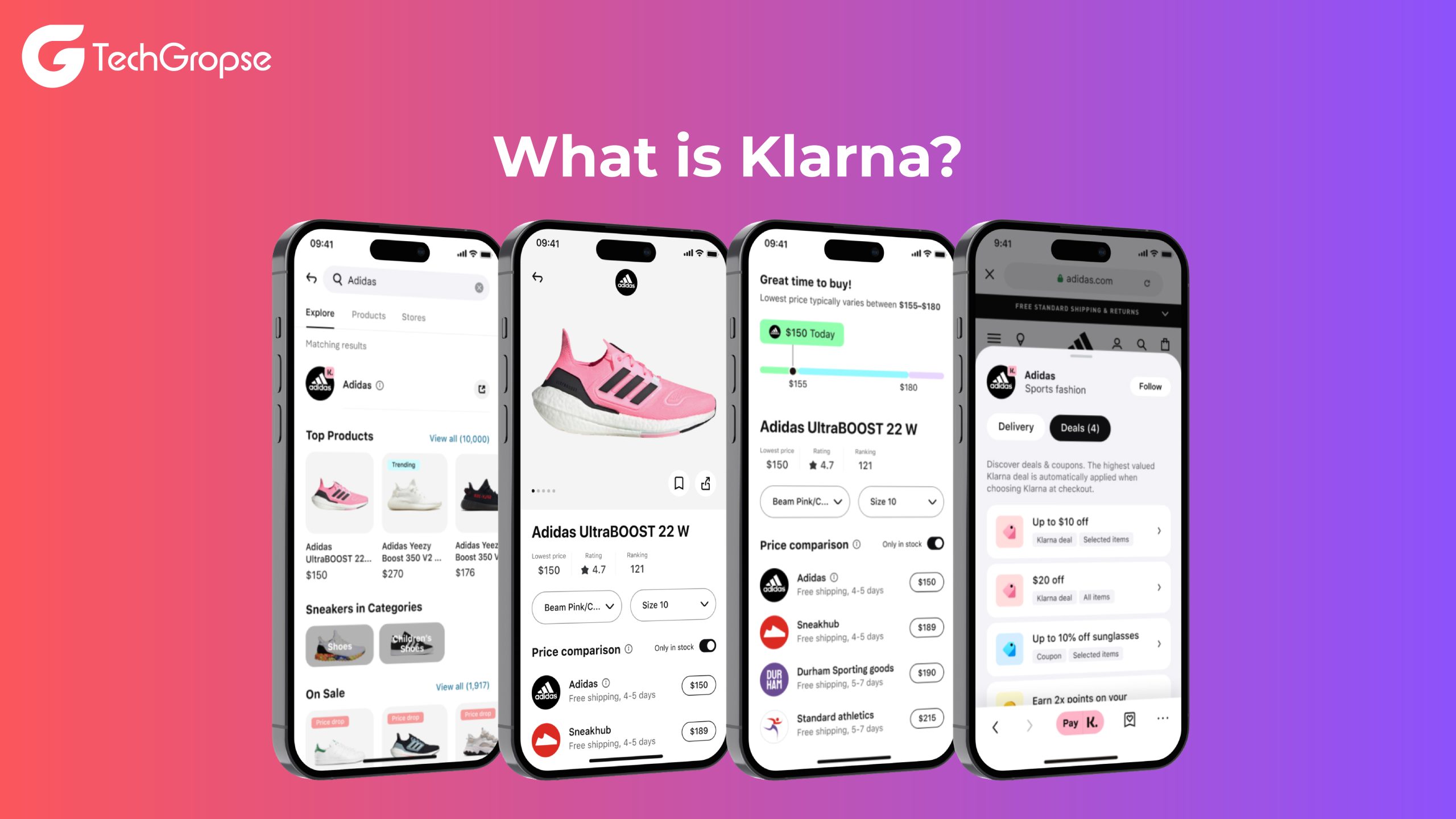
At its core, Klarna is a financial service provider that offers interest-free payment plans and short-term loans to consumers at the point of sale. Unlike traditional credit systems that rely on a physical card and a revolving line of credit, Klarna integrates directly into the merchant’s checkout process. This creates a “frictionless” transaction environment where credit can be extended in seconds.
The Core Concept of Deferred Payments
The fundamental premise of Klarna is the decoupling of the purchase and the payment. Traditionally, a consumer either paid in full upfront or used a credit card to carry a balance that accrued interest. Klarna’s model offers a middle ground: deferred payments. This allows consumers to receive their goods immediately while spreading the cost over a short, defined period. For many, this serves as a modern version of the old “layaway” plan, with one critical difference—the customer gets the product before the final payment is made.
How Klarna Differs from Traditional Credit Cards
While both Klarna and credit cards involve borrowing money to make a purchase, the underlying financial structures are distinct. Credit cards are revolving lines of credit with variable interest rates and minimum monthly payments that can lead to long-term debt if not managed strictly. Klarna, however, typically operates on an installment-based model. Most of its primary offerings are structured as closed-end loans with a fixed repayment schedule.
Furthermore, Klarna’s revenue model is significantly different. While credit card companies rely heavily on interest paid by the consumer, a large portion of Klarna’s revenue comes from merchant fees. Retailers pay Klarna a percentage of each transaction (often between 3% and 7%) because the service is proven to increase conversion rates and average order values. By removing the immediate financial barrier for the customer, Klarna helps the merchant sell more, and the merchant, in turn, subsidizes the interest-free nature of the consumer’s loan.
Klarna’s Core Financial Products and Payment Plans
To use Klarna effectively as a financial tool, one must understand the specific products it offers. Each plan has different implications for a consumer’s budget, credit profile, and repayment obligations.
Pay in 4: The Signature Offering
The most popular Klarna product is the “Pay in 4” plan. When a consumer selects this option, the total cost of the purchase is divided into four equal installments. The first installment is paid at the time of purchase, and the remaining three are automatically charged to the user’s linked debit or credit card every two weeks.
From a personal finance perspective, “Pay in 4” is an interest-free loan. As long as the user makes the payments on time, there are no additional costs. This makes it an attractive alternative for individuals who want to avoid the high annual percentage rates (APR) associated with traditional credit cards but still need to manage their bi-weekly cash flow.
Pay in 30 Days: Ultimate Flexibility
The “Pay in 30 Days” option is designed for the modern e-commerce experience, particularly in fashion and home goods. It allows consumers to order products, have them delivered, and try them out before a single cent leaves their bank account. The consumer has 30 days from the shipping date to pay the full invoice.
This product serves as a valuable liquidity tool. It essentially provides a 30-day interest-free window to verify the quality of a purchase. If the item is returned within that window, the invoice is cancelled, and no money ever changes hands between the consumer and Klarna.
Monthly Financing: For Larger Purchases
For high-ticket items like electronics or furniture, Klarna offers traditional “Financing” plans. Unlike the “Pay in 4” model, these are longer-term loans ranging from 6 to 36 months. These plans often carry an APR, which can vary based on the user’s creditworthiness and the specific retailer’s agreement with Klarna. This product functions much like a standard personal loan, requiring a more rigorous credit check and a clear understanding of the total cost of borrowing over the life of the loan.
The Financial Impact: Interest, Fees, and Credit Scores

One of the most common questions regarding Klarna is how it impacts an individual’s financial health and credit standing. Because Klarna is a lender, its actions are reported to—and influenced by—credit bureaus, though the extent of this depends on the product used.
Understanding the Cost of Late Payments
While Klarna markets itself as a low-cost or no-cost alternative to credit cards, it is not without penalties. If a payment fails—usually due to insufficient funds in the linked account—Klarna may charge a late fee. While these fees are generally capped to prevent debt from spiraling out of control, they can still add a significant percentage to the cost of a small purchase. More importantly, repeated late payments can result in the user being barred from using the service in the future.
Does Klarna Affect Your Credit Score?
The impact on your credit score depends entirely on which Klarna product you select. For the “Pay in 4” and “Pay in 30 Days” options, Klarna typically performs a “soft” credit inquiry. A soft inquiry allows Klarna to verify your identity and see your basic credit history without leaving a mark on your credit report that other lenders can see. Consequently, these options do not lower your credit score.
However, if you opt for the “Monthly Financing” product for larger purchases, Klarna may perform a “hard” credit inquiry. This is a formal check that appears on your credit report and can temporarily lower your credit score by a few points. Additionally, in many regions, Klarna has begun reporting payment history for installment plans to credit bureaus. This means that while timely payments might help build your credit profile, missed payments will certainly damage it.
The “Ghost Card” and Virtual Financing
Klarna also offers a “One-time Card” or virtual card feature. This allows users to use Klarna’s financing at retailers that do not have an official partnership with the service. The app generates a temporary card number that the user enters at checkout. Financially, this works the same as a “Pay in 4” plan, but it provides the consumer with the power to utilize BNPL across the entire internet, rather than being restricted to specific partner brands.
Strategic Budgeting and Debt Management with Klarna
Used wisely, Klarna is a powerful tool for cash flow management. Used poorly, it can lead to a phenomenon known as “debt stacking,” where multiple small payments coalesce into a monthly obligation that exceeds the user’s income.
Using Klarna as a Cash Flow Management Tool
For a disciplined budgeter, Klarna can be used to keep more money in a high-yield savings account for longer. By opting for “Pay in 4,” a consumer keeps 75% of the purchase price in their own account for two to six weeks longer than they would with a traditional debit transaction. In an environment with rising interest rates, this “float” allows the consumer to earn interest on their own money while using Klarna’s capital interest-free.
The Risks of Overextension
The primary danger of Klarna is its “frictionless” nature. Psychological studies on consumer behavior show that people are more likely to spend more when the “pain of paying” is deferred. Because Klarna breaks a $200 purchase into four $50 payments, the item feels more affordable than it actually is.
Financial distress often occurs when a user has ten or fifteen different “Pay in 4” plans running simultaneously across different retailers. While each individual payment is small, the cumulative total can quickly drain a bank account on payday, leading to a cycle of borrowing to cover basic living expenses.
Best Practices for Responsible BNPL Usage
To maintain financial health while using Klarna, consumers should follow several key strategies:
-
Treat it like a Debit Transaction: Only use Klarna if you already have the full amount in your bank account. Use the service for the cash-flow timing benefit, not because you lack the funds.
-
Monitor the Calendar: Keep a dedicated spreadsheet or use a budgeting app to track when Klarna installments will be withdrawn.
-
Limit Active Plans: Set a personal limit on the number of active Klarna plans you allow yourself to have at one time.
-
Avoid Financing Consumables: Use BNPL for durable goods that have long-term value, rather than temporary items like takeout food or short-lived experiences.
The Future of Consumer Finance and Digital Banking
Klarna is no longer just a payment button at checkout; it is evolving into a full-scale digital bank. With the introduction of the Klarna Card—a physical Visa card that allows users to pay later in-store—and the integration of AI-driven personal shopping assistants, the company is positioning itself as a central hub for a consumer’s financial life.
As regulatory bodies in the United States, the UK, and the EU begin to take a closer look at the BNPL industry, we can expect more transparency regarding fees and more robust credit reporting requirements. This maturation of the industry will likely make Klarna a more integrated part of the traditional financial ecosystem.
For the modern investor and consumer, Klarna represents the shift toward “embedded finance,” where financial services are seamlessly woven into the fabric of everyday life. By understanding the mechanics of these tools, consumers can move beyond mere spending and begin to use these platforms as strategic components of a comprehensive personal finance strategy. Whether it is leveraging interest-free periods or managing large expenses through structured financing, Klarna offers a level of flexibility that traditional banking is still struggling to match.
aViewFromTheCave is a participant in the Amazon Services LLC Associates Program, an affiliate advertising program designed to provide a means for sites to earn advertising fees by advertising and linking to Amazon.com. Amazon, the Amazon logo, AmazonSupply, and the AmazonSupply logo are trademarks of Amazon.com, Inc. or its affiliates. As an Amazon Associate we earn affiliate commissions from qualifying purchases.