
Navigating the world of car loans can feel like deciphering a complex financial puzzle. For most individuals, a car is one of the most significant purchases they will make after a home, and understanding the associated financing is crucial. The interest rate on your car loan is arguably the most critical factor determining the total cost of your vehicle over time, often dictating the affordability of your monthly payments and your long-term financial health. It’s not a one-size-fits-all number; rather, it’s a personalized figure influenced by a myriad of factors, each reflecting a lender’s assessment of your financial risk.
This comprehensive guide will demystify car loan interest rates, breaking down what they are, the key elements that influence them, and actionable strategies you can employ to secure the most favorable terms possible. Understanding these mechanics is not just about saving money; it’s about making an informed decision that empowers you in your vehicle ownership journey.
Understanding the Fundamentals of Car Loan Interest Rates
Before diving into the specifics of your potential interest rate, it’s essential to grasp the foundational concepts that underpin car loan financing. An interest rate isn’t just a number; it’s the cost of borrowing money, expressed as a percentage of the principal amount.
What is an Interest Rate and Why Does It Matter?
At its core, an interest rate is the charge for the privilege of borrowing money. When you take out a car loan, a lender provides you with a lump sum to purchase a vehicle, and in return, you agree to repay that sum (the principal) plus an additional percentage – the interest – over a set period. This interest compensates the lender for the risk they take in lending money and for the opportunity cost of not using that money elsewhere.
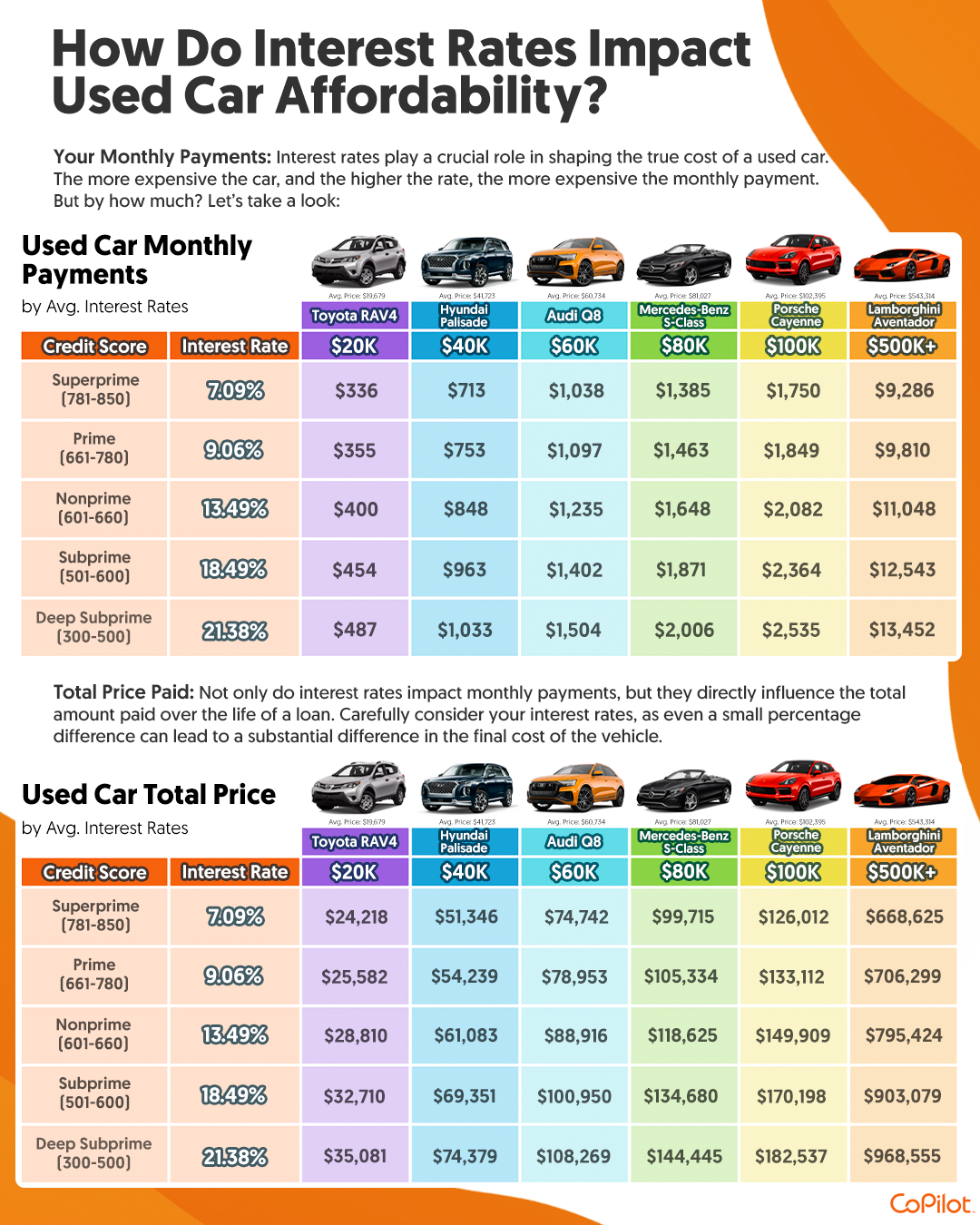
Why does it matter so much? A seemingly small difference in interest rate can translate into hundreds or even thousands of dollars over the life of the loan. For instance, on a $30,000 loan over five years, a 6% interest rate results in total interest paid of approximately $4,798, while an 8% rate pushes that total to around $6,516. That $1,718 difference could fund your car insurance for a year or cover significant maintenance costs. Therefore, a lower interest rate directly reduces the overall cost of your car, making your monthly payments more manageable and freeing up your budget for other financial goals.
The Difference Between APR and Interest Rate
While often used interchangeably, it’s crucial to distinguish between the nominal interest rate and the Annual Percentage Rate (APR).
The interest rate is simply the percentage charged on the principal amount you borrow.
The APR, however, provides a more comprehensive picture of the total cost of borrowing. It includes not only the interest rate but also other associated fees and charges, such as origination fees, documentation fees, and sometimes even credit report fees, expressed as a single annual percentage.
When comparing loan offers, always focus on the APR. It offers the true, all-in cost of the loan, allowing for an apples-to-apples comparison between different lenders. A loan with a slightly lower nominal interest rate might have a higher APR due to hefty fees, making it ultimately more expensive.
How Lenders Determine Your Rate
Lenders are in the business of assessing risk. When you apply for a car loan, they evaluate how likely you are to repay the loan on time and in full. The higher the perceived risk, the higher the interest rate they will charge to compensate themselves for that risk. Conversely, a lower perceived risk translates to a more attractive, lower interest rate. This assessment involves scrutinizing various aspects of your financial profile and the loan’s characteristics, which we will explore in detail.
Key Factors Influencing Your Car Loan Interest Rate
Your car loan interest rate is not arbitrarily set; it’s the outcome of a sophisticated algorithm and a lender’s risk assessment based on multiple interconnected factors. Understanding these elements is the first step toward influencing your rate positively.
Your Credit Score: The Primary Driver
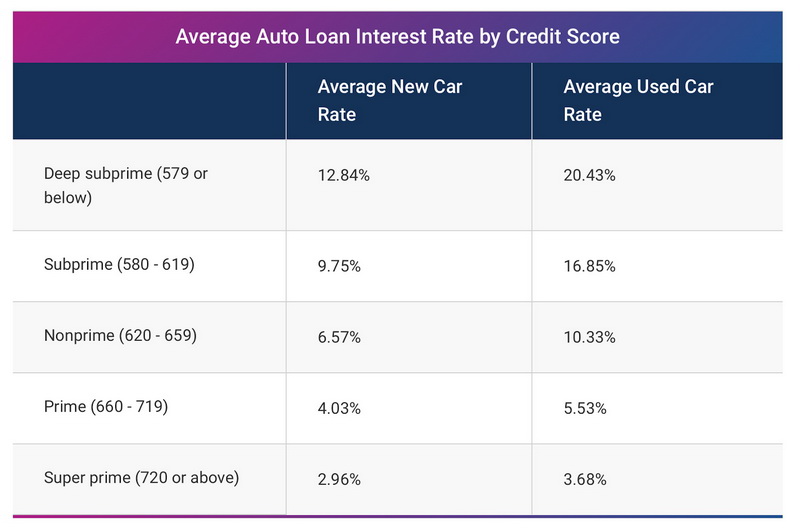
Without a doubt, your credit score is the single most significant factor in determining your car loan interest rate. Your credit score – primarily FICO or VantageScore – is a three-digit number that summarizes your creditworthiness. It’s a snapshot of your past financial behavior, including payment history, amounts owed, length of credit history, new credit, and credit mix.
-
Excellent Credit (780+): Borrowers in this tier typically qualify for the lowest available interest rates, often advertised as “prime” rates. Lenders see them as very low risk.
-
Good Credit (670-739): Still considered low risk, these borrowers can expect competitive rates, though slightly higher than those with excellent credit.
-
Fair Credit (580-669): Individuals with fair credit may face higher rates as lenders perceive a moderate risk. Options might be more limited.
-
Poor Credit (Below 580): Borrowers with poor credit will likely encounter significantly higher interest rates, often with fewer lender choices, as they are deemed high risk. Some may even require a co-signer to get approved.
Debt-to-Income Ratio and Employment History
Beyond your credit score, lenders assess your capacity to take on new debt.
Your Debt-to-Income (DTI) ratio is a crucial metric here. It’s the percentage of your gross monthly income that goes toward debt payments (e.g., mortgage, student loans, credit cards, existing car loans). A lower DTI (ideally below 36%) indicates you have more disposable income to cover new loan payments, signaling less risk to a lender. A high DTI might suggest you’re overextended, making lenders hesitant to offer low rates.
Your employment history also plays a vital role. Lenders prefer stable employment, typically looking for at least two years in the same job or industry. Consistent income provides assurance that you’ll be able to make your monthly payments. Frequent job changes or gaps in employment can be red flags, potentially leading to higher rates or even denial.
Loan Term and Down Payment
The structure of the loan itself significantly impacts the rate.
The loan term refers to the length of time you have to repay the loan (e.g., 36, 48, 60, 72, or even 84 months). Generally, shorter loan terms come with lower interest rates. While monthly payments will be higher, the total interest paid will be less. Lenders view shorter terms as less risky because there’s less time for economic downturns or changes in your financial situation to impact your ability to repay. Longer terms, conversely, often carry higher interest rates, as the lender is taking on more risk over an extended period.
A down payment is the initial sum of money you pay upfront for the car. A larger down payment reduces the amount you need to borrow, thus decreasing the lender’s risk. This often translates to a lower interest rate. Moreover, a substantial down payment means you’ll have instant equity in the car, protecting both you and the lender if the car depreciates rapidly.
Vehicle Type, Age, and Purchase Price
The specific vehicle you intend to purchase can also influence your interest rate.
New cars often qualify for lower interest rates compared to used cars, especially if they come with promotional financing directly from the manufacturer (e.g., 0% or low-APR deals). This is because new cars hold their value better initially and are seen as less risky collateral.
Used cars, being older and having accumulated mileage, tend to carry higher interest rates. The older the car, the higher the risk for the lender due to potential maintenance issues and faster depreciation, making it less valuable as collateral.
The purchase price of the car directly affects the principal loan amount. While not a direct determinant of the rate itself, a higher loan amount means higher monthly payments and a greater total interest paid over the life of the loan, emphasizing the importance of securing a favorable rate.
Market Conditions and Lender Competition
Finally, broader economic factors and the competitive landscape among lenders play a role.
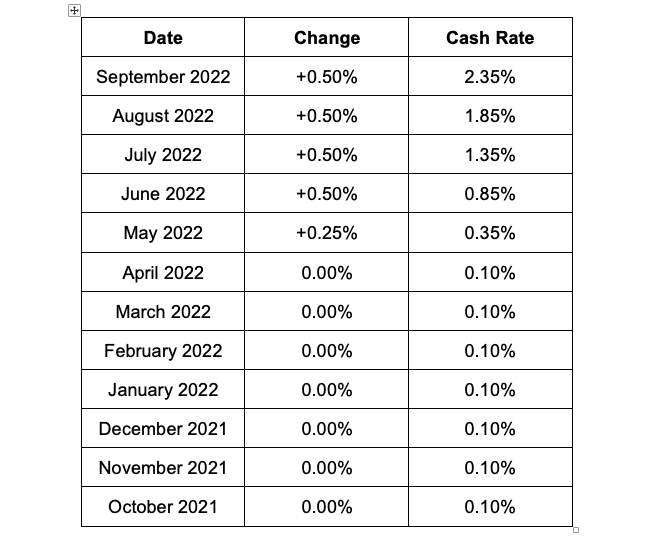
Current market interest rates, influenced by central bank policies (like the Federal Reserve’s federal funds rate), set a baseline for all lending. When these rates rise, car loan rates generally follow suit.
The level of competition among banks, credit unions, and other financial institutions can also impact rates. In a competitive market, lenders may offer more attractive rates to draw in customers. Different lenders also have different risk appetites and lending criteria, which is why shopping around is so crucial.
Strategies to Secure a Lower Interest Rate
Knowing what influences your interest rate is one thing; actively working to improve it is another. Proactive strategies can significantly reduce the cost of your car loan.
Boosting Your Credit Score Before Applying
Given its paramount importance, improving your credit score should be a top priority if you’re not in the “excellent” category.
-
Pay bills on time: This is the most crucial factor. Set up automatic payments to avoid missing due dates.
-
Reduce credit utilization: Aim to keep your credit card balances below 30% of your available credit, ideally even lower (e.g., 10%).
-
Avoid new credit applications: Don’t open new credit accounts or apply for other loans in the months leading up to your car loan application, as this can temporarily ding your score.
-
Review your credit report: Check for errors on your credit report and dispute any inaccuracies. You can get a free report annually from each of the three major credit bureaus (Experian, Equifax, TransUnion) at AnnualCreditReport.com.
Making a Larger Down Payment
As discussed, a larger down payment reduces the amount you need to finance and signals to lenders that you are less of a risk. Aim for at least 10-20% of the car’s purchase price, if possible. Not only does this often lead to a lower interest rate, but it also reduces your monthly payments and helps prevent you from being “upside down” (owing more than the car is worth) early in the loan term.
Shopping Around for Lenders
Never take the first loan offer you receive, especially from a dealership. Dealerships often act as intermediaries, marking up interest rates offered by their partner lenders. Instead, get quotes from several sources:
-
Banks: Both national and local banks.
-
Credit Unions: Often offer highly competitive rates to their members due to their non-profit status.
-
Online Lenders: Many reputable online lenders specialize in auto loans and can provide quick quotes.
Apply for pre-approval from multiple lenders within a short timeframe (typically 14-45 days, depending on the scoring model) to minimize the impact on your credit score. Multiple inquiries for the same type of loan within this window are usually treated as a single hard inquiry.
Considering a Shorter Loan Term
While a longer loan term means lower monthly payments, it almost always translates to a higher interest rate and significantly more total interest paid. If your budget allows, opt for the shortest loan term you can comfortably afford. For example, a 48-month loan will almost certainly have a lower interest rate than a 72-month loan for the same car and borrower, saving you money in the long run.
Getting Pre-Approved
Getting pre-approved for a car loan before you even step foot in a dealership is a powerful strategy.
-
Know your budget: Pre-approval tells you exactly how much you can afford, empowering you during negotiations.
-
Focus on price, not payments: With a pre-approval in hand, you can negotiate the actual selling price of the car rather than getting sidetracked by monthly payment figures that can obscure the true cost.
-
Leverage competition: Your pre-approval letter acts as a competing offer. The dealership might be motivated to beat your pre-approved rate to secure your business, potentially leading to an even better deal.
Navigating the Application Process and Beyond
Once you’ve done your homework and are ready to apply, understanding the practical steps and what comes after is crucial for a smooth and financially sound car purchase.
Gathering Necessary Documentation
Lenders will require various documents to verify your identity, income, and financial stability. Having these ready can expedite the application process:
-
Proof of Identity: Driver’s license, passport.
-
Proof of Income: Recent pay stubs (typically 2-3 months), W-2 forms, tax returns (if self-employed).
-
Proof of Residency: Utility bill, lease agreement, mortgage statement.
-
Bank Statements: To verify assets and cash flow.
-
Social Security Number: For credit checks.
Be prepared to provide additional information depending on the lender and your specific financial situation.
Understanding Loan Offers and Fine Print
When comparing loan offers, look beyond just the APR. Scrutinize the fine print for:
-
Prepayment Penalties: Some loans charge a fee if you pay off the loan early. Ideally, avoid these.
-
Late Payment Fees: Understand the penalties for missed or late payments.
-
Balloon Payments: Ensure there isn’t a large, single payment due at the end of the loan term that you weren’t expecting.
-
Additional Fees: Re-read the full list of fees included in the APR calculation to ensure transparency.
-
Loan Covenants: Any specific conditions you must adhere to (e.g., maintaining full coverage insurance).
Don’t hesitate to ask questions if anything is unclear. A reputable lender will be happy to explain all terms and conditions.
Refinancing Options: When and Why?
Your car loan interest rate isn’t necessarily set in stone for the entire term. Refinancing involves taking out a new loan to pay off your existing car loan, ideally at a lower interest rate or with more favorable terms.
You might consider refinancing if:
-
Your credit score has significantly improved since you first took out the loan.
-
Market interest rates have dropped.
-
You initially accepted a high interest rate due to poor credit or lack of research.
-
You want to change your loan term (e.g., shorten it to pay less interest, or lengthen it to lower monthly payments if facing financial difficulty).
Refinancing can be a smart move, but calculate the potential savings versus any new fees associated with the refinancing process to ensure it’s truly beneficial.
Monitoring Your Loan and Making On-Time Payments
Once your loan is secured and you’re driving your new car, the journey isn’t over.
-
Set up automatic payments: This is the simplest way to ensure you never miss a payment, protecting your credit score and avoiding late fees.
-
Review your statements: Periodically check your loan statements to ensure payments are correctly applied and to track your principal balance.
-
Consider extra payments: If you have extra cash, even small additional payments directly applied to the principal can significantly reduce the total interest paid and shorten the loan term.
By actively managing your car loan and making consistent on-time payments, you not only save money but also build a stronger credit history for future financial endeavors.
Understanding what determines your car loan interest rate empowers you to take control of your financial destiny when purchasing a vehicle. By focusing on your credit health, optimizing your down payment, shopping diligently for lenders, and strategically structuring your loan, you can unlock significant savings and ensure your car ownership experience is as financially sound as it is enjoyable.
aViewFromTheCave is a participant in the Amazon Services LLC Associates Program, an affiliate advertising program designed to provide a means for sites to earn advertising fees by advertising and linking to Amazon.com. Amazon, the Amazon logo, AmazonSupply, and the AmazonSupply logo are trademarks of Amazon.com, Inc. or its affiliates. As an Amazon Associate we earn affiliate commissions from qualifying purchases.