
For decades, Indianapolis was recognized primarily as a hub for manufacturing and motorsports. However, a seismic shift in the mid-2000s catalyzed by the landmark acquisition of local software firm ExactTarget by Salesforce transformed the city’s skyline and its economic DNA. Today, Indianapolis stands as the crown jewel of the “Silicon Prairie,” a high-growth tech corridor that offers a unique blend of enterprise SaaS dominance, life sciences innovation, and a burgeoning venture studio model. For the tech professional, investor, or enthusiast visiting the Circle City, the points of interest extend far beyond monuments; they reside in the co-working spaces, innovation districts, and corporate headquarters that are redefining the American Midwest.

16 Tech Innovation District: The Epicenter of Collaborative R&D
Located on the northwestern edge of downtown, the 16 Tech Innovation District is perhaps the most significant physical manifestation of Indianapolis’s commitment to the future of technology. Spanning 50 acres, this purpose-built community is designed to bridge the gap between academic research and commercial application.
Machyne and the Maker Movement
At the heart of 16 Tech is Machyne, a premier high-tech maker space that serves as a lighthouse for hardware developers and engineers. Visiting this facility provides a firsthand look at the democratization of sophisticated manufacturing tools. Equipped with CNC machines, 3D printers, waterjet cutters, and advanced electronics labs, Machyne is where the city’s hardware startups prototype their way to viability. For those interested in the intersection of physical engineering and digital design, it represents the tangible side of Indy’s tech resurgence.
The HqO Hub and Ecosystem Connectivity
The HqO building, housed in the former water utility headquarters, serves as the district’s social and professional nucleus. It includes a flexible workspace managed by global operators and the AMP artisanal marketplace. More importantly, it hosts the 16 Tech Community Corporation, which orchestrates partnerships between the Indiana University School of Medicine and global tech giants. Observing the activity here reveals the city’s “cross-pollination” strategy: placing data scientists in the same room as molecular biologists to solve complex health-tech challenges.
The Cloud Corridor: Salesforce, High Alpha, and the SaaS Legacy
To understand why Indianapolis is a powerhouse in Software as a Service (SaaS), one must visit the downtown core, often referred to as the “Cloud Corridor.” This area illustrates how a single major exit can seed an entire ecosystem of innovation.
Salesforce Tower: A Monument to Enterprise Growth
The Salesforce Tower is the tallest building in Indiana and serves as a constant reminder of the city’s digital transformation. While the tower itself is a corporate office, its presence has dictated the surrounding urban development. The “Salesforce effect” has attracted a massive talent pool of developers and cloud architects to the city. A visit to the surrounding downtown blocks showcases the secondary tech economy—ancillary firms specialized in Salesforce implementation, marketing automation, and digital transformation consulting.
High Alpha and the Venture Studio Model
A short walk from the central business district leads to the Bottleworks District, home to High Alpha. For those interested in the business of building tech, High Alpha is a mandatory stop. As one of the world’s leading venture studios, High Alpha has pioneered a model that simultaneously conceives, launches, and scales B2B SaaS companies. The facility represents a shift away from traditional venture capital toward an integrated “factory” approach to software creation. Understanding their workflow—from “Sprint Week” to global scaling—provides deep insight into modern software entrepreneurship.
The Emerging Fintech Scene
While SaaS is king in Indy, the city’s financial technology sector is rapidly gaining ground. Companies like OneCause and various regional banking tech startups are congregating around the Meridian Street corridor. These firms are leveraging Indiana’s traditional strengths in insurance and finance to build the next generation of payment processing and donor management software.
Smart City Infrastructure and the IoT Integration
Indianapolis is not just a place where tech is built; it is a laboratory for how tech is implemented within an urban environment. The city’s infrastructure serves as a case study for Internet of Things (IoT) integration and smart urban planning.
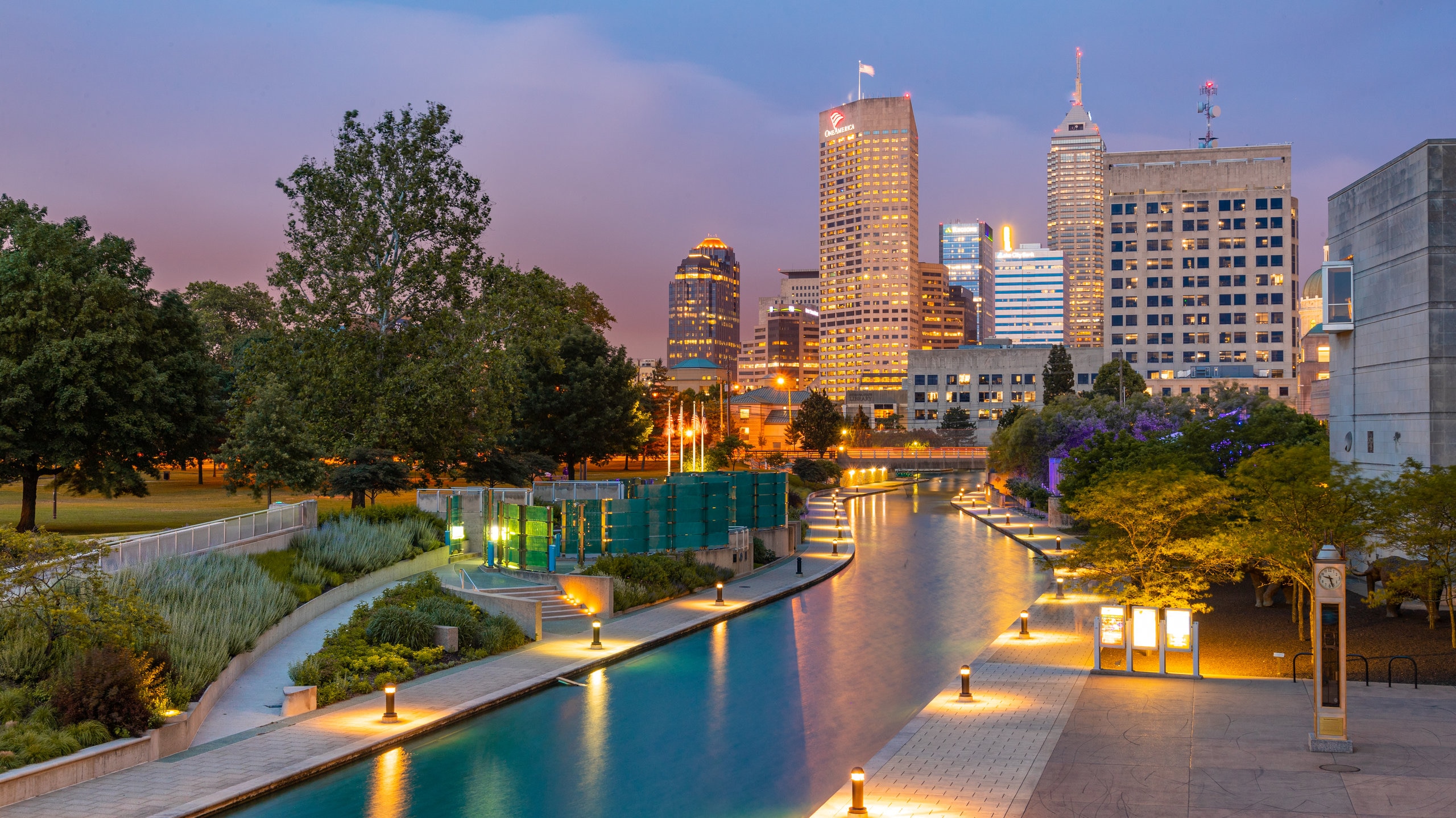
The Indianapolis Cultural Trail: A Digital Loop
Though it appears to be a world-class pedestrian and bike path, the Indianapolis Cultural Trail is a sophisticated piece of urban tech infrastructure. It utilizes advanced lighting systems, integrated data collection sensors, and digital wayfinding that serve as a model for “connected cities.” Tech visitors should note how the trail integrates with the city’s fiber-optic backbone, providing seamless connectivity through the downtown core and linking disparate tech hubs.
Connected Transit and the Red Line
Indianapolis launched one of the nation’s first all-electric Bus Rapid Transit (BRT) lines, known as the Red Line. This project is a focal point for researchers interested in transit tech and IoT-enabled logistics. The system uses real-time GPS tracking and automated scheduling algorithms to optimize flow. For visiting tech consultants, the Red Line serves as a practical demonstration of how mid-sized cities can utilize data-driven logistics to solve the “last mile” transportation problem.
Energy Innovation at the 16 Tech Energy Plant
As part of the commitment to sustainability, the district’s energy infrastructure is designed for maximum efficiency. The integration of smart grid technology allows for real-time monitoring of energy consumption across the innovation district, providing a data set that local researchers use to develop more efficient commercial HVAC and power distribution algorithms.
Academic Powerhouses and the R&D Pipeline
The vitality of any tech hub depends on its proximity to Tier 1 research institutions. In Indianapolis, the “visit” must include the urban campuses that act as the R&D engines for the region’s software and life sciences sectors.
IUPUI and the Convergence of Health and Tech
The Indiana University-Purdue University Indianapolis (IUPUI) campus—now transitioning into independent IU and Purdue entities—is the site of massive investment in artificial intelligence and bioinformatics. The Luddy School of Informatics, Computing, and Engineering is a critical site for those tracking the future of human-computer interaction (HCI). Visitors can explore labs dedicated to wearable technology, medical informatics, and the ethical implementation of AI in healthcare.
The Emerging Purdue University in Indianapolis
Purdue University’s increased physical presence in the heart of the city is a strategic move to link the world-renowned engineering programs of West Lafayette with the industrial and tech base of the capital. This presence is centered on advanced manufacturing, cybersecurity, and aerospace technology. For tech scouts looking for the next generation of engineering talent, the Purdue expansion zones are the primary areas of interest.
The Intersection of Motorsports and Telemetry
No technical overview of Indianapolis is complete without acknowledging the Indianapolis Motor Speedway (IMS), but through the lens of data and telemetry rather than just sport.
The Dallara IndyCar Factory
Located in Speedway, just minutes from downtown, the Dallara IndyCar Factory is a masterclass in aerodynamics and simulation technology. The facility houses some of the world’s most advanced racing simulators, which rely on massive computational power to model fluid dynamics and tire degradation. A visit here reveals the “invisible” tech of Indy: the high-speed data transmission that occurs during a race, where hundreds of sensors on a single car stream real-time telemetry to engineers in the pits.
Autonomous Racing and the Indy Autonomous Challenge
In recent years, IMS has hosted the Indy Autonomous Challenge, where universities from around the world compete with fully autonomous race cars. This has turned the historic track into a testing ground for LiDAR, computer vision, and edge computing. Even when a race isn’t active, the influence of this research permeates local tech firms specializing in autonomous systems and vehicle-to-everything (V2X) communication.
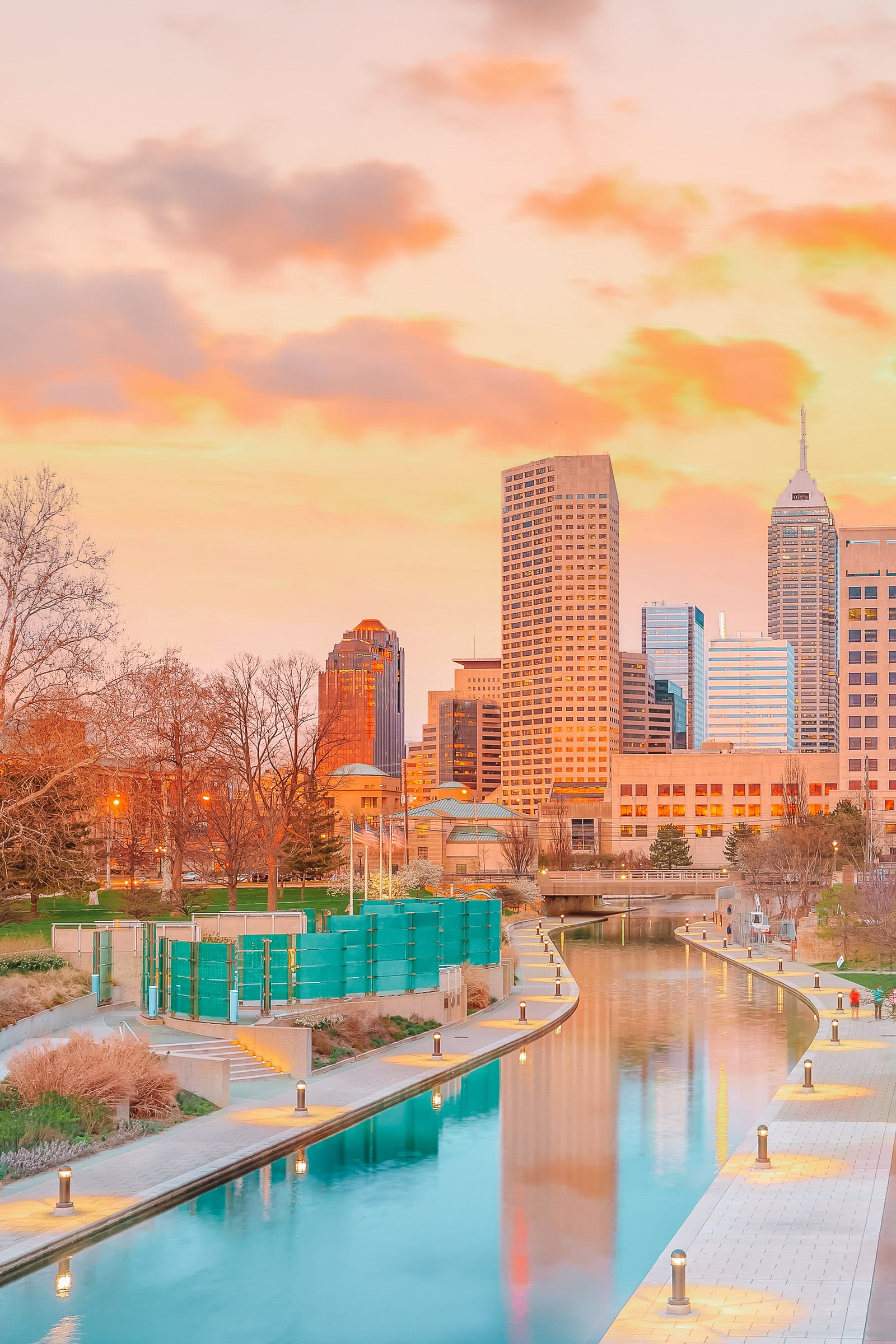
Conclusion: The Integrated Tech Experience
Visiting Indianapolis from a tech perspective reveals a city that is methodically building a sustainable, high-growth ecosystem. It is a city characterized by “intentional density,” where the distances between a venture capital firm, a hardware prototyping lab, and a global software headquarters are measured in blocks rather than miles.
From the high-ceilinged maker spaces of 16 Tech to the data-driven asphalt of the Motor Speedway, Indianapolis offers a comprehensive look at how a regional economy can pivot toward the digital age. It is a destination that proves innovation is not geographically exclusive to the coasts, provided there is a robust synergy between private enterprise, academic research, and smart civic infrastructure. For anyone looking to understand the future of the American tech landscape, Indianapolis is no longer a “flyover” city—it is a mandatory stop.
aViewFromTheCave is a participant in the Amazon Services LLC Associates Program, an affiliate advertising program designed to provide a means for sites to earn advertising fees by advertising and linking to Amazon.com. Amazon, the Amazon logo, AmazonSupply, and the AmazonSupply logo are trademarks of Amazon.com, Inc. or its affiliates. As an Amazon Associate we earn affiliate commissions from qualifying purchases.