
Entering the world of stock market investing can feel like stepping into a foreign country where everyone speaks a different language. Between terms like “bull markets,” “dividend yields,” and “p/e ratios,” the barrier to entry often seems psychological rather than financial. However, the reality of modern finance is that the barriers have never been lower. Technology has democratized access to the global markets, allowing anyone with a smartphone and a few dollars to become a partial owner of the world’s most successful corporations.
Starting your investment journey is not merely about picking a “winner” or timing the market perfectly; it is about building a disciplined framework that allows your capital to grow over time through the power of compounding. To transition from a saver to an investor, you must understand the mechanisms of the market, the tools at your disposal, and the temperament required to withstand the inevitable fluctuations of the financial world.
Establishing a Solid Financial Foundation
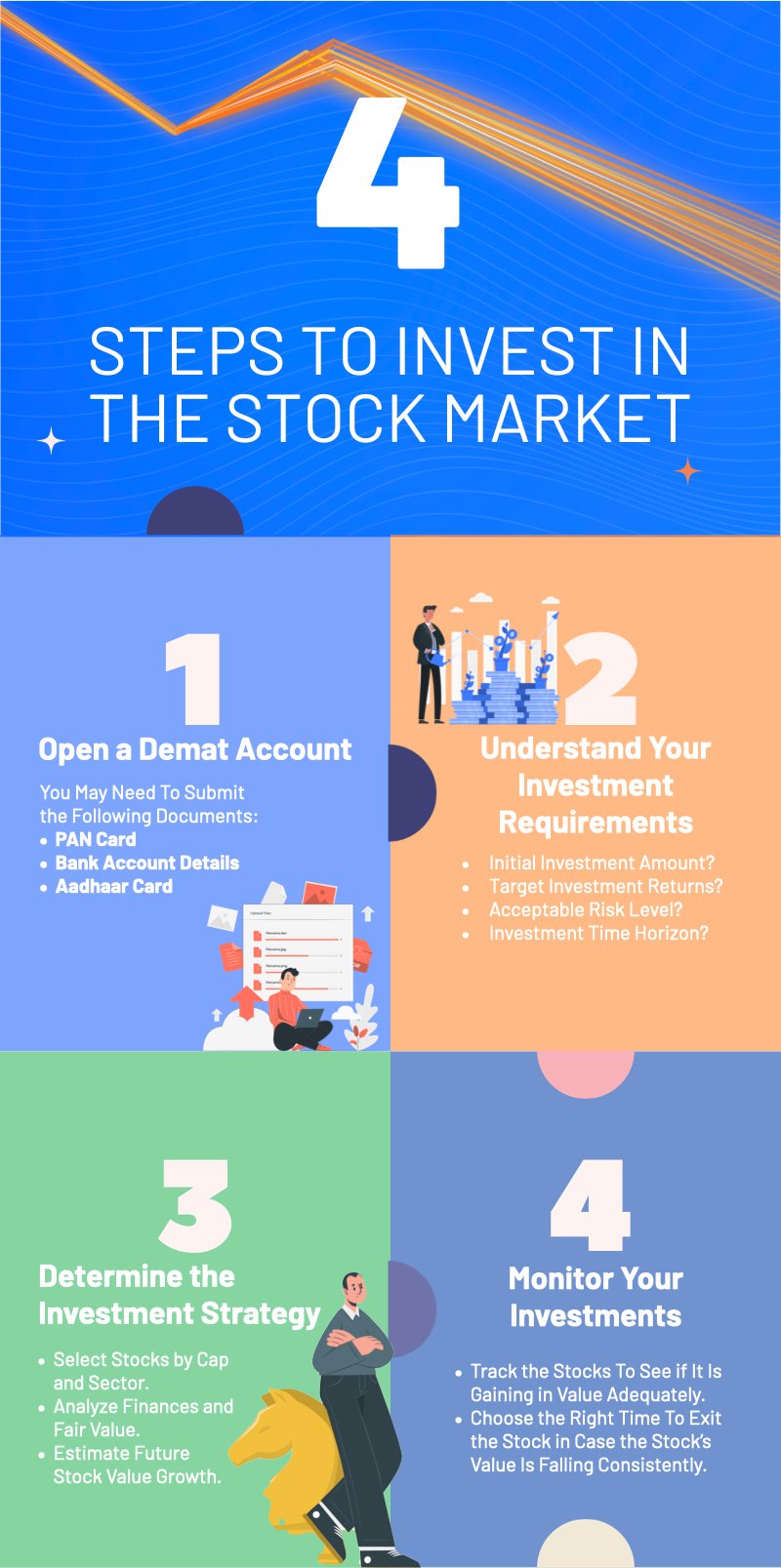
Before you purchase your first share of a company, you must ensure that your personal finances are resilient enough to handle the risks associated with the stock market. Investing is a long-term endeavor, and the worst position an investor can find themselves in is being forced to sell their assets during a market downturn because they need cash for an immediate expense.
Assessing Your Risk Tolerance
Every individual has a unique psychological and financial capacity for risk. Risk tolerance is determined by your time horizon—how long you have until you need the money—and your emotional ability to see your account balance drop without panicking. If you are in your 20s or 30s, you have the luxury of time, meaning you can afford to take more risks because you have decades to recover from market corrections. Conversely, if you are nearing retirement, your tolerance for volatility should naturally decrease as your need for capital preservation increases.
Defining Your Financial Goals
Why are you investing? Are you building a nest egg for retirement, saving for a down payment on a home, or creating a college fund for your children? Your goals dictate your strategy. Long-term goals (10+ years) allow for aggressive growth strategies involving individual equities and sector-specific funds. Short-term goals (less than 3 years) are generally better suited for high-yield savings accounts or short-term bonds, as the stock market is too unpredictable over such a brief window.
Building an Emergency Fund and Managing Debt
A fundamental rule of personal finance is to never invest money that you might need in the next six months. Before funding a brokerage account, aim to have three to six months of living expenses in a liquid savings account. Additionally, address high-interest debt. If you are carrying credit card debt at an 18% interest rate, paying that off is a guaranteed 18% return on your money. The stock market historically returns about 7% to 10% annually; therefore, mathematically, it makes more sense to eliminate high-interest debt before shifting focus to the equity markets.
Choosing the Right Investment Account and Brokerage
Once your foundation is set, the next step is to choose the “bucket” in which your investments will sit. Not all investment accounts are created equal; some offer significant tax advantages that can save you hundreds of thousands of dollars over a lifetime.
Understanding Different Account Types
For most beginners, the first choice is between a taxable brokerage account and a tax-advantaged retirement account.
-
Individual Retirement Accounts (IRAs): These are specifically designed for retirement savings. A Traditional IRA offers a tax deduction on contributions today, while a Roth IRA allows your investments to grow tax-free, with tax-free withdrawals in retirement.
-
401(k) or 403(b) Plans: If your employer offers a retirement plan, especially one with a “match,” this is often the best place to start. An employer match is essentially a 100% return on your investment before the money even hits the market.
-
Taxable Brokerage Accounts: These offer the most flexibility. You can withdraw your money at any time without penalty, but you will owe capital gains taxes on any profits you realize.
Evaluating Brokerage Platforms and Fees
In the current landscape, “commission-free trading” has become the industry standard. Large, established firms like Fidelity, Charles Schwab, and Vanguard offer robust tools and research for long-term investors. Meanwhile, newer fintech apps focus on user experience and fractional shares, which allow you to buy $5 worth of a stock even if the full share price is $3,000. When choosing, look for a platform that offers a clean interface, educational resources, and low “expense ratios” on their proprietary funds.
The Role of Robo-Advisors vs. Self-Directed Trading
If the idea of selecting specific stocks or funds feels overwhelming, a robo-advisor might be the solution. These platforms use algorithms to build and manage a diversified portfolio based on your risk profile. They handle the rebalancing and tax-loss harvesting for a small fee (usually around 0.25%). However, if you enjoy research and want total control over your holdings, a self-directed brokerage account is the way to go.
Developing an Investment Strategy
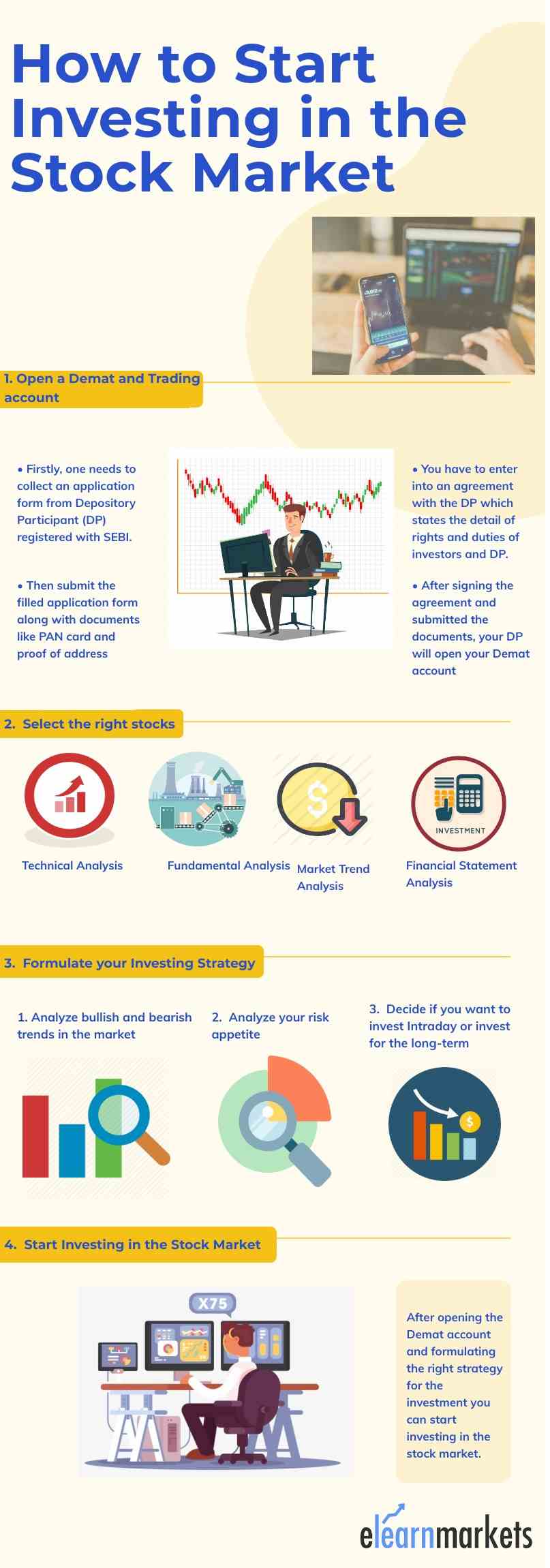
With an account opened and funded, you must decide what to actually buy. The stock market offers a dizzying array of options, from blue-chip stocks to speculative penny stocks. A successful strategy focuses on consistency and broad exposure.
The Power of Diversification and Asset Allocation
Diversification is often called the “only free lunch” in finance. It involves spreading your investments across different companies, industries, and geographies so that a failure in one area doesn’t ruin your entire portfolio. Asset allocation refers to the mix of stocks, bonds, and cash in your portfolio. While stocks provide growth, bonds provide stability. Finding the right balance is the key to staying invested through market cycles.
Identifying Different Asset Classes: Individual Stocks vs. ETFs
For most beginners, Exchange-Traded Funds (ETFs) and Mutual Funds are the most efficient vehicles for building wealth. An ETF like one that tracks the S&P 500 allows you to own a small piece of 500 of the largest companies in the United States with a single purchase. This provides instant diversification.
Individual stocks, on the other hand, offer the potential for higher returns but come with significantly higher risk. If you choose to invest in individual companies, it is vital to research their business models, competitive advantages (moats), and financial health. A common “Core and Satellite” strategy involves putting the majority of your money (the core) into broad market ETFs and a small percentage (the satellite) into individual stocks you believe will outperform.
Growth vs. Value Investing
Investors generally fall into two camps: growth and value. Growth investors look for companies that are expanding rapidly, often in the tech or biotech sectors, even if their current profits are low. Value investors look for established companies that are trading for less than their intrinsic worth—essentially looking for a “bargain.” A balanced portfolio often contains elements of both.
Executing Your First Trade and Managing Your Portfolio
The act of buying a stock is simple, but the mechanics behind it are worth understanding to ensure you get the best price and maintain your strategy over time.
Understanding Market Orders and Limit Orders
When you go to buy a stock, you will usually see two primary order types. A Market Order tells the broker to buy the stock immediately at the best available current price. This is fine for highly liquid, large-cap stocks. A Limit Order allows you to set a maximum price you are willing to pay. If the stock price doesn’t hit your limit, the trade doesn’t execute. Limit orders give you more control and protect you from sudden price spikes.
The Importance of Dollar-Cost Averaging
Many beginners wait for the “perfect time” to buy, often sitting on the sidelines for months. Dollar-Cost Averaging (DCA) eliminates this paralysis. With DCA, you invest a fixed amount of money at regular intervals (e.g., $200 every payday) regardless of the stock price. When prices are high, your money buys fewer shares; when prices are low, your money buys more. Over time, this lowers your average cost per share and removes the emotional stress of trying to “time the market.”
Portfolio Rebalancing and Long-Term Maintenance
Investing is not a “set it and forget it” activity, but it shouldn’t require daily tinkering either. Once or twice a year, you should rebalance your portfolio. If your goal was to have 80% stocks and 20% bonds, but a great year in the stock market has pushed your allocation to 90% stocks, you should sell some stocks and buy bonds to return to your original target. This forces you to follow the golden rule of investing: sell high and buy low.
Navigating Market Volatility and Psychological Pitfalls
The greatest threat to an investor’s success is rarely the market itself; it is the investor’s own emotions. The stock market is a weighing machine in the long run but a voting machine in the short run, driven by fear and greed.
Avoiding Emotional Decision-Making
When the headlines are full of doom and gloom and the market is “bleeding red,” the instinctual human response is to flee to safety. However, panic selling is how temporary “paper losses” become permanent financial losses. History shows that the market has recovered from every single crash, recession, and depression it has ever faced. Successful investors train themselves to view market downturns as “sales” where they can acquire high-quality assets at a discount.
Staying Informed Without Over-Monitoring
In the age of 24-hour financial news and real-time portfolio tracking, it is easy to become obsessed with daily price movements. For a long-term investor, the daily “noise” of the market is irrelevant. Checking your portfolio too often can lead to overtrading, which increases tax liabilities and transaction costs while often degrading performance. Focus on the underlying fundamentals of your investments rather than the flickering green and red numbers on a screen.
Thinking Like an Owner, Not a Speculator
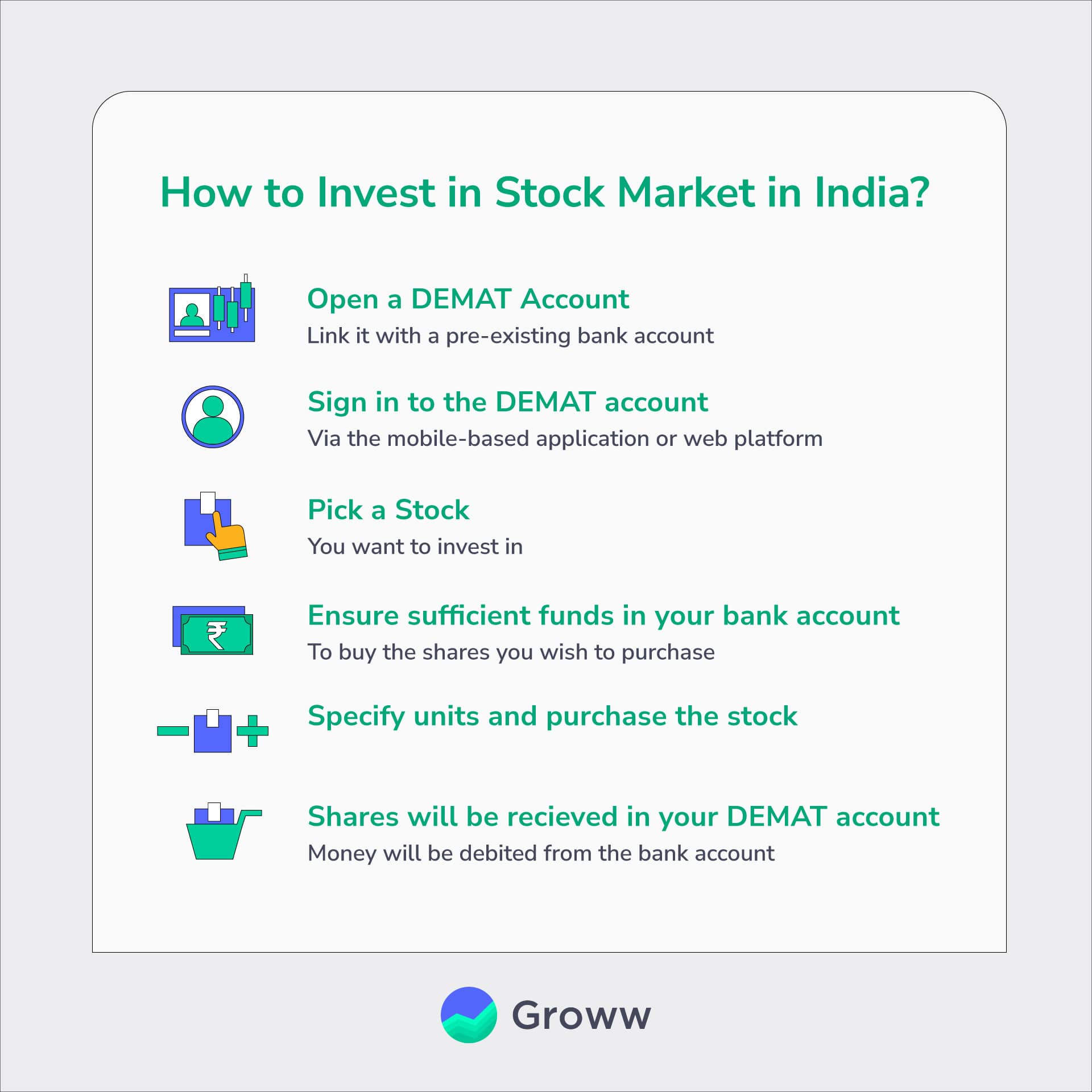
Finally, remember that a share of stock is not just a digital ticker symbol; it is a legal claim on the future earnings of a real business. When you buy a stock, you are becoming a business owner. Ask yourself: “Would I be happy owning this company if the stock market closed for five years tomorrow?” If the answer is yes, you are thinking like an investor. By focusing on quality, maintaining a long-term perspective, and contributing consistently, you turn the stock market from a place of uncertainty into a powerful engine for generational wealth creation.
aViewFromTheCave is a participant in the Amazon Services LLC Associates Program, an affiliate advertising program designed to provide a means for sites to earn advertising fees by advertising and linking to Amazon.com. Amazon, the Amazon logo, AmazonSupply, and the AmazonSupply logo are trademarks of Amazon.com, Inc. or its affiliates. As an Amazon Associate we earn affiliate commissions from qualifying purchases.