
In the landscape of global finance, a name is more than just a label on a building or a digital interface; it is a repository of trust, heritage, and strategic intent. When consumers ask, “What is the current bank name?” they are often navigating the aftermath of a merger, an acquisition, or a wholesale corporate pivot designed to modernize an aging institution. For a bank, changing its name is a high-stakes gamble that involves shedding decades of brand equity in exchange for a new identity that must resonate with a digital-first generation while retaining the loyalty of traditionalist stakeholders.
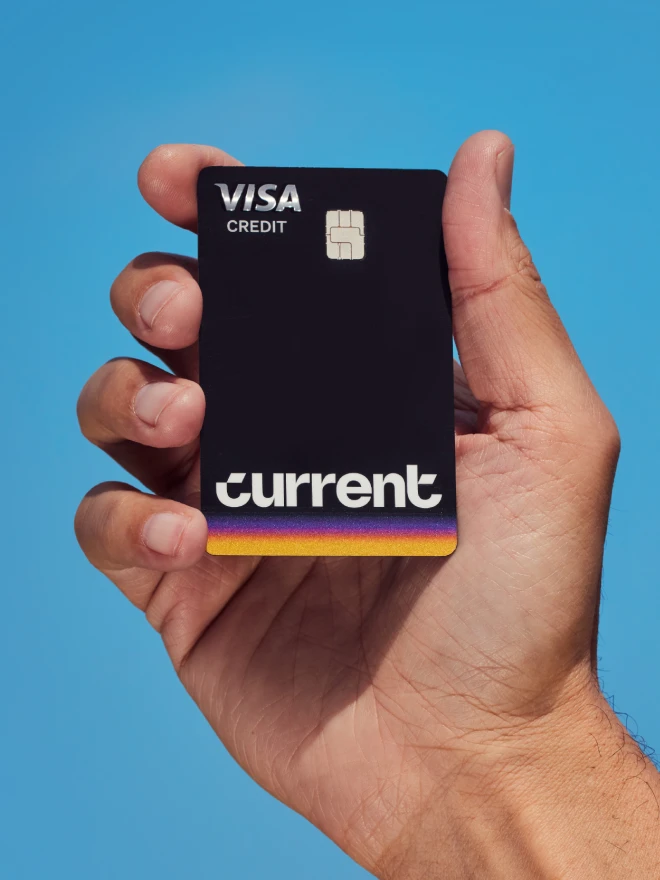
The evolution of banking identities serves as a fascinating lens through which we can view the broader shifts in corporate brand strategy. From the consolidation of regional powerhouses into national titans to the rise of abstract, tech-focused neobanks, the name on the credit card in your wallet is the result of thousands of hours of market research, linguistic analysis, and legal vetting.
The Evolution of Banking Identities: Why Names Change
The financial sector undergoes rebranding more frequently than many other industries, primarily driven by the relentless pace of consolidation. When two major institutions merge, the question of identity becomes a central point of negotiation.
Mergers and Acquisitions (M&A)
The most common reason for a name change is a “merger of equals” or a strategic acquisition. In these scenarios, maintaining one of the existing names might alienate the customer base of the other, or it might fail to represent the scale of the newly formed entity. Brand strategists often opt for a “New Brand, New Culture” approach. A prominent recent example is the merger of BB&T and SunTrust. Rather than choosing one over the other, the organizations spent millions to develop “Truist.” This new name was designed to signal a fresh start while subtly nodding to the concept of “trust,” a foundational element of banking.
Shifting Consumer Perceptions and Modernization
As banking shifts from physical branches to mobile apps, legacy names can sometimes feel archaic. Names that include terms like “Savings and Loan,” “Federal Reserve,” or “Farmers’ Bank” may convey stability, but they can also suggest a lack of technological sophistication. Rebranding allows an institution to shed historical baggage that might categorize it as a “legacy” provider. By adopting shorter, punchier, and more abstract names, traditional banks attempt to compete visually and psychologically with agile fintech startups.
Global Expansion and Localization
A bank’s name might work perfectly in its country of origin but fail or carry negative connotations in international markets. As banks expand across borders, they often streamline their identities to ensure global consistency. This “One Brand” strategy simplifies marketing efforts and builds a unified global presence. Conversely, some banks maintain local names to leverage historical trust in specific regions while operating under a different corporate umbrella—a strategy known as a “House of Brands” versus a “Branded House.”
Case Studies: Notable Brand Transitions in Modern Banking
To understand the current state of banking names, one must look at the specific trajectories of institutions that have successfully—or controversially—navigated the rebranding process.
The Rise of Truist Financial
The birth of Truist represents one of the largest brand identity shifts in recent American history. When BB&T and SunTrust merged, they faced the challenge of combining two storied identities with deep regional roots in the South and Mid-Atlantic. The name “Truist” was met with initial skepticism by the public and design critics alike, often cited as sounding more like a tech company or a pharmaceutical brand than a bank. However, from a brand strategy perspective, the name achieved a crucial goal: it provided a neutral ground where employees and customers of both legacy banks could meet without one feeling “swallowed” by the other.
The Chase Legacy: Consolidation Under One Umbrella
JPMorgan Chase & Co. provides a masterclass in identity management. While the parent company maintains the “JPMorgan” name for investment banking and asset management—signaling prestige and history—the consumer banking side is unified under the “Chase” brand. This clear distinction allows the organization to market to different demographics using different brand archetypes. The “Chase” name itself has survived numerous acquisitions (including Chemical Bank and Washington Mutual), proving the power of a strong, singular brand name to absorb smaller identities without losing its core essence.

Standard Chartered and the Power of Heritage
While many banks are moving toward abstract names, Standard Chartered provides a counter-example of the “Heritage Brand” strategy. Formed by the merger of the Standard Bank of British South Africa and the Chartered Bank of India, Australia, and China, the name is a literal map of its colonial-era origins. Despite the mouthful, the bank has maintained this name to signal its long-standing expertise in emerging markets. In this case, the “current bank name” is a testament to longevity in an industry where many are rushing to sound new.
The Psychology of a Banking Brand
Banking is an industry built entirely on the commodification of trust. Unlike a consumer goods brand where the product is tangible, a bank sells security, growth, and the promise of future access to funds. Consequently, the linguistics of a bank’s name are subjected to intense scrutiny.
Trust and Stability in Nomenclature
Traditionally, bank names utilized “strong” phonetics—hard consonants and vowels that evoke feelings of solidity. Words like “National,” “Commerce,” “Standard,” and “Security” were staples. In the current era, this has shifted toward “soft” trust. Names today focus on themes of “integrity,” “truth,” “vision,” and “alloy.” These words suggest a partnership rather than a cold, institutional relationship. The brand identity is no longer just about keeping money behind a thick vault door; it is about “empowering” the customer’s financial journey.
The Digital Pivot: Neobanks and Modern Naming Conventions
The “neobanking” revolution has introduced a completely different naming convention. Companies like Chime, Revolut, Monzo, and Starling intentionally avoid the word “bank” in their primary brand names (often for regulatory reasons, but also for stylistic ones). These names are designed to feel like lifestyle apps. They are short, easy to type, and look aesthetically pleasing on a smartphone home screen. This trend has forced traditional banks to reconsider their own naming conventions, leading to “sub-brands” or digital-only arms with names like “Marcus by Goldman Sachs,” which uses a first-name basis to appear more approachable and human.
How to Keep Track of Your Financial Institution’s Identity
For the consumer, a change in a bank’s name can cause confusion regarding account numbers, routing information, and card validity. From a brand management perspective, these transitions must be handled with extreme transparency to avoid eroding customer confidence.
Verifying SEC Filings and Regulatory Changes
When a bank changes its name, it is a matter of public record. For corporate entities and investors, the “current bank name” is officially tracked through Securities and Exchange Commission (SEC) filings. A “Change of Name” filing is a significant event that triggers updates across all global financial exchanges. If a customer is unsure if their bank has changed names or has been acquired, the most reliable source is the institution’s official investor relations page or the SEC’s EDGAR database.
The Role of the FDIC in Institutional Changes
In the United States, the Federal Deposit Insurance Corporation (FDIC) maintains a database called “BankFind.” This tool allows users to track the history of an institution. If a bank was bought out in the 1980s, merged in the 2000s, and rebranded last year, the FDIC records provide a “paper trail” of every name the institution has ever held. This is the ultimate “source of truth” for determining what a current bank name is and what happened to its predecessor.
The Future of Banking Brand Strategy
As we look forward, the trend of banking name changes shows no sign of slowing down. We are entering an era of “Embedded Finance,” where non-financial brands (like Apple or Amazon) offer banking services. This creates a complex layering of identities. Is the “bank name” the tech company providing the interface, or is it the underlying chartered institution holding the deposits?
The future of brand strategy in this space will likely move toward “Invisible Banking,” where the name of the bank becomes less important than the ecosystem it inhabits. However, for as long as people value the security of their assets, the prestige and perceived stability of a bank’s name will remain a cornerstone of financial marketing. Whether it is a legacy titan like Citibank or a modern challenger like SoFi, the current name of a bank is its most valuable intangible asset—a singular word that must convey the weight of a billion-dollar balance sheet and the agility of a silicon valley startup.
aViewFromTheCave is a participant in the Amazon Services LLC Associates Program, an affiliate advertising program designed to provide a means for sites to earn advertising fees by advertising and linking to Amazon.com. Amazon, the Amazon logo, AmazonSupply, and the AmazonSupply logo are trademarks of Amazon.com, Inc. or its affiliates. As an Amazon Associate we earn affiliate commissions from qualifying purchases.