
In the intricate world of personal finance and banking, understanding the fundamental components of your financial accounts is paramount. Among these, the routing number stands as a silent yet indispensable identifier, acting as a digital signpost that directs financial transactions to the correct bank or financial institution. Often overlooked, this nine-digit code is as crucial to your financial health as your account number itself, facilitating everything from direct deposits to automated bill payments. For anyone navigating the complexities of modern finance, grasping the ‘what, why, and how’ of a routing number is not merely an exercise in trivia, but a foundational step towards financial literacy and operational efficiency. This comprehensive guide will demystify the routing number, exploring its purpose, its applications, where to find it, and the critical role it plays in the seamless flow of your money.
Decoding the Routing Number: Your Financial GPS
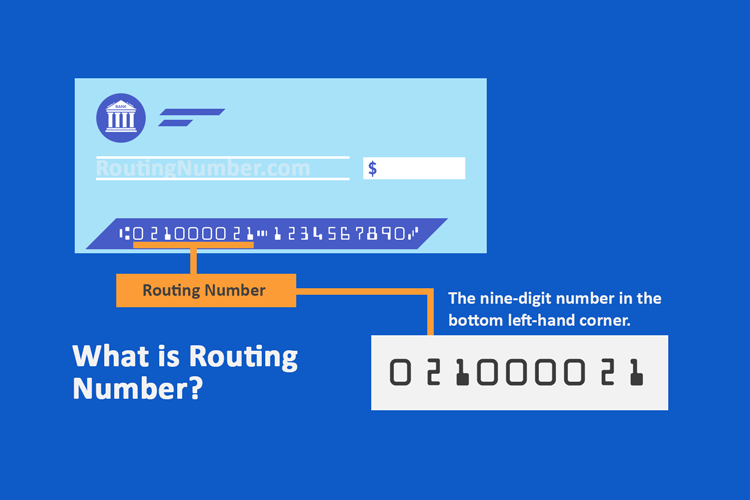
At its core, a routing number, also known as an ABA (American Bankers Association) routing transit number, is a nine-digit code that identifies the specific financial institution participating in a transaction. Think of it as the bank’s unique address in the vast postal system of the financial world. When you send money to or receive money from someone, or when you set up a direct deposit, this number ensures that your funds reach the intended bank branch, and subsequently, your correct account.
Definition and Purpose
The routing number serves as a critical identification mechanism for banks and credit unions across the United States. Its primary purpose is to facilitate the routing of electronic funds transfers (EFTs) and check-based transactions. When a check is written, the routing number printed on it tells the clearing house which bank to send the check to for payment. Similarly, for electronic transactions like direct deposits, wire transfers, and automated clearing house (ACH) payments, the routing number is the primary data point that guides the transaction to the correct institution. Without it, electronic payments would be lost in a digital abyss, making the smooth operation of our financial ecosystem virtually impossible. It’s the equivalent of a street address for your financial institution, ensuring precision in every transaction.
A Legacy of the Banking System
The concept of routing numbers is not new; it dates back to 1910 when the American Bankers Association first developed the system. Initially, it was designed to identify check-processing endpoints, streamlining the manual process of clearing checks between different banks. Over the decades, as banking evolved from paper-based transactions to electronic transfers, the ABA routing number system adapted. It became the backbone of the Automated Clearing House (ACH) network, which processes billions of electronic transactions annually, and continues to be the standard identifier for domestic wire transfers. This enduring legacy underscores its fundamental importance and robust design in supporting the vast scale of financial activity in the U.S.
Differentiating from Other Numbers
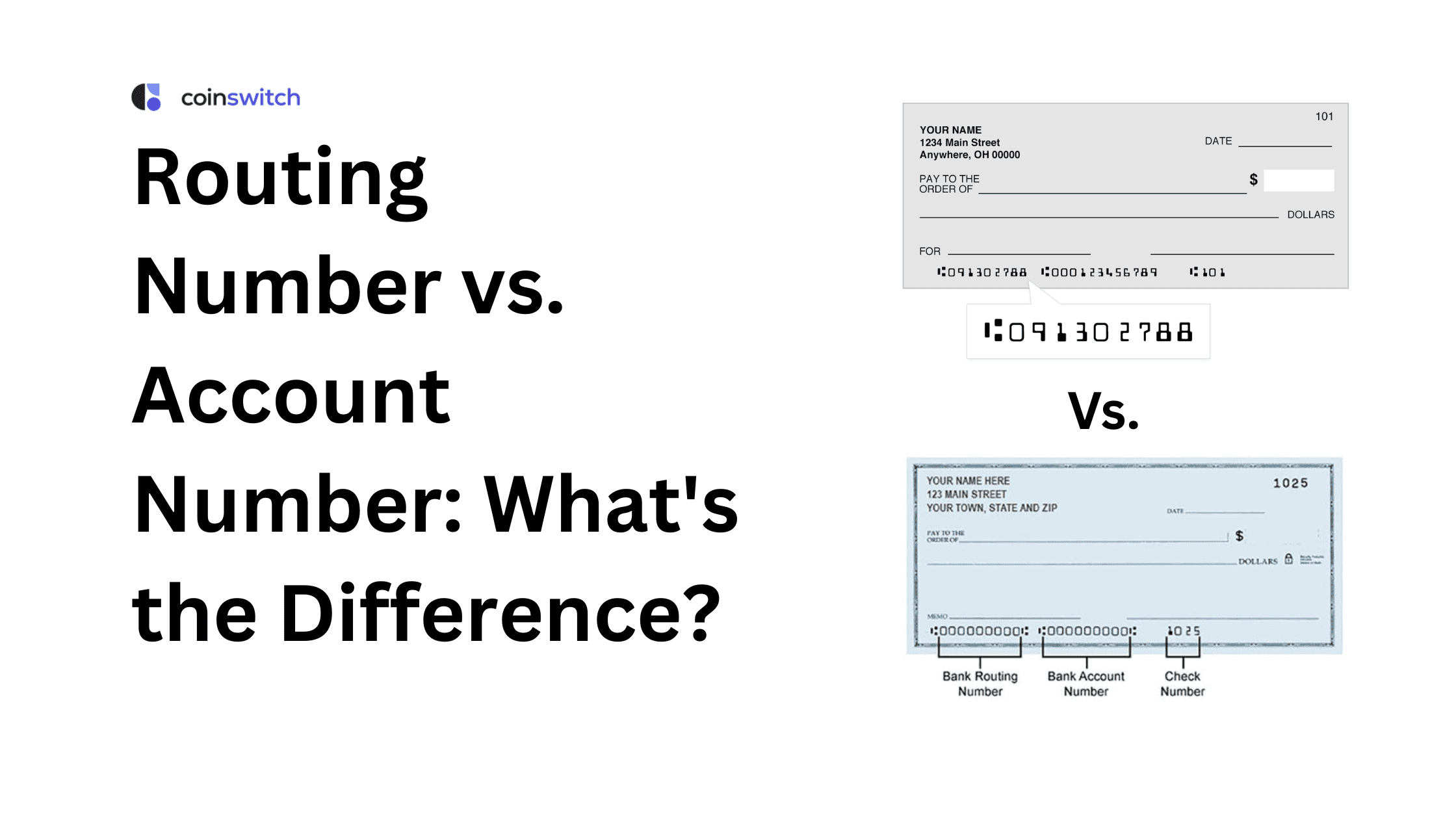
It’s easy to confuse a routing number with other financial identifiers, but each serves a distinct purpose. Your bank account number identifies your specific account within a bank. While a bank might have many accounts, it will typically have one or a few routing numbers that apply to many or all of its accounts within a certain geographical region or for specific transaction types. A debit card number is tied to your card, not directly to your bank account for routing electronic funds. For international transactions, a SWIFT/BIC (Society for Worldwide Interbank Financial Telecommunication / Bank Identifier Code) code is used instead of a routing number to identify banks globally. Understanding these distinctions is crucial for accurate financial transactions and for safeguarding your financial information.
When and Why You Need Your Routing Number
The routing number is an unsung hero in countless financial operations, powering the seamless movement of money in our increasingly digital economy. From receiving your paycheck to settling your monthly bills, its presence is a prerequisite for a multitude of transactions that form the bedrock of personal and business finance. Knowing when and why to provide it is a key aspect of managing your financial life effectively.
Setting Up Direct Deposits
Perhaps the most common use of a routing number is for direct deposits. Whether it’s your employer sending your paycheck directly to your bank account, the government disbursing tax refunds or social security benefits, or investment dividends being credited, a direct deposit relies heavily on your bank’s routing number. You’ll typically provide your employer or payer with both your bank’s routing number and your specific account number to ensure funds are deposited correctly and without delay. This method is not only faster and more convenient than paper checks but also significantly reduces the risk of loss or theft.
Automating Bill Payments
Many individuals opt for the convenience of automated bill payments, which deduct funds directly from their bank accounts to pay for utilities, loan installments, insurance premiums, or subscription services. When you set up these recurring payments, the service provider will often ask for your bank’s routing number and your account number. This enables them to initiate ACH debits from your account on scheduled dates, ensuring timely payments and helping you avoid late fees. It’s a cornerstone of effective personal finance management, allowing for budgeting and peace of mind.
Sending and Receiving Funds Electronically
Beyond direct deposits and bill payments, routing numbers are essential for various other electronic fund transfers (EFTs). If you need to send money to a friend or family member via a bank-to-bank transfer (e.g., through your online banking portal or a third-party service like Zelle that links directly to bank accounts), you will typically need their bank’s routing number along with their account number. Similarly, if you are expecting a domestic wire transfer, you’ll need to provide your routing number to the sender. These numbers facilitate the smooth, secure, and rapid transfer of funds between different financial institutions within the U.S.
Tax-Related Transactions
When it comes to your annual tax filings, your routing number plays a vital role. If you’re expecting a tax refund from the IRS, providing your routing number and account number on your tax return ensures that the refund is directly deposited into your bank account. Conversely, if you owe taxes, you can often use these same details to authorize the IRS to debit the payment directly from your account on a specified date, simplifying the payment process and ensuring timely compliance.
How to Easily Find Your Routing Number
Knowing why you need your routing number is only half the battle; knowing how to locate it quickly and accurately is equally important. Fortunately, banks make this information readily accessible through several convenient channels. Always double-check the number to ensure accuracy, as using an incorrect routing number can lead to significant delays and potential fees.
Check Your Bank Checks
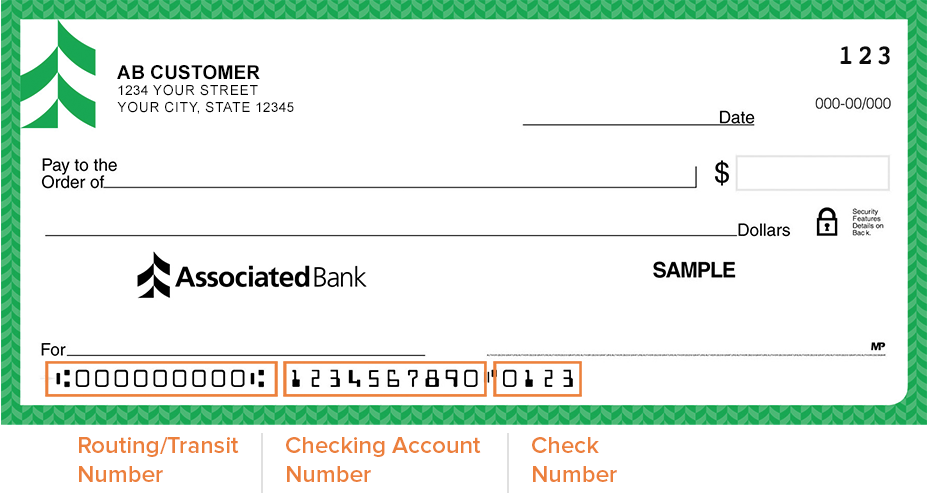
The most traditional and often easiest place to find your routing number is on a physical check from your checking account. Look at the bottom left-hand corner of your checks. You’ll typically see three sets of numbers. The first set of nine digits on the left is usually your routing number. The second set is your specific account number, and the third set (often four digits) is the check number. It’s a foolproof method for quickly identifying this critical piece of information.
Log In to Online Banking
In the digital age, your online banking portal is a treasure trove of financial information. After logging into your bank’s website or mobile app, navigate to the details section of your checking or savings account. Most banks display the routing number prominently alongside your account number and current balance. Some banks might label it as “Account Details,” “Direct Deposit Information,” or “Routing & Account Numbers.” This is often the quickest way to retrieve the number if you don’t have a physical check handy.
Review Your Bank Statements
Whether you receive paper statements in the mail or access them electronically through your online banking portal, your bank statement is another reliable source for your routing number. Typically found at the top or bottom of the statement, usually near your account information, the routing number is listed to help you identify your bank for various transactions. Always confirm it corresponds to the specific account you intend to use.
Contact Your Bank Directly
If you’re unable to locate your routing number through the aforementioned methods, or if you want absolute confirmation, the most direct approach is to contact your bank. You can call their customer service line, visit a local branch, or use their online chat support. A bank representative will be able to provide you with the correct routing number for your specific account after verifying your identity. This method is particularly useful if you have multiple accounts or if your bank uses different routing numbers for different types of transactions.
Important Considerations and Potential Pitfalls
While routing numbers simplify financial transactions, a lack of understanding or accuracy can lead to frustrating delays and financial complications. Being aware of these nuances and best practices can help you navigate the system more smoothly and protect your financial well-being.
Routing Numbers Can Vary
It’s a common misconception that a bank has only one routing number. In reality, large banks, especially those operating across multiple states, often have different routing numbers for different regions or for different types of transactions. For example, a bank might use one routing number for ACH transfers and direct deposits, and a different one for domestic wire transfers. Furthermore, a bank might have distinct routing numbers for its branches in different states. Always verify the correct routing number for the specific account and transaction type you intend to use, as the one printed on your checks might not always be the correct one for all electronic transfers, particularly wire transfers.
The Importance of Accuracy
An incorrect routing number can cause significant problems. If you provide the wrong number for a direct deposit, your paycheck might be delayed, or worse, returned. For automated bill payments, an incorrect number could lead to missed payments, late fees, and potential damage to your credit score. In the case of sending money to another person, an erroneous routing number could result in funds being misdirected, potentially requiring a lengthy and complex recovery process. Always double-check the routing and account numbers before authorizing any transaction to prevent these costly and time-consuming errors.
Security Best Practices
While your routing number is less sensitive than your full account number or debit card details, it still forms part of your financial identity. It’s generally considered less risky to share than your full account number because on its own, it doesn’t grant access to your funds. However, when combined with your account number, it can be used to initiate transactions. Therefore, practice caution: only provide your routing and account numbers to trusted entities for legitimate purposes (e.g., your employer, billers, or government agencies). Be wary of unsolicited requests for this information, especially via email or unsecured websites, to protect yourself against phishing and fraud.
Understanding Different Routing Number Types
As briefly mentioned, some banks maintain separate routing numbers for different purposes. The most common distinction is between ACH routing numbers (used for direct deposits, bill payments, and standard electronic transfers) and wire transfer routing numbers. Wire transfers are typically processed in real-time and involve a different clearing network, often necessitating a unique identifier. If you’re initiating or expecting a wire transfer, it’s imperative to confirm the specific wire routing number with your bank, as using the standard ACH routing number can lead to rejected transfers and associated fees.
International Transfers and SWIFT/BIC
It is crucial to remember that U.S. routing numbers are designed for domestic transactions within the United States. They are not used for international money transfers. For sending or receiving funds from outside the U.S., you will need the recipient bank’s SWIFT/BIC (Society for Worldwide Interbank Financial Telecommunication / Bank Identifier Code) code, along with the international bank account number (IBAN) for European accounts or the full account number for other regions. Attempting to use a U.S. routing number for an international transfer will result in the transaction being rejected.
The Broader Impact of Routing Numbers in Modern Finance
Beyond its technical function, the routing number serves as a critical enabler of the modern financial landscape, fostering efficiency, security, and broader access to banking services. Its integration into the digital infrastructure of finance has profound implications for how individuals and businesses manage their money.
Facilitating the Digital Economy
The routing number is a silent workhorse behind the scenes of our digital economy. It underpins the entire ecosystem of electronic payments, from e-commerce transactions that link to bank accounts to peer-to-peer payment apps. By providing a standardized, reliable method for identifying financial institutions, it ensures that funds move swiftly and accurately across different platforms and providers. This foundational element has played a crucial role in reducing reliance on physical cash and checks, driving the convenience and speed that consumers and businesses now expect from financial transactions. Without the routing number, the seamless integration of banking into our digital lives would be severely hampered, slowing down commerce and innovation.
Supporting Financial Inclusivity
For many, direct deposit and automated payments are not just conveniences but necessities. The routing number makes these services accessible, allowing individuals to receive wages and benefits without needing to cash a physical check, which can be challenging for those without easy access to bank branches or check-cashing services. It enables participation in the mainstream financial system, allowing individuals to build credit, save money, and access other financial products. By simplifying the process of linking bank accounts to various services, the routing number inadvertently supports financial inclusion, helping more people integrate into the formal banking sector and benefit from its efficiencies.
The Future of Payment Systems
As payment technology continues to evolve with innovations like real-time payments (RTP) and blockchain-based solutions, the role of the routing number might seem poised for change. However, even with newer technologies, the underlying need to identify the originating and receiving financial institutions remains. While new identifiers or supplementary systems might emerge, the core function of the routing number—as a reliable bank identifier—is likely to endure, or its principles will be incorporated into successor systems. It provides a stable, recognized point of reference within a rapidly evolving payment landscape, ensuring continuity and interoperability between traditional and emerging financial infrastructures. The routing number symbolizes the robust, foundational architecture that has supported, and will continue to support, the ever-changing face of global finance.
In conclusion, the routing number, though a seemingly simple nine-digit code, is an indispensable component of the financial system. It acts as the critical guide for your money, ensuring accuracy and efficiency in countless transactions that define our modern financial lives. By understanding its purpose, knowing where to find it, and being mindful of its proper use, you empower yourself with fundamental financial literacy, enabling smoother, more secure, and more effective management of your personal and business finances.
aViewFromTheCave is a participant in the Amazon Services LLC Associates Program, an affiliate advertising program designed to provide a means for sites to earn advertising fees by advertising and linking to Amazon.com. Amazon, the Amazon logo, AmazonSupply, and the AmazonSupply logo are trademarks of Amazon.com, Inc. or its affiliates. As an Amazon Associate we earn affiliate commissions from qualifying purchases.