
For millions of Americans, Electronic Benefits Transfer (EBT) cards are a crucial tool for accessing vital government assistance, primarily for food and, for some, cash benefits. While the EBT system has streamlined the distribution of these funds, understanding the nuances of how to effectively access and manage them, particularly cash benefits, is paramount for beneficiaries. This guide aims to demystify the process of taking out EBT cash, offering a professional, insightful, and engaging roadmap for navigating this essential financial tool.
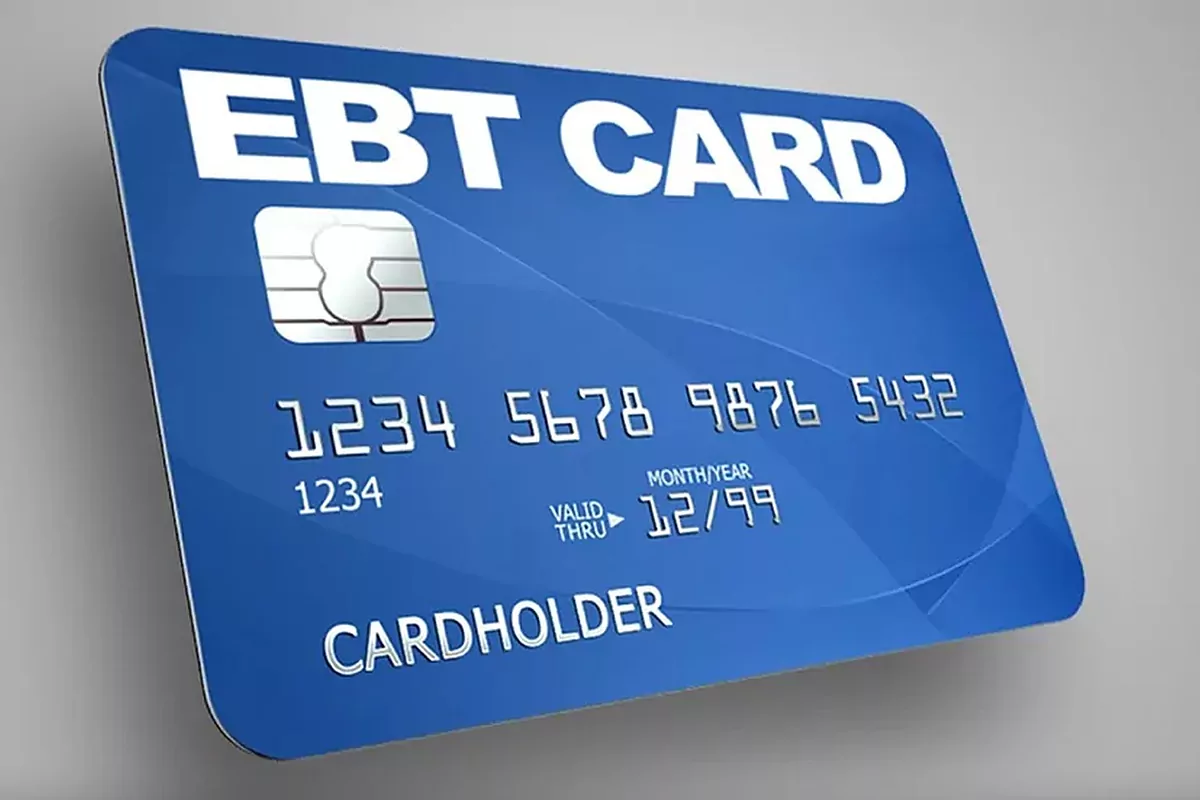
The EBT system, replacing older paper-based coupon programs, operates much like a debit card. It provides a secure and efficient way for states to deliver benefits through a magnetic stripe card or a chip card, allowing recipients to make purchases or withdrawals directly from their allocated accounts. However, not all EBT funds are created equal. Distinguishing between food benefits (SNAP) and cash benefits (often from Temporary Assistance for Needy Families – TANF, or General Assistance programs) is the first critical step in understanding how and where you can access physical cash. This distinction is not merely administrative; it dictates the mechanisms and locations available for withdrawal, as well as the permitted uses of the funds. Responsible management of these benefits empowers individuals and families to meet their basic needs, contribute to their financial stability, and make informed decisions about their limited resources.
Understanding Your EBT Benefits and Cash Access
Before attempting to withdraw cash, it’s essential to grasp the fundamental differences within the EBT system and what types of benefits qualify for cash access.
What is EBT (Electronic Benefits Transfer)?
EBT is a system that allows state welfare departments to issue benefits via a plastic debit card. This card can be used at point-of-sale (POS) terminals in authorized retail stores, much like a regular debit card. The two primary types of benefits delivered via EBT are:
-
Supplemental Nutrition Assistance Program (SNAP) Benefits: Formerly known as food stamps, SNAP benefits are strictly for purchasing eligible food items at grocery stores, farmers’ markets, and other authorized food retailers. These funds cannot be withdrawn as cash.
-
Cash Benefits: These funds typically come from programs like Temporary Assistance for Needy Families (TANF) or state-specific General Assistance programs. Unlike SNAP, these benefits are intended to help families with general living expenses beyond food, such as rent, utilities, clothing, and transportation. It is these cash benefits that you can withdraw as physical currency.
Distinguishing SNAP and Cash Benefits
Your EBT card may hold both SNAP and cash benefits, but they are maintained in separate electronic accounts. When you make a purchase or withdrawal, the system will prompt you to specify which benefit account you wish to draw from. If you are attempting to take out cash, you must select your cash benefits account. Attempting to withdraw cash from your SNAP balance will result in a declined transaction. It’s crucial to understand your current balance in each account before attempting any transaction. This can typically be checked online via your state’s EBT portal, through a dedicated helpline, or at an ATM.
Eligibility for Cash Benefits
Eligibility for cash benefits is determined by your state’s specific welfare programs, primarily TANF. These programs often have strict income limits, asset tests, work requirements, and time limits on how long you can receive assistance. If you are unsure whether your EBT card includes cash benefits, you should refer to your initial benefit approval letter or contact your state’s EBT customer service number, usually found on the back of your card. Understanding your eligibility and the specifics of your benefits package is the cornerstone of effectively managing your funds.
Step-by-Step Guide to Withdrawing EBT Cash
Once you’ve confirmed you have cash benefits available, the process of withdrawing physical currency is straightforward, though there are a few avenues to consider.
Finding EBT-Accepting ATMs
The most common method for withdrawing EBT cash is through an Automated Teller Machine (ATM). Not all ATMs accept EBT cards, but many do. Look for ATMs that display the “Quest” logo, which is the national brand for EBT. Many major bank ATMs and independent ATM networks are part of the Quest system. Some ATMs may also display the logos of common payment networks like Plus, NYCE, or STAR, indicating their compatibility. It’s advisable to use ATMs located within banks or reputable establishments for security reasons. Your state’s EBT website or helpline can often provide a locator tool for nearby EBT-friendly ATMs.
Using Your EBT Card at an ATM
The process is very similar to using a standard debit card:
-
Insert Your EBT Card: Slide your card into the ATM’s card reader.
-
Enter Your PIN: Carefully enter your four-digit Personal Identification Number (PIN). This is crucial for security.
-
Select “Withdrawal” or “Cash Withdrawal”: The ATM menu will present options. Choose the one pertaining to cash withdrawals.
-
Specify Amount: Enter the exact amount of cash you wish to withdraw. Be mindful of daily withdrawal limits and your available balance.
-
Confirm Transaction: Review the details on the screen and confirm.
-
Collect Cash and Receipt: Take your cash, your EBT card, and the transaction receipt. Always keep your receipt for your records.
Cash Back at Participating Retailers
Another convenient option is to receive cash back during a purchase at participating retailers. This is similar to how you might get cash back with a debit card. When making a purchase with your EBT cash benefits (not SNAP), you can ask the cashier if they offer EBT cash back. If they do:
-
Swipe Your EBT Card: At the POS terminal.
-
Select “Cash Benefits”: If prompted to choose between food and cash.
-
Enter Your PIN: Securely input your PIN.
-
Enter Cash Back Amount: The terminal will ask if you want cash back and how much.
-
Complete Purchase: Your total will be deducted from your cash benefits, and the cashier will hand you the requested cash.
Not all retailers offer this service, and those that do may have limits on the amount of cash back you can receive. Always inquire beforehand.
Over-the-Counter Transactions at Banks/Credit Unions
In some states, you may be able to withdraw cash benefits directly from a bank teller, particularly if your EBT card is associated with a TANF account that is processed through a specific bank. This is less common but can be an option if you encounter issues with ATMs or cash back services. You would typically need to present your EBT card and possibly a valid photo ID. It’s always best to call the bank ahead of time to confirm their policy regarding EBT cash withdrawals.
Important Considerations and Best Practices
Accessing your EBT cash benefits effectively goes beyond knowing the mechanics; it involves being aware of potential pitfalls and adopting smart financial habits.

Understanding Transaction Fees
One of the most critical aspects to consider when withdrawing EBT cash is potential fees. While using your EBT card for purchases (both food and cash benefits) is generally fee-free, ATM withdrawals can incur charges:
-
Surcharge Fees: These are fees charged by the ATM owner (not your state EBT program) for using their machine. They can range from $1.50 to $3.50 or more per transaction.
-
Out-of-Network Fees: Some states or EBT processors might charge a small fee if you use an ATM outside of a specific network.
To avoid or minimize fees, prioritize using ATMs that are part of your state’s fee-free network (if one exists) or those located at banks that partner with your EBT program. Always check the ATM screen for fee disclosures before completing a transaction.
Daily Withdrawal Limits
Both state EBT programs and individual ATM owners impose daily withdrawal limits. State limits are typically designed to prevent large, single withdrawals and encourage regular, smaller access to funds. ATM owners may have their own lower limits for security reasons or to manage cash availability. For instance, an ATM might only dispense up to $200-$300 per transaction, even if your state allows more. You can find your specific state’s daily EBT cash withdrawal limits on your state’s EBT website or by calling the customer service number on your card. Planning your withdrawals based on these limits can save you multiple trips and potential fees.
Keeping Your EBT Card and PIN Secure
Treat your EBT card like a debit card. It is linked to your benefits, and its security is paramount:
-
Protect Your PIN: Never share your PIN with anyone. Memorize it and avoid writing it down. If you suspect your PIN has been compromised, change it immediately.
-
Guard Your Card: Do not lend your card to others. Keep it in a safe place, just like you would with cash or other bank cards.
-
Report Lost or Stolen Cards: If your EBT card is lost, stolen, or damaged, report it immediately to your state’s EBT customer service. They will deactivate the old card and issue a new one. Prompt reporting is crucial to protect your remaining benefits.
-
Beware of Skimming: Be vigilant when using ATMs or POS terminals. Check for any unusual devices attached to the card reader or keypad, as these could be skimmers designed to steal your card information.
Tracking Your Balance
Regularly checking your EBT balance is a fundamental aspect of financial management. This helps you avoid overdrafts, manage your spending, and ensure your benefits are correctly deposited. You can check your balance through several methods:
-
Online Portal: Most states offer an online EBT beneficiary portal where you can view your balance and transaction history.
-
EBT Customer Service: Call the toll-free number on the back of your card.
-
ATM Receipt: After a transaction, the ATM receipt often shows your remaining balance.
-
Retailer Receipt: Some retailer receipts for EBT purchases will also display your balance.
Consistent tracking allows you to budget effectively and catch any unauthorized activity quickly.
Maximizing Your EBT Cash Benefits and Financial Wellbeing
Accessing EBT cash is one step; using it wisely to enhance your financial wellbeing is the ultimate goal.
Budgeting and Financial Planning
EBT cash benefits are a vital lifeline for covering essential expenses. Treat these funds with the same budgeting discipline you would any other income. Create a simple budget that allocates your cash benefits to critical categories like rent, utilities, transportation, and personal care items. Tracking where your money goes can reveal opportunities for savings and help you prioritize spending, ensuring your benefits stretch as far as possible. There are many free budgeting apps or simple pen-and-paper methods that can assist you.
Avoiding Fraud and Scams
Unfortunately, individuals receiving government benefits are often targets for scams. Be extremely cautious of:
-
Phishing Attempts: Emails, texts, or phone calls asking for your EBT card number, PIN, or other personal information. Government agencies will rarely ask for this information via unsolicited communication.
-
Fake Websites: Always ensure you are on your official state EBT website before entering any personal data.
-
Social Media Scams: Offers to “double your benefits” or similar too-good-to-be-true propositions are almost always scams.
If you suspect fraud, report it to your state’s EBT office and local law enforcement. Protect your benefits by remaining vigilant and skeptical of unsolicited requests for information.
Utilizing Other Financial Resources
While EBT cash benefits are crucial, they are often designed as a supplement, not a comprehensive solution for all financial needs. Explore other available resources in your community:
-
Food Banks and Pantries: Can supplement SNAP benefits and reduce the burden on your cash funds for non-food essentials.
-
Utility Assistance Programs: Many states and non-profits offer programs to help with energy bills.
-
Job Training and Employment Services: These programs can help you gain skills and find stable employment, reducing reliance on temporary assistance.
-
Financial Literacy Workshops: Local community centers or credit unions often offer free workshops on budgeting, saving, and managing debt.
Building a network of support and continuously seeking ways to enhance your financial knowledge can significantly improve your long-term economic stability.

Conclusion
Accessing EBT cash benefits is a critical component of managing personal finance for many individuals and families across the nation. By understanding the distinction between SNAP and cash benefits, knowing where and how to withdraw funds, and adhering to best practices for security and financial management, beneficiaries can maximize the utility of their assistance. This guide emphasizes that EBT cards are more than just a means to an end; they are a financial tool that, when understood and managed responsibly, can significantly contribute to an individual’s or family’s stability and pathway to greater financial independence. By staying informed, cautious, and proactive, you can ensure your EBT cash benefits serve their intended purpose effectively and securely.
aViewFromTheCave is a participant in the Amazon Services LLC Associates Program, an affiliate advertising program designed to provide a means for sites to earn advertising fees by advertising and linking to Amazon.com. Amazon, the Amazon logo, AmazonSupply, and the AmazonSupply logo are trademarks of Amazon.com, Inc. or its affiliates. As an Amazon Associate we earn affiliate commissions from qualifying purchases.