
Car insurance is a fundamental component of vehicle ownership for millions globally, serving not only as a legal requirement in most places but also as an indispensable financial safety net. Yet, for many, the annual cost of this critical protection remains a perplexing variable. Far from a fixed price, the premium you pay can fluctuate wildly, influenced by a complex interplay of personal details, vehicle specifications, coverage choices, and even where you live. Understanding “how much is car insurance a year” isn’t just about getting a quote; it’s about dissecting the myriad factors that contribute to that final figure, enabling you to make informed decisions that protect your finances without overspending.
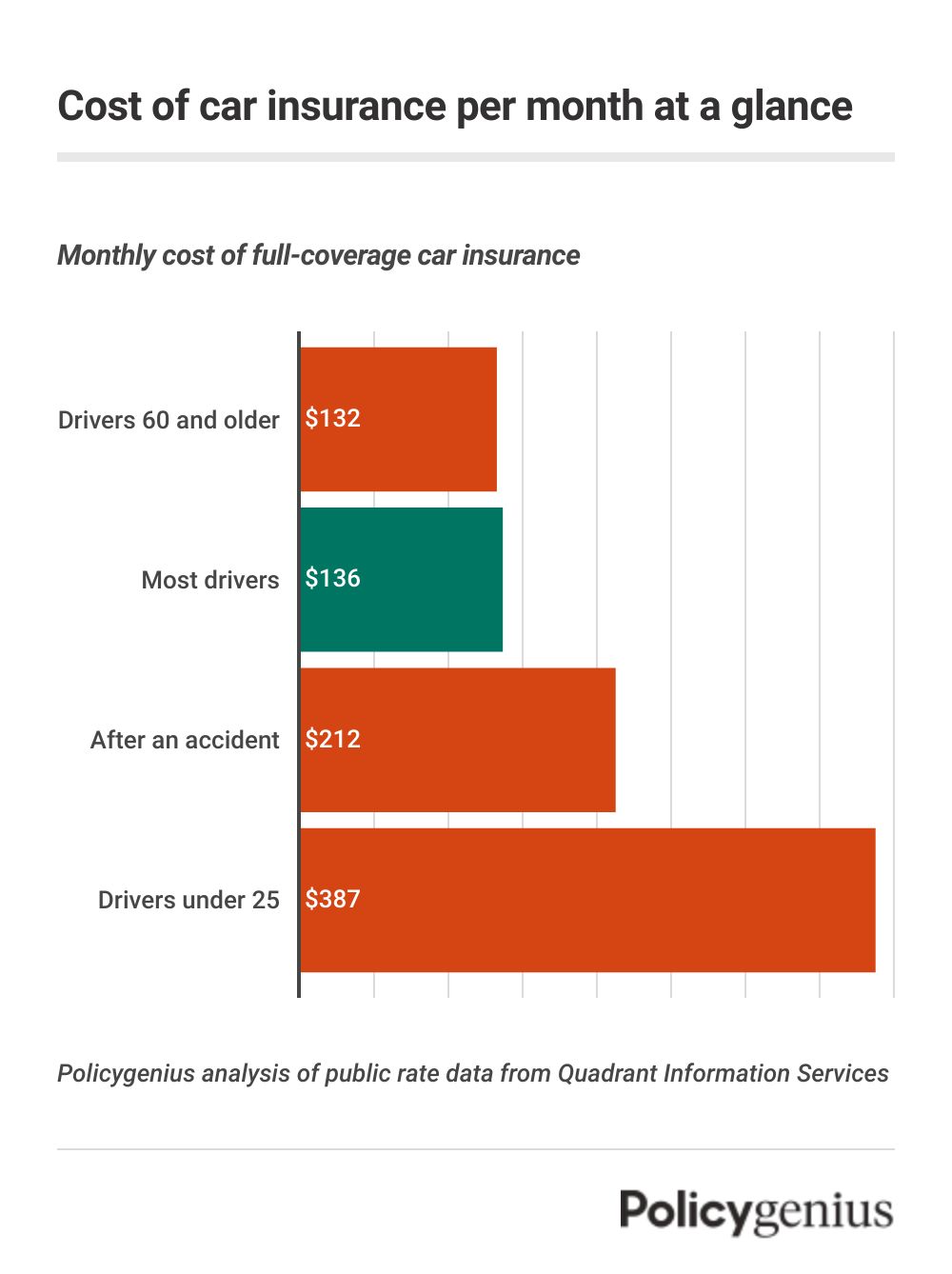
This comprehensive guide delves into the intricate world of annual car insurance costs, exploring the primary drivers behind premium calculations, the various types of coverage available, and actionable strategies to optimize your expenditure. Our aim is to demystify the process, providing you with the knowledge to navigate the market confidently, secure adequate protection, and potentially save a significant amount of money each year.
Understanding the Core Factors Influencing Car Insurance Premiums
The annual cost of car insurance is never a one-size-fits-all figure. Insurers employ sophisticated algorithms to assess risk, and your premium is a direct reflection of how much risk they perceive you to pose. This assessment considers a wide array of factors, some directly related to you as a driver, and others concerning the vehicle you intend to insure.
Driver Demographics and History
Your personal profile and driving habits are paramount in determining your insurance rates. Each element provides insurers with data points to predict the likelihood of future claims.
-
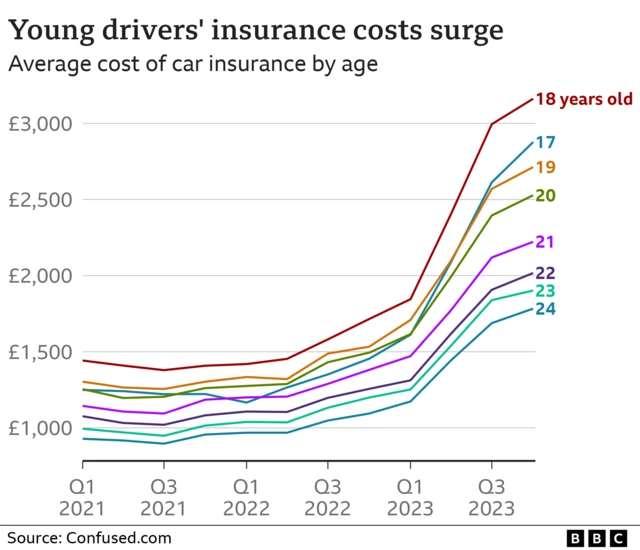
Age and Gender: Younger, less experienced drivers, particularly males under 25, statistically face higher premiums due to a greater propensity for accidents. As drivers mature and gain experience, rates typically decrease, assuming a clean driving record.
-
Driving Record: This is arguably the most impactful factor. A history of accidents, traffic violations (speeding tickets, DUIs), or past insurance claims signals a higher risk to insurers, leading to substantially higher premiums. Conversely, a long history of safe driving is rewarded with lower rates, often through “good driver” discounts.
-
Location: Where you live significantly influences your premiums. Urban areas with higher traffic density, crime rates (especially car theft and vandalism), and greater instances of accidents typically incur higher costs than rural or suburban locales. Even your specific zip code within a city can make a difference.
-
Marital Status: Statistically, married individuals are often considered lower risk by insurers and may receive slightly better rates than single, divorced, or widowed policyholders.
-
Credit Score (in some states): In many U.S. states, insurers use a credit-based insurance score as one factor in determining premiums. Individuals with higher credit scores are often deemed more financially responsible and therefore less likely to file claims, leading to lower rates.
Vehicle Characteristics
The car you drive is equally important in the premium calculation. Insurers evaluate the likelihood of it being involved in an accident, stolen, or damaged, as well as the potential cost of repairs.
-
Make, Model, and Year: Luxury, high-performance sports cars, or vehicles with expensive, specialized parts typically cost more to insure due to higher repair costs and a greater likelihood of theft. Conversely, family sedans or older, more common models might have lower premiums. The year can also matter; newer cars might cost more for collision/comprehensive due to higher repair values, but could be cheaper for liability if they have advanced safety features.
-
Safety Features: Vehicles equipped with modern safety technologies such as anti-lock brakes (ABS), airbags, electronic stability control, lane departure warnings, automatic emergency braking, and advanced driver-assistance systems (ADAS) may qualify for discounts, as these features reduce the likelihood or severity of accidents.
-
Repair Costs: Cars with readily available and inexpensive parts are generally cheaper to insure than those requiring specialized components or complex repairs. Certain brands or models known for costly repairs will reflect this in their insurance premiums.
-
Theft Rates: If your car model is frequently targeted by thieves, your comprehensive coverage premium (which covers theft) will likely be higher. Insurers track theft data extensively.
Types of Car Insurance Coverage and Their Impact on Cost
The total annual cost of your car insurance is also heavily dependent on the specific types and amounts of coverage you choose. While some coverage is mandatory by law, others are optional but provide crucial financial protection.
Mandatory vs. Optional Coverages
Understanding what each type of coverage entails is key to balancing protection with cost.
-
Liability Coverage (Bodily Injury & Property Damage): This is the most fundamental and almost universally mandated type of insurance. It pays for damages and injuries you cause to other people and their property if you are at fault in an accident. Higher liability limits offer greater financial protection but also increase your premium. Minimal state-required liability often isn’t enough to cover serious accidents, leaving you personally liable for excess costs.
-
Collision Coverage: This optional but highly recommended coverage pays for damage to your own car resulting from a collision with another vehicle or object, regardless of who is at fault. It’s particularly important for newer or financed vehicles. The cost is influenced by the value of your car and your chosen deductible.
-
Comprehensive Coverage: Also optional, comprehensive coverage protects your car against non-collision incidents. This includes damage from theft, vandalism, fire, natural disasters (hail, floods), falling objects, or hitting an animal. Like collision, its cost depends on your vehicle’s value and deductible.
-
Uninsured/Underinsured Motorist (UIM/UM) Coverage: This protects you and your passengers if you are hit by a driver who has no insurance or insufficient insurance to cover your damages and medical bills. It’s vital protection given the number of uninsured drivers on the road.
-
Personal Injury Protection (PIP) / Medical Payments (MedPay): Required in some “no-fault” states, PIP covers medical expenses and sometimes lost wages for you and your passengers, regardless of who caused the accident. MedPay is similar but typically only covers medical expenses.
Deductibles and Limits
Your choices regarding deductibles and coverage limits directly influence your annual premium.
-
Higher Deductibles, Lower Premiums: A deductible is the amount you agree to pay out-of-pocket before your insurance kicks in for collision and comprehensive claims. Choosing a higher deductible (e.g., $1,000 instead of $500) will lower your annual premium because you’re taking on more of the initial financial risk. However, ensure you have enough savings to cover that deductible if a claim arises.
-
Higher Coverage Limits, Higher Premiums: The “limits” refer to the maximum amount your insurer will pay for a covered loss. For liability, these are often expressed as three numbers (e.g., 100/300/50, meaning $100,000 per person for bodily injury, $300,000 per accident for bodily injury, and $50,000 for property damage). Opting for higher limits provides greater financial security, especially in severe accidents, but naturally comes with a higher premium.
Strategies to Reduce Your Annual Car Insurance Costs
While many factors influencing car insurance costs are outside your immediate control, there are numerous proactive steps you can take to significantly lower your annual premiums without compromising essential protection. Diligence and awareness can lead to substantial savings.

Shop Around and Compare Quotes
This is perhaps the single most effective strategy for reducing car insurance costs. Prices for the exact same coverage can vary by hundreds, or even thousands, of dollars between different insurers.
-
Don’t Settle: Never assume your current insurer offers the best rate. Make it a habit to compare quotes from at least 3-5 different providers annually, or whenever your policy is up for renewal.
-
Utilize Comparison Tools: Online comparison websites can streamline the process, but also consider contacting independent insurance agents who can shop multiple carriers on your behalf.
-
Check for Group Discounts: Some employers, professional organizations, or alumni associations offer special rates through preferred insurers.
Leverage Discounts
Insurance companies offer a wide array of discounts that many policyholders either don’t know about or fail to apply for. Always ask your agent about every discount you might qualify for.
-
Multi-Policy/Bundling Discount: Combining your car insurance with other policies like home, renters, or life insurance with the same provider can lead to significant savings on all policies.
-
Good Driver/No Claims Bonus: Maintaining a clean driving record free of accidents or tickets for a certain period (e.g., three to five years) often qualifies you for substantial discounts.
-
Good Student Discount: Students who maintain a B average or higher may be eligible for discounts, particularly relevant for younger drivers who face higher base rates.
-
Anti-Theft Device Discount: If your vehicle has factory-installed or aftermarket anti-theft devices (e.g., alarms, immobilizers, tracking systems), you might qualify for a discount on comprehensive coverage.
-
Low Mileage Discount (Usage-Based Insurance): If you drive fewer miles than average, some insurers offer discounts. Telematics programs (usage-based insurance) use a device in your car or a smartphone app to track your driving habits (mileage, speed, braking) and can offer personalized discounts for safe driving.
-
Defensive Driving Course Discount: Completing an approved defensive driving course can sometimes earn you a discount, especially if you’re a younger driver or looking to offset a minor traffic violation.
-
Payment Discounts: Paying your premium in full upfront, enrolling in automatic payments, or choosing paperless billing can often lead to small but cumulative savings.
Review and Adjust Coverage
Your insurance needs evolve over time. Periodically reviewing your policy ensures you’re not overpaying for coverage you no longer need.
-
Dropping Collision/Comprehensive on Older Cars: If your car is older and its market value is low (e.g., less than 10 times your comprehensive/collision premium), the cost of these coverages might outweigh the potential payout after a deductible. Consider if you’d repair or replace it with savings.
-
Adjust Deductibles Strategically: If you have a healthy emergency fund, consider increasing your deductibles for collision and comprehensive coverage. This lowers your premium, but be sure you can comfortably afford the higher out-of-pocket expense if a claim occurs.
-
Reassess Limits: As your assets grow, you might need to increase your liability limits to protect your wealth from potential lawsuits. Conversely, if your financial situation changes, you might temporarily adjust limits, though this often comes with increased personal risk.
Maintain a Clean Driving Record and Good Credit
These long-term strategies are foundational for securing the best rates.
-
Drive Safely: Avoiding accidents and traffic violations is the most direct way to keep your premiums low. Each incident on your record can significantly elevate costs for years.
-
Improve Your Credit Score: If permitted in your state, a strong credit history can positively impact your insurance scores. Regularly check your credit report and work to improve any negative marks.
The Long-Term Financial Perspective of Car Insurance
While the annual premium is a tangible expense, the true value of car insurance extends far beyond that immediate cost. Viewing it solely as a burden misses its critical role as a robust financial planning tool and a shield against potentially catastrophic losses.
Beyond the Annual Premium
Considering the broader financial implications helps frame car insurance not as an optional luxury, but as an essential investment.
-
The True Cost of Inadequate Insurance: A major accident involving significant bodily injury or property damage can easily exceed minimal state-mandated liability limits. Without adequate coverage, you could be personally sued for hundreds of thousands, or even millions, of dollars. This could lead to wage garnishments, seizure of assets, and bankruptcy, devastating your financial future for decades.
-
Peace of Mind and Risk Transfer: Car insurance fundamentally transfers financial risk from you to the insurance company. For a relatively small, predictable annual fee, you gain the peace of mind knowing that a catastrophic event won’t financially ruin you. This allows you to focus your financial planning on wealth accumulation rather than disaster recovery.
-
Impact on Personal Finances and Credit: Beyond direct costs, an uninsured or underinsured accident can severely damage your credit score, making it harder to obtain loans, mortgages, or even new insurance policies in the future. The financial strain can lead to increased debt, impacting every aspect of your financial life.
Future Trends and Technology’s Role
The insurance landscape is constantly evolving, with technology playing an increasing role in how premiums are calculated and how services are delivered. Staying abreast of these changes can offer future opportunities for savings.
-
Telematics and Usage-Based Insurance (UBI): These programs, which monitor actual driving behavior (speed, braking, mileage, time of day), are becoming more prevalent. They offer the potential for highly personalized premiums, rewarding exceptionally safe drivers with lower rates. For those with consistently good driving habits, embracing UBI could lead to long-term savings.
-
Impact of Advanced Driver-Assistance Systems (ADAS): While ADAS features like automatic emergency braking and lane-keeping assist promise fewer accidents, they also introduce complex, expensive-to-repair sensors and cameras. This duality means that while these systems could lower the frequency of minor claims, the severity (cost) of repairs for even minor fender benders might increase, influencing future premium structures.
-
The Potential Influence of Autonomous Vehicles: While still in its infancy, fully autonomous vehicle technology could revolutionize car insurance. As the driver’s role diminishes, liability may shift from the individual to vehicle manufacturers or software providers, fundamentally altering current insurance models. This is a longer-term trend, but one to watch for its eventual impact on personal car insurance costs.
In conclusion, the question “how much is car insurance a year?” doesn’t have a simple answer. It’s a dynamic figure shaped by a multitude of personal, vehicle-related, and coverage-specific factors. However, by understanding these influences, actively seeking out discounts, regularly comparing quotes, and making informed choices about your coverage, you can effectively manage this essential financial outlay. Car insurance isn’t just a regulatory hurdle; it’s a vital component of a sound financial plan, offering crucial protection against unforeseen events that could otherwise derail your economic well-being. Proactive management of your policy ensures you receive the best possible value for this indispensable safeguard.
aViewFromTheCave is a participant in the Amazon Services LLC Associates Program, an affiliate advertising program designed to provide a means for sites to earn advertising fees by advertising and linking to Amazon.com. Amazon, the Amazon logo, AmazonSupply, and the AmazonSupply logo are trademarks of Amazon.com, Inc. or its affiliates. As an Amazon Associate we earn affiliate commissions from qualifying purchases.