
In the modern consumer landscape, strategic financial tools are essential for managing large-scale purchases, particularly in the realm of high-end electronics and home appliances. The Best Buy credit card program, managed through Citibank, offers a specialized gateway for consumers to leverage their credit for both immediate rewards and long-term financing flexibility. Understanding the nuances of the application process, the specific financial products available, and the long-term impact on your personal credit profile is the first step toward making an informed financial decision.
Understanding the Options: My Best Buy Credit Card vs. Visa
Before initiating an application, it is vital to distinguish between the two primary tiers of credit products offered by Best Buy. While both are issued by Citibank, they serve different financial functions and carry distinct utility profiles.

The My Best Buy Credit Card (Store Card)
The standard My Best Buy Credit Card is a “closed-loop” retail card. This means the line of credit is exclusively available for use at Best Buy locations and on BestBuy.com. For individuals looking to build credit or those who primarily shop at this specific retailer for their technology needs, this card is often easier to qualify for than traditional unsecured credit cards. It provides access to the retailer’s promotional financing offers, which are a cornerstone of the brand’s value proposition for major purchases like home theaters, kitchen appliances, and professional-grade computing hardware.
The My Best Buy Visa Card
The My Best Buy Visa Card is an “open-loop” credit product. Because it is powered by the Visa network, it functions as a traditional credit card that can be used anywhere Visa is accepted. This version is generally reserved for applicants with stronger credit profiles. The primary advantage of the Visa version is the ability to earn My Best Buy rewards points on everyday purchases outside of the electronics ecosystem—such as at grocery stores, gas stations, and restaurants. For the financially savvy consumer, this turns the card into a multi-purpose tool that accelerates the accumulation of rewards points which can then be liquidated for discounts on future tech upgrades.
Evaluating Your Financial Readiness and Eligibility
Applying for any line of credit requires an honest assessment of your current financial standing. Because the Best Buy credit card is a “dual-card” application—meaning you apply for the program and Citibank determines which version you qualify for—you must be prepared for various outcomes.
Credit Score Requirements and Benchmarks
While Citibank does not publicly disclose exact “cutoff” scores, market data suggests that the My Best Buy Store Card is accessible to those in the “Fair” to “Good” credit range (typically 640 to 700). The My Best Buy Visa generally requires a “Good” to “Excellent” score (700 and above). If your credit score is currently in a recovery phase, securing the store-only version can be a strategic move to demonstrate creditworthiness and eventually graduate to more versatile products.
Required Documentation and Information
To streamline the application process, you should have several key pieces of information ready. Federal law requires financial institutions to verify the identity of all applicants to prevent money laundering and identity theft. You will need:
-
Social Security Number (SSN) or Individual Taxpayer Identification Number (ITIN): This is essential for the “hard pull” on your credit report.
-
Gross Annual Income: Citibank evaluates your debt-to-income ratio to determine your credit limit. Be sure to include all legal sources of income, including salary, bonuses, and investment returns.
-
Residential Address: P.O. Boxes are generally not accepted for the primary residential address on a credit application.
-
Monthly Housing Payment: This helps the lender assess your monthly discretionary cash flow.
Step-by-Step Guide to the Application Process

The application process is designed to be frictionless, offering near-instant decisions in most cases. You can choose between an online experience or an in-person application at a retail location.
Applying Online for Maximum Efficiency
The most common method is applying through the Best Buy website or mobile app. This allows you to review the terms and conditions in a controlled environment without the pressure of a checkout line.
-
Navigate to the Credit Card Portal: Access the “Credit Card” link at the footer of the Best Buy homepage.
-
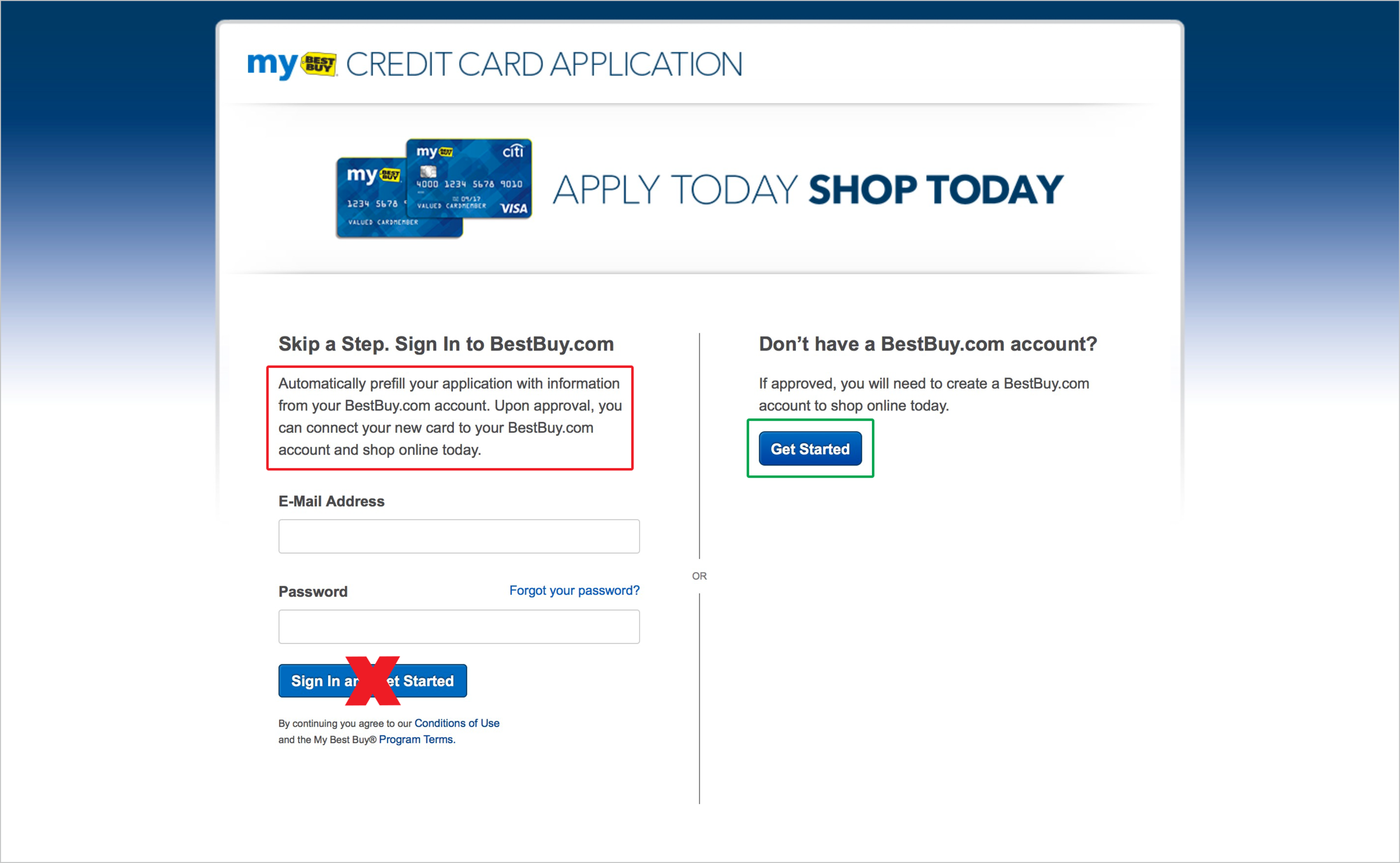
Authentication: If you have an existing My Best Buy account, log in first. This will pre-populate much of your data, reducing the risk of clerical errors.
-
Form Completion: Enter your personal details, financial information, and contact preferences.
-
The “Hard” Inquiry: Once you submit, Citibank will perform a hard credit inquiry. This may result in a temporary dip of five to ten points in your credit score, which is standard for any new credit application.
-
The Decision: In most cases, you will receive a decision within 60 seconds. If approved, you will be given your credit limit and an immediate temporary barcode or account number that can be used for shopping while you wait for the physical card to arrive by mail.
Applying In-Store and the Role of the Best Buy App
If you are planning a large purchase immediately, applying in-store can be beneficial. Associates can guide you through the process on a store tablet. However, a more modern approach is using the Best Buy App while in the store. By using the app, you maintain control over your sensitive data. If approved in-store, the credit line is usually available instantly, allowing you to take advantage of promotional financing on the spot for that day’s purchase.
Maximizing the Benefits and Managing Your New Account
Securing the card is only the first half of the financial equation. The true value of a Best Buy credit card lies in how you manage the rewards and the unique financing structures.
Navigating Rewards vs. Promotional Financing
Upon approval, you are often faced with a choice for each purchase: “5% Back in Rewards” or “Flexible Financing.” This is a critical decision point for your personal finances.
-
The Rewards Path: If you pay your balance in full every month, opting for the 5% back (in the form of reward certificates) provides the highest “return on investment” for your spending.
-
The Financing Path: If you are purchasing a $2,000 refrigerator, you might opt for 12, 18, or 24 months of “deferred interest” financing. This allows you to break the cost into manageable monthly payments without interest charges—provided the balance is paid in full before the promotional period ends.
The “Deferred Interest” Warning
It is vital to understand that Best Buy’s financing is typically “deferred interest,” not “0% APR.” In a deferred interest model, if you fail to pay the entire balance by the end of the promotional period, or if you miss a payment, the interest is backdated to the original purchase date and applied to the account. From a financial management perspective, this means you should aim to pay off the balance at least one month before the deadline to ensure no technicalities trigger a massive interest charge.
Is the Best Buy Credit Card Right for Your Financial Goals?
When integrating a retail card into your broader financial strategy, you must weigh the specific benefits against the potential risks.
Pros of the Best Buy Credit Card
-
High Reward Rate: A 5% reward rate on tech is significantly higher than the 1% to 2% offered by most standard cash-back cards.
-
Large Purchase Management: For homeowners or professionals needing expensive equipment, the ability to spread payments over two years without interest is a powerful liquidity tool.
-
No Annual Fee: Neither the store card nor the standard Visa card carries an annual fee, making them low-cost “anchor” cards for your credit history.
Cons and Risks
-
High Standard APR: Like most retail cards, the non-promotional APR is often well above 25%. Carrying a balance outside of a promotional offer is an expensive mistake.
-
Limited Redemption: Rewards are issued as Best Buy certificates. They are not cash back. If you do not shop at Best Buy frequently, the value of these rewards is diminished.
-
Impact of Hard Inquiries: If you are planning to apply for a mortgage or auto loan within the next six months, the hard inquiry and the new line of credit could slightly lower your score at a sensitive time.
In conclusion, applying for a Best Buy credit card is a straightforward process that offers substantial rewards for those who frequent the retailer. However, the true utility of the card depends on disciplined financial management. By understanding the difference between the store and Visa versions, carefully selecting between rewards and financing, and strictly adhering to the promotional timelines, you can use this financial tool to enhance your technology lifestyle while maintaining a healthy and robust credit profile.
aViewFromTheCave is a participant in the Amazon Services LLC Associates Program, an affiliate advertising program designed to provide a means for sites to earn advertising fees by advertising and linking to Amazon.com. Amazon, the Amazon logo, AmazonSupply, and the AmazonSupply logo are trademarks of Amazon.com, Inc. or its affiliates. As an Amazon Associate we earn affiliate commissions from qualifying purchases.