
The modern financial landscape has undergone a radical transformation, moving from the days of paper applications and multi-week waiting periods to a digital-first ecosystem where a credit decision can be rendered in seconds. However, the speed of technology does not eliminate the necessity of strategic financial planning. Getting a credit card today requires more than just filling out a form; it demands a comprehensive understanding of your creditworthiness, an awareness of the current market offerings, and a disciplined approach to the application process. Whether you are looking to build credit from scratch, earn travel rewards, or manage a large upcoming purchase with a 0% APR offer, navigating the path to approval is a systematic endeavor.

Understanding Your Financial Profile Before You Apply
Before you even browse the digital marketplace for a new card, you must see yourself through the eyes of a lender. Financial institutions use sophisticated algorithms to weigh risk, and your credit profile is the primary data source for these decisions.
Checking Your Credit Score and Report
Your credit score—typically a FICO or VantageScore—is a numerical representation of your reliability as a borrower. Today, most consumers can access their credit scores for free through their existing bank accounts or dedicated credit monitoring services. A score of 740 or higher is generally considered “excellent” and will grant you access to the most lucrative rewards cards. A score between 670 and 739 is “good,” while scores below 580 may limit you to secured cards or credit-building products.
It is equally important to pull your full credit report from the three major bureaus: Equifax, Experian, and TransUnion. Look for inaccuracies such as accounts you didn’t open or late payments that were actually made on time. Correcting these errors before applying for a new card can provide an immediate boost to your approval odds.
Evaluating Your Debt-to-Income Ratio
While your credit score tells lenders how you’ve handled debt in the past, your Debt-to-Income (DTI) ratio tells them how much more debt you can handle in the future. Lenders look at your gross monthly income relative to your monthly debt obligations (rent/mortgage, car loans, student loans). If your DTI is too high, a lender may deny your application even if you have a perfect credit score, fearing that adding another line of credit would overextend your finances.
Employment and Income Verification
When applying for a credit card today, you are required to state your annual gross income. For many, this is straightforward salary information. However, current regulations allow applicants over the age of 21 to include “accessible income.” This can include a spouse’s income, dividends from investments, social security benefits, or even regular allowances, provided you have a reasonable expectation of access to these funds to pay off your debts.
Choosing the Right Credit Card for Your Goals
The “best” credit card does not exist in a vacuum; it only exists relative to your specific financial goals. Applying for the wrong type of card can lead to a wasted “hard inquiry” on your credit report, which can temporarily dip your score.
Rewards and Cashback Cards
If you have a solid credit foundation and pay your balance in full every month, rewards cards are a powerful tool for optimizing your spending. Cashback cards offer a straightforward percentage back on every purchase, often ranging from 1.5% to 5% in specific categories like groceries or gas. Travel rewards cards, on the other hand, offer points or miles that can be redeemed for flights and hotel stays. These often come with “sign-up bonuses”—large sums of points granted after meeting a minimum spending requirement in the first few months.
Low-Interest and Balance Transfer Options
For those carrying existing high-interest debt or planning a significant purchase, the priority shifts from rewards to interest savings. Balance transfer cards often feature an introductory 0% APR period for 12 to 21 months. Getting approved for these cards allows you to move debt from a high-interest card to the new one, ensuring that every dollar of your payment goes toward the principal rather than interest.
Secured Cards for Building Credit
If you are a student, a recent immigrant, or someone recovering from financial hardship, a secured credit card is often the most viable path. These cards require a refundable security deposit, which usually serves as your credit limit. Because the deposit protects the lender, these cards are much easier to obtain and serve as a vital stepping stone to “unsecured” traditional credit cards.
The Step-by-Step Application Process
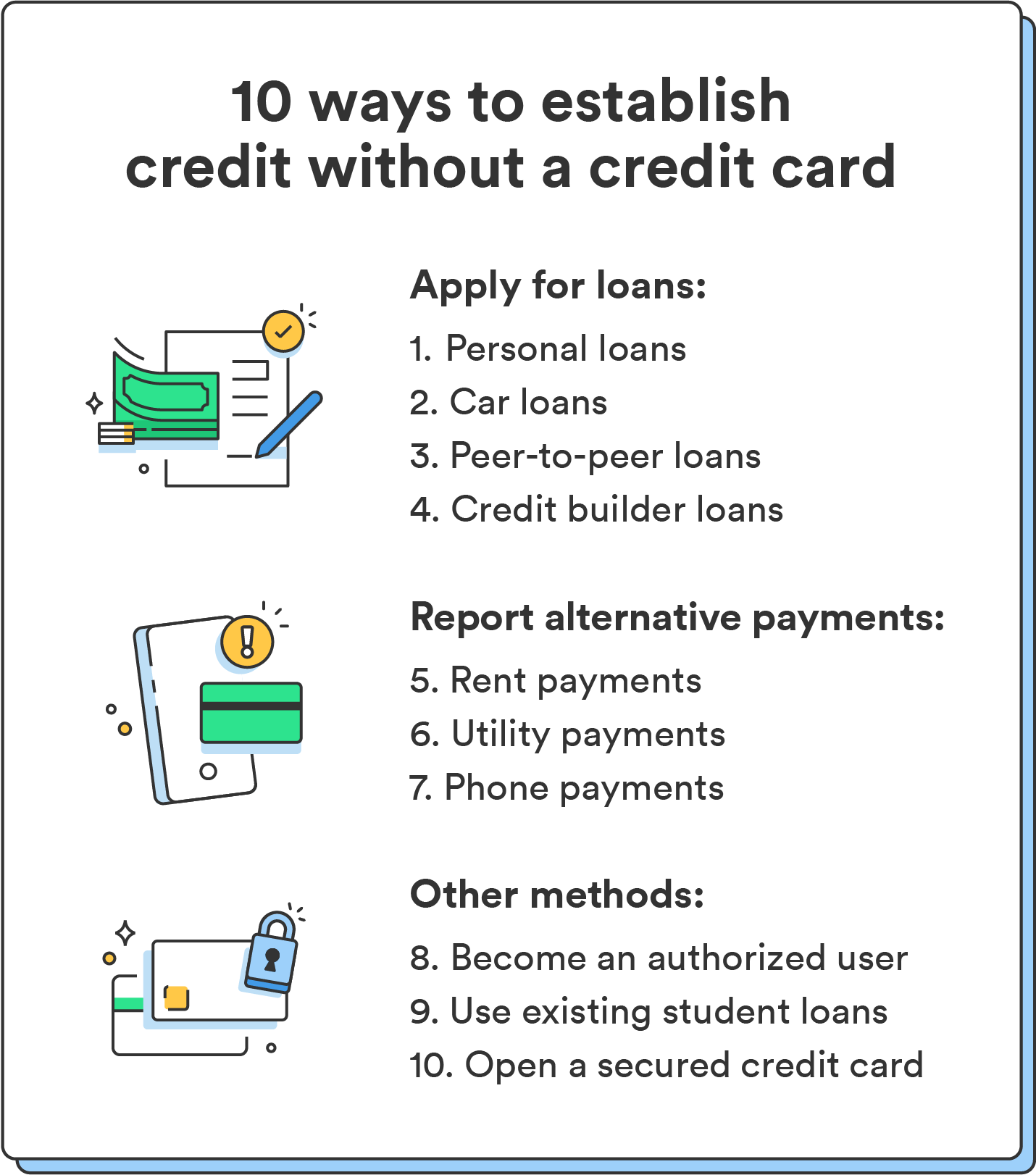
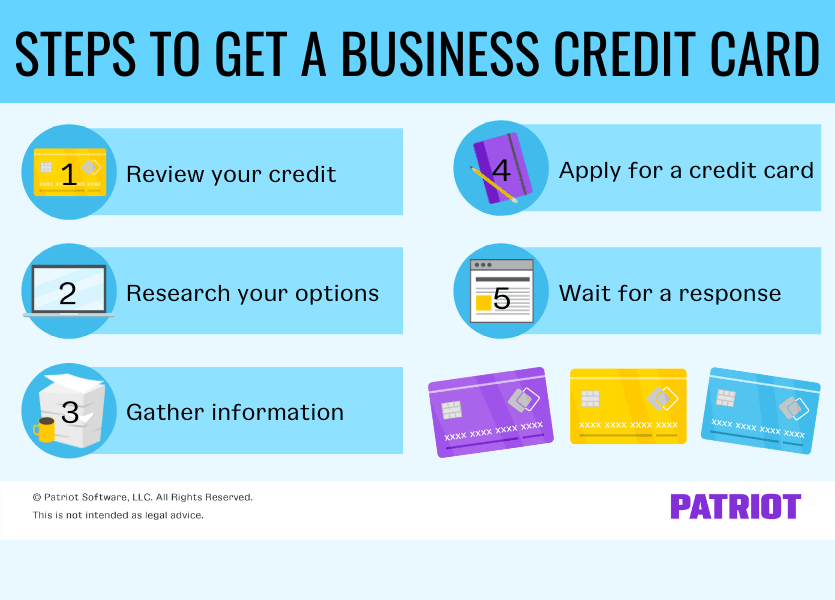
Once you have identified the right card for your profile, the application process itself is streamlined for the digital age. Most major issuers provide a decision within sixty seconds, but the preparation remains the most critical phase.
Gathering Necessary Documentation
To ensure the application process goes smoothly, have your personal information ready. You will need your Social Security Number (or ITIN), your legal physical address (PO boxes are usually not accepted for the primary address), and a breakdown of your annual income. Having these details at your fingertips prevents the session from timing out, which can occasionally trigger a manual review and delay your approval.
Utilizing Pre-Approval Tools
One of the most significant advancements in the credit industry is the “pre-approval” or “pre-qualification” tool. Many major banks allow you to enter basic information to see which cards you are likely to be approved for without a “hard pull” on your credit report. This uses a “soft inquiry,” which does not affect your credit score. Utilizing these tools is a high-intelligence move; it allows you to narrow your focus to cards where your probability of success is highest.
Navigating the Online Application
When you hit “submit” on an online application, a complex series of checks occurs. The issuer’s system pings the credit bureaus, verifies your identity to prevent fraud, and runs your data through a proprietary risk model. If the system cannot make an instant decision, your application may be “pending.” This doesn’t necessarily mean a denial; it often means the bank needs to verify your income or identity via a phone call or by requesting a copy of a utility bill.
What to Do If Your Application Is Denied
A denial is not a permanent mark on your record, but it is a signal that requires your attention. Understanding why you were rejected is the first step toward a future approval.
Reviewing the Adverse Action Notice
By law, if a lender denies your application for credit, they must provide you with an “Adverse Action Notice.” This document explains the specific reasons for the denial—such as “too many recent inquiries,” “insufficient income,” or “delinquency on a prior account.” This letter is an invaluable roadmap for what you need to fix before you apply again.
The Reconsideration Line Strategy
One of the least utilized but most effective tools in personal finance is the reconsideration line. If you are denied online, you can call the bank’s credit department and ask a human representative to review your application. This is your opportunity to explain anomalies, such as a one-time medical debt that skewed your score or a recent raise that hasn’t yet reflected in your data. In many cases, a five-minute professional conversation can turn a digital “no” into a human “yes.”
Long-term Credit Repair Steps
If the denial was due to fundamental issues like a low credit score, the solution is time and discipline. Focus on the “big two” of credit scoring: payment history and credit utilization. Ensure every bill is paid on time, and try to keep your credit card balances below 10% of your total limits. Generally, waiting three to six months between applications is advisable to let your score recover from the inquiry and to show a pattern of responsible behavior.
Managing Your New Card Responsibly
Getting the card is only the beginning. The way you manage the card in the first 90 days will set the tone for your long-term relationship with the lender and your overall financial health.
Setting Up Automation and Alerts
The moment you receive your card and activate it, set up autopay for at least the minimum amount. This ensures you never miss a payment due to forgetfulness, which is the fastest way to damage a credit score. Additionally, set up “large purchase alerts” and “low balance alerts” via the card’s mobile app. This helps you track your spending in real-time and provides an early warning system for potential fraudulent activity.
Optimizing Your Credit Utilization Rate
Credit utilization—the amount of your available credit that you are actually using—is a massive factor in your credit score. If you get a card with a $5,000 limit and immediately charge $4,500 to it, your score may drop because you appear “maxed out.” A pro-tip for card management is to pay your balance down before the “statement closing date,” not just the “due date.” This ensures that when the bank reports your data to the credit bureaus, it shows a low utilization rate, which helps keep your score high.
Integrating the Card into a Wealth Strategy
Ultimately, a credit card should be a tool for wealth creation or protection. By using a rewards card for expenses you would already be paying—like rent, insurance, or groceries—you are essentially getting a 2% to 5% discount on your life. When managed with precision, credit cards provide a buffer of consumer protection, a source of short-term liquidity, and a gateway to a higher standard of financial living. The key is to remain the master of the tool, ensuring that the convenience of “getting a card today” leads to a more prosperous tomorrow.
aViewFromTheCave is a participant in the Amazon Services LLC Associates Program, an affiliate advertising program designed to provide a means for sites to earn advertising fees by advertising and linking to Amazon.com. Amazon, the Amazon logo, AmazonSupply, and the AmazonSupply logo are trademarks of Amazon.com, Inc. or its affiliates. As an Amazon Associate we earn affiliate commissions from qualifying purchases.