
In the rapidly evolving landscape of personal finance, digital wallets have transitioned from being a secondary convenience to a primary tool for managing daily transactions. Cash App, developed by Block, Inc., has emerged as a leader in this space, offering a multifaceted platform that blends peer-to-peer payments, banking services, and investment opportunities. For many users, the first step in mastering this financial tool is understanding the various methods of funding the account. Efficiently moving capital into your digital ecosystem is essential for maintaining liquidity, avoiding unnecessary fees, and ensuring that your funds are available exactly when you need them.
Linking Traditional Banking Infrastructure to Your Digital Wallet
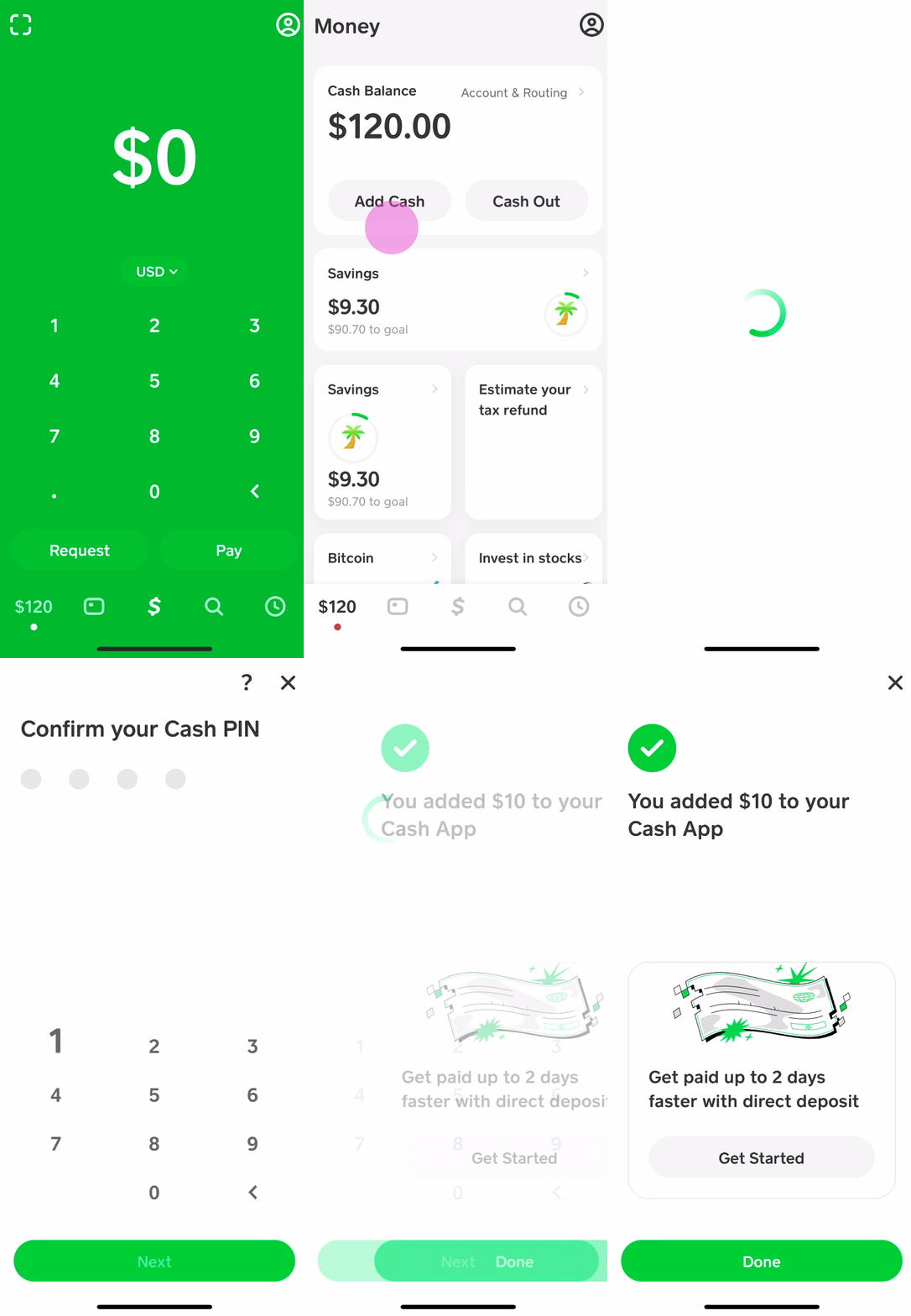
The most common and seamless way to put money on Cash App is by bridging your traditional banking infrastructure with the app’s digital interface. This process involves linking a debit card or a bank account, which serves as the primary conduit for transferring capital. From a personal finance perspective, this link is the foundation of your digital liquidity.
Establishing the Debit Card Connection
To initiate a transfer, Cash App primarily utilizes the debit card linked to your external checking account. Because debit cards operate on immediate settlement networks, this is often the fastest way to “Add Cash” to your balance. By navigating to the “Banking” or “My Cash” tab, you can enter your card details. Once verified, the “Add Cash” button allows you to select a specific amount to pull from your bank. This transaction is typically instantaneous, making it the preferred method for users who need to make immediate payments or investments.
Utilizing Plaid for Bank Account Integration
For those who prefer not to use a debit card or who wish to set up a more robust connection for larger transfers, Cash App utilizes Plaid to link directly to your bank account via your online banking credentials. This method is often viewed as more secure and stable for long-term financial management. While transfers via a linked bank account (ACH transfers) may sometimes take one to three business days to fully settle, they provide a reliable fallback if a debit card is lost or expired. Understanding the difference between these two “pipes”—the instant debit rail and the steady ACH rail—is crucial for managing your cash flow.
Troubleshooting and Verification
Occasionally, users may encounter “declined by bank” messages when trying to fund their accounts. This is usually a security measure triggered by the traditional bank’s fraud detection algorithms. To resolve this, it is often necessary to contact your bank’s customer service department to whitelist the transaction. Furthermore, ensuring that your legal name on Cash App matches the name on your bank account is a vital step in preventing “shadow bans” or temporary freezes on your ability to move money.
Leveraging Retail Locations for Physical Cash Deposits
A significant portion of the population still operates with physical currency, whether through side hustles, tips, or cash-based business transactions. One of Cash App’s most powerful features is its ability to bridge the gap between physical cash and the digital economy through retail deposits. This “Paper Money” feature allows you to deposit physical bills into your digital account at thousands of participating retail locations.
The Paper Money Deposit Process
To use this method, you navigate to the “Banking” tab and select “Paper Money.” The app generates a map of nearby participating retailers, which often include major chains like Walgreens, 7-Eleven, Walmart, and Family Dollar. Once you arrive at the store, you generate a unique barcode within the app. The cashier scans this barcode, takes your physical cash, and the funds are typically credited to your account within minutes.
Understanding Fees and Limits
From a financial planning standpoint, it is important to account for the costs associated with retail deposits. Cash App typically charges a small fee (often around $1.00 per transaction) for this service, and there are specific limits on how much you can deposit daily and monthly. For individuals who are “underbanked” or prefer to keep their digital and traditional banking separate, these fees are often seen as a fair trade-off for the convenience of digitizing physical currency without a traditional branch visit.
Strategic Use of Retail Deposits
Using retail deposits can be a strategic way to manage a “cash-envelope” budgeting system. If you allocate a certain amount of physical cash for discretionary spending, depositing that cash into Cash App allows you to use the Cash Card for online purchases or to invest in fractional shares, effectively turning “dead” physical cash into “active” digital capital.
Direct Deposit and Recurring Income Streams
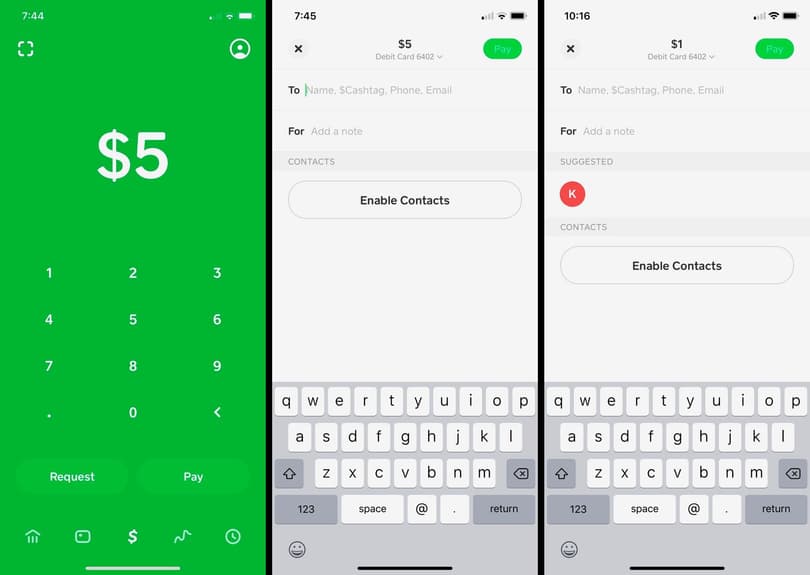
For many users, Cash App has evolved from a simple payment app into a legitimate replacement for a traditional bank account. By utilizing the direct deposit feature, you can automate the process of putting money on Cash App, ensuring that your account is funded as soon as you are paid.
Setting Up Routing and Account Numbers
Cash App provides users with a unique routing and account number, much like a traditional checking account. By providing these details to your employer’s payroll department, you can have your paycheck deposited directly into your Cash App balance. This is often the most efficient way to fund the account because it eliminates the manual step of “Adding Cash” every time you get paid.
The Advantage of Early Direct Deposit
A significant financial benefit of using Cash App for direct deposit is the potential for early access to funds. Cash App often makes direct deposit funds available up to two days earlier than traditional banks, as they credit the account as soon as they receive the deposit notification from the payer. For those living paycheck to paycheck or looking to optimize their interest-earning potential elsewhere, having access to capital 48 hours early can be a major advantage in managing monthly bills and avoiding late fees.
Tax Refunds and Government Benefits
The direct deposit feature isn’t limited to employer paychecks. You can also use your Cash App routing and account numbers to receive federal and state tax refunds, as well as social security or unemployment benefits. Integrating these large lump-sum payments into your Cash App ecosystem allows you to immediately allocate those funds toward savings, debt repayment, or investments within the same platform.
Internal Liquidity: Converting Assets to Cash Balance
In the modern financial landscape, “money” isn’t just the balance in your checking account; it includes your investments. Cash App allows users to put money back into their spending balance by liquidating internal assets like Bitcoin or stocks.
Selling Bitcoin for Immediate Liquidity
Cash App was one of the first major peer-to-peer platforms to integrate a Bitcoin wallet. If you have been using the app to accumulate Bitcoin, you can “put money” on your usable Cash App balance by selling your holdings. This transaction is instant. During times of market volatility, or when you need quick access to cash, the ability to convert a digital asset into a spendable balance without transferring it to an external exchange is a powerful liquidity tool.
Fractional Shares and Market Settlement
Similarly, if you hold stocks within the Cash App investing platform, selling those shares will return the proceeds to your Cash App balance. While it is important to consider the tax implications of selling investments (capital gains or losses), this feature provides a secondary layer of emergency funding. From a wealth management perspective, having your investments and your spending balance in the same “house” allows for faster rebalancing and capital movement.
Maximizing Utility and Security of Your Funded Account
Once you have successfully put money on Cash App, the focus shifts to how to protect and utilize that capital effectively. A digital wallet is only as good as its security and the value it provides back to the user.
The Role of the Cash Card and Boosts
The “Cash Card” is a free, customizable Visa debit card that allows you to spend your Cash App balance at any retailer that accepts Visa. To make your money work harder, Cash App offers “Boosts”—instant discounts at specific merchants. For example, a 5% or 10% boost at a grocery store or coffee shop effectively increases the purchasing power of the money you’ve put onto the app. Smart users fund their accounts specifically to take advantage of these boosts, treating Cash App as a high-yield spending tool.
Security Protocols and Asset Protection
As you increase the amount of money you keep on Cash App, security becomes paramount. Unlike traditional banks, which have physical branches you can visit, digital-first platforms require a proactive approach to security. Enabling the “Security Lock” feature, which requires Face ID, Touch ID, or a PIN for every transaction, is a non-negotiable step for protecting your funds. Additionally, users should be wary of peer-to-peer scams. Once money is sent or “put” into another user’s account, it is notoriously difficult to recover.

Managing Limits and Verification
To put larger sums of money on the app—and to move it back out—you must go through the identity verification process. This involves providing your full legal name, date of birth, and the last four digits of your Social Security number. For higher limits, you may be asked to scan a government-issued ID. Completing these steps is essential for any user who plans to use Cash App as a serious financial tool, as it increases your transaction limits and adds a layer of regulatory protection to your account.
In conclusion, putting money on Cash App is more than just a technical step; it is a strategic decision in how you manage your financial life. Whether you are bridging traditional banks, depositing physical cash, or automating your income through direct deposit, each method offers distinct advantages in terms of speed, cost, and convenience. By mastering these funding avenues and combining them with the app’s internal investment and security features, you can create a highly efficient, mobile-first financial ecosystem.
aViewFromTheCave is a participant in the Amazon Services LLC Associates Program, an affiliate advertising program designed to provide a means for sites to earn advertising fees by advertising and linking to Amazon.com. Amazon, the Amazon logo, AmazonSupply, and the AmazonSupply logo are trademarks of Amazon.com, Inc. or its affiliates. As an Amazon Associate we earn affiliate commissions from qualifying purchases.