
In the complex world of personal finance, few expenses are as ubiquitous and yet as opaque as automobile insurance. For millions of drivers, it’s a non-negotiable cost, a mandatory requirement that safeguards both their assets and their peace of mind on the road. Yet, the question “who has the cheapest automobile insurance?” isn’t just about finding the lowest number; it’s about a strategic approach to managing a significant recurring expense, optimizing financial outflows, and ensuring robust protection without overpaying. This guide delves deep into the mechanics of auto insurance pricing, offering actionable insights and proven strategies to help you navigate the market and secure the most cost-effective coverage tailored to your unique financial situation.
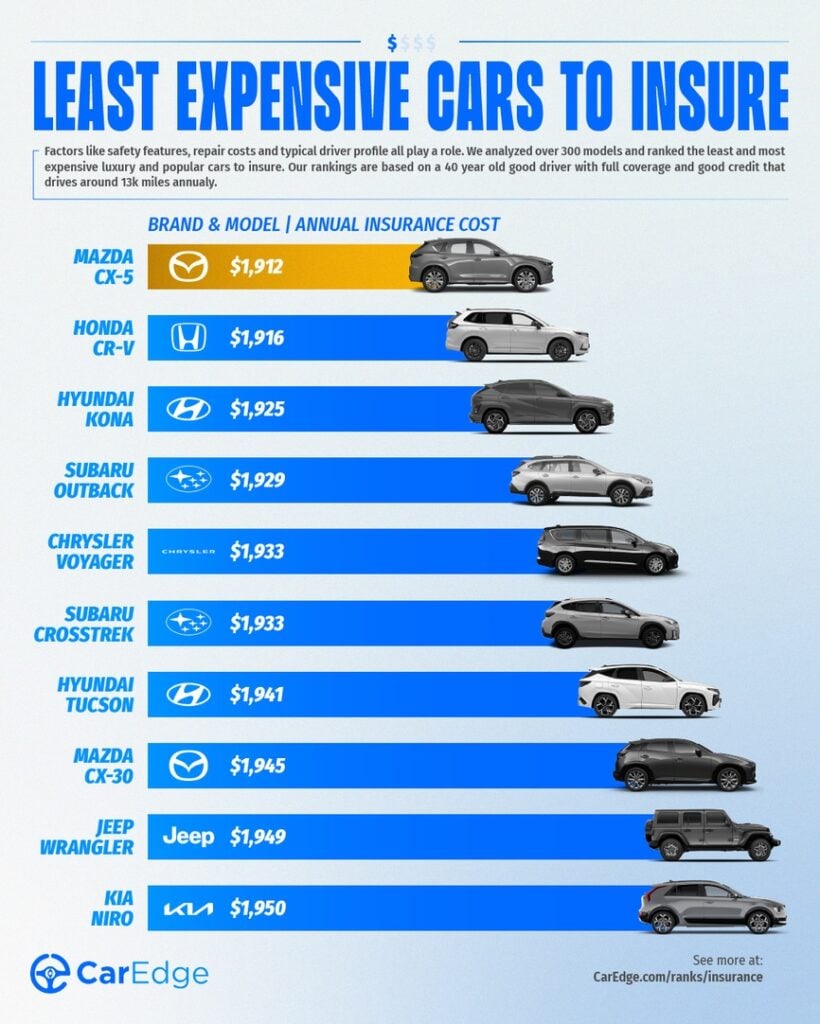
Understanding the Landscape of Auto Insurance Pricing
The quest for the cheapest auto insurance begins with a fundamental understanding of how premiums are calculated. Unlike a fixed-price commodity, insurance rates are highly individualized, a complex algorithm influenced by a myriad of factors designed to assess your specific risk profile. There isn’t a single “cheapest” provider for everyone; rather, each individual will find different insurers offering the most competitive rates based on their unique circumstances.
The Core Factors Influencing Your Premium
Insurance companies are in the business of risk assessment. The higher they perceive your risk of filing a claim, the more you will pay. This assessment is based on a blend of personal characteristics, vehicle details, and even geographical data.
-
Driver Profile: This is perhaps the most significant determinant.
-
Age and Gender: Younger, less experienced drivers (especially males under 25) typically face higher premiums due to statistical likelihood of accidents. Rates often decrease significantly with age and experience, stabilizing through middle age, and potentially rising again in very senior years.
-
Driving History: A clean driving record with no accidents or traffic violations is your greatest asset in securing lower rates. Conversely, at-fault accidents, speeding tickets, DUIs, and other infractions will significantly increase your premiums, sometimes for several years.
-
Marital Status: Married individuals often receive slightly lower rates, as statistics suggest they are less likely to be involved in accidents.
-
Credit Score (in some states): In many states, insurers use a credit-based insurance score as a predictor of risk. A strong credit score is often correlated with responsible behavior and, consequently, lower premiums. While controversial, this factor can have a substantial impact on your rates.
-
-
Vehicle Type: The car you drive plays a crucial role.
-
Make, Model, and Year: Sports cars, luxury vehicles, and high-performance models generally cost more to insure due to higher repair costs, greater likelihood of theft, and increased risk of high-speed accidents. Economy cars, SUVs, and family sedans often have lower premiums.
-
Safety Features: Vehicles equipped with advanced safety features (e.g., anti-lock brakes, airbags, anti-theft devices, collision avoidance systems) may qualify for discounts, as they reduce the likelihood or severity of accidents and theft.
-
Repair Costs: Cars that are expensive or difficult to repair (e.g., those requiring specialized parts or labor) will naturally lead to higher comprehensive and collision premiums.
-
-
Location: Where you live and park your car matters.
-
Zip Code: Urban areas with higher traffic density, greater rates of theft, vandalism, and accidents typically command higher premiums than rural or suburban areas. Even within the same city, rates can vary significantly by zip code.
-
Commute Distance: A longer daily commute often means more time on the road and, statistically, a higher chance of an accident, leading to increased rates.
-
-
Coverage Levels and Deductibles: Your choices here directly impact your premium.
-
Liability Limits: Higher liability limits (e.g., 100/300/50 vs. state minimums) offer greater financial protection but also increase your premium.
-
Collision and Comprehensive: Opting for these coverages adds significantly to your premium, especially if you have a newer or more valuable vehicle.
-
Deductibles: A higher deductible (the amount you pay out-of-pocket before insurance kicks in) will lower your premium, as you are assuming more of the initial risk.
-
The Myth of a Single “Cheapest” Provider
It’s a common misconception that one insurance company consistently offers the cheapest rates for everyone. This is fundamentally untrue because of the personalized risk assessment discussed above. An insurer that is cheapest for a 22-year-old single male with a sports car in Miami might be prohibitively expensive for a 45-year-old married woman with a minivan in Des Moines.
-
Why Personalized Quotes are Essential: Each insurance company has its own proprietary underwriting models, risk appetite, and target demographic. What one insurer considers a high-risk factor, another might weight less heavily. This is why obtaining multiple personalized quotes is not just recommended, but absolutely essential for finding your individual cheapest option.
-
The Dynamic Nature of Insurance Rates: Premiums are not static. They can change at renewal based on new data from your driving history, changes in local accident rates, or even shifts in the insurer’s overall financial performance and business strategy. What was cheapest last year might not be this year, underscoring the importance of regular re-evaluation.
Strategies for Finding the Most Affordable Auto Insurance
Armed with an understanding of how premiums are determined, the next step is to actively pursue the most affordable rates. This involves strategic shopping and smart coverage choices.
Leveraging Comparison Tools and Brokers
The digital age has revolutionized the way consumers shop for insurance, making it easier than ever to compare multiple providers simultaneously.
-
Online Aggregators: Websites like Policygenius, The Zebra, NerdWallet, and Bankrate allow you to enter your information once and receive quotes from numerous insurers side-by-side. This streamlines the comparison process, saving time and effort. While convenient, it’s important to note that not all insurers participate in all aggregators, so this shouldn’t be your only method.
-
Independent Insurance Agents: These professionals work with multiple insurance companies and can shop around on your behalf. They often have access to rates that might not be available directly to consumers and can provide expert advice on coverage needs, helping you balance cost with adequate protection. Their expertise is invaluable for those with complex insurance needs or who prefer personalized guidance.
-
Direct-to-Consumer Insurers: Companies like Geico, Progressive, Esurance, and Lemonade operate primarily online or by phone, often passing on savings from lower overhead costs directly to customers. It’s always worth getting direct quotes from these major players, as they are often highly competitive.
Optimizing Your Coverage for Cost-Effectiveness
Finding the cheapest insurance isn’t just about comparing prices; it’s also about making intelligent decisions about the type and amount of coverage you carry.
-
Balancing Liability, Collision, and Comprehensive:
-
Liability: This is mandatory in almost every state and covers damages you cause to others. While state minimums are tempting due to their low cost, they often provide insufficient protection. Consider higher liability limits (e.g., 100/300/50 or 250/500/100) to protect your assets in case of a serious accident, as the financial consequences of under-insuring can be catastrophic.
-
Collision and Comprehensive: These cover damage to your own vehicle. For older cars with low market value (e.g., less than $3,000-$5,000), the cost of collision and comprehensive coverage might outweigh the potential payout after a deductible. It might be financially prudent to drop these coverages and self-insure for damage to your vehicle, especially if you have an emergency fund to cover potential repairs or replacement.
-
-
Reviewing Deductibles and Coverage Limits: As mentioned, a higher deductible lowers your premium. If you have a robust emergency fund, raising your deductible from $500 to $1,000 or $2,500 can lead to significant savings. Just ensure you can comfortably afford your chosen deductible should you need to file a claim. Regularly review your coverage limits to ensure they still align with your current assets and risk tolerance.
-
Understanding State Minimums vs. Optimal Protection: While state minimums fulfill legal requirements, they are rarely sufficient for comprehensive financial protection. The cheapest insurance isn’t always the best insurance if it leaves you exposed to significant financial risk. Striking the right balance between cost and adequate protection is key to smart personal finance.
Unlocking Discounts: The Secret Weapon for Lower Premiums
One of the most effective ways to lower your auto insurance premium is by actively seeking out and utilizing available discounts. Insurers offer a wide array of incentives, and bundling several can lead to substantial savings.
Driver-Specific Discounts
These discounts are awarded based on your driving habits, history, and personal characteristics.
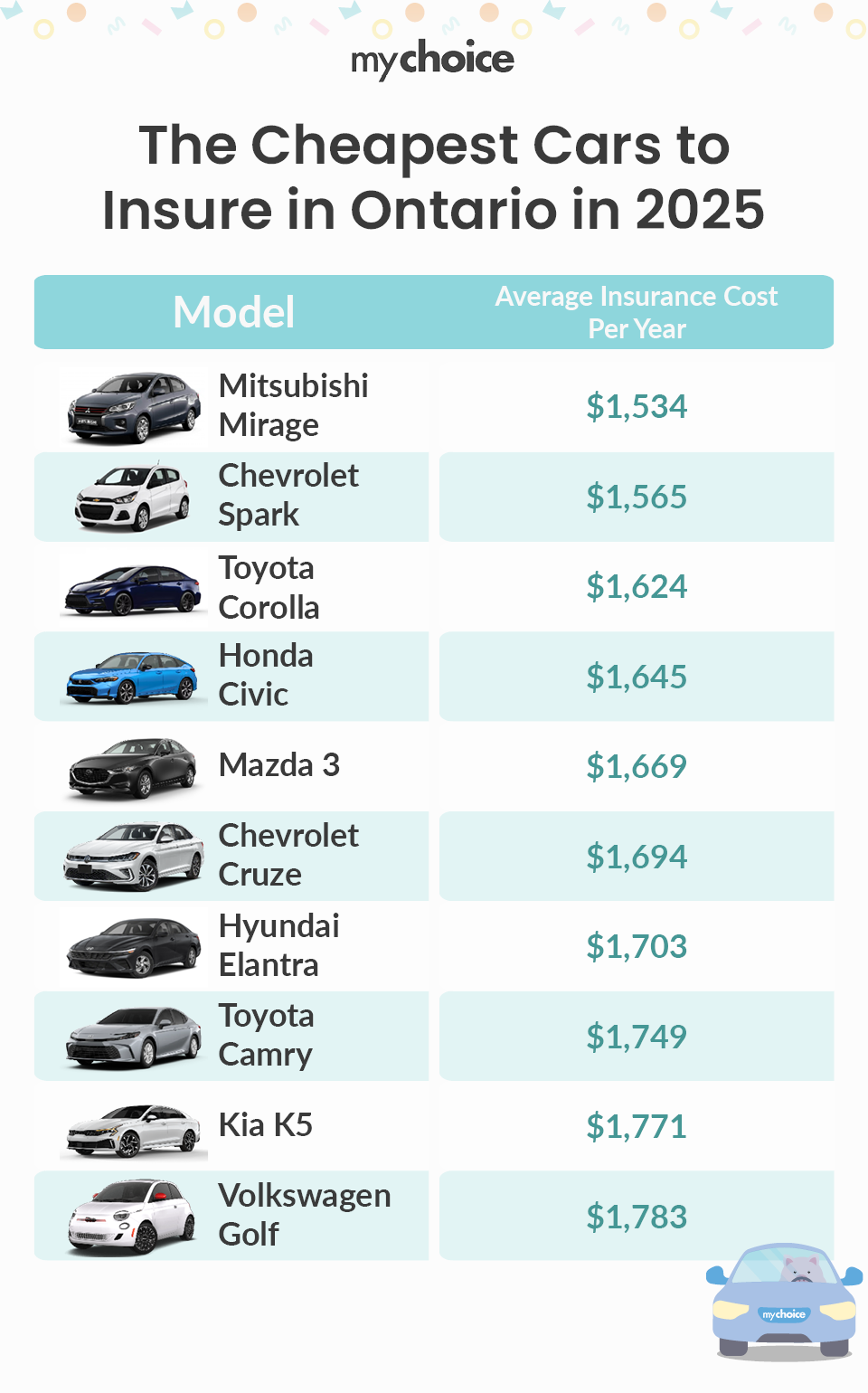
-
Good Driver/Accident-Free Discounts: Most insurers reward drivers who maintain a clean record for a specified period (e.g., 3-5 years) with lower rates.
-
Defensive Driving Course Discounts: Completing an approved defensive driving course can not only refresh your skills but also earn you a discount, especially if you’re a younger driver or have a minor infraction on your record.
-
Student Discounts:
-
Good Student Discount: High school or college students who maintain a certain GPA (e.g., B average or 3.0) can often qualify for a discount.
-
Student Away-from-Home Discount: If your college-aged child is on your policy but attends school more than a certain distance from home and doesn’t regularly drive your insured vehicle, you might qualify for this discount.
-
-
Low Mileage Discounts / Usage-Based Insurance (UBI): If you don’t drive much, some insurers offer discounts. UBI programs (e.g., telematics devices or smartphone apps) monitor your driving behavior (mileage, speed, braking, time of day) and reward safe, low-mileage drivers with lower premiums. This can be a game-changer for those who work from home or use public transportation frequently.
Vehicle and Policy-Specific Discounts
These discounts are related to your vehicle’s features or how you structure your overall insurance portfolio.
-
Multi-Policy Bundling (Auto + Home/Renters): This is one of the most common and often largest discounts available. By purchasing multiple insurance policies (e.g., auto and home, renters, or life insurance) from the same provider, you can often save 10-25% or more on your total premiums.
-
Multi-Car Discounts: If you insure multiple vehicles on the same policy with the same provider, you’ll almost certainly receive a discount.
-
New Car/Safety Feature Discounts: Newer vehicles with advanced safety features (anti-lock brakes, airbags, adaptive cruise control, lane departure warning, anti-theft systems) are often eligible for discounts.
-
Payment Discounts:
-
Paid-in-Full Discount: Paying your annual premium upfront, rather than in monthly installments, can often net you a small but worthwhile discount.
-
Auto-Pay/Paperless Discount: Setting up automatic payments and opting for paperless billing can also lead to minor savings.
-
Always ask your insurance agent or review your policy details to ensure you’re taking advantage of every discount for which you qualify. What seems like a small percentage discount can add up significantly over the course of a year.
When and How to Re-evaluate Your Auto Insurance
The search for the cheapest automobile insurance is not a one-time event; it’s an ongoing financial habit. Life changes, market dynamics, and even improvements in your personal profile can all create opportunities for significant savings.
Key Life Events Triggering a Review
Certain milestones in your life should always prompt a review of your auto insurance policy and a fresh round of quotes.
-
Buying a New Car: When you purchase a new vehicle, especially if it’s a different make or model, your insurance needs and rates will change. This is the perfect time to shop around, as some insurers might be more competitive for certain types of vehicles.
-
Changing Address: Moving, even a few miles down the road, can impact your rates due to varying local accident rates, theft statistics, and traffic patterns. Always update your insurer with your new address and get new quotes.
-
Adding/Removing Drivers:
-
Teen Drivers: Adding a new, inexperienced driver will almost certainly increase your premiums. However, this is a critical time to shop around, as some insurers offer better rates or discounts for young drivers (e.g., good student discounts, driver’s education discounts) than others.
-
Spouses/Partners: Getting married or adding a domestic partner can sometimes lead to discounts.
-
Removing Drivers: If someone on your policy no longer drives your vehicles (e.g., a child moves away for college and takes their car, or an ex-spouse), remove them promptly to reduce your premium.
-
-
Improving Credit Score (in some states): If your credit score has significantly improved, particularly if you’ve recently paid off debt or resolved negative items, it’s worth getting new quotes to see if you can benefit from lower rates.
-
Major Driving Record Changes: As accidents or tickets fall off your record (typically after 3-5 years), your risk profile improves. This is a prime opportunity to seek new quotes, as you may qualify for substantially lower rates or good driver discounts that were previously unavailable.
The Annual Check-up: A Non-Negotiable Financial Habit
Even without a specific life event, making an annual review of your auto insurance policy a standard financial practice can yield consistent savings.
-
Setting Calendar Reminders: Mark your calendar a month or two before your policy renewal date. This gives you ample time to gather quotes without feeling rushed.
-
Comparing Renewals to New Quotes: Don’t simply accept your renewal offer without question. Always use it as a baseline and actively seek new quotes from at least 3-5 other providers. You might be surprised to find that a new insurer offers significantly better rates for the same (or even better) coverage.
-
Negotiating with Your Current Provider: If you receive a better quote from a competitor, don’t hesitate to contact your current insurer. They may be willing to match or beat the offer to retain your business, especially if you have been a long-time, loyal customer with a clean record. Loyalty can sometimes be rewarded, but only if you ask.
Beyond Price: Value, Service, and Financial Stability
While the primary goal is to find the cheapest automobile insurance, it’s crucial to remember that “cheap” should not come at the expense of adequate coverage, reliable service, or the financial stability of your insurer. Insurance is a financial safety net, and its value extends far beyond its premium.
The Importance of a Reputable Insurer
A low premium is meaningless if your insurer can’t deliver when you need them most – after an accident or incident.
-
Financial Strength Ratings: Before committing to a provider, check their financial strength ratings from independent agencies like A.M. Best, Standard & Poor’s (S&P), or Moody’s. A strong rating indicates the company has the financial capacity to pay out claims, even in large-scale events.
-
Customer Service and Claims Handling Reviews: Research the insurer’s reputation for customer service and, critically, their claims handling process. Look at online reviews, J.D. Power rankings, and consumer complaint databases. A smooth, fair, and efficient claims process is paramount when you’re dealing with the stress of an accident.
-
Online Tools and App Functionality: In today’s digital age, the ease of managing your policy, accessing ID cards, or filing a claim through an intuitive website or mobile app can significantly enhance your experience and the overall value of your policy.
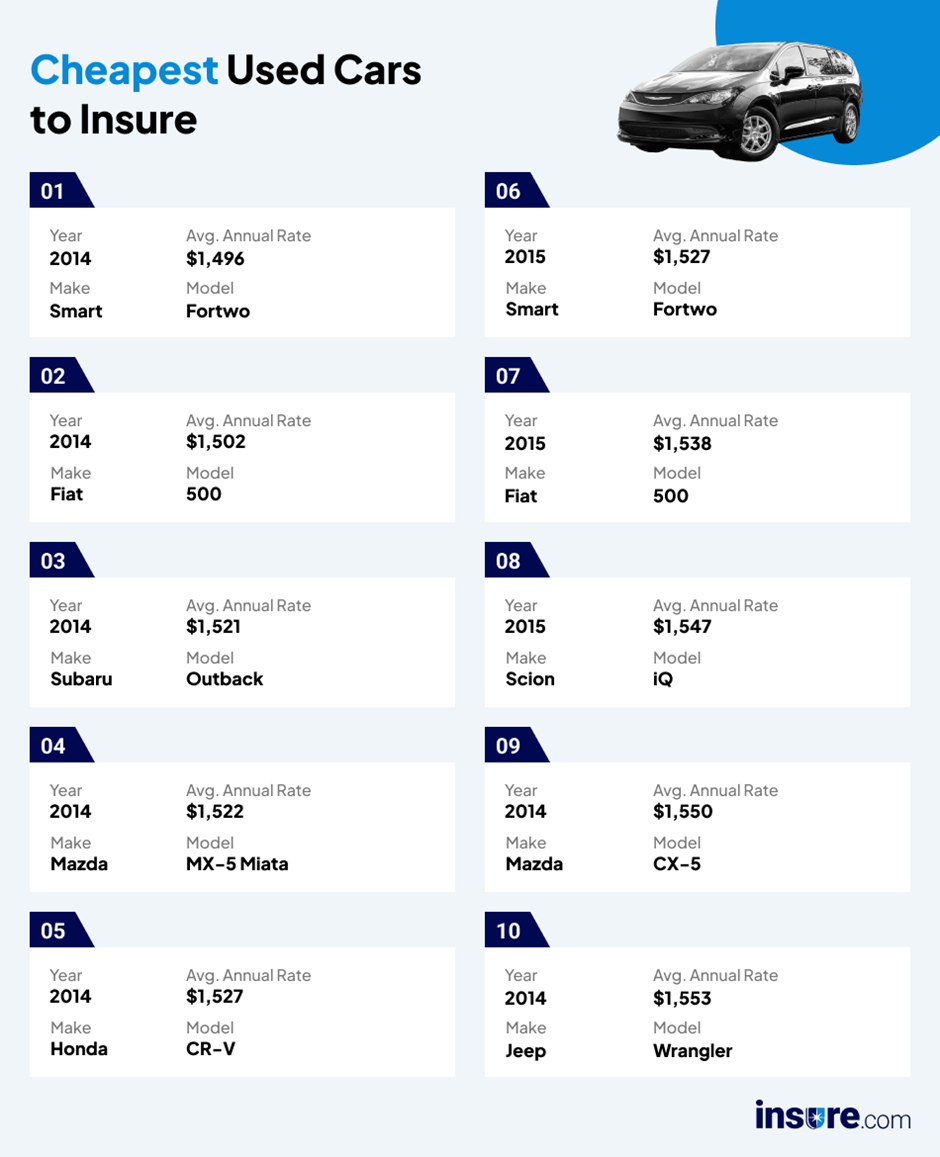
Balancing Cost with Adequate Protection
The “cheapest” policy is only genuinely cheap if it provides the necessary protection without leaving you financially vulnerable.
-
The Pitfalls of Under-insuring: Opting for the absolute minimum coverage to save a few dollars can be a costly mistake. If you’re involved in a severe accident and your liability limits are too low, you could be personally responsible for hundreds of thousands, even millions, of dollars in damages and legal fees. This can lead to garnished wages, asset seizure, and long-term financial hardship.
-
Understanding the True Cost of an Accident: An accident involves not just vehicle repair but also potential medical bills, lost wages, legal fees, and emotional distress. Comprehensive insurance, even with a slightly higher premium, provides a crucial buffer against these potentially devastating financial impacts.
-
Peace of Mind as a Financial Asset: Ultimately, insurance is about peace of mind. Knowing that you are adequately protected against unforeseen events allows you to live your life with less financial stress. While chasing the lowest premium is a sound financial strategy, it should always be balanced with the assurance that your coverage will stand strong when it matters most.
In conclusion, finding the cheapest automobile insurance is an achievable goal through diligent research, strategic comparison, and proactive management of your policy. By understanding the factors that influence pricing, leveraging available discounts, and regularly re-evaluating your coverage, you can optimize this essential personal finance expense. However, always remember that true financial wisdom lies in striking a balance between cost savings and the robust protection that safeguards your assets and your financial future on the open road.
aViewFromTheCave is a participant in the Amazon Services LLC Associates Program, an affiliate advertising program designed to provide a means for sites to earn advertising fees by advertising and linking to Amazon.com. Amazon, the Amazon logo, AmazonSupply, and the AmazonSupply logo are trademarks of Amazon.com, Inc. or its affiliates. As an Amazon Associate we earn affiliate commissions from qualifying purchases.