
In an era dominated by instantaneous digital transfers, cryptocurrency, and mobile wallets, the humble paper check remains a surprisingly resilient fixture in the world of personal and business finance. Whether you are paying rent to a traditional landlord, settling a debt with a small business that doesn’t accept credit cards, or setting up a direct deposit for a new employer, understanding the anatomy of a check is a fundamental financial skill. Among the strings of digits printed across the bottom of these documents, one of the most frequently queried is the check number. Knowing exactly which number is the check number—and understanding its function—is essential for accurate record-keeping, fraud prevention, and seamless financial management.

Decoding the MICR Line: The Three Core Identifiers
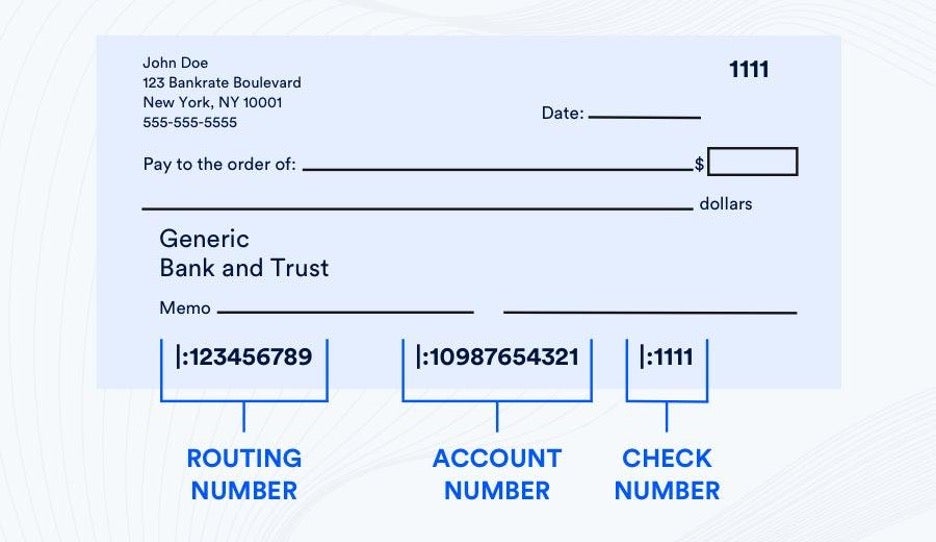
The long string of strangely shaped numbers at the bottom of a check is known as the MICR line, which stands for Magnetic Ink Character Recognition. This technology allows banks to process millions of checks quickly using automated sorting machines. To the untrained eye, this line looks like a random sequence of digits, but it follows a very specific banking standard.
The Routing Number
The first set of numbers on the left side of the MICR line is the routing transit number (RTN). This is always a nine-digit code that identifies the specific financial institution responsible for the funds. Every bank in the United States has its own unique routing number assigned by the American Bankers Association (ABA). This number tells the Federal Reserve or the clearinghouse where to send the digital image of the check to ensure the money is pulled from the correct bank. In the context of your checkbook, the routing number is the “address” of your bank.
The Account Number
The second set of numbers, usually located in the middle of the MICR line, is your unique bank account number. Unlike the routing number, which is shared by every customer at your branch or bank, the account number is specific to your individual checking account. It varies in length depending on the bank’s internal systems, typically ranging from eight to twelve digits. This number tells your bank exactly which “vault” within their system the money should be withdrawn from.
The Check Number
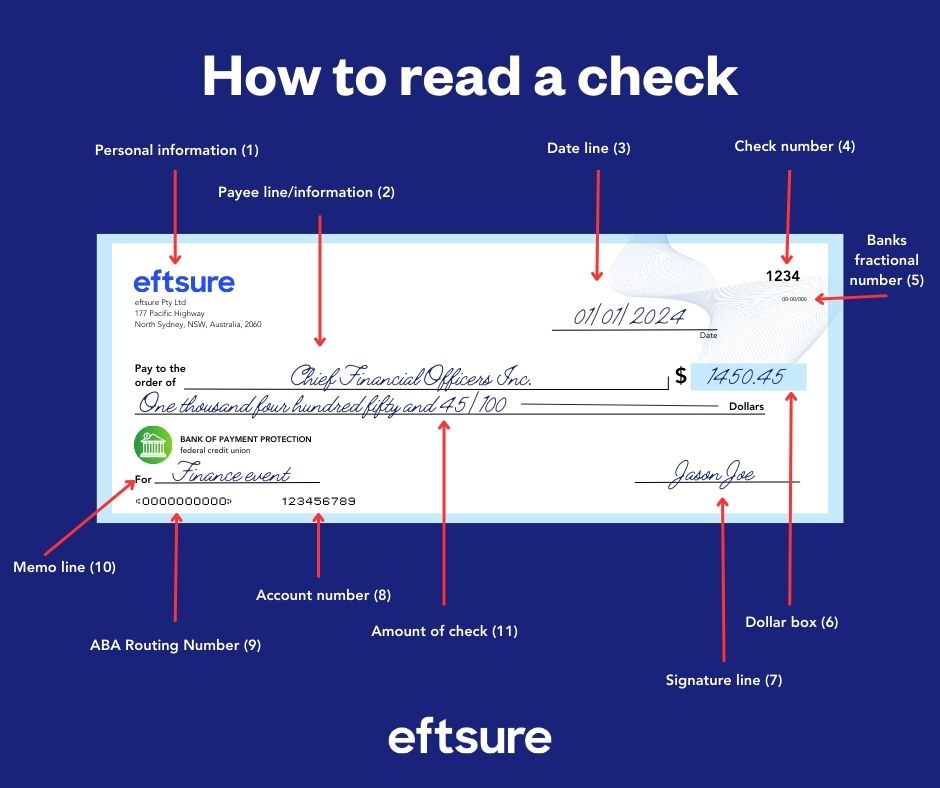
The check number is the shortest sequence in the MICR line, usually appearing at the far right. While the routing and account numbers remain identical on every check in your checkbook, the check number is unique to each individual slip of paper. It serves as a serial number for the transaction. For personal checks, this is typically a three- or four-digit number (e.g., 1001, 1002). On the MICR line, the check number will match the number printed in the top right-hand corner of the check. Identifying it is simple: if you see a short number at the bottom that corresponds exactly with the number in the top right corner, that is your check number.
Identifying the Check Number Across Different Formats
While the standard personal check follows a predictable layout, different financial instruments can sometimes cause confusion. Understanding how check numbers appear in various formats is key to maintaining financial accuracy.
Personal Checks vs. Business Checks
On a standard personal check, the check number is almost always at the end of the MICR line (the far right). However, business checks are often larger and can have a slightly different configuration. In many business formats, the check number might actually appear first in the MICR line, followed by the routing number and the account number. Despite this positional shift, the rule of thumb remains the same: the check number in the MICR line will always match the printed check number in the upper right corner of the document.
Starter Checks and Counter Checks
When you first open a bank account, you are often given “starter checks” or “counter checks” while you wait for your customized checkbook to arrive in the mail. These checks often lack a printed check number in the top right corner, or they may start at a very low number like 001. In some cases, the MICR line may even omit the check number entirely if it is a generic counter check. If you are using these for official purposes, such as setting up a direct deposit, you may need to manually provide the check number or use “000” if the field is required but no number exists on the document.
Cashier’s Checks and Money Orders
Official bank instruments like cashier’s checks or money orders also feature check numbers, but their placement can be more varied. On a cashier’s check, the check number is often prominently displayed in the top right and is used by the bank to track the guaranteed funds. Because these are not part of a sequential personal checkbook, the check number is vital for the bank to verify the authenticity of the document when it is eventually presented for payment.
The Strategic Role of Check Numbers in Financial Management
The check number is far more than just a serial number; it is a critical tool for organizing your financial life and protecting your assets. Within the realm of personal finance, its utility spans across several key areas.
Transaction Reconciliation
Effective money management requires regular reconciliation of your bank statements. When you write a check, the check number allows you to track exactly which payments have cleared and which are still “outstanding.” By keeping a check register—whether physical or digital—you can mark off each check number as it appears on your monthly statement. This practice ensures that you always know your true “available balance,” which may be significantly lower than the balance shown in your banking app if several high-value checks have not yet been cashed.
Issuing Stop Payments
One of the most important reasons to know your check number is for the purpose of issuing a “stop payment” order. If a check you sent is lost in the mail, or if you have a dispute with a contractor and wish to prevent them from cashing a check you already handed over, you must contact your bank to stop the payment. To do this effectively, the bank requires the exact check number. Without it, the bank might be unable to identify the specific transaction you wish to block, or they might accidentally stop the wrong payment.
Identifying Potential Fraud
Check numbers are a vital first line of defense against financial fraud. Because checks are issued in sequential order, any break in that sequence should be an immediate red flag. If your last recorded check was #1025 and you suddenly see a transaction for #1080 on your statement, it could indicate that a check has been stolen or that someone has gained access to your account information to print unauthorized checks. Monitoring your check numbers helps you spot these discrepancies early, allowing you to notify your bank’s fraud department before significant damage is done.
Digital Integration: How Check Numbers Function Online
Even as physical check usage declines, the data contained on a check remains central to the digital banking infrastructure. The check number continues to play a role in how we interact with financial technology (FinTech).
Remote Deposit Capture (RDC)
When you use your smartphone to take a photo of a check for a mobile deposit, the banking app uses Optical Character Recognition (OCR) to read the MICR line. The software identifies the routing number, account number, and check number to process the deposit. If the image is blurry and the app cannot clearly see the check number, the deposit may be rejected. Understanding where the check number is located helps users ensure they are capturing the entire MICR line in their photo, facilitating a smoother digital banking experience.
Electronic Fund Transfers and E-Checks
When paying bills online via “e-check” or ACH transfer, you are often asked to provide information from a physical check. While most portals only require the routing and account numbers, some high-security transactions or verification systems (like those used by the IRS or state government agencies) may ask for a check number to verify the specific payment sequence. In these digital environments, the check number acts as an extra layer of transaction identification.
Best Practices for Secure Check Handling
Given that checks contain your routing and account numbers—the “keys” to your bank account—handling them with care is a core component of financial security.
Safeguarding Your Checkbook
Always store your checkbook in a secure, locked location. If you carry a checkbook in your purse or briefcase, be aware that losing it gives a thief everything they need to attempt fraudulent transactions. Because check numbers are sequential, you should always know the number of the next available check. If you notice a gap in your sequence that you cannot account for, contact your financial institution immediately to freeze those specific check numbers.
The Proper Way to Void a Check
If you need to provide a “voided check” to an employer for direct deposit or to a service provider for automatic bill pay, do not simply throw away the check. Write “VOID” in large, clear letters across the front of the check in permanent ink. Ensure the word “VOID” covers the signature line and the amount box, but leave the MICR line at the bottom legible, as that is the part the recipient needs to scan for your routing and account information. The check number on a voided check should still be recorded in your register so you know that specific number was used for a setup process rather than a payment.
Safe Disposal of Old Checks
If you close a bank account or find old checkbooks from years ago, never simply toss them in the trash. Use a cross-cut shredder to destroy them. Shredding ensures that the routing, account, and check numbers cannot be harvested by identity thieves. By treating the data on your checks with the same level of security as your Social Security number or digital passwords, you maintain a robust defense against the evolving tactics of financial criminals.
aViewFromTheCave is a participant in the Amazon Services LLC Associates Program, an affiliate advertising program designed to provide a means for sites to earn advertising fees by advertising and linking to Amazon.com. Amazon, the Amazon logo, AmazonSupply, and the AmazonSupply logo are trademarks of Amazon.com, Inc. or its affiliates. As an Amazon Associate we earn affiliate commissions from qualifying purchases.