
Since its inception in 2009, Bitcoin has evolved from an obscure cryptographic experiment into a premier global asset class. For the modern investor, learning how to trade Bitcoin is no longer just about participating in a trend; it is about understanding a high-velocity financial market that operates 24/7, independent of traditional banking hours. Unlike the stock market, the cryptocurrency market is characterized by extreme volatility, which presents both significant risks and unparalleled opportunities for capital appreciation. To trade Bitcoin successfully, one must move beyond speculation and adopt a disciplined, strategic approach rooted in financial literacy and risk management.
Building a Foundation: Understanding Bitcoin Market Mechanics
Before placing a single trade, an investor must understand the infrastructure that facilitates the movement of value within the Bitcoin ecosystem. Trading Bitcoin is fundamentally different from trading equities or forex, primarily due to the decentralized nature of the underlying technology and the specific platforms used for execution.
Spot vs. Derivatives Trading
In the realm of personal finance, the first decision a trader must make is whether to engage in spot trading or derivatives trading. Spot trading involves the actual purchase of Bitcoin, where the investor takes ownership of the digital asset. This is often preferred by those with a medium-to-long-term horizon who wish to benefit from the asset’s appreciation over time.
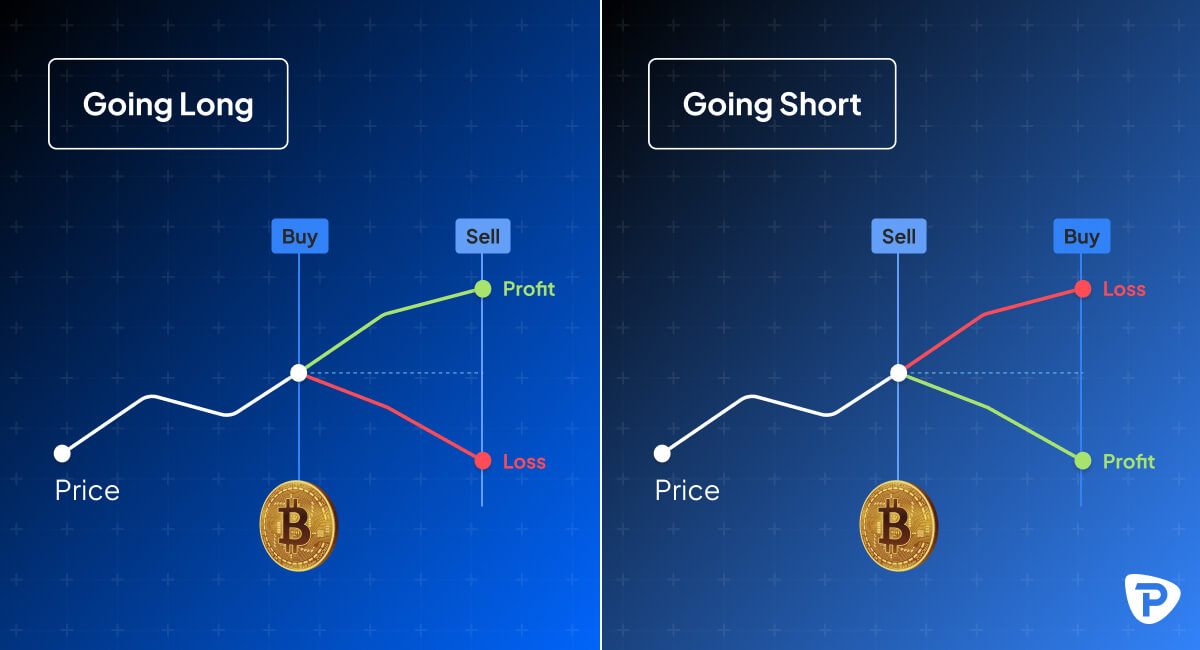
On the other hand, derivatives trading—including futures, options, and perpetual swaps—allows traders to speculate on the price movement of Bitcoin without necessarily owning the underlying asset. Derivatives are powerful financial tools that enable “shorting” (profiting when the price falls) and the use of leverage. However, leverage is a double-edged sword; while it can amplify gains, it can also lead to the rapid liquidation of a trading account if the market moves against the position.
Selecting Exchanges and Secure Custody
The choice of a trading platform, or exchange, is a critical financial decision. Centralized exchanges (CEXs) offer deep liquidity and user-friendly interfaces, making them ideal for high-frequency trading and beginners alike. When evaluating an exchange, a trader should prioritize security protocols, fee structures, and regulatory compliance.
Furthermore, a professional trader must consider custody. While keeping funds on an exchange is convenient for active trading, the principle of “not your keys, not your coins” remains a cornerstone of digital asset management. For larger capital allocations, integrating hardware wallets or “cold storage” into one’s financial workflow is essential to mitigate the risk of exchange hacks or insolvency.
Strategic Frameworks for Bitcoin Trading
Success in the Bitcoin market is rarely the result of luck; it is the product of a well-defined trading strategy. Professional traders categorize their activities based on time horizons and financial goals, ensuring that every move is calculated.
Day Trading and Scalping
Day trading involves opening and closing positions within a single 24-hour period. Traders who utilize this strategy seek to capitalize on intraday volatility. Scalping is an even more intense version of this, where traders aim for tiny profits on numerous trades throughout the day. These strategies require constant market monitoring and a deep understanding of liquidity and order flow. Because of the high transaction costs and psychological stress involved, day trading is typically reserved for those who can dedicate significant time to the markets.
Swing Trading and Position Trading
For those with other professional commitments, swing trading is often a more sustainable approach to Bitcoin. Swing traders look for “swings” in price that play out over several days or weeks. This strategy relies on identifying trends and market momentum rather than catching every minor price fluctuation.
Position trading takes an even broader view, often spanning months or years. This approach aligns more closely with traditional value investing. Position traders ignore short-term “noise” and focus on the fundamental growth trajectory of Bitcoin as “digital gold,” aiming to capture massive moves in the market cycle.
Technical and Fundamental Analysis in Crypto
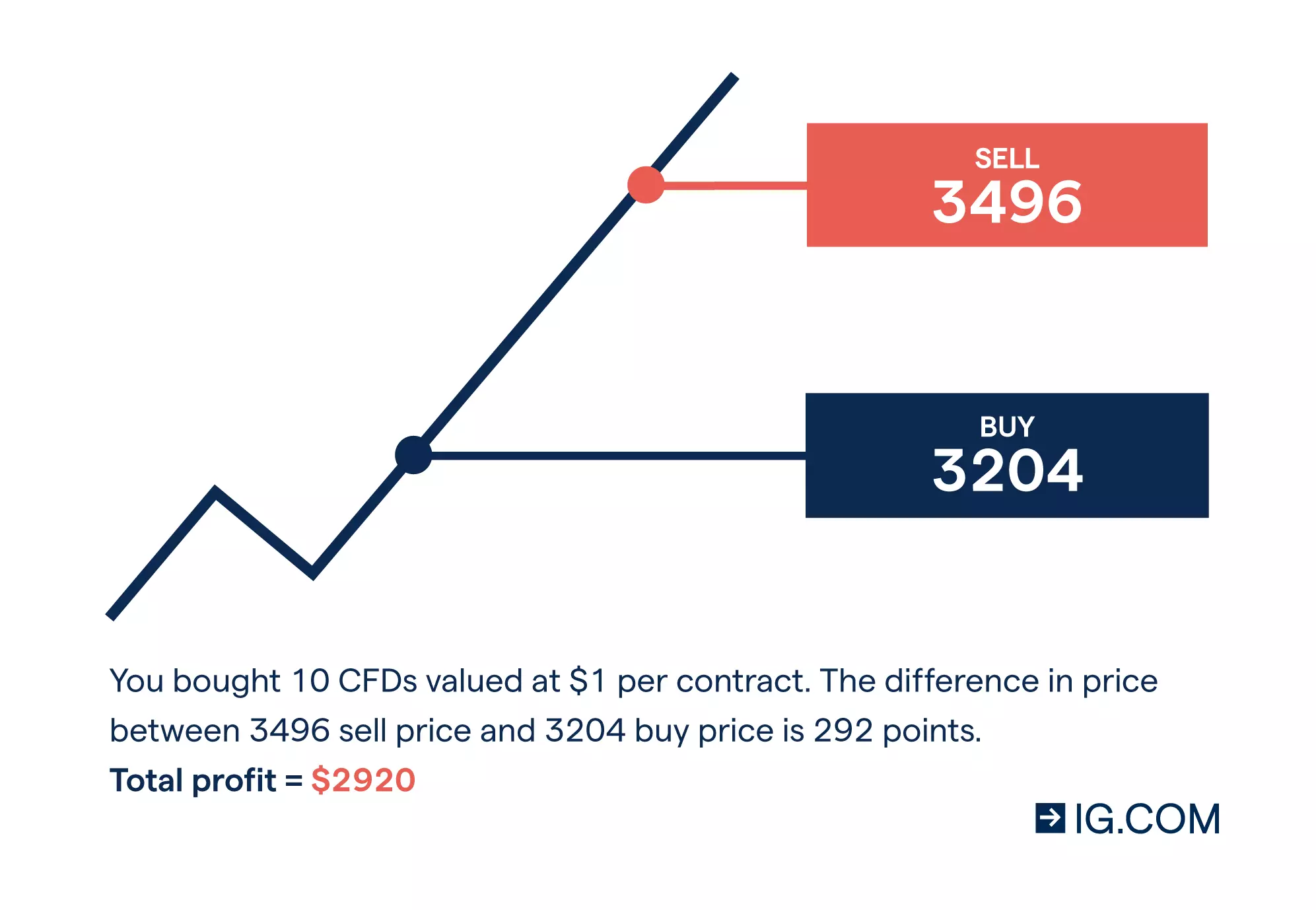
To determine when to enter or exit a trade, investors rely on two primary schools of thought: technical analysis (TA) and fundamental analysis (FA). In the Bitcoin market, the most successful participants often use a hybrid approach.
Reading Candlestick Charts and Technical Indicators
Technical analysis is the study of historical price action and volume to predict future movements. Because Bitcoin trading is driven largely by market psychology, chart patterns often repeat. Traders use tools such as:
- Moving Averages (MA): To identify the prevailing trend direction.
- Relative Strength Index (RSI): To determine if Bitcoin is overbought or oversold.
- Support and Resistance Levels: To identify price points where the asset historically struggles to fall below or rise above.
Mastering these tools allows a trader to remove emotion from the equation, relying instead on data-driven signals to execute trades.
On-Chain Metrics and Macroeconomic Factors
While TA focuses on the “what,” fundamental analysis focuses on the “why.” In the context of Bitcoin, fundamental analysis involves looking at on-chain data—such as the number of active wallet addresses, the hash rate (network security), and exchange inflows/outflows.
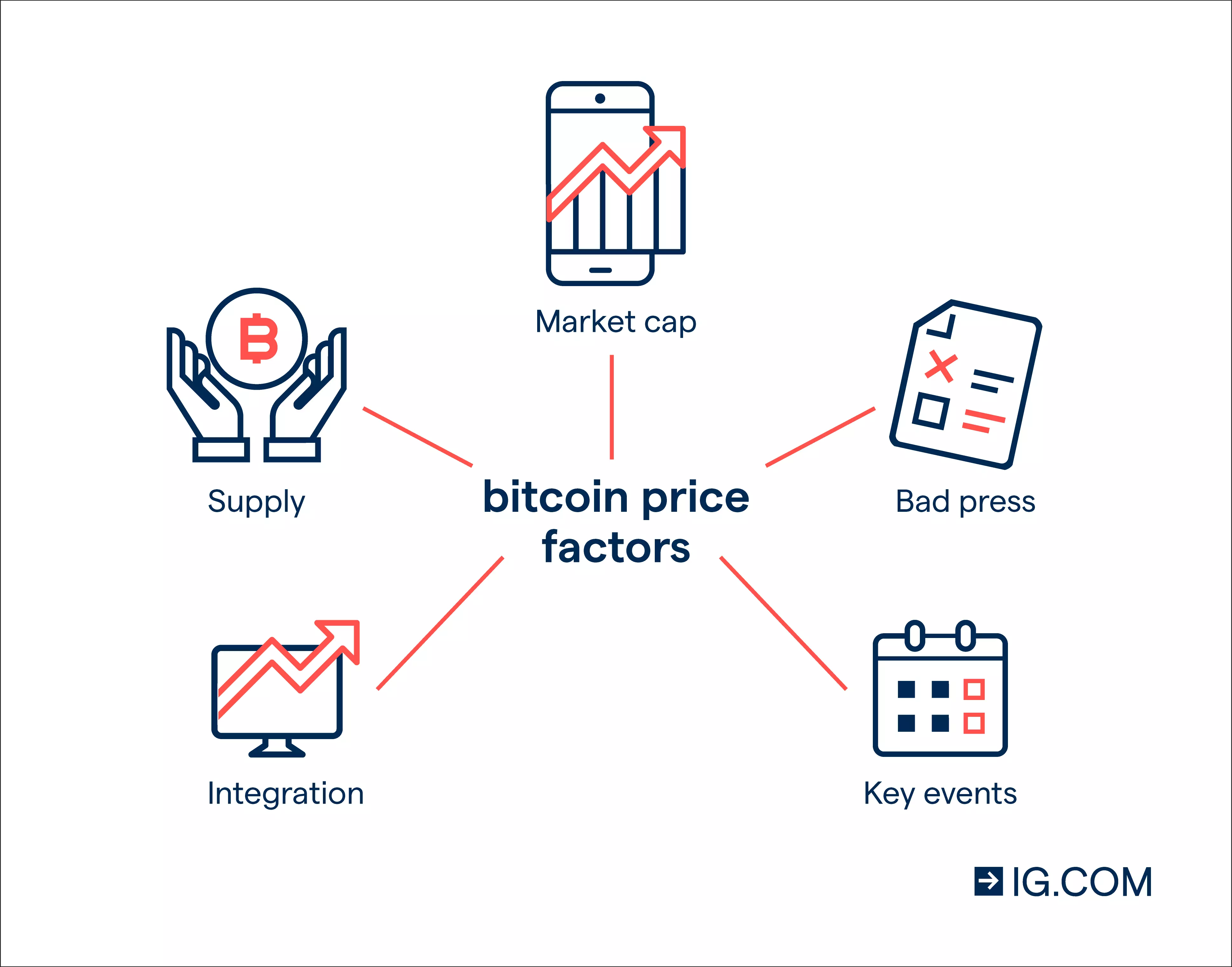
Additionally, Bitcoin does not exist in a vacuum. Its price is increasingly influenced by global macroeconomic factors, including Federal Reserve interest rate decisions, inflation data (CPI), and institutional adoption. Understanding how Bitcoin reacts to a weakening dollar or changes in global liquidity is vital for any serious investor looking to protect and grow their capital.
Risk Management: Protecting Your Capital
In the volatile world of Bitcoin, capital preservation is more important than profit generation. A single poorly managed trade can wipe out months of gains. Implementing a rigorous risk management framework is what separates professional traders from gamblers.
Position Sizing and Stop-Loss Orders
The golden rule of investing is to never risk more than you can afford to lose. In practical terms, this means never allocating an entire portfolio to a single trade. Most professional traders risk only 1% to 3% of their total account balance on any given trade.
Utilizing “stop-loss” orders is a non-negotiable practice. A stop-loss is a pre-set order that automatically sells your Bitcoin if the price drops to a certain level. This ensures that a losing trade is exited before it becomes a financial catastrophe. Conversely, “take-profit” orders help traders lock in gains during periods of euphoria, preventing the common mistake of “holding the bag” when the market eventually retraces.
Managing Emotional Discipline
Trading is 10% strategy and 90% psychology. The Bitcoin market is famous for “FOMO” (Fear Of Missing Out) and “FUD” (Fear, Uncertainty, and Doubt). Emotional trading leads to buying at the top and selling at the bottom. Developing a “trading plan”—a written document outlining your entry points, exit points, and the reasons for the trade—provides an objective anchor when market volatility triggers an emotional response. Discipline is the highest-yielding asset in a trader’s portfolio.
Tax Implications and Financial Planning
As Bitcoin matures, it has come under increased scrutiny from global tax authorities. Trading Bitcoin is not just about the buy and sell; it is about the “net” profit after obligations are met.
Reporting Capital Gains and Losses
In many jurisdictions, Bitcoin is treated as property for tax purposes. This means that every time you trade Bitcoin for a fiat currency (like USD) or even for another cryptocurrency, it constitutes a taxable event. Traders must keep meticulous records of their “cost basis” and the fair market value at the time of each trade. Short-term capital gains are often taxed at a higher rate than long-term gains, which may influence an investor’s decision to hold an asset for longer than a year.
Integrating Bitcoin into a Diversified Portfolio
From a comprehensive financial planning perspective, Bitcoin should be viewed as a high-growth, high-risk component of a diversified portfolio. Because of its low correlation with traditional assets like bonds during certain market cycles, Bitcoin can serve as a powerful diversifier. Financial advisors often suggest a small allocation (ranging from 1% to 10%) depending on an individual’s risk tolerance and age. By treating Bitcoin trading as a professional business activity rather than a hobby, investors can systematically build wealth while navigating the complexities of the digital economy.
aViewFromTheCave is a participant in the Amazon Services LLC Associates Program, an affiliate advertising program designed to provide a means for sites to earn advertising fees by advertising and linking to Amazon.com. Amazon, the Amazon logo, AmazonSupply, and the AmazonSupply logo are trademarks of Amazon.com, Inc. or its affiliates. As an Amazon Associate we earn affiliate commissions from qualifying purchases.