
In an era dominated by instantaneous digital transfers, peer-to-peer payment apps, and contactless credit cards, the humble paper check might seem like a relic of a bygone financial age. However, for many Chase customers, physical checks remains an essential tool in their personal finance arsenal. Whether you are paying rent to a landlord who shuns technology, settling a large down payment on a home, or navigating certain government fees, knowing how to efficiently obtain and manage your Chase checks is a fundamental aspect of modern financial literacy.
As one of the largest financial institutions in the world, JPMorgan Chase offers a streamlined process for ordering checks, but the nuances of account tiers, pricing, and security can be complex. This guide explores the various methods for obtaining Chase checks while providing professional insight into the financial strategy of maintaining a paper trail in a digital world.
Navigating the Process: How to Order Your Chase Checks
Ordering checks from Chase is designed to be a frictionless experience, integrated across their various service platforms. Depending on your comfort level with technology and your immediate needs, there are three primary channels through which you can secure a new checkbook.
Ordering via the Chase Mobile App
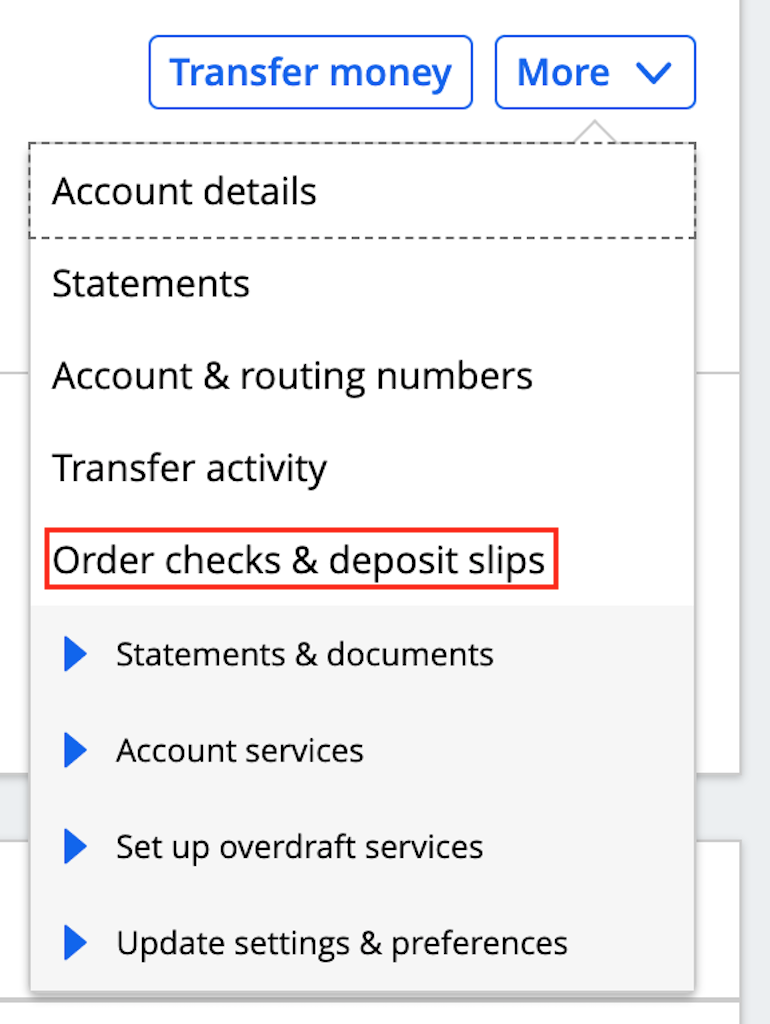
For the tech-savvy consumer, the Chase Mobile App is the most efficient route. After logging into your account, navigating to the “More” menu and selecting “Account Services” will lead you to the “Order Checks” option. The app typically redirects you to Chase’s preferred printing partner, Deluxe.
The primary advantage of using the mobile app is the automatic synchronization of your account and routing numbers. This eliminates the risk of manual entry errors which could lead to bounced payments or administrative headaches. From a financial management perspective, ordering through the app allows you to quickly view your previous order history and track the delivery status directly from your smartphone.
Utilizing Chase Online Banking
For those who prefer a desktop interface for their financial planning, the Chase Online website offers a robust ordering system. Once logged in, you can select the specific checking account you wish to order for, click on “Things you can do,” and select “Order checks & supplies.”
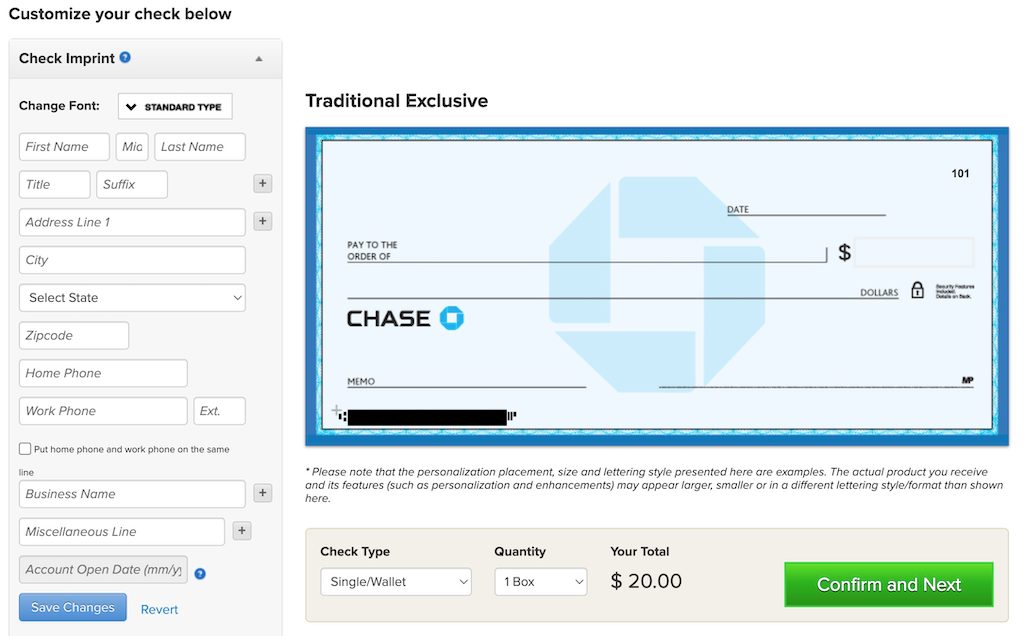
The online portal provides a broader view of customization options. You can choose from various designs, ranging from standard professional blue to personalized styles. However, from a professional finance standpoint, it is often recommended to stick to high-security designs that include features like microprinting and chemical-reactive paper, which offer an extra layer of protection against fraud.
In-Person and Telephone Requests
If you require checks urgently or prefer a human touch, visiting a Chase branch or calling their customer service line are viable options. While bankers at a physical branch can assist you in placing an order, they generally cannot print a full checkbook on-site. They can, however, provide “counter checks”—a small number of temporary checks—if you have an immediate payment deadline. Note that these temporary checks may carry a small fee and may not be accepted by all merchants due to the lack of pre-printed personal information.
The Economics of Paper: Costs, Account Tiers, and Optimization
Not all Chase accounts are created equal. The cost of obtaining checks depends heavily on your specific relationship with the bank and the type of checking account you maintain. Understanding these distinctions is key to optimizing your personal finance strategy and avoiding unnecessary fees.
Account Tiers and Free Check Eligibility
Chase offers several tiers of checking accounts, each with its own fee structure. For those with premium accounts, such as Chase Sapphire Checking or Chase Private Client, personal checks are typically provided for free as part of the account’s value proposition. This is a significant perk for high-net-worth individuals or those who maintain high daily balances, as it removes the recurring cost of financial stationery.
Conversely, for those with a Chase Total Checking or Chase Secure Banking account, there is usually a charge for ordering checks. These costs vary depending on the style and quantity ordered but generally range from $20 to $50 per box. When managing a tight budget, these “hidden” costs of banking are important to factor into your annual financial plan.
Utilizing Third-Party Check Printers
A common strategy in personal finance optimization is sourcing checks from third-party printers rather than the bank itself. Companies like Costco Checks, Vistaprint, or specialized check-printing services often offer significantly lower prices than the bank’s preferred partner.
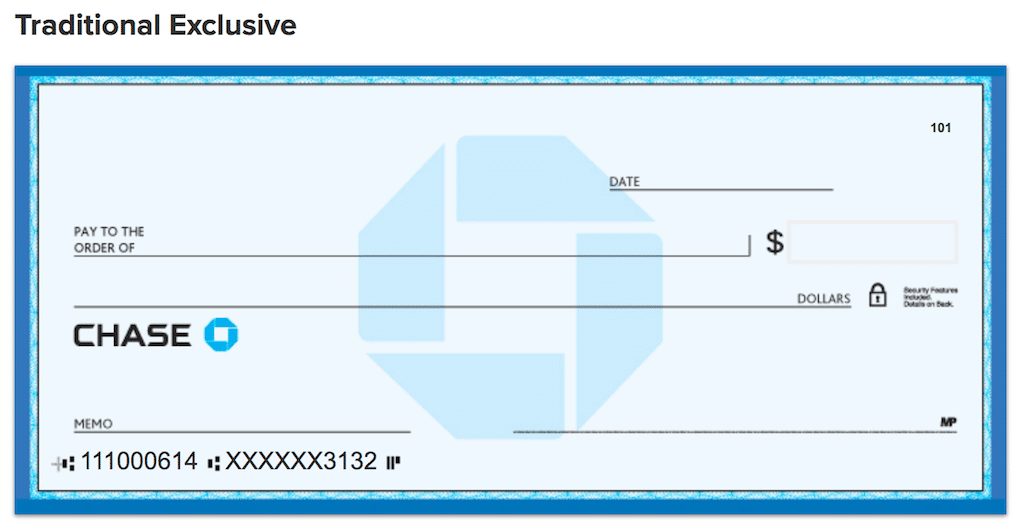
If you choose this route, you must be meticulous. You will need to provide your exact routing number and account number. From a financial security perspective, ensure that any third-party printer you use is reputable and employs industry-standard security features. While the savings might be attractive, a typo in your account number or a lack of security features on the paper can lead to costly financial disruptions.
The Role of Business Checks
For entrepreneurs and small business owners using Chase Business Complete Banking, the requirements for checks are more rigorous. Business checks often require multiple signature lines or “voucher” styles that allow for detailed record-keeping. Chase provides specialized business checkbooks that integrate with accounting software like QuickBooks. While more expensive than personal checks, these are tax-deductible business expenses and are vital for professional financial auditing and transparency.
Security and Management of Your Financial Paperwork
While paper checks are useful, they represent a significant security vulnerability if handled incorrectly. In the realm of financial tools, a blank check is essentially a “liquid” asset that, if stolen, can provide a direct gateway to your bank balance.
Safeguarding Blank Checks and Preventing “Check Washing”
One of the most prevalent forms of financial fraud is “check washing,” where criminals use chemicals to erase the ink on a written check and rewrite the amount and recipient. To mitigate this risk, financial experts recommend using indelible gel pens (such as the Uni-ball 207) when writing checks, as the ink traps itself in the paper fibers.
Furthermore, you should never leave your checkbook in a vehicle or an unsecured area of your home. Treat your checkbook with the same level of security as you would a stack of cash. If you ever lose your checkbook or suspect a single check has been stolen, you must contact Chase immediately to place a “stop payment” or, in extreme cases, close and move your funds to a new account.
Monitoring for Unauthorized Transactions
Even with physical checks, the best defense is digital vigilance. Regularly reviewing your Chase statement via the mobile app allows you to see images of cleared checks. This ensures that the amount cleared matches the amount you wrote. In the context of modern money management, “reconciling your checkbook” is less about the math and more about the audit—ensuring that every piece of paper you issued reached its intended destination for the correct amount.
When and Why You Still Need Paper Checks in the Digital Age
Despite the rise of Venmo, Zelle, and wire transfers, there are strategic financial reasons to keep a box of Chase checks in your desk drawer. Understanding when a check is the superior financial tool can save you money and protect your legal interests.
Rent, Real Estate, and Large Transactions
In the real estate industry, paper is still king. Many landlords prefer checks because they provide a physical receipt and avoid the processing fees associated with credit card portals. For larger transactions, such as a down payment on a vehicle or a home, a “Cashier’s Check” from Chase is often required. Unlike a personal check, a cashier’s check is guaranteed by the bank’s own funds, providing the seller with absolute certainty of payment.
Avoiding Credit Card Processing Fees
Many small businesses or government agencies (such as the DMV or local tax offices) charge a “convenience fee” for using a credit or debit card. These fees typically range from 2% to 3%. On a $2,000 property tax bill, that fee could be $60. In this scenario, writing a Chase check is a simple way to save money, making it a more efficient financial tool than a high-tech digital payment.
The Environmental and Economic Shift to E-Checks
It is worth noting that the financial world is moving toward “E-checks” and ACH transfers. Many of the “checks” you send through Chase’s Online Bill Pay service are actually sent electronically. However, if the recipient cannot receive electronic payments, Chase will print and mail a physical check on your behalf at no extra cost (depending on your account type). This hybrid approach offers the convenience of digital banking with the universal acceptance of paper.
Conclusion
Obtaining checks from Chase is more than just a logistical task; it is an exercise in managing your personal financial infrastructure. Whether you choose to order through the streamlined Chase Mobile App, hunt for discounts via third-party printers, or leverage the perks of a premium Sapphire account, understanding the costs and security implications is vital.
By maintaining a supply of physical checks and using them strategically—to avoid fees, ensure a paper trail, or satisfy specific industry requirements—you empower yourself with a versatile financial tool. In the balance between the convenience of the digital future and the reliability of the physical past, the paper check remains a resilient and necessary component of a sophisticated financial life.
aViewFromTheCave is a participant in the Amazon Services LLC Associates Program, an affiliate advertising program designed to provide a means for sites to earn advertising fees by advertising and linking to Amazon.com. Amazon, the Amazon logo, AmazonSupply, and the AmazonSupply logo are trademarks of Amazon.com, Inc. or its affiliates. As an Amazon Associate we earn affiliate commissions from qualifying purchases.