
Understanding what constitutes a “normal heart rate during sleep” has evolved dramatically thanks to advancements in technology. Once a metric only measurable with specialized medical equipment in a clinical setting, continuous monitoring of sleep heart rate is now accessible to millions through consumer-grade wearables and smart devices. This technological revolution offers unprecedented insights into our nocturnal physiology, transforming personal health monitoring from reactive to proactive. Delving into the nuances of sleep heart rate is not merely an academic exercise; it’s a journey into leveraging data and innovation to optimize one of the most critical aspects of our well-being: restorative sleep.
The Technological Leap in Sleep Heart Rate Monitoring
The ability to track heart rate during sleep, accurately and consistently, is a testament to significant breakthroughs in sensor technology, data processing, and user-friendly interfaces. From bulky hospital equipment to sleek wristbands, the journey reflects a persistent drive to make complex physiological data accessible and actionable for everyday individuals.
Why Sleep Heart Rate Matters: Beyond the Basics
Historically, heart rate was primarily checked while awake and at rest. However, sleep introduces a unique physiological state where the body undergoes significant changes, and heart rate patterns during this period offer a distinct window into overall cardiovascular health, autonomic nervous system function, and sleep quality itself. A consistently elevated heart rate during sleep, for example, could indicate stress, poor sleep hygiene, or underlying health issues that warrant attention. Conversely, a healthy drop in heart rate signifies effective rest and recovery. Technology now allows us to observe these subtle yet critical shifts, moving beyond mere “resting heart rate” to a more dynamic understanding of nocturnal cardiovascular activity.
From Manual Checks to Continuous Monitoring
Before the widespread adoption of modern wearables, monitoring heart rate during sleep was impractical for most people. It required specialized clinical equipment like electrocardiograms (ECGs) or cumbersome Holter monitors. These methods, while highly accurate, were invasive, expensive, and not designed for routine personal use. The paradigm shifted with the advent of photoplethysmography (PPG) sensors – the green lights found on the back of most smartwatches and fitness trackers. These optical sensors can detect changes in blood volume just under the skin, converting these fluctuations into heart rate readings. This technological leap enabled continuous, non-invasive heart rate tracking throughout the entire sleep cycle, making personalized sleep health data a reality.
The Dawn of Consumer-Grade Sleep Tech
The past decade has seen an explosion in consumer-grade devices designed to monitor sleep heart rate. Smartwatches from Apple, Garmin, Samsung, and Fitbit, along with smart rings like Oura, and even under-mattress sensors, have democratized access to this vital health metric. These devices integrate sophisticated algorithms to filter out motion artifacts and provide fairly accurate heart rate data, often distinguishing between different sleep stages (light, deep, REM) based on heart rate variability and other contextual clues. This proliferation has shifted the focus from merely identifying heart rate to understanding its patterns within the context of sleep quality and recovery.
Wearable Tech: Your Personal Sleep Heart Rate Monitor
Wearable technology has become the primary conduit for individuals to monitor their sleep heart rate. These devices leverage miniaturized sensors and advanced software to provide insights that were once exclusive to medical professionals. Understanding how these devices work and their capabilities is key to interpreting the data they provide.
Smartwatches and Fitness Trackers: Everyday Insights
Smartwatches and fitness trackers are arguably the most common and accessible tools for tracking sleep heart rate. Worn on the wrist, they use PPG sensors to continuously measure heart rate. During sleep, the device tracks heart rate trends, identifying minimums, maximums, and average rates throughout the night. Many also calculate heart rate variability (HRV), a critical indicator of autonomic nervous system balance and recovery. This data is then presented in user-friendly apps, often alongside other sleep metrics like sleep stages, restlessness, and blood oxygen levels, offering a holistic view of nightly recovery.
How Optical Sensors Work (PPG Technology)
The magic behind these devices lies in photoplethysmography (PPG). Tiny LEDs emit green light (which is absorbed by red blood cells and reflected by other tissues), while a photodetector measures the amount of light reflected back. As blood pulses through the capillaries with each heartbeat, the amount of light absorbed changes, creating a waveform. The device’s algorithms analyze these waveforms to determine the heart rate. While highly effective, PPG can be sensitive to movement and skin tone, which is why algorithms are constantly being refined to improve accuracy, especially during varied sleep positions.
Accuracy and Limitations of Consumer Devices
While consumer wearables are incredibly convenient, it’s crucial to understand their accuracy and limitations. For average heart rate tracking over extended periods, most reputable devices offer good reliability. However, they are generally not considered medical-grade devices and should not be used for diagnosing medical conditions. Factors such as a loose fit, excessive arm movement during sleep, or even cold extremities can impact readings. Their accuracy in detecting acute, momentary anomalies might also be lower compared to clinical ECGs. Nevertheless, for tracking trends and providing a general overview of sleep heart rate patterns over time, they are invaluable tools for personal health management.
Interpreting Your Device’s Data: What’s “Normal”?
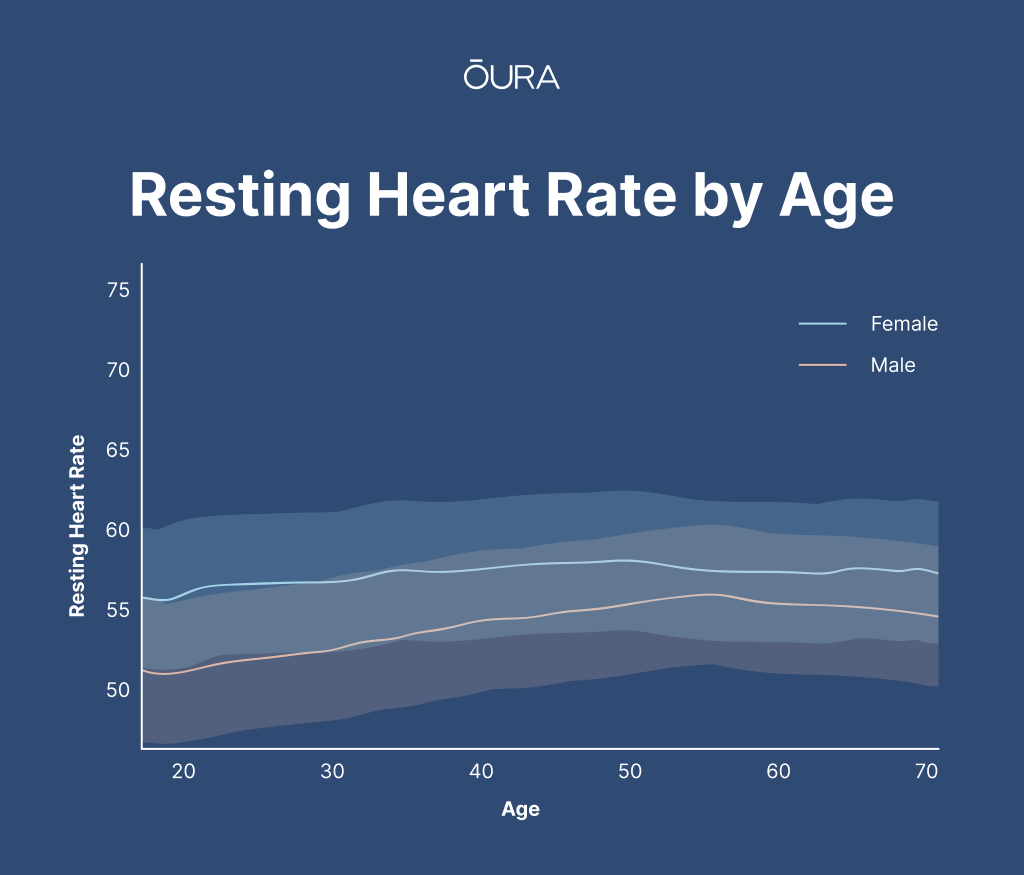
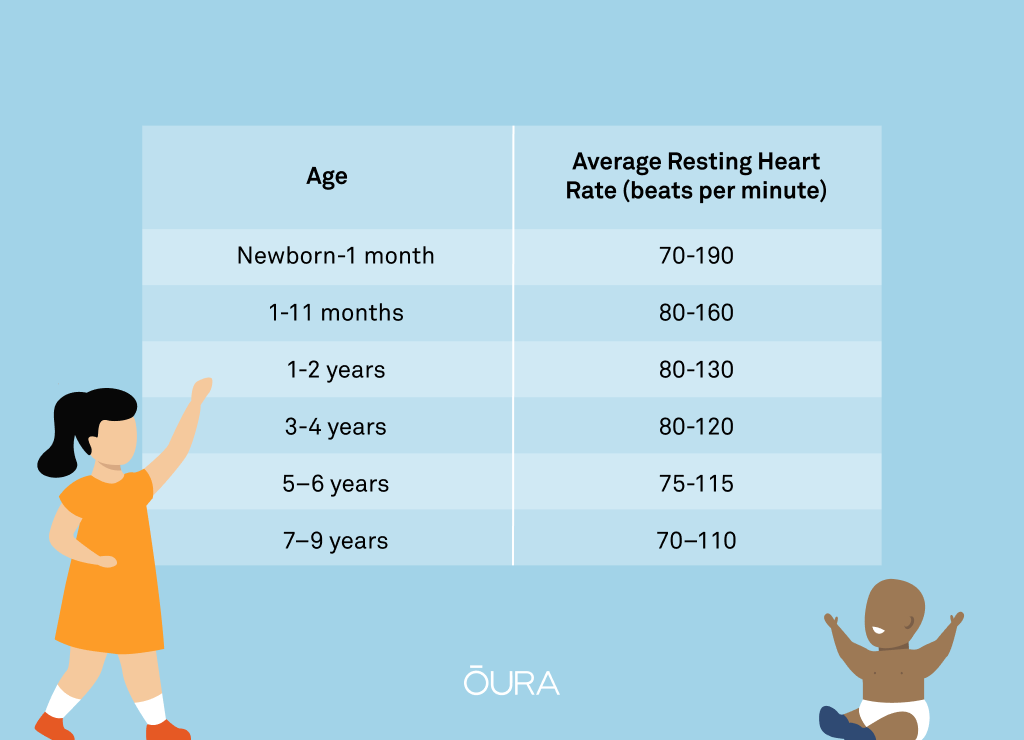
“Normal” sleep heart rate is highly individual, influenced by age, fitness level, genetics, and overall health. Generally, an adult’s heart rate during sleep tends to be lower than their awake resting heart rate, often falling within the range of 40-70 beats per minute (bpm). Highly fit individuals, especially athletes, might even see rates dip into the 30s. What’s more important than a single number is your personal baseline and the observed trends. A healthy sleep heart rate pattern typically shows a dip shortly after falling asleep, remaining low throughout deep sleep, and potentially rising slightly during REM sleep stages. Your device’s app will usually show these patterns, allowing you to identify your personal normal range and spot significant deviations.
Beyond the Wrist: Advanced Sleep Tracking Technologies
While wrist-worn wearables dominate the market, technological innovation has extended to other forms of sleep heart rate monitoring, some offering higher precision or a less intrusive experience, bridging the gap between consumer products and medical-grade diagnostics.
Specialized Sleep Trackers and Smart Rings
Beyond traditional smartwatches, other form factors are gaining traction. Smart rings, like the Oura Ring, offer a different approach. Worn on a finger, they utilize similar PPG technology but benefit from closer proximity to arterial blood flow, potentially offering more consistent readings and less susceptibility to movement artifacts compared to the wrist. Under-mattress sensors (e.g., Withings Sleep Analyzer) provide an entirely contact-free monitoring experience. These devices use pneumatics or radar technology to detect subtle body movements, breathing, and heart rate through the mattress, offering a truly passive way to collect sleep data without requiring the user to wear anything.
Medical-Grade Devices and Polysomnography (PSG)
For truly precise and diagnostically relevant heart rate monitoring during sleep, medical-grade devices and professional sleep studies (Polysomnography or PSG) remain the gold standard. PSG involves attaching electrodes to the scalp, face, chest, and limbs to monitor brain waves (EEG), eye movements (EOG), muscle activity (EMG), breathing patterns, oxygen saturation, and, critically, continuous ECG for heart rate. While invasive and conducted in a lab or via a home-based medical device, PSG provides an unparalleled level of detail, allowing healthcare professionals to identify subtle cardiac anomalies or complex sleep disorders that consumer devices might miss. The technology here is less about convenience and more about diagnostic accuracy.
The Power of AI in Heart Rate Variability (HRV) Analysis
One of the most profound technological advancements in sleep heart rate analysis is the application of artificial intelligence and machine learning to Heart Rate Variability (HRV). HRV measures the variation in time between heartbeats and is a powerful indicator of the balance between the sympathetic (fight-or-flight) and parasympathetic (rest-and-digest) branches of the autonomic nervous system. AI algorithms can analyze complex HRV patterns collected during sleep to provide nuanced insights into stress levels, recovery status, training readiness, and potential early indicators of illness. By processing vast datasets, AI can identify patterns that are imperceptible to the human eye, offering predictive insights and personalized recommendations that go far beyond a simple BPM count.
Leveraging Data for Better Sleep Health
The proliferation of sleep heart rate data through technology is only valuable if it can be effectively interpreted and used to foster better health outcomes. This involves understanding what the data signifies, recognizing anomalies, and knowing when to seek professional advice.
Understanding Baselines and Fluctuations
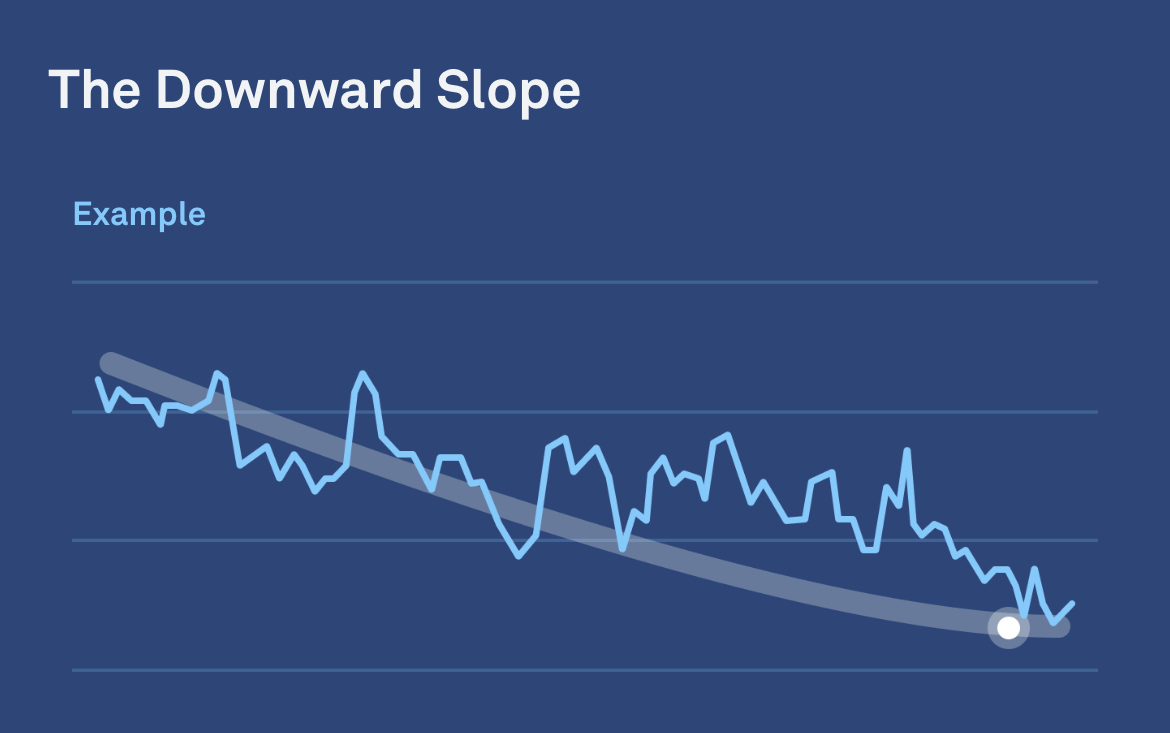
The first step in leveraging your sleep heart rate data is establishing your personal baseline. Track your sleep heart rate (average, minimum, and HRV) over several weeks to understand what’s normal for you. Once a baseline is established, you can begin to identify normal fluctuations. For instance, it’s natural for heart rate to dip lowest during the deepest sleep stages and potentially rise slightly during REM. Daily variations can occur due to factors like exercise, stress, alcohol consumption, or illness. Technology allows you to track these trends and correlate them with your lifestyle choices or perceived well-being.
Recognizing Anomalies and Trends
Consistent deviations from your baseline are where technology truly shines in identifying potential issues. A persistently higher-than-normal sleep heart rate, a lack of the usual nocturnal dip, or significantly reduced HRV could be flags. These anomalies might indicate increased stress, overtraining, poor recovery, onset of illness, or even underlying conditions like sleep apnea or cardiac issues. Modern apps often provide graphical representations and summaries that make it easy to spot these trends, allowing you to proactively address potential problems.
Integrating with Health Apps and Platforms
Most sleep tracking devices integrate with broader health ecosystems, whether it’s the device manufacturer’s own app (e.g., Apple Health, Samsung Health, Garmin Connect) or third-party platforms. This integration allows for a more holistic view of your health data, correlating sleep heart rate with activity levels, nutrition, mindfulness practices, and other vital signs. By combining these data points, AI-driven insights can become even more powerful, providing a comprehensive picture of your physiological state and suggesting personalized interventions.
Collaborating with Healthcare Professionals
While consumer tech provides valuable personal insights, it’s crucial to remember its role as a tool for awareness, not diagnosis. If you notice persistent anomalies in your sleep heart rate data, or if you experience concerning symptoms, this data can be a powerful conversation starter with your doctor. Sharing trends and specific instances of unusual heart rate patterns can help healthcare professionals quickly identify areas for further investigation, potentially leading to earlier diagnosis and treatment of underlying conditions. The technology empowers you to be a more informed participant in your own healthcare journey.
The Future of Sleep Heart Rate Monitoring: Innovation on the Horizon
The landscape of sleep heart rate monitoring is constantly evolving, with researchers and tech companies pushing the boundaries of what’s possible. The future promises even more sophisticated, integrated, and predictive tools that will further enhance our understanding and management of sleep health.
Miniaturization and Enhanced Sensor Technology
Expect to see even smaller, less intrusive devices for sleep heart rate monitoring. Advances in sensor technology will lead to greater accuracy, perhaps incorporating multi-wavelength PPG, ECG electrodes in everyday items (like smart pajamas or headbands), or novel bio-impedance sensors. This miniaturization will make monitoring more comfortable and seamlessly integrated into daily life, moving beyond the wrist to other body parts that may offer superior data quality.
Predictive Analytics and Personalized Interventions
The real power of future technology will lie in its predictive capabilities. AI and machine learning models, fueled by vast amounts of personal and population-level data, will move beyond simply reporting heart rate to predicting potential health issues before they manifest. Imagine an app that not only tells you your HRV is low but also predicts your likelihood of getting sick based on recent sleep patterns, activity, and historical data, then suggests a personalized recovery protocol or advises on modifying your training schedule.
Seamless Integration with Smart Homes and AI Assistants
Future sleep heart rate monitoring will likely be part of a broader, interconnected smart home ecosystem. Your sleep data could automatically adjust your bedroom’s temperature, lighting, or soundscape to optimize conditions for deep sleep. AI assistants could provide personalized feedback based on your sleep metrics, offering prompts for bedtime routines or stress reduction techniques, making health management an effortless part of daily living.
Ethical Considerations and Data Privacy
As sleep heart rate monitoring technology becomes more sophisticated and integrated, ethical considerations and data privacy will become paramount. Ensuring the security of highly sensitive physiological data, transparently communicating how data is used, and providing users with robust control over their personal information will be critical for maintaining trust and fostering widespread adoption. Future innovations must balance technological capability with responsible data stewardship.
In conclusion, the journey to understanding “normal heart rate during sleep” is deeply intertwined with technological progress. From the early days of clinical ECGs to the present era of smart wearables and AI-driven insights, technology has empowered individuals with unprecedented access to their physiological data. This ongoing revolution transforms abstract health metrics into actionable intelligence, paving the way for a future where optimized sleep and proactive health management are within everyone’s reach.
aViewFromTheCave is a participant in the Amazon Services LLC Associates Program, an affiliate advertising program designed to provide a means for sites to earn advertising fees by advertising and linking to Amazon.com. Amazon, the Amazon logo, AmazonSupply, and the AmazonSupply logo are trademarks of Amazon.com, Inc. or its affiliates. As an Amazon Associate we earn affiliate commissions from qualifying purchases.