
At first glance, a Happy Meal toy might appear to be a simple, disposable trinket – a small plastic figurine or novelty item tucked inside a brightly colored box alongside a child’s meal. Yet, to dismiss it as such would be to overlook one of the most enduring, ingenious, and globally successful exercises in brand strategy and marketing ever conceived. The Happy Meal toy is far more than just a plaything; it is a meticulously designed instrument of brand building, consumer engagement, and cultural resonance, meticulously crafted to cement McDonald’s as a beloved, family-friendly institution. From its humble beginnings to its status as a collector’s item and a driver of pop culture, the Happy Meal toy embodies a sophisticated understanding of consumer psychology, licensing, and integrated marketing. It serves as a living case study for how a seemingly minor product can become a cornerstone of a multinational corporation’s identity and a potent tool for achieving long-term brand loyalty.

The Strategic Genesis of the Happy Meal Toy
The concept of the Happy Meal toy is rooted in a brilliant marketing insight: children wield significant influence over family dining decisions. By directly appealing to kids, McDonald’s could indirectly capture the entire family market. This understanding laid the groundwork for a phenomenon that has transcended mere commerce to become a cultural touchstone.
Origins and Evolution: From Simple Gimmick to Global Phenomenon
The Happy Meal itself was introduced in 1979, and from its inception, the toy was central to its appeal. Initially, these were simple items like mini-combs, spinners, or puzzle books. However, McDonald’s quickly recognized the immense potential in partnering with established children’s entertainment brands. The first major licensing deal with Disney in the 1980s, featuring characters like Mickey Mouse and Donald Duck, transformed the Happy Meal toy from a generic trinket into a highly desirable collector’s item. This move set a precedent, elevating the toy from a mere bonus to the primary draw for many children and, by extension, their parents. This evolution demonstrated a keen understanding of branding: leveraging the equity of existing, beloved brands to amplify McDonald’s own appeal and create instant recognition and desire. Over decades, the toys evolved in complexity, quality, and interactive features, consistently adapting to new trends and technological advancements, all while maintaining their core function as brand ambassadors.
The Target Audience: Children as Brand Ambassadors
The genius of the Happy Meal toy lies in its direct appeal to children. Young consumers, often characterized by their impressionability and nascent brand awareness, are particularly susceptible to the allure of novelty and collectibility. The toys offer an immediate reward and an element of surprise, transforming a routine meal into an exciting experience. For children, the toy isn’t just an item; it’s a gateway to imaginative play, a status symbol among peers, and a tangible connection to their favorite characters or franchises. In doing so, these children become powerful, albeit unwitting, brand ambassadors. They advocate for McDonald’s when making family dining choices, creating a powerful intergenerational pull. This strategy bypasses traditional advertising channels by turning the children themselves into the most effective advocates, fostering a deep, often nostalgic, connection to the McDonald’s brand from an early age.
The Psychology of Collectibility and Nostalgia
Beyond immediate gratification, Happy Meal toys tap into fundamental psychological drivers: the desire to collect and the power of nostalgia. Limited-time promotions encourage repeat visits to complete a set, creating a sense of urgency and engagement. This “gotta catch ’em all” mentality is a potent marketing tool, driving sales and fostering brand loyalty. Furthermore, as children grow into adults, these toys often become cherished memories, powerful symbols of childhood. This engenders a profound sense of nostalgia, which researchers have identified as a powerful emotional trigger for brand affinity. Adults who grew up with Happy Meal toys often return to McDonald’s later in life, sometimes with their own children, not just for the food but for the experience and the latent emotional connection fostered by those early toy acquisitions. This cyclical effect demonstrates the long-term strategic value of the Happy Meal toy in cementing generational brand loyalty.
The Brand Powerhouse Behind the Plastic
The Happy Meal toy’s effectiveness is a testament to sophisticated brand management, encompassing identity reinforcement, strategic partnerships, and intricate design processes. It’s a cohesive ecosystem designed to amplify the McDonald’s brand message.
McDonald’s Brand Identity and the Happy Meal Ecosystem
The Happy Meal toy is inextricably linked to McDonald’s corporate identity as a family-friendly, fun, and accessible dining option. It’s not just an add-on; it’s an integral part of the “Happy Meal ecosystem,” which includes the distinctive red box, the child-friendly menu, and the overall in-store experience. The toy reinforces McDonald’s core brand values, positioning the company as a provider of joy and entertainment, not just food. Every toy, regardless of its specific theme, carries the implicit endorsement of the McDonald’s brand, associating it with positive childhood memories and experiences. This cohesive branding ensures that the toy isn’t a standalone product but a vibrant component of a larger, carefully cultivated brand narrative, strengthening the company’s appeal to its target demographic and differentiating it from competitors.
Licensing and Strategic Partnerships: Expanding Brand Reach
Perhaps one of the most masterful aspects of the Happy Meal toy strategy is McDonald’s adeptness at forging powerful licensing and strategic partnerships. By collaborating with giants in the entertainment industry—Disney, Pixar, Warner Bros., Nintendo, LEGO, and countless others—McDonald’s effectively borrows and amplifies the brand equity of these global franchises. This cross-promotional synergy is a win-win: the entertainment companies gain unparalleled marketing exposure for their characters, movies, or games, while McDonald’s gains access to highly desirable, pre-established intellectual property. These partnerships allow McDonald’s to stay relevant and exciting, consistently offering new and appealing themes that resonate with current trends and generational interests. This strategy significantly expands McDonald’s brand reach beyond its traditional food service, intertwining it with the cultural zeitgeist and maintaining a fresh, dynamic image.
Design and Production: Crafting Miniature Icons
The journey from concept to plastic toy is an intricate process of design, engineering, and cultural analysis. McDonald’s works closely with its partners and a dedicated team of designers to ensure that each toy is not only appealing and safe but also accurately represents the licensed character or theme. Considerations include playability, durability, safety standards, and manufacturing feasibility at mass scale. The design itself contributes significantly to the toy’s brand value; a well-designed toy enhances the perceived quality of the Happy Meal experience. These miniature icons are often simplified yet recognizable renditions of popular characters, demonstrating clever design choices that prioritize brand recognition and collectibility over intricate detail. The consistency in production quality and the thoughtful design ensure that each toy, however small, reinforces a positive brand image for both McDonald’s and its partners.
Marketing Mastery: Engaging Consumers Across Generations
The Happy Meal toy is an exemplar of integrated marketing, weaving together product, promotion, and experience to create a compelling offering that transcends mere transaction.
Integrated Marketing Campaigns: Beyond the Toy Itself
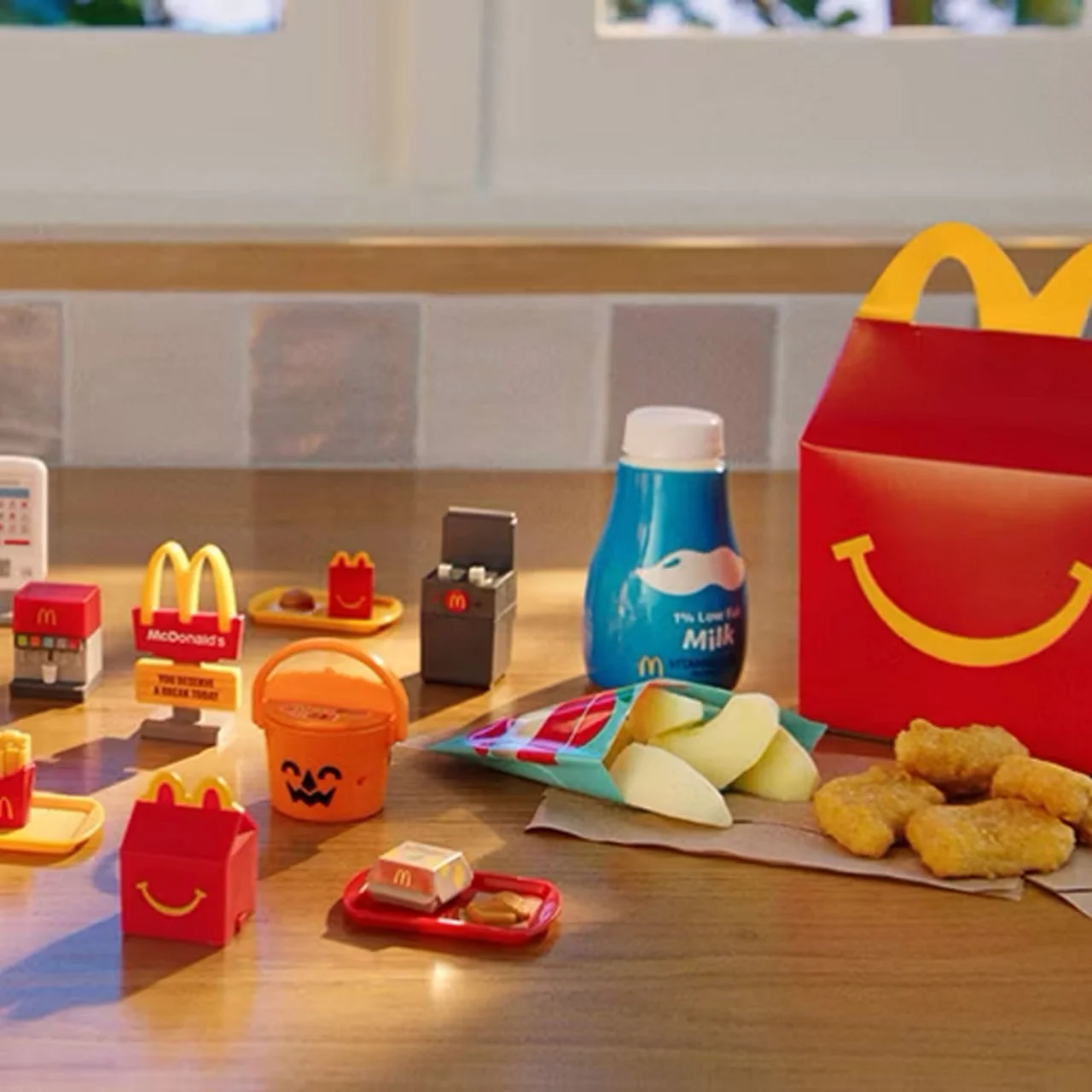
Happy Meal toy promotions are rarely isolated events. Instead, they are typically integrated into comprehensive marketing campaigns that span television commercials, digital advertising, in-store signage, and sometimes even themed packaging and restaurant decor. The campaigns build anticipation for new toy sets, leveraging storytelling and visual appeal to create excitement. The marketing strategy extends beyond merely showcasing the toy; it often highlights the overall family experience, emphasizing joy, togetherness, and discovery. This holistic approach ensures that the message is consistent across multiple touchpoints, reinforcing the emotional connection with the brand. By making the toy a central pillar of these multi-channel campaigns, McDonald’s amplifies its visibility and solidifies its position in the minds of both children and parents.
The Experiential Element: Creating Memorable Moments
At its heart, the Happy Meal, with its accompanying toy, sells an experience. It transforms a utilitarian act of eating into a moment of delight, surprise, and connection. For children, the unboxing of the Happy Meal is an event, the discovery of the toy a small triumph. This experiential marketing creates memorable moments that are deeply embedded in positive emotions, which in turn strengthen brand recall and loyalty. These experiences are not confined to the restaurant; children take the toys home, extending the brand interaction into their daily lives through play. This prolonged engagement fosters a deeper, more personal relationship with the brand, moving beyond functional benefits to emotional ones, which is the hallmark of truly powerful branding.
Digital Integration and Modern Marketing Strategies
In the digital age, McDonald’s has adeptly evolved its Happy Meal toy strategy to incorporate modern marketing channels. Many toy promotions now include digital components, such as augmented reality experiences, QR codes unlocking online games, or integrations with mobile apps. This digital layer extends the play value of the physical toy and creates interactive brand engagement, appealing to tech-savvy younger generations. Social media also plays a significant role, with McDonald’s and its partners leveraging platforms to generate buzz, run contests, and engage with collector communities. This blend of physical and digital engagement demonstrates a forward-thinking approach to branding, ensuring that the Happy Meal toy remains relevant and exciting in an ever-changing media landscape.
The Cultural and Commercial Impact
The Happy Meal toy’s influence extends far beyond the confines of McDonald’s restaurants, shaping consumer behavior, driving sales, and sparking broader societal conversations.
Shaping Consumer Behavior and Brand Loyalty
Few promotional items have had such a profound and lasting impact on consumer behavior as the Happy Meal toy. It has fundamentally shaped how families approach fast food, turning a simple meal choice into a quest for the latest collectible. This strategy has proven remarkably effective in driving repeat business and fostering deep brand loyalty from a very young age. Children grow up with the expectation of a toy, and this ingrained association often translates into continued patronage into adulthood. The toys create an immediate incentive for purchase but also build a long-term emotional bond, demonstrating how a seemingly small product can be a powerful lever for behavioral economics and brand allegiance over decades.
Economic Implications: Driving Sales and Foot Traffic
From a commercial perspective, the Happy Meal toy is an undeniable economic powerhouse. It serves as a significant sales driver, encouraging millions of purchases globally each day. The allure of a new toy set can lead to surges in foot traffic and sales, especially during major promotional tie-ins with blockbuster movies or popular gaming franchises. The cost of producing these toys, while substantial, is offset by the enormous revenue generated and the invaluable brand exposure. It’s a prime example of how an ancillary product can be a core component of a company’s financial success, proving that investment in branding and consumer engagement can yield exponential returns.
Societal Conversations: From Environmental Concerns to Collector Communities
The widespread prevalence of Happy Meal toys has also sparked various societal conversations. Environmental groups have raised concerns about the volume of plastic waste generated, prompting McDonald’s to explore more sustainable toy options and packaging. This reflects the increasing importance of corporate social responsibility in modern branding. Concurrently, the toys have fostered vibrant collector communities, with rare items sometimes fetching high prices on secondary markets. These communities highlight the cultural significance of the toys, transforming them from disposable items into cherished collectibles, reinforcing their long-term brand equity and illustrating the passionate engagement they inspire.
The Future of Happy Meal Toys in an Evolving Brand Landscape
As consumer preferences shift and global challenges emerge, the Happy Meal toy continues to adapt, demonstrating its enduring relevance as a dynamic brand tool.
Adapting to New Consumer Expectations and Technologies
The brand landscape is constantly evolving, driven by changing consumer expectations, technological advancements, and a growing emphasis on ethical consumption. The Happy Meal toy must continually adapt to remain relevant. This means exploring new materials, incorporating cutting-Fi technologies like AR and VR more deeply, and evolving the types of play experiences offered. The shift towards digital content and interactive experiences reflects an understanding that modern children engage with brands differently than previous generations. By staying attuned to these shifts, McDonald’s ensures the Happy Meal toy continues to be a fresh and exciting brand proposition.
Sustainability and Ethical Sourcing: A Growing Brand Imperative
With increasing global awareness of environmental issues, sustainability has become a critical brand imperative. McDonald’s has responded to criticism regarding plastic waste by setting ambitious targets to reduce virgin plastic in Happy Meal toys and explore alternative materials like paper, cardboard, and recycled plastics. This commitment to sustainability is not just an environmental obligation; it’s a strategic brand move. It enhances McDonald’s reputation, appeals to environmentally conscious parents, and aligns the brand with a more responsible corporate identity. Ethical sourcing and production practices are equally important, ensuring that the toys are made under fair conditions, further strengthening the brand’s integrity.

The Enduring Appeal: Why They Still Matter
Despite the changing landscape, the fundamental appeal of the Happy Meal toy remains robust. It taps into universal childhood desires for surprise, play, and connection to beloved characters. For McDonald’s, it continues to be an unparalleled marketing asset that builds brand loyalty across generations, drives foot traffic, and differentiates its offering in a competitive market. As a masterclass in branding, the Happy Meal toy demonstrates how a small, seemingly simple item can be imbued with immense strategic value, shaping perceptions, fostering emotional connections, and reinforcing a brand’s position as a cultural icon for decades to come. It’s a reminder that truly effective branding often lies in understanding human desires and crafting experiences that resonate deeply, far beyond the product itself.
aViewFromTheCave is a participant in the Amazon Services LLC Associates Program, an affiliate advertising program designed to provide a means for sites to earn advertising fees by advertising and linking to Amazon.com. Amazon, the Amazon logo, AmazonSupply, and the AmazonSupply logo are trademarks of Amazon.com, Inc. or its affiliates. As an Amazon Associate we earn affiliate commissions from qualifying purchases.