
The allure of a classic vehicle transcends mere transportation; for many, it represents a tangible piece of history, a work of art, and, crucially, a significant financial asset. The question of “what is considered a classic vehicle” is not merely academic but carries profound implications for insurance, taxation, market valuation, and investment strategy. Unlike everyday automobiles that depreciate rapidly, classic vehicles often appreciate, but their “classic” status is not arbitrarily bestowed. It’s a complex interplay of age, rarity, condition, historical significance, and market demand, all of which converge to define their financial standing and investment potential. For those looking to enter the world of classic car ownership, or simply to understand its economic landscape, grasping these definitions and their financial ramifications is paramount.
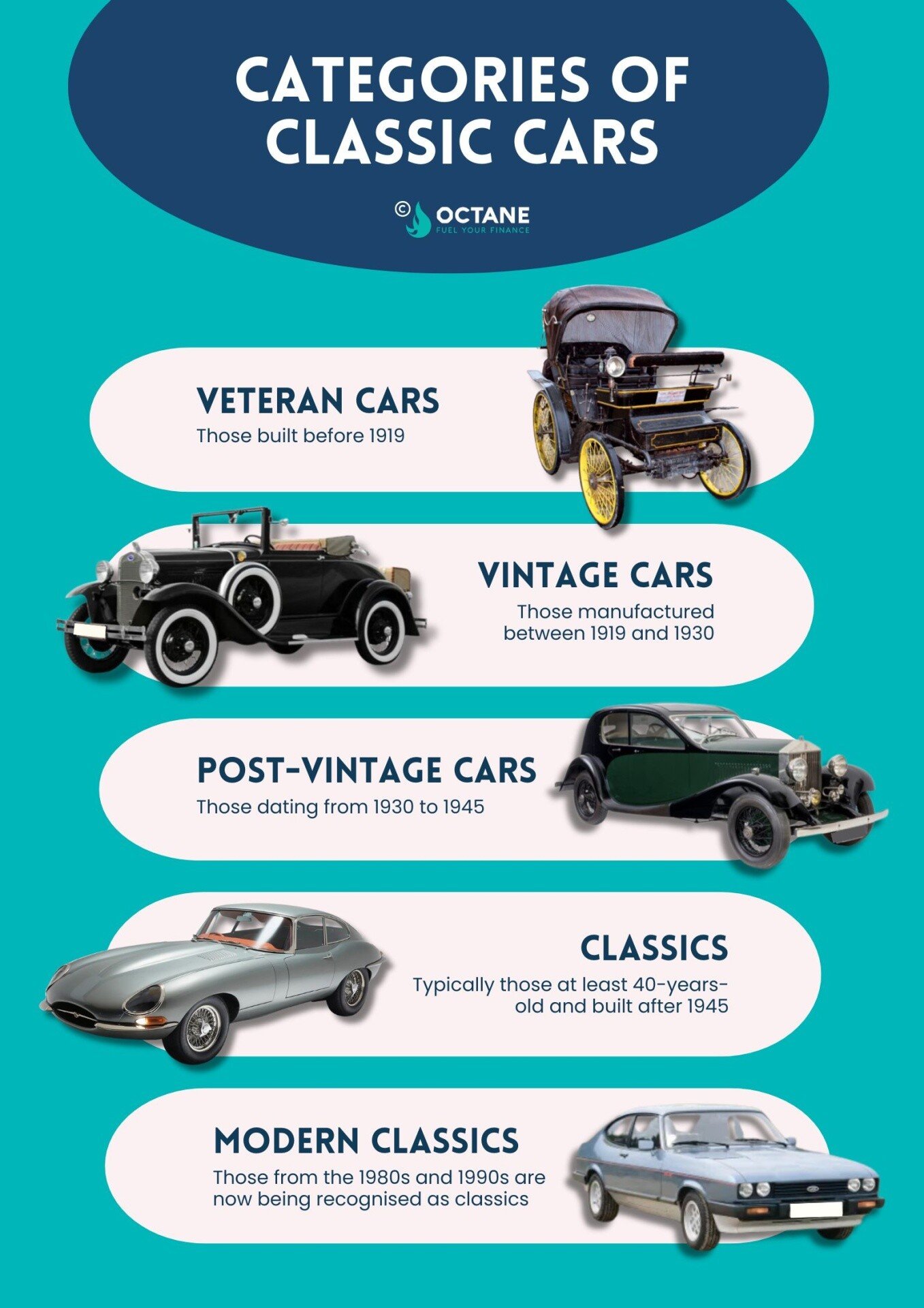
Defining Classic Status: Age, Rarity, and Originality as Financial Pillars
The designation of a vehicle as “classic” is multifaceted, often involving a blend of official classifications, common consensus, and market sentiment. From a financial perspective, these defining characteristics are directly tied to a vehicle’s value, market liquidity, and long-term investment viability. Understanding these foundational elements is the first step in appreciating why certain vehicles ascend to classic status while others remain mere used cars.
The “Age” Factor: Beyond the Calendar Year
While age is undoubtedly a primary determinant, the specific threshold varies widely by jurisdiction, insurance companies, and collector communities. In the United States, for instance, a car typically needs to be at least 20 years old to be considered “classic” by many insurance providers, and 25 years old to be eligible for “antique” or “historical” plates in some states. The UK often uses a 40-year rolling exemption for Vehicle Excise Duty (VED) for “historic vehicles.” Crucially, these age classifications often unlock specific financial benefits, such as reduced insurance premiums (due to limited mileage and careful ownership), eligibility for specialized financing, or exemptions from certain taxes and environmental regulations. An older vehicle that has maintained its condition and relevance is more likely to command a premium, as its age underscores its historical endurance and potential for continued appreciation. However, age alone is insufficient; a 30-year-old mass-produced sedan, no matter how well-preserved, is unlikely to achieve the financial status of a classic without other contributing factors.
Rarity and Production Numbers: Supply-Side Economics
The principle of supply and demand heavily dictates the value of classic vehicles, and rarity is a key component of the supply side. Vehicles produced in limited numbers naturally become more desirable and valuable over time, assuming a consistent or growing demand. This scarcity can stem from intentional low-volume production, or from high attrition rates where only a few examples have survived. Limited edition models, coach-built cars, or vehicles from defunct manufacturers often command higher prices due to their inherent rarity. From an investment perspective, rarity acts as a natural hedge against market saturation and helps preserve value. Collectors and investors are often willing to pay a premium for a vehicle that is one of only a few hundred, or even a few dozen, ever made. Conversely, a vehicle produced in the millions, even if well-aged, will struggle to achieve significant financial classic status unless it possesses extraordinary historical significance or an exceptionally unique variant. Documenting a vehicle’s original production numbers and current survival rates is a critical step in assessing its financial potential.
Originality, Condition, and Provenance: Guardians of Value
Beyond age and rarity, the physical state and historical lineage of a classic vehicle are paramount to its financial valuation. Originality refers to how much of the vehicle remains as it left the factory. Original paint, interior, engine, and period-correct components significantly enhance a car’s value, as they represent an authentic piece of automotive history. While restoration can be necessary, a poorly executed restoration or one that deviates significantly from original specifications can detrimentally impact value. Condition is self-explanatory: a meticulously maintained, rust-free, and mechanically sound vehicle will always fetch a higher price than one requiring extensive work. Grading systems, often on a 1-5 scale (with 1 being concours quality), are used by appraisers and auction houses to standardize condition assessment, which directly translates to financial valuation. Finally, provenance – the documented history of ownership, maintenance, and significant events – adds immeasurable value. A classic vehicle with a well-documented history, especially if it includes celebrity ownership, racing history, or significant awards, commands a substantial premium. Provenance provides a verifiable narrative that assures authenticity and enhances collectibility, making it a critical financial differentiator.
The Investment Potential of Classic Vehicles: Appreciation and Depreciation Dynamics
Investing in classic vehicles is distinct from traditional financial markets, operating on its own set of principles and influenced by a unique array of factors. While the potential for substantial appreciation exists, it’s crucial to understand the intricate dynamics that govern gains and losses in this specialized asset class.
Market Trends and Economic Influences
The classic car market, like any other, is subject to economic ebbs and flows. During periods of economic prosperity, disposable income increases, fueling demand for luxury and collectible assets, including classic vehicles. Conversely, economic downturns can lead to decreased demand and potential softening of prices, as investors reallocate funds or liquidate assets. Beyond broad economic indicators, the market is also influenced by generational shifts. Different generations have distinct automotive tastes, and as new generations acquire wealth, certain models from their youth may see a surge in demand. For example, cars from the 1980s and 90s are now becoming highly sought after by younger collectors who grew up with them. Monitoring these demographic trends, alongside global economic forecasts, is crucial for any potential classic vehicle investor.
Factors Driving Appreciation: Desirability and Historical Significance
A classic vehicle appreciates when its desirability among collectors and investors outpaces the available supply. This desirability is often fueled by several key factors: Historical Significance refers to a vehicle’s role in automotive history, its technological innovations, its impact on design, or its association with significant events or figures. A car that broke speed records, defined an era, or was owned by a notable personality will inherently carry more weight. Aesthetics and Design play a huge role; timeless designs that continue to captivate audiences often hold their value better. Think of iconic models that are instantly recognizable and admired. Performance and Engineering also contribute, particularly for sports cars and exotics. Vehicles that represented the pinnacle of engineering for their time or offered groundbreaking performance tend to maintain strong appeal. These intangible qualities, while subjective, translate directly into market demand and ultimately, financial appreciation. Successful classic car investing hinges on identifying vehicles that embody a compelling combination of these factors.
Understanding Depreciation: Pitfalls and Preservation

While many classics appreciate, not all do, and some can even depreciate, particularly if mismanaged or poorly chosen. The most common pitfall leading to depreciation is neglect or poor maintenance, which erodes condition and originality. Neglecting necessary repairs or using non-original parts can significantly devalue a vehicle. Market shifts can also cause depreciation; a once-popular model might fall out of favor as tastes evolve. Over-restoration, where a vehicle is modified beyond its original specifications or given a finish that is too modern, can also detract from its authenticity and value. To preserve or enhance value, meticulous maintenance, documented history, and thoughtful, period-correct restoration are essential. It’s a proactive financial strategy: protecting the asset’s intrinsic qualities is key to preventing financial loss and encouraging future gains.
The True Cost of Ownership: Beyond the Purchase Price
Acquiring a classic vehicle is just the beginning of its financial journey. The ongoing costs associated with maintenance, insurance, storage, and various legal and tax obligations can significantly impact the overall return on investment and must be factored into any serious financial consideration. Ignoring these expenses can quickly turn a dream investment into a financial drain.
Maintenance and Restoration: An Ongoing Financial Commitment
Unlike modern cars that can often be serviced by any mechanic, classic vehicles frequently require specialized expertise, tools, and parts. Routine maintenance for a classic can be more expensive, involving specialists, custom fabrication, and meticulous attention to detail. Parts can be rare and costly, often needing to be sourced internationally or custom-made. Restoration projects are a major financial undertaking, with costs easily running into tens or even hundreds of thousands of dollars, often exceeding the vehicle’s initial purchase price. The decision to restore must be carefully weighed against the potential increase in value and the car’s current condition. A full “nut and bolt” restoration, while potentially maximizing value, requires a substantial budget and a clear understanding of market trends to ensure the investment is recouped. Financial planning for these ongoing and potentially large, one-off expenses is crucial for responsible classic car ownership.
Insurance and Storage: Protecting Your Asset
Properly insuring a classic vehicle is fundamentally different from insuring a daily driver and has distinct financial implications. Standard auto insurance policies often do not adequately cover the unique value of classic cars, which typically appreciate rather than depreciate. Agreed-value insurance policies are essential, where the insurer agrees to a specific valuation for the vehicle upfront, ensuring that in the event of a total loss, the payout reflects its true market worth, not a depreciated book value. Premiums for classic car insurance are often lower than for modern cars due to limited usage, but this requires adherence to specific conditions, such as restricted mileage and secure storage. Secure storage itself is another significant cost. Classics require protection from elements, theft, and damage. This can mean investing in a climate-controlled garage, a professional storage facility, or advanced security systems, all of which incur ongoing expenses. These protective measures are not merely discretionary; they are critical investments in preserving the vehicle’s condition and, consequently, its financial value.
Taxation and Legal Considerations for Collectors
The financial landscape of classic vehicle ownership also includes various tax and legal considerations. Sales tax is typically applied at the time of purchase, and its rate varies by jurisdiction. For high-value transactions, this can be a substantial sum. Property taxes may also apply in some regions, treating the vehicle as a personal asset subject to annual levies. For international transactions, import/export duties and tariffs can add significantly to the overall cost. When selling a classic car that has appreciated, capital gains tax may be applicable on the profit realized from the sale, depending on local tax laws and the owner’s individual financial situation. It’s advisable for classic car owners and investors to consult with tax professionals specializing in collectible assets to understand their obligations and potentially optimize their financial strategies. Navigating these legal and tax complexities is an integral part of responsible classic vehicle financial management.
Navigating the Classic Vehicle Market: Strategies for Buyers and Sellers
Success in the classic vehicle market, whether buying or selling, demands a strategic approach informed by financial acumen and diligent research. This specialized market is characterized by unique valuation methodologies, financing options, and transaction processes that differ significantly from mainstream automotive sales.
Due Diligence: Valuations, Inspections, and Documentation
For buyers, comprehensive due diligence is paramount to making a sound financial investment. This begins with accurate valuations. Relying on multiple sources—expert appraisers, recent auction results, and reputable market guides—is crucial to understanding a vehicle’s true worth. A common mistake is overpaying due to emotional attachment or incomplete information. Professional pre-purchase inspections (PPIs) by specialists familiar with the specific make and model are non-negotiable. These inspections uncover hidden mechanical issues, signs of accident damage, or non-original components that could drastically impact value and future costs. Finally, meticulous documentation review is vital. This includes verifying the vehicle’s title, service records, restoration invoices, historical photographs, and any provenance documents. A complete and verifiable paper trail not only assures authenticity but also significantly enhances resale value. These steps protect the buyer’s financial outlay and ensure the vehicle aligns with its perceived value.
Financing Classic Purchases: Specialized Loans and Equity
Financing a classic vehicle can be more complex than financing a new car. Traditional bank loans may not be available for older vehicles, or they may come with less favorable terms. However, a growing number of specialized lenders offer loans tailored specifically for classic, antique, and exotic cars. These loans often require a larger down payment, may have shorter terms, and interest rates can vary based on the vehicle’s value and the borrower’s creditworthiness. For high-value classics, some investors might leverage equity from other assets or use lines of credit to finance their purchase, especially if they view the vehicle as a strong investment. Understanding the total cost of borrowing, including interest rates and fees, is critical for assessing the actual investment return. It’s also common for classic vehicles to be purchased outright with cash by serious collectors and investors, avoiding financing costs altogether.

Maximizing Returns: When and How to Sell
For sellers, timing and strategy are key to maximizing financial returns. Market timing involves understanding current trends and selling when demand for a particular make or model is high. This requires staying informed through market reports, auction results, and collector forums. Condition and presentation are also critical; ensuring the vehicle is meticulously detailed, mechanically sound, and all documentation is organized and presented professionally can significantly increase its appeal and selling price. Choosing the right sales channel is equally important. Auction houses offer wide exposure and competitive bidding, but come with substantial seller’s fees. Specialized dealerships or brokers can handle the sale process, leveraging their network and expertise, also for a fee. Private sales can maximize net profit but require more effort from the seller in marketing, negotiations, and transaction handling. Understanding the costs associated with each selling method and aligning it with the vehicle’s value and personal selling goals is essential for a financially successful divestment.
In conclusion, “what is considered a classic vehicle” from a financial perspective is a nuanced question with significant implications. It is a convergence of objective criteria like age and rarity, subjective elements like design and historical significance, and a demanding financial commitment in terms of acquisition, maintenance, and long-term care. For the astute investor or passionate collector, understanding these financial pillars, market dynamics, and operational costs is not merely an academic exercise; it is the fundamental blueprint for navigating a rewarding yet challenging asset class. Treating a classic vehicle as a true investment, with all the accompanying financial discipline and due diligence, is the only way to genuinely appreciate its value, both monetary and historical.
aViewFromTheCave is a participant in the Amazon Services LLC Associates Program, an affiliate advertising program designed to provide a means for sites to earn advertising fees by advertising and linking to Amazon.com. Amazon, the Amazon logo, AmazonSupply, and the AmazonSupply logo are trademarks of Amazon.com, Inc. or its affiliates. As an Amazon Associate we earn affiliate commissions from qualifying purchases.