
Stage 3 Renal Failure, clinically known as Stage 3 Chronic Kidney Disease (CKD), represents a critical juncture in kidney health. While medical professionals focus on diagnostic criteria, progression rates, and treatment protocols, an equally vital, yet often overlooked, dimension of this condition is its profound financial impact. For individuals and families, understanding “what is Stage 3 Renal Failure” extends far beyond medical definitions; it necessitates a comprehensive grasp of the economic landscape surrounding diagnosis, treatment, and long-term management. This article delves into Stage 3 CKD through a financial lens, illuminating the costs, considerations, and strategies crucial for maintaining financial stability alongside physical health.
Understanding Stage 3 Renal Failure: The Medical and Economic Landscape
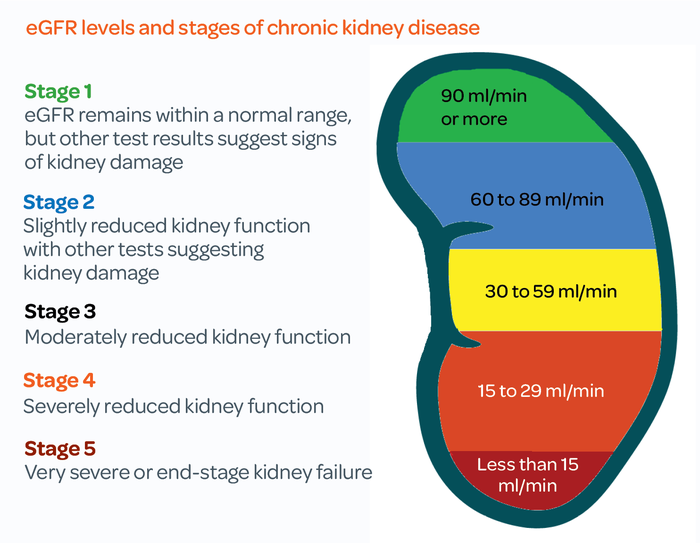
Chronic Kidney Disease is categorized into five stages based on Glomerular Filtration Rate (GFR), a measure of how well the kidneys are filtering waste from the blood. Stage 3 CKD is defined by a GFR between 30 and 59 mL/min. This signifies moderate to severe loss of kidney function, meaning the kidneys are no longer efficiently removing waste products, leading to a buildup of toxins in the body. While symptoms may be subtle or absent in early Stage 3, it’s a critical period where lifestyle changes and medical interventions can significantly slow progression to more advanced and costly stages.
The Clinical Picture: A Brief Medical Overview
In Stage 3 CKD, common symptoms can include fatigue, swelling in hands and feet, changes in urination, bone pain, and difficulty sleeping. Patients are at increased risk for complications such as anemia, bone disease, high blood pressure, and cardiovascular disease. Diagnosis typically involves blood tests (creatinine, GFR calculation), urine tests (proteinuria), and sometimes imaging. The goal of medical management is to control underlying conditions like diabetes and hypertension, manage symptoms, and prevent further kidney damage. This requires regular consultations with nephrologists and primary care physicians, medication adherence, and often significant dietary and lifestyle adjustments.
The Silent Financial Burden: Initial Costs and Hidden Expenses
The journey into Stage 3 CKD often begins with a series of diagnostic tests. Blood work, urinalysis, and potentially imaging like ultrasounds or CT scans, while routine, accumulate costs. For individuals with high deductibles or limited insurance coverage, these initial expenses can be substantial. Beyond direct medical bills, there are numerous hidden costs. Transportation to and from doctor’s appointments, specialist consultations, and pharmacy visits can add up, particularly for those in rural areas or with mobility challenges.
Moreover, the lifestyle changes recommended for Stage 3 CKD can have a significant financial footprint. Dietary modifications often involve purchasing fresh, specialized ingredients (e.g., low-sodium, low-potassium foods) which can be more expensive than conventional options. For some, joining support groups or accessing nutritional counseling, while beneficial, also incurs costs. Even the simple act of taking time off work for appointments can lead to lost wages, creating an immediate, albeit often unquantified, financial strain. These seemingly minor expenditures, when compounded, represent the quiet beginnings of the financial burden associated with managing Stage 3 renal failure.
Navigating the Financial Labyrinth: Insurance and Healthcare Costs
For individuals diagnosed with Stage 3 CKD, health insurance becomes an indispensable partner in managing care. However, the complexities of coverage, co-pays, deductibles, and out-of-pocket maximums can transform what should be a straightforward process into a daunting financial challenge. Understanding your policy is paramount to mitigating the escalating costs of chronic disease management.
Decoding Health Insurance for Chronic Kidney Disease (CKD)
Most private health insurance plans, Medicare, and Medicaid offer coverage for CKD diagnosis and treatment. However, the extent of coverage varies significantly. Private plans often come with high deductibles that must be met before comprehensive coverage kicks in, leaving patients responsible for a substantial portion of initial specialist visits, tests, and medications. Co-pays for specialist visits (nephrologists, dietitians) are typically higher than for general practitioners. It’s crucial to understand your out-of-pocket maximum – the most you will have to pay for covered services in a plan year – as chronic conditions can quickly lead you to hit this ceiling.
Medicare, specifically Parts A and B, covers many services for individuals over 65 or those with certain disabilities. For CKD patients, Medicare can be a lifeline, covering doctor’s visits, lab tests, and prescription drugs (through Part D). However, gaps in coverage, such as co-insurance and deductibles, still exist, often leading patients to consider supplemental plans (Medigap) or Medicare Advantage plans to cover these out-of-pocket costs. Medicaid offers comprehensive coverage for low-income individuals and families, often with minimal to no out-of-pocket expenses, but eligibility requirements can be strict. Regardless of the type of insurance, it’s essential to review the policy details regarding coverage for chronic conditions, specialist referrals, and prescription drug formularies to anticipate costs effectively.
The Escalating Costs of Progressive Care
While Stage 3 CKD is not yet end-stage renal disease (ESRD), managing it is a long-term commitment that incurs escalating costs over time. Regular nephrologist visits, often quarterly or semi-annually, are mandatory for monitoring kidney function, managing blood pressure, and addressing complications. Prescriptions for blood pressure medications, diuretics, anemia treatments (e.g., erythropoiesis-stimulating agents), and phosphate binders can be numerous and costly, even with insurance. Many CKD patients also require medications for co-existing conditions like diabetes or heart disease, further inflating prescription drug expenses.
Beyond medication, ongoing lab tests and diagnostic imaging are necessary to track disease progression and assess treatment effectiveness. Should Stage 3 progress to Stage 4 or 5, the financial burden intensifies dramatically. The prospect of dialysis (hemodialysis or peritoneal dialysis) or kidney transplantation, while potentially years away, looms as an enormous financial consideration. Dialysis treatments alone can cost tens of thousands of dollars annually, and a kidney transplant, including surgery, donor workup, and lifelong immunosuppressants, represents an even greater financial undertaking. Financial planning for Stage 3 CKD must therefore account for the potential for these future, higher-cost interventions.
Ancillary Costs: Beyond Medical Bills
The financial impact of Stage 3 CKD extends far beyond direct medical bills and prescription drug costs. Ancillary expenses, often overlooked in initial financial planning, can significantly strain household budgets. One major category is transportation. Frequent appointments with specialists, labs, and pharmacies can accrue substantial costs, especially for those living in areas with limited public transport or requiring specialized medical transport. Fuel costs, parking fees, or taxi/ride-share expenses quickly add up.
Dietary changes, while crucial for managing CKD, can also increase grocery bills. Low-sodium, low-potassium, or low-phosphate foods, often require special shopping and can be more expensive than standard alternatives. Consulting with a registered dietitian specializing in kidney health can be an additional out-of-pocket expense, though often covered by insurance. Over-the-counter supplements or specialized nutritional products recommended to manage deficiencies (e.g., Vitamin D, iron) also contribute to recurring costs. Furthermore, the time commitment for appointments and managing the condition can lead to lost wages for the patient and potentially for family caregivers who may need to take time off work, representing a significant opportunity cost. These non-medical expenses can silently erode savings and financial stability, underscoring the need for holistic financial planning.
Proactive Financial Strategies for CKD Management
Effectively managing Stage 3 Renal Failure necessitates not only diligent medical care but also astute financial planning. Proactive strategies can help individuals and families cushion the economic blows, ensuring that financial stress does not exacerbate the health challenges.
Building a Robust Financial Safety Net
A strong financial safety net is paramount for anyone facing a chronic illness. An emergency fund, ideally covering 6-12 months of living expenses, provides a critical buffer against unexpected medical costs, lost income, or changes in employment due to health. Health Savings Accounts (HSAs) and Flexible Spending Accounts (FSAs) are powerful tools to consider. HSAs, available with high-deductible health plans, allow for tax-deductible contributions, tax-free growth, and tax-free withdrawals for qualified medical expenses. FSAs, often employer-sponsored, allow pre-tax contributions to cover medical costs within a plan year. Both can significantly reduce the out-of-pocket burden of CKD.

For those employed, evaluating long-term disability insurance is crucial. If CKD progresses or complications arise that prevent working, this insurance can provide a percentage of income, safeguarding financial stability. Similarly, reviewing existing life insurance policies and considering critical illness riders might be prudent to ensure loved ones are protected. These measures, while requiring upfront planning and investment, offer invaluable peace of mind and protection against the unpredictable financial trajectories of chronic disease.
Seeking Financial Assistance and Support Programs
Many resources exist to alleviate the financial strain of Stage 3 CKD. Government programs, such as Medicaid, State Health Insurance Assistance Programs (SHIP), and the Affordable Care Act (ACA) marketplace subsidies, can provide crucial financial aid for healthcare costs. Social workers at hospitals and clinics are excellent resources for navigating these complex systems and identifying eligibility.
Pharmaceutical companies often offer patient assistance programs (PAPs) to help cover the cost of expensive brand-name medications. These programs can significantly reduce or eliminate prescription drug expenses for eligible patients. Non-profit organizations specializing in kidney disease, such as the National Kidney Foundation, frequently offer resources, educational materials, and sometimes direct financial assistance or grants for specific needs like transportation or prescription co-pays. Websites like NeedyMeds.org compile databases of patient assistance programs and other financial resources. Proactively researching and applying for these programs can unlock substantial financial relief.
Budgeting and Expense Tracking for Kidney Health
Effective budgeting and meticulous expense tracking are fundamental for managing the finances of Stage 3 CKD. Create a detailed budget that accounts for all income and expenditures, including regular medical bills, prescription co-pays, specialized dietary needs, and transportation costs. Categorize medical expenses to understand where the majority of funds are allocated. This allows for identifying areas where costs might be reduced or where assistance could be sought.
Consider using budgeting apps or spreadsheets to simplify tracking. Keep all medical receipts, explanations of benefits (EOBs), and records of out-of-pocket expenses. This not only aids in budgeting but is also essential for tax purposes, as certain medical expenses exceeding a percentage of adjusted gross income may be deductible. Furthermore, regularly review your insurance statements to ensure accurate billing and identify any discrepancies. A clear financial picture empowers patients and caregivers to make informed decisions, negotiate bills where appropriate, and plan strategically for future healthcare needs.
The Broader Economic Impact: Individual, Family, and Systemic
The financial repercussions of Stage 3 Renal Failure extend beyond direct medical costs, permeating the individual’s earning potential, family dynamics, and even the wider healthcare system. Understanding these broader impacts is crucial for a holistic appreciation of the disease’s true burden.
Impact on Earning Potential and Career Trajectory
Living with Stage 3 CKD can significantly affect an individual’s earning potential. Symptoms like chronic fatigue, weakness, and brain fog can reduce productivity and concentration, potentially impacting job performance. Frequent medical appointments might necessitate reduced work hours or require taking significant time off, leading to lost wages. For some, the physical demands of their job may become untenable, forcing a career change or early retirement, which can dramatically reduce lifetime earnings and retirement savings. The psychological stress of managing a chronic condition can also contribute to decreased work engagement, creating a cyclical challenge where health issues lead to financial strain, which in turn exacerbates health.
Family Financial Strain and Caregiver Costs
When an individual is diagnosed with Stage 3 CKD, the financial burden invariably extends to the entire family. Spouses or other family members often take on caregiving roles, which can include managing appointments, medications, dietary needs, and providing emotional support. This caregiving can be time-intensive, potentially forcing caregivers to reduce their own work hours, take unpaid leave, or even leave their jobs entirely, resulting in lost income for the household.
Furthermore, families might face increased household expenses. They may need to adjust their lifestyle to accommodate the patient’s needs, such as modifying diets for everyone or investing in accessibility aids. The emotional toll on caregivers is immense, and while not directly a financial cost, it can indirectly lead to burnout, impacting their own health and earning capacity. The collective financial strain on the family unit can lead to stress, debt accumulation, and a reduction in overall quality of life.
The Macroeconomic Perspective: Healthcare System Strain
From a broader societal viewpoint, the rising prevalence of chronic conditions like CKD places immense strain on healthcare systems and national economies. Stage 3 CKD, while not the most expensive stage, contributes to a continuum of care that, if poorly managed, progresses to incredibly costly interventions like dialysis and transplantation. Early and effective management of Stage 3 CKD can prevent or delay progression, thereby mitigating future expenditures.
Governments and public health organizations invest significantly in research, public awareness campaigns, and direct care for kidney disease. These costs are ultimately borne by taxpayers and contribute to rising healthcare premiums and national healthcare budgets. The economic burden includes not only direct medical expenditures but also indirect costs related to lost productivity, disability benefits, and premature mortality. A robust public health strategy focused on prevention and early intervention for CKD is not just a medical imperative but also an economic necessity.
Investing in Your Health: The Ultimate Financial Strategy
Ultimately, while the financial challenges of Stage 3 Renal Failure are significant, viewing health management as a strategic financial investment offers a powerful paradigm. Proactive steps to manage the condition are not just about extending life, but about protecting financial well-being and long-term stability.
Early Detection and Adherence: Financial Savings in Prevention
The single most impactful financial strategy for Stage 3 CKD is strict adherence to medical advice and proactive management. Early detection allows for interventions that can slow or halt the progression of kidney disease. Managing underlying conditions like diabetes and hypertension aggressively, following dietary recommendations, and taking prescribed medications diligently can prevent the kidney damage from worsening to Stage 4 or 5, where costs skyrocket. Every year that dialysis or transplantation is delayed translates into tens, if not hundreds, of thousands of dollars saved in medical expenses. Investing time and effort in self-management and regular medical check-ups in Stage 3 is a direct financial investment in avoiding future catastrophic costs.

Holistic Health as a Financial Asset
Beyond specific kidney treatments, adopting a holistic approach to health is a significant financial asset. This includes maintaining a healthy weight, exercising regularly, avoiding smoking, limiting alcohol, and managing stress. These lifestyle choices not only benefit kidney health but also reduce the risk of other costly chronic conditions like heart disease, stroke, and certain cancers. Preventative care, even if it requires an initial investment in healthier foods or gym memberships, is often far less expensive than treating acute illnesses or managing multiple chronic conditions simultaneously. When viewed through a financial lens, prioritizing overall well-being in Stage 3 CKD is an investment that yields substantial returns in terms of lower medical bills, reduced need for interventions, and a higher quality of life.
In conclusion, understanding “what is Stage 3 Renal Failure” from a financial perspective is crucial for anyone navigating this challenging diagnosis. It underscores the profound economic implications that intertwine with medical care, from initial diagnostic costs to the potential for catastrophic expenses in later stages. By proactively engaging with insurance providers, leveraging financial assistance programs, meticulous budgeting, and, most importantly, making diligent health management an utmost priority, individuals can build resilience against the financial storms of chronic illness. Investing in health in Stage 3 CKD is not merely about preserving kidney function; it is about securing financial stability and ensuring a more stable, higher quality of life for the patient and their family.
aViewFromTheCave is a participant in the Amazon Services LLC Associates Program, an affiliate advertising program designed to provide a means for sites to earn advertising fees by advertising and linking to Amazon.com. Amazon, the Amazon logo, AmazonSupply, and the AmazonSupply logo are trademarks of Amazon.com, Inc. or its affiliates. As an Amazon Associate we earn affiliate commissions from qualifying purchases.