
The Earth’s atmosphere, a vast ocean of gas above us, exerts a continuous force on everything within it. This force, known as atmospheric pressure, is a fundamental meteorological variable with profound implications for weather, aviation, climate science, and numerous industrial processes. To accurately understand and predict changes in our environment, measuring this pressure is not merely useful but essential. The instrument specifically designed for this critical task is the barometer, a device that has evolved significantly from its rudimentary origins to sophisticated digital sensors integrated into our modern technological landscape.
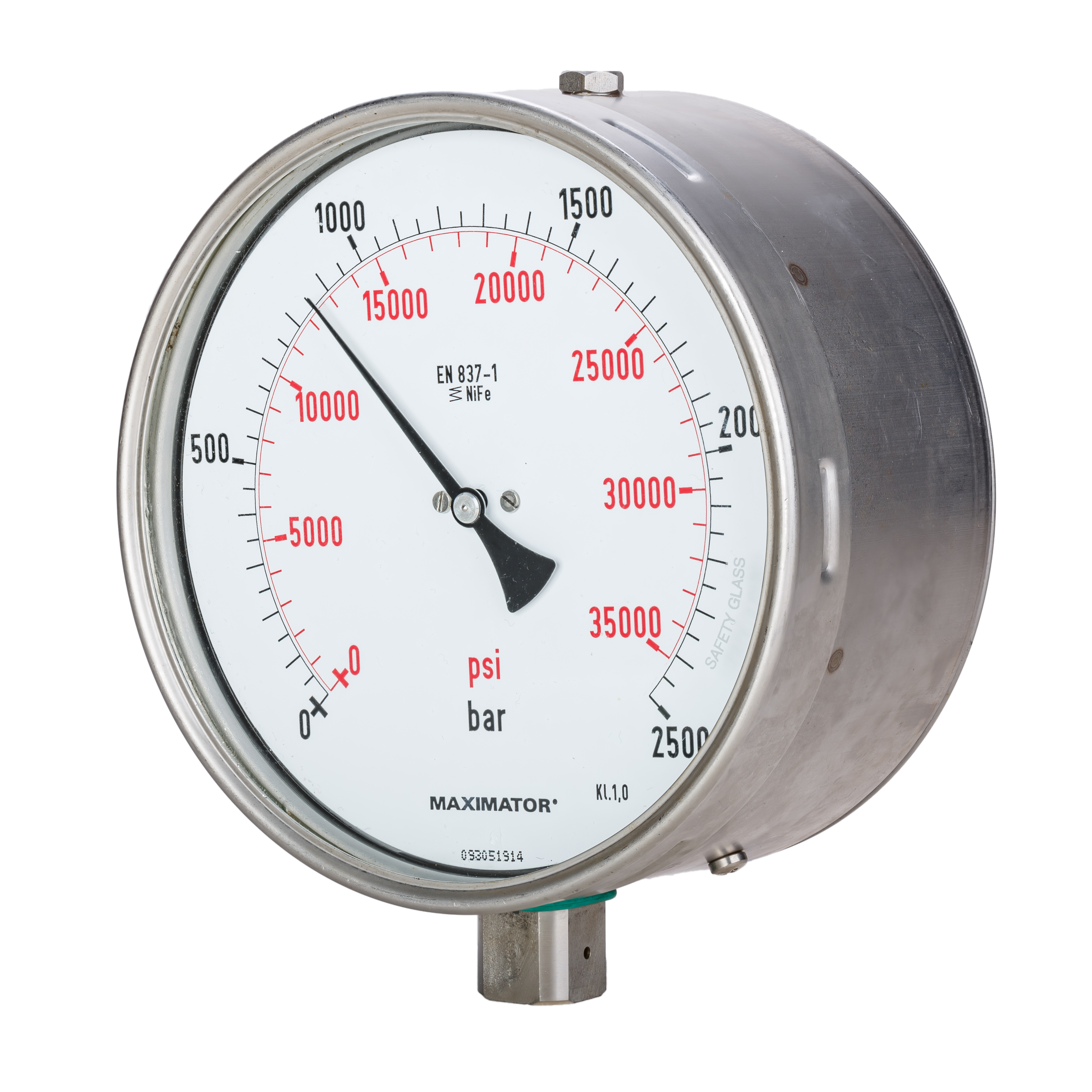
This article delves into the fascinating world of barometers, tracing their historical development, examining the core technologies behind their operation, and exploring their contemporary applications and future trajectory within the realm of technology.
The Fundamental Role of Atmospheric Pressure Measurement
Understanding atmospheric pressure begins with defining what it is and appreciating why its accurate measurement is so crucial across various domains. From predicting the next storm to ensuring aircraft safety, the insights derived from barometric data are indispensable.
Defining Atmospheric Pressure: What It Is and Why It Matters
Atmospheric pressure is essentially the weight of the air column above a given point. Although air feels weightless to us, the sheer volume of gas in the atmosphere creates a substantial force, typically measured in units like hectopascals (hPa), millibars (mb), or inches of mercury (inHg). This pressure isn’t static; it constantly fluctuates due to changes in air temperature, density, and movement.
These fluctuations are directly linked to weather patterns. High-pressure systems are generally associated with clear skies and stable weather, as the heavy, descending air suppresses cloud formation. Conversely, low-pressure systems often bring cloudy conditions, precipitation, and storms, as lighter, rising air cools and condenses moisture. Beyond weather forecasting, accurate pressure measurements are vital for:
-
Aviation: Altimeters in aircraft use pressure readings to determine altitude, a critical safety parameter.
-
Mountaineering and Diving: Understanding pressure changes is crucial for safety and decompression calculations.
-
Industrial Processes: Many manufacturing and chemical processes require precise pressure control.
-
Scientific Research: Climate models, atmospheric studies, and environmental monitoring rely heavily on accurate barometric data.
Historical Significance: Early Attempts and the Dawn of Scientific Measurement
For centuries, humanity observed weather patterns without a clear understanding of the underlying physics. It wasn’t until the 17th century that the concept of atmospheric pressure began to solidify, paving the way for its quantification. Prior to this, phenomena like siphons and water pumps were explained by the “horror vacui” (nature abhors a vacuum), an idea that suggested a vacuum would actively pull substances into it.
The breakthrough moment arrived with the work of Italian physicist Evangelista Torricelli, a student of Galileo Galilei. In 1643, Torricelli conducted a groundbreaking experiment. He filled a glass tube, closed at one end, with mercury and inverted it into a basin of mercury. Rather than all the mercury flowing out, a column remained suspended, creating a vacuum (the Torricellian vacuum) above it. Torricelli correctly hypothesized that the height of the mercury column was sustained by the pressure of the air acting on the surface of the mercury in the basin. This ingenious experiment not only disproved the “horror vacui” but also laid the foundation for the first true instrument to measure atmospheric pressure: the mercury barometer.
Introducing the Barometer: A Legacy of Innovation
From Torricelli’s glass tube to highly sensitive mechanical devices, the barometer has seen remarkable innovations, each addressing previous limitations and expanding its utility.
Torricelli’s Genius: The Mercury Barometer
The mercury barometer, also known as the Fortin barometer, is a primary standard for pressure measurement. It operates on Torricelli’s principle: the height of a mercury column in a sealed glass tube varies directly with the atmospheric pressure. When external atmospheric pressure increases, it pushes down harder on the mercury in the reservoir, forcing more mercury up the tube. Conversely, when pressure drops, the column falls.
Advantages:
-
High Accuracy: Mercury barometers, when properly calibrated, offer exceptional precision.
-
Reliability: Their mechanical simplicity makes them robust and long-lasting.
-
Direct Measurement: They provide a direct, visible indication of pressure without complex electronics.
Limitations:
-
Fragility: Glass tubes are prone to breakage.
-
Toxicity: Mercury is a hazardous substance, requiring careful handling and disposal.
-
Temperature Sensitivity: Mercury’s density changes with temperature, necessitating temperature compensation.
-
Portability: Their size and fragility make them impractical for portable use.
Despite its limitations, the mercury barometer remained the gold standard for meteorological observations for centuries, shaping our fundamental understanding of atmospheric dynamics.
The Advent of the Aneroid Barometer
The limitations of mercury barometers spurred innovation, leading to the development of the aneroid barometer in the mid-19th century by Lucien Vidi. “Aneroid” means “without liquid,” highlighting its key distinction. This device operates entirely mechanically, using a sealed metal chamber (often made of beryllium copper or a similar alloy) from which most of the air has been removed, creating a partial vacuum.
As atmospheric pressure changes, the flexible walls of this evacuated chamber expand or contract. These minuscule movements are amplified by a system of levers, springs, and gears, which then move a pointer across a calibrated dial.
Advantages:
-
Portability: Compact and robust, ideal for field use and personal weather stations.
-
Safety: No hazardous materials like mercury.
-
Cost-Effectiveness: Generally less expensive to manufacture than mercury barometers.
-
Versatility: Can be integrated into altimeters and barographs (which continuously record pressure changes).
Limitations:
-
Lower Accuracy (initially): Early aneroid barometers were less precise than mercury barometers, though modern versions have significantly improved.
-
Hysteresis and Creep: The metal diaphragm can exhibit some memory effects or gradual changes over time.
-
Calibration: Requires regular calibration to maintain accuracy.
The aneroid barometer democratized pressure measurement, making it accessible for personal use, marine navigation, and early aviation, significantly contributing to public awareness of meteorology.
Barometers in Everyday Life
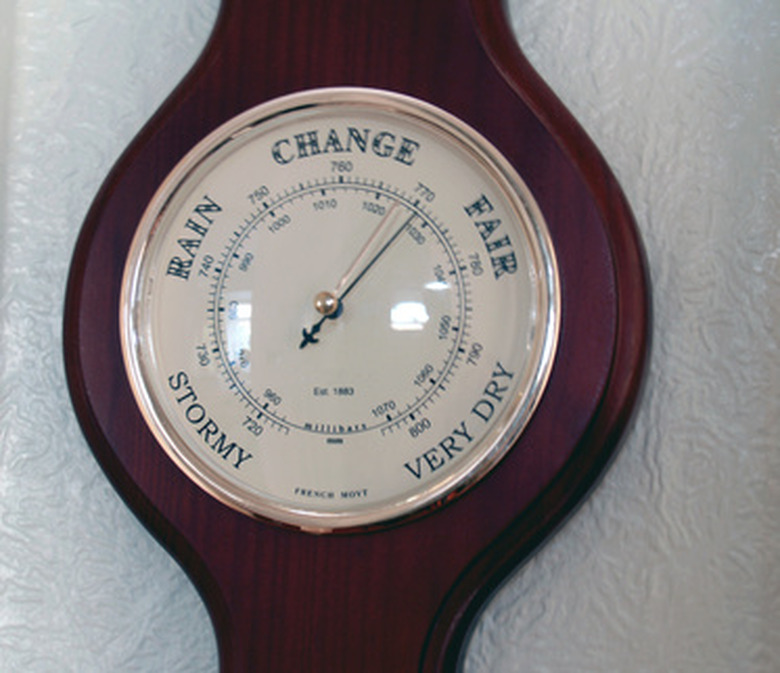
Beyond scientific laboratories, barometers have permeated various aspects of daily life, often in forms we might not immediately recognize. The altimeter in an aircraft is essentially a specialized aneroid barometer, calibrated to show altitude rather than absolute pressure. Divers use pressure gauges that indirectly measure depth based on water pressure, which also relates to atmospheric pressure at the surface. Many home weather stations, both analog and digital, incorporate aneroid or electronic barometric sensors to help predict local weather. Industrial controls use pressure transducers to monitor and regulate vacuum systems, fluid flow, and gas storage, all fundamentally relying on the same principles of pressure measurement.
Modern Barometry: Precision in the Digital Age
The advent of electronics and micro-electromechanical systems (MEMS) has revolutionized pressure measurement, ushering in an era of unprecedented precision, miniaturization, and data integration.
Electronic Barometers and Pressure Sensors
Modern electronic barometers utilize pressure sensors that convert pressure variations into electrical signals. These sensors often employ piezoresistive or capacitive elements.
-
Piezoresistive Sensors: These sensors use a diaphragm (often silicon) that deforms under pressure. Integrated strain gauges embedded in the diaphragm change their electrical resistance as they stretch or compress. This change in resistance is then converted into a voltage signal proportional to the pressure.
-
Capacitive Sensors: In these sensors, pressure causes a flexible diaphragm to move closer to a fixed electrode, changing the capacitance between them. This change in capacitance is measured and translated into a pressure reading.
MEMS Technology: Many modern pressure sensors are manufactured using MEMS technology. These are microscopic devices fabricated on silicon wafers, allowing for extreme miniaturization, high precision, and cost-effective mass production. MEMS barometers are tiny, robust, and consume very little power, making them ideal for integration into portable devices.
Advantages of Electronic Barometers:
-
High Accuracy and Resolution: Capable of detecting very small pressure changes.
-
Fast Response Time: Can provide real-time pressure data.
-
Digital Output: Easily integrated with microcontrollers, computers, and digital data logging systems.
-
Miniaturization: Essential for integration into smartphones, wearables, and IoT devices.
-
Temperature Compensation: Electronic circuitry can effectively compensate for temperature effects, improving accuracy.
Smart Devices and Environmental Monitoring
The widespread adoption of MEMS barometers has transformed consumer electronics and environmental monitoring.
-
Smartphones and Wearables: Many modern smartphones, smartwatches, and fitness trackers include barometric sensors. These are primarily used for more accurate altitude determination (e.g., counting floors climbed), improving GPS accuracy, and providing localized weather information.
-
Weather Stations: Digital home weather stations utilize electronic barometers for precise local pressure readings and trend analysis, often wirelessly transmitting data to a central console or cloud services.
-
Internet of Things (IoT): Barometric sensors are key components in smart city initiatives, agricultural monitoring, and industrial IoT applications, providing crucial environmental data for automated systems and predictive analytics. For instance, in smart buildings, pressure sensors can monitor ventilation systems for optimal energy efficiency and air quality.
Calibration and Accuracy in Digital Systems
While electronic barometers offer superior performance, maintaining their accuracy is paramount.
-
Calibration: Sensors require calibration against known pressure standards to ensure their readings are reliable. This is typically done during manufacturing and periodically throughout the sensor’s lifespan.
-
Sensor Drift: All sensors can experience some degree of “drift” over time, where their readings gradually deviate from true values. High-quality sensors are designed to minimize this, but it’s a factor in long-term deployments.
-
Environmental Factors: While electronic compensation helps, extreme temperatures, humidity, and electromagnetic interference can still affect sensor performance. Proper shielding and environmental control are crucial for critical applications.
-
Data Processing: The raw electrical signal from a pressure sensor often undergoes significant digital processing, filtering, and averaging to produce a stable and accurate pressure reading. This software component is as critical as the hardware itself.
Beyond Measurement: Data Application and Future Trends
The evolution of barometric technology isn’t just about better instruments; it’s about harnessing the data they produce for more profound insights and advanced applications.
Predictive Analytics and Machine Learning
The continuous stream of high-resolution barometric data, especially when combined with other meteorological parameters (temperature, humidity, wind speed), offers immense potential for predictive analytics. Machine learning algorithms can analyze vast datasets of historical and real-time pressure changes to develop more sophisticated and localized weather models. This can lead to:
-
Hyperlocal Forecasting: More accurate weather predictions for very specific geographical areas, crucial for agriculture, logistics, and disaster preparedness.
-
Event Prediction: Improved forecasting of severe weather events like thunderstorms, hurricanes, and tornadoes by identifying subtle pressure signatures.
-
Energy Management: Predicting weather-related energy demand fluctuations based on pressure and temperature changes.
Role in Climate Science and Research
Long-term, accurate barometric data is indispensable for climate scientists. By monitoring pressure trends over decades, researchers can:
-
Identify Climate Shifts: Detect subtle changes in global atmospheric circulation patterns that may indicate long-term climate change.
-
Validate Climate Models: Use real-world pressure data to refine and validate complex computational climate models, making them more robust and reliable.
-
Understand Atmospheric Phenomena: Study phenomena like atmospheric tides, El Niño, and the North Atlantic Oscillation, where pressure variations play a significant role.
The Future of Atmospheric Pressure Sensing
The trajectory of barometric technology points towards even greater integration, intelligence, and accessibility.
-
Miniaturization and Ubiquitous Sensing: Barometric sensors will become even smaller, cheaper, and more energy-efficient, enabling their integration into an even wider array of devices, from smart fabrics to disposable medical sensors. This ubiquitous sensing will create a denser network of environmental data.
-
Novel Materials: Research into new materials, such as graphene and other 2D materials, could lead to ultra-sensitive, flexible, and extremely durable pressure sensors with even lower power consumption.
-
Self-Calibrating and Self-Healing Sensors: Future sensors might incorporate AI-driven diagnostics for self-calibration and even rudimentary self-repair capabilities, reducing maintenance needs and improving long-term reliability.
-
Edge Computing and AI Integration: Sensors will likely become “smarter,” processing data closer to the source (edge computing) and using integrated AI to filter noise, detect anomalies, and even make preliminary predictions before transmitting data.
Selecting the Right Barometer for Your Needs
Given the diverse range of barometers and their applications, choosing the right instrument depends heavily on specific requirements and intended use.
Factors to Consider
-
Accuracy and Precision: For scientific or critical applications, high accuracy and minimal drift are paramount. For general home use, a reasonable degree of accuracy suffices.
-
Range: Ensure the barometer can measure within the expected pressure range for your application (e.g., standard atmospheric pressure vs. vacuum measurements).
-
Environment: Consider the operating environment—temperature extremes, humidity, vibrations, or corrosive elements might require ruggedized or specially designed sensors.
-
Budget: Costs vary widely from inexpensive consumer-grade sensors to highly specialized laboratory instruments.
-
Data Logging and Connectivity: For continuous monitoring or integration into larger systems, look for devices with data logging capabilities, digital outputs (e.g., I2C, SPI), or wireless connectivity (Wi-Fi, Bluetooth).
Types for Different Applications
-
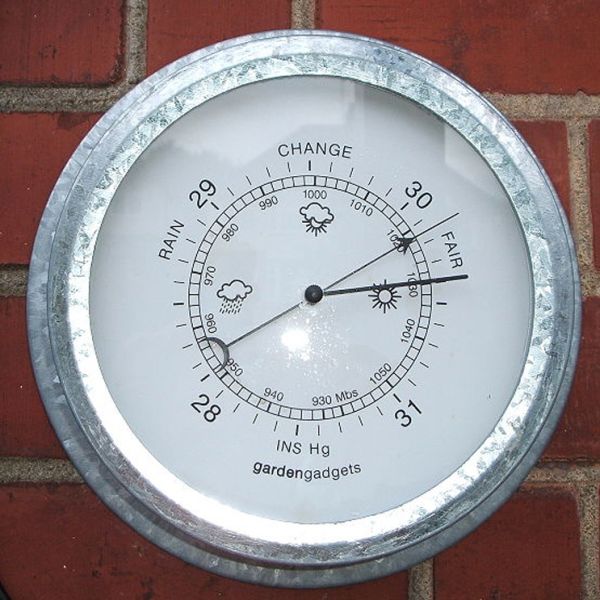
Home Use: Digital or analog aneroid barometers integrated into home weather stations provide a good balance of cost and utility for personal weather observation.
-
Professional Meteorology: High-precision electronic barometers, often with redundant sensors and robust environmental protection, are used in weather stations, airports, and research facilities.
-
Aviation: Specialized altimeters, often backed by multiple pressure sensors and sophisticated avionics, are crucial for flight safety.
-
Industrial Controls: Pressure transducers designed for specific pressure ranges, fluid types, and industrial environments are used in process automation, HVAC systems, and manufacturing.
-
Outdoor Enthusiasts: Portable digital barometers, often integrated into multi-function devices, provide altitude and basic weather trend information for hiking, climbing, and boating.
In conclusion, the journey of the barometer, from Torricelli’s simple mercury column to advanced MEMS sensors in our smartphones, exemplifies humanity’s persistent drive to understand and harness the forces of nature. As technology continues to advance, the instruments that measure air pressure will undoubtedly become even more sophisticated, integrated, and intelligent, playing an ever more critical role in shaping our understanding of the world and our interaction with it. The unassuming barometer, therefore, stands as a testament to scientific ingenuity and a pivotal technology in our continuous quest for knowledge and control over our environment.
aViewFromTheCave is a participant in the Amazon Services LLC Associates Program, an affiliate advertising program designed to provide a means for sites to earn advertising fees by advertising and linking to Amazon.com. Amazon, the Amazon logo, AmazonSupply, and the AmazonSupply logo are trademarks of Amazon.com, Inc. or its affiliates. As an Amazon Associate we earn affiliate commissions from qualifying purchases.