
The question “when was the last stock market crash?” is one that often arises during periods of market volatility or economic uncertainty. It’s a query driven by both historical curiosity and a prudent desire to understand the rhythms of financial markets. While specific dates and definitions can vary, understanding past market downturns is crucial for investors, shaping their strategies and psychological preparedness for future inevitable fluctuations. This article will delve into what constitutes a market crash, examine recent significant downturns, explore their causes and aftermath, and provide actionable insights for investors navigating these challenging periods.
Defining a Stock Market Crash Versus a Correction
Before pinpointing the “last” stock market crash, it’s essential to distinguish between a crash and a market correction. While both involve significant declines in asset values, their scale and implications differ.
What Constitutes a Crash?
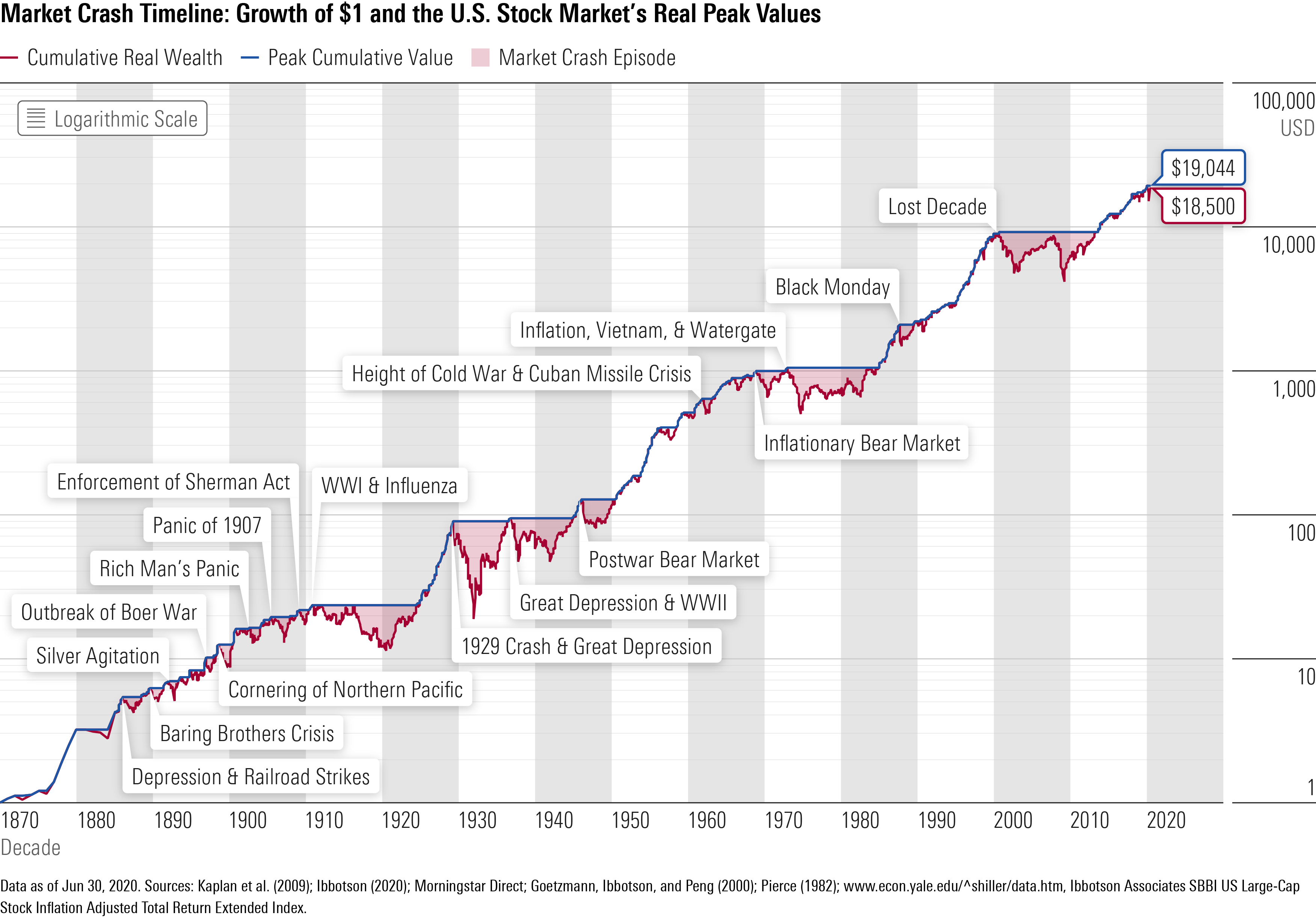
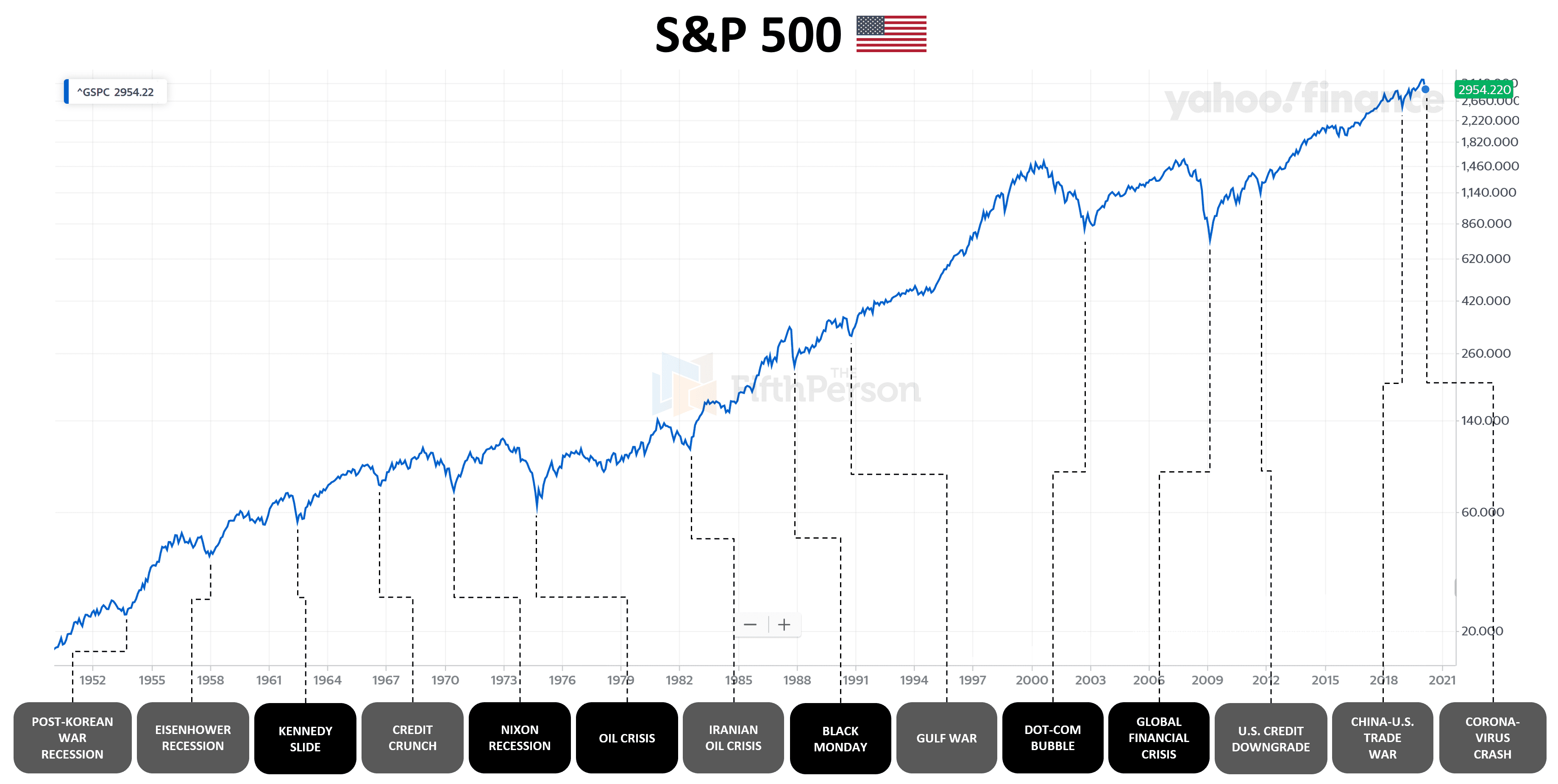
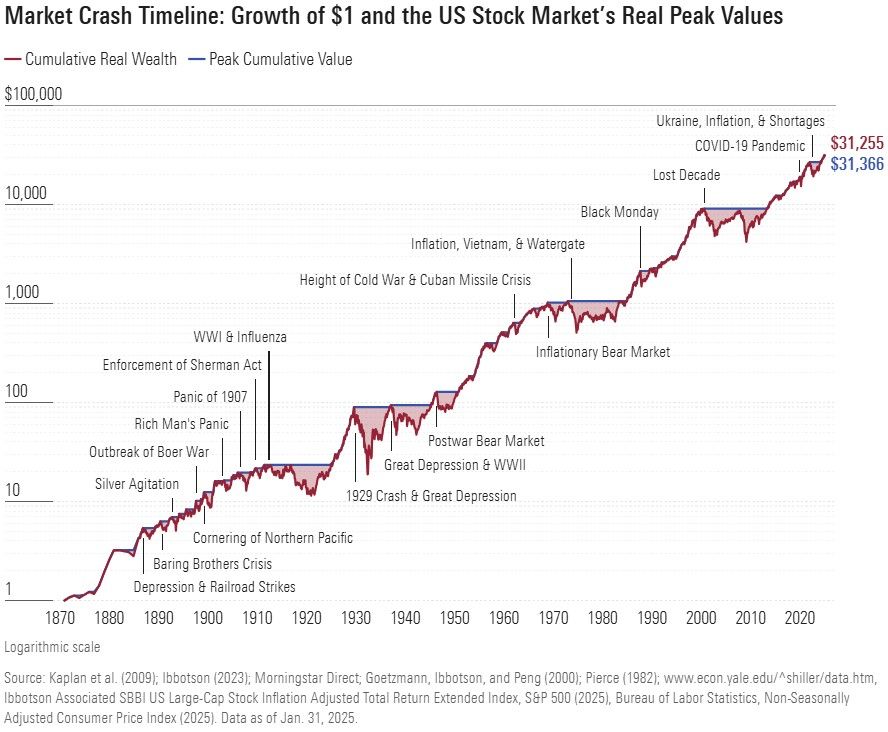
A stock market crash is generally characterized by a sudden, steep, and often unexpected drop in stock prices across a major market index, such as the S&P 500 or Dow Jones Industrial Average. There’s no universally agreed-upon percentage, but many financial professionals consider a decline of 20% or more from a recent peak to signify a bear market, which can often coincide with or follow a crash. Crashes are typically triggered by widespread panic, a major economic crisis, a geopolitical event, or a bubble bursting. They are often accompanied by high trading volumes, extreme volatility, and a significant loss of investor confidence that can take months or even years to fully recover. The psychological impact of a crash is often profound, leading to fear-driven selling that can exacerbate the decline. Historical examples include Black Monday in 1987, the dot-com bubble burst, and the 2008 financial crisis.
The Nuance of a Market Correction
In contrast, a market correction is a less severe, yet still notable, decline in stock prices, typically defined as a drop of 10% to 20% from a recent peak. Corrections are a much more common feature of healthy market cycles, often occurring one or more times per year. They can be triggered by a variety of factors, including profit-taking after a strong bull run, minor economic slowdowns, or shifts in investor sentiment. While corrections can feel alarming, they are generally seen as a healthy mechanism that prevents markets from overheating and allows for price discovery. They are usually shorter in duration than crashes, often lasting weeks or a few months, and markets tend to recover relatively quickly. Understanding this distinction is vital for investors to avoid overreacting to normal market fluctuations.
A Historical Look at Major Market Downturns (and the ‘Last’ Significant One)
The history of financial markets is replete with periods of both euphoric growth and painful decline. While market corrections are frequent, true “crashes” that reshape economic landscapes are rarer but more impactful.
The Dot-Com Bubble Burst (2000-2002)
The late 1990s saw an unprecedented boom in internet-related companies, many of which had speculative business models and no profits. This “dot-com bubble” led to astronomical valuations for tech stocks. The bubble began to deflate in early 2000, with the tech-heavy NASDAQ composite index peaking in March 2000 before plummeting by nearly 78% over the next two and a half years. While not a sudden one-day crash, the prolonged decline severely impacted countless investors and led to the collapse of many internet startups. The effects were felt in the broader market, though less acutely than in the tech sector.
The Great Financial Crisis (2008)
For many, the Great Financial Crisis (GFC) of 2008 remains the benchmark for a modern-era stock market crash. Triggered by a collapse in the U.S. housing market and widespread subprime mortgage defaults, the crisis quickly spread throughout the global financial system. Major financial institutions either failed or required massive government bailouts. The S&P 500 lost approximately 57% from its peak in October 2007 to its trough in March 2009. This period was characterized by frozen credit markets, massive job losses, and a deep recession that sent shockwaves across the globe. The GFC highlighted systemic risks and led to significant regulatory reforms.
The COVID-19 Market Plunge (2020)
The most recent significant market downturn, and arguably the “last stock market crash” by many contemporary definitions, occurred in early 2020. The emergence and rapid global spread of the COVID-19 pandemic led to unprecedented lockdowns, business closures, and a severe disruption of global supply chains. The uncertainty and fear surrounding the virus’s impact on public health and the economy triggered a ferocious sell-off across global markets. The S&P 500 plunged by approximately 34% in just 33 days, marking the fastest bear market in history. This steep, sudden drop certainly qualified as a crash. However, what made it unique was the equally rapid recovery, largely driven by massive fiscal and monetary stimulus packages from governments and central banks worldwide. The market bottomed in late March 2020 and saw a significant rebound over the subsequent months, illustrating an extraordinary resilience, albeit one supported by unprecedented intervention.
Other Notable Market Shocks
While the 2020 event is the most recent “crash,” other significant downturns or near-crashes have occurred, often blurring the lines with deep corrections. For example, the “Flash Crash” of 2010 saw the Dow Jones Industrial Average drop by nearly 1,000 points in minutes before largely recovering. There have also been several corrections exceeding 10% since 2020, but none have met the sustained depth or systemic fear associated with a full-blown crash until the 2020 event.
Understanding the Triggers and Aftermath of Crashes
Stock market crashes are rarely isolated incidents; they are often the culmination of various economic, psychological, and sometimes unforeseen factors.
Common Catalysts for Market Collapses
Crashes are typically ignited by one or more of these powerful forces:
-
Economic Bubbles Bursting: Overvalued assets in specific sectors (e.g., tech in 2000, housing in 2008) reach unsustainable levels and inevitably correct.
-
Systemic Financial Risks: Interconnectedness within the financial system can lead to a domino effect when one major institution or sector fails, as seen in 2008.
-
Geopolitical Events & Wars: Major international conflicts, terrorist attacks, or political instability can introduce extreme uncertainty, causing investors to flee risk.
-
Pandemics & Public Health Crises: Unforeseen global health emergencies, like COVID-19, can disrupt economies, supply chains, and consumer behavior on a massive scale.
-
Monetary Policy Errors: Central banks tightening monetary policy too aggressively or failing to address inflationary pressures can trigger recessions and market downturns.
-
High Leverage & Debt: Excessive borrowing by individuals, corporations, or governments can amplify losses when asset values decline.
-
Loss of Confidence: Ultimately, a market crash is often exacerbated by a widespread loss of investor confidence, leading to panic selling and a self-fulfilling prophecy of decline.
The Economic and Psychological Fallout
The aftermath of a crash extends far beyond mere market numbers. Economically, crashes often lead to recessions, characterized by job losses, reduced consumer spending, business failures, and tightened credit conditions. Psychologically, investors can experience profound fear, anxiety, and regret, sometimes leading to irrational decisions like selling at the bottom. The long-term impact on retirement savings and financial planning can be significant, especially for those close to retirement. Trust in financial institutions and markets can also erode, taking time to rebuild.
The Path to Recovery
While devastating, history shows that markets always recover from crashes. The path to recovery involves several stages:
-
Stabilization: The initial panic subsides, and selling pressure eases.
-
Bounce: Often a sharp rebound as some investors see value in oversold assets.
-
Base Building: Markets trade sideways for a period as investors gauge economic data and corporate earnings.
-
New Bull Market: A sustained period of growth as economic conditions improve and investor confidence returns.
Government intervention (fiscal stimulus, quantitative easing) and central bank actions (interest rate cuts) often play a critical role in expediting recovery.
Preparing Your Portfolio for Inevitable Volatility
Understanding the history of crashes isn’t just an academic exercise; it’s a foundation for prudent financial planning. While the exact timing and nature of the “next” downturn are unknowable, preparedness is paramount.
Diversification: Your First Line of Defense
Diversification is the bedrock of risk management. Spreading your investments across various asset classes (stocks, bonds, real estate, commodities), different industries, geographic regions, and company sizes helps mitigate the impact of a downturn in any single area. When one part of your portfolio struggles, another might hold steady or even perform well, cushioning the blow. For example, bonds often act as a safe haven during stock market declines.
The Importance of a Long-Term Perspective
Panicking during a crash and selling off investments at the bottom is one of the most detrimental mistakes an investor can make. Market crashes, while painful, are historically temporary events within a long-term upward trend. Investors with a long-term horizon (many years or decades) have the advantage of time, allowing their portfolios to recover and compound returns over time. Viewing downturns as opportunities to buy quality assets at reduced prices, rather than as a signal for retreat, is a hallmark of successful long-term investing.
Cash Reserves and Emergency Funds
Maintaining adequate cash reserves is crucial. An emergency fund, typically covering 3-6 months of living expenses, prevents you from being forced to sell investments at a loss to meet short-term financial needs during a downturn. Beyond this, having some dry powder—additional cash not allocated to long-term investments—can provide psychological comfort and the flexibility to seize investment opportunities when asset prices are depressed.
Rebalancing and Risk Assessment
Regularly rebalancing your portfolio means adjusting your asset allocation back to your target percentages. For instance, if stocks have done exceptionally well, you might sell some to buy bonds, reducing risk. Conversely, after a crash, rebalancing might involve buying more stocks to take advantage of lower prices. Periodically reassessing your risk tolerance, especially as you approach major life stages like retirement, ensures your portfolio remains aligned with your financial goals and comfort level.
Investing Strategies During a Downturn
While fear often dominates during a crash, astute investors recognize that these periods can present significant opportunities.
Dollar-Cost Averaging
This strategy involves investing a fixed amount of money at regular intervals, regardless of market conditions. During a downturn, dollar-cost averaging means you buy more shares when prices are low and fewer shares when prices are high. This automatically lowers your average cost per share over time and removes the emotion of trying to time the market, which is notoriously difficult.
Identifying Opportunities Amidst Chaos
Market crashes often indiscriminately pull down both good and bad companies. For long-term investors, this can be an opportunity to acquire shares of fundamentally strong companies with solid balance sheets, competitive advantages, and robust business models at significantly discounted prices. Research and due diligence become even more critical during these times to distinguish between temporary setbacks for quality businesses and permanent damage to weaker ones.
Avoiding Panic Selling
The hardest, yet most important, strategy during a crash is to avoid panic selling. Emotional decisions driven by fear can lock in losses and prevent participation in the subsequent recovery. Stick to your investment plan, remember your long-term goals, and understand that market downturns are a normal, albeit uncomfortable, part of the investing cycle. For many, simply doing nothing and staying invested is the most effective approach.
Conclusion
While the question “when was the last stock market crash?” points to the COVID-19 induced plunge of 2020 as the most recent significant event, the true lesson lies not in memorizing dates, but in understanding the cyclical nature of markets. Crashes, corrections, and bull markets are all integral components of the investment landscape. By distinguishing between types of downturns, learning from history, diversifying wisely, maintaining a long-term perspective, and preparing financially and psychologically, investors can not only survive these turbulent periods but potentially thrive in their aftermath. The key is not to avoid volatility, which is impossible, but to embrace a resilient strategy that can weather any storm the market may bring.
aViewFromTheCave is a participant in the Amazon Services LLC Associates Program, an affiliate advertising program designed to provide a means for sites to earn advertising fees by advertising and linking to Amazon.com. Amazon, the Amazon logo, AmazonSupply, and the AmazonSupply logo are trademarks of Amazon.com, Inc. or its affiliates. As an Amazon Associate we earn affiliate commissions from qualifying purchases.