
Few phrases in personal finance carry as much weight or induce as much dread as “credit card charged off.” It’s a term that signals the end of a long, arduous journey of missed payments and the beginning of a new, challenging chapter for your financial life. Far from being a mere accounting entry, a charge-off is a serious declaration by a creditor that they no longer expect to collect on a debt, fundamentally altering your relationship with that debt and casting a long shadow over your creditworthiness.
Understanding what a charge-off truly entails, its profound consequences, and the actionable steps you can take in its aftermath is crucial for anyone navigating the complex world of personal finance. This article will delve into the mechanics of a credit card charge-off, dissect its impact on your financial health, and provide a roadmap for recovery and rebuilding.
Understanding a Credit Card Charge-Off
Before we explore the repercussions, it’s essential to grasp the core concept of a credit card charge-off. It’s often misunderstood, leading to either complacency or undue panic.
Definition and What it Means
A credit card charge-off occurs when a creditor, typically a bank or financial institution, removes a delinquent debt from their active accounts receivable and classifies it as a loss. This usually happens after a period of prolonged non-payment, most commonly around 180 days (six months) of continuous missed payments. From the creditor’s perspective, it signifies that they have exhausted their internal efforts to collect the debt and now consider it highly unlikely to be recovered through normal means. They “charge off” the debt for accounting purposes, allowing them to write it off as a business loss on their financial statements.
It’s critical to understand that a charge-off does not mean the debt has been forgiven or that you are no longer obligated to pay it. It merely means the original creditor has given up on collecting it themselves and has adjusted their books accordingly. The debt still exists, and you are still legally responsible for it.
The Road to a Charge-Off: Delinquency Stages
A charge-off is not an instantaneous event but the culmination of a protracted period of delinquency. This journey typically follows a predictable timeline:
-
30 Days Delinquent: The first missed payment. Late fees are applied, and your credit score takes a hit. The account is reported as 30 days past due to credit bureaus.
-
60-90 Days Delinquent: Additional late fees accrue. The creditor intensifies collection efforts, sending more frequent notices and making phone calls. Your credit score continues to decline.
-
90-120 Days Delinquent: The account is severely delinquent. The creditor might offer hardship programs or payment plans to avoid a charge-off. At this stage, your credit score is significantly damaged.
-
150-180 Days Delinquent: This is the critical window. If payments are not made, the account is typically charged off. The original creditor may sell the debt to a third-party debt collector or assign it to a collection agency.
Each stage further erodes your credit standing and escalates the pressure from the creditor. A charge-off is the final step in the original creditor’s direct collection efforts.
Why Lenders Charge Off Debt
Lenders charge off debt for several key reasons, primarily related to financial reporting and risk management:
-
Regulatory Requirements: Financial institutions are subject to regulations (like those from the Office of the Comptroller of the Currency in the U.S.) that require them to classify and account for non-performing loans. Charging off a debt after a certain period of non-payment is often a regulatory mandate.
-
Tax Purposes: Charging off a debt allows the creditor to write it off as a loss, which can provide a tax benefit.
-
Cleaning Up Balance Sheets: Removing delinquent accounts from their active receivables makes their financial statements look healthier and more accurately reflects their recoverable assets.
-
Preparing for Debt Sale/Collection: Once charged off, the debt is often packaged and sold to a third-party debt buyer for pennies on the dollar or assigned to a collection agency, which specializes in recovering old debts. This allows the original creditor to recoup some losses and offload the administrative burden of collection.
The Immediate and Lasting Impact on Your Credit
The most profound and immediate consequence of a credit card charge-off is the catastrophic damage it inflicts on your credit profile. This isn’t just a minor setback; it’s a major financial event that can hinder your ability to secure loans, housing, and even employment for years to come.
Credit Score Devastation
A charge-off is one of the most severe negative marks that can appear on your credit report. It signals a high risk of default to future lenders. When an account is charged off, your FICO score and other credit scores can plummet by 100 points or more, depending on your credit history leading up to the charge-off. For someone with a good credit score, the drop can be even more dramatic. This severe reduction in your credit score will make it extremely difficult to qualify for new credit, or if you do, it will come with exorbitant interest rates and unfavorable terms.
Credit Report Stains: How Long it Lasts
A charged-off account will remain on your credit report for up to seven years from the date of the first missed payment that led to the delinquency. This means even if you pay off the charged-off debt, the negative mark itself will persist on your report for the full seven-year period. While its impact lessens over time, its presence serves as a constant reminder of past financial difficulties, affecting your perceived creditworthiness for years. During this period, securing mortgages, auto loans, or even personal loans will be a significant challenge.
Difficulty Obtaining New Credit
With a charge-off on your record, lenders will view you as a high-risk borrower. This often leads to:
-
Rejections for Loans: Most mainstream lenders will simply deny applications for credit cards, mortgages, or auto loans.
-
High-Interest Rates: If you do manage to get approved for any credit, it will likely be from subprime lenders with extremely high interest rates, making the debt much more expensive to repay.
-
Limited Credit Options: You may be limited to secured credit cards (which require a cash deposit) or credit builder loans, designed specifically for individuals with damaged credit.
-
Impact on Other Areas: Beyond loans, a charged-off account can affect your ability to rent an apartment, get approved for utilities without a substantial deposit, or even pass certain employment background checks, particularly for roles involving financial responsibility.
What Happens Next: Collections and Legal Action
The charge-off itself is not the end of the story. The debt still exists, and the efforts to collect it typically intensify, albeit from different entities.
The Role of Debt Collectors
Once an account is charged off, the original creditor may take one of two paths:
-
Assign the debt to a collection agency: The original creditor still owns the debt but hires a third-party agency to pursue payment on their behalf. The agency typically earns a percentage of what they collect.
-
Sell the debt to a debt buyer: The original creditor sells the debt to a debt buyer for a fraction of its face value (e.g., 5-10 cents on the dollar). The debt buyer then owns the debt and has the right to collect the full amount from you.
Both scenarios mean you will likely be contacted frequently by aggressive debt collectors. It’s crucial to understand your rights under the Fair Debt Collection Practices Act (FDCPA), which protects consumers from abusive, unfair, or deceptive debt collection practices. You can request validation of the debt, dispute its accuracy, and even demand that collectors cease communication (though this doesn’t extinguish the debt itself).
Potential for Lawsuits and Wage Garnishment
Debt collectors, especially debt buyers, are often highly motivated to recover the charged-off debt. If direct collection efforts fail, they may resort to legal action. This can involve:
-
Filing a Lawsuit: The debt collector can sue you in civil court to obtain a judgment for the amount owed. If they win (which is common if you don’t appear or dispute the debt effectively), the judgment will become part of your public record and further damage your credit.
-
Wage Garnishment: Once a judgment is secured, the collector can pursue various methods to enforce it, including wage garnishment (a portion of your paycheck is legally withheld and sent to the creditor), bank account levies, or property liens, depending on state laws.
-
Statute of Limitations: It’s important to be aware of the “statute of limitations” in your state, which is the legal timeframe within which a creditor can sue you to collect a debt. If the statute of limitations has expired, they can no longer sue, though they can still attempt to collect. Be cautious not to “re-age” the debt by making payments or acknowledging it, as this can restart the clock.
Tax Implications of Debt Forgiveness
While a charge-off doesn’t forgive the debt, if a portion of it is eventually forgiven or settled for less than the full amount, the forgiven amount might be considered taxable income by the IRS. If a creditor forgives $600 or more of a debt, they are usually required to send you a Form 1099-C, “Cancellation of Debt.” You would then need to report this amount as income on your tax return, unless you qualify for an exclusion (e.g., insolvency, bankruptcy). This is an important consideration when negotiating settlements.
Strategies for Addressing a Charged-Off Account
Facing a charged-off account can feel overwhelming, but you do have options. Proactive engagement can mitigate further damage and set you on a path to recovery.
Paying the Debt: Options and Negotiations
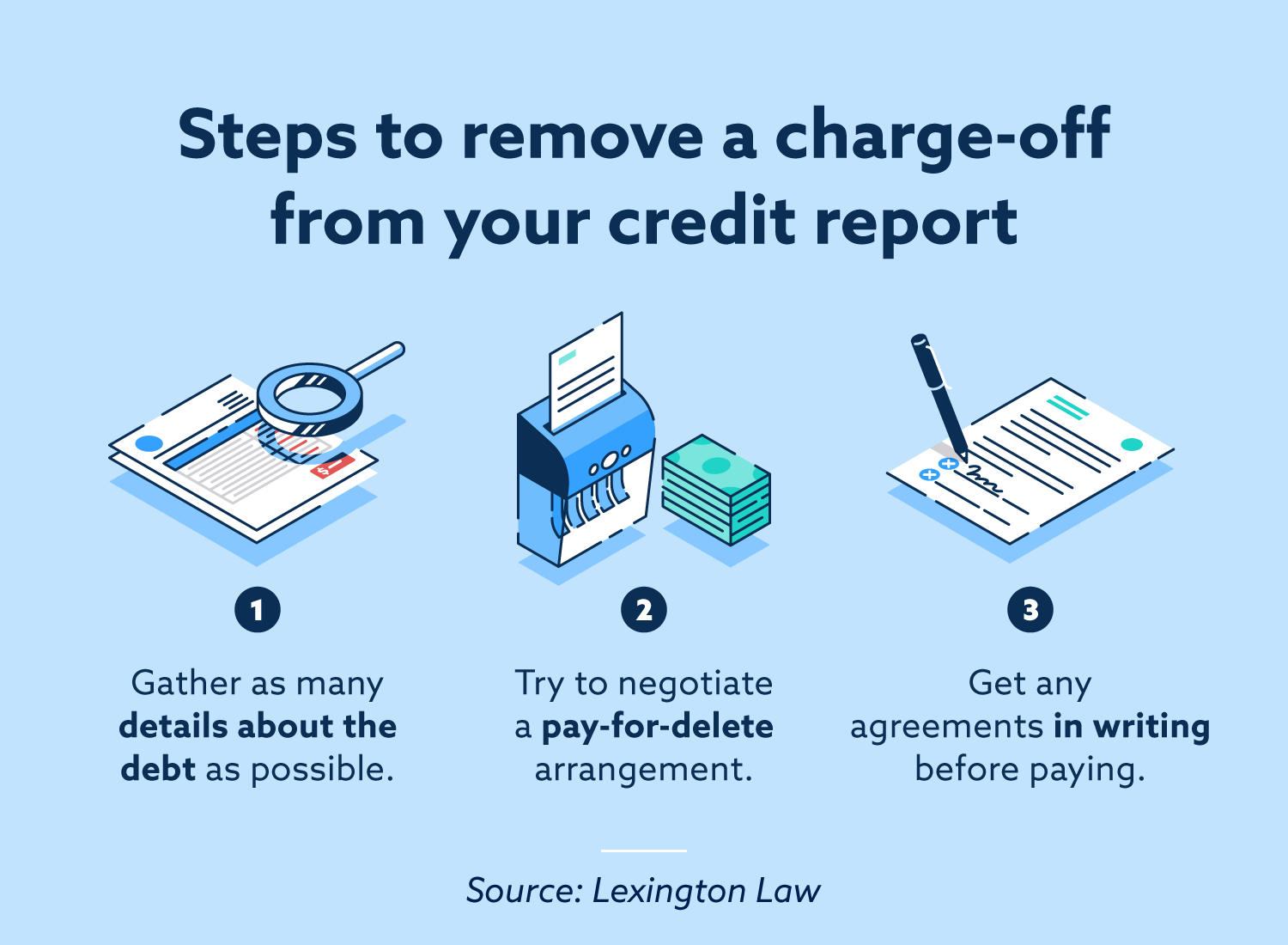
The most straightforward way to resolve a charged-off debt is to pay it in full. While this might be difficult, it’s often the best course of action if feasible. Paying the debt will show as “paid in full” on your credit report, which, while not erasing the charge-off, is a more positive entry than “unpaid.” Before paying, always:
-
Verify the Debt: Request written validation of the debt from the collector, ensuring they legally own it and the amount is accurate.
-
Negotiate a Payment Plan: If you can’t pay the lump sum, try to negotiate a manageable payment plan.
-
Get it in Writing: Always ensure any payment agreement, especially a settlement, is documented in writing before you make any payment.
Settling for Less: Pros and Cons
Since debt buyers acquire debt for a fraction of its value, they are often willing to settle for less than the full amount owed. This can be an attractive option, but it comes with caveats:
-
Pros: Reduces the amount you pay, closes the account with the collector, potentially prevents a lawsuit, and might be reported as “settled for less” on your credit report, which is better than “unpaid.”
-
Cons: The forgiven portion might be considered taxable income (as discussed above). A “settled for less” notation on your credit report is still negative, though less so than an unpaid charge-off.
-
Negotiation Tactics: Start with a low offer (e.g., 20-30% of the balance) and be prepared to negotiate. Always get the agreement in writing, specifying that the account will be reported as “paid as agreed” or “settled” (and by whom).
Dealing with Debt Collectors Effectively
Debt collectors can be persistent and sometimes aggressive. Knowing your rights is your best defense:
-
Verify the Collector: Ensure the entity contacting you is legitimate.
-
Request Debt Validation: Send a written request for validation within 30 days of initial contact. This legally requires them to prove you owe the debt.
-
Know Your FDCPA Rights: Understand what collectors can and cannot do (e.g., cannot harass you, make false statements, or call at unreasonable hours).
-
Communicate in Writing: All communications, especially negotiations or disputes, should be in writing to create a paper trail.
-
Cease and Desist: If you want collectors to stop contacting you, you can send a certified “cease and desist” letter. This doesn’t eliminate the debt but stops their calls.
-
Do Not Acknowledge Old Debts: Be careful not to restart the statute of limitations by making a payment or even explicitly acknowledging an old debt.
Seeking Professional Help: Credit Counseling and Bankruptcy
If you’re overwhelmed, professional guidance can be invaluable:
-
Non-Profit Credit Counseling: Organizations like members of the National Foundation for Credit Counseling (NFCC) can help you create budgets, negotiate with creditors, and explore options like Debt Management Plans (DMPs).
-
Debt Settlement Companies: While some reputable companies exist, be extremely cautious. Many are for-profit and can charge high fees, potentially worsening your situation. Research thoroughly and prioritize non-profit credit counseling first.
-
Bankruptcy: In severe cases where debt is unmanageable, bankruptcy (Chapter 7 or Chapter 13) might be the last resort. It’s a complex legal process that can discharge certain debts but has long-lasting negative credit implications (up to 10 years). Consult a qualified bankruptcy attorney to understand if it’s the right path for you.
Rebuilding Your Financial Future
A charge-off is a serious setback, but it’s not a permanent financial death sentence. With diligent effort and a commitment to responsible financial habits, you can and will rebuild your credit and secure a healthier financial future.
Establishing New Credit Responsibly
The key to rebuilding is to start demonstrating responsible credit behavior. This often means beginning with accessible, low-risk options:
-
Secured Credit Cards: These require a cash deposit that typically acts as your credit limit. They report to credit bureaus and allow you to build a positive payment history.
-
Credit Builder Loans: Offered by some credit unions and community banks, these loans put the borrowed amount into a savings account, which you access after making all payments.
-
Authorized User Status: If a trusted family member has excellent credit, they might add you as an authorized user on one of their credit cards. Their positive payment history can reflect on your report, but only if they manage it responsibly.
-
Small Installment Loans: If you need a small loan for a specific purpose, demonstrate consistent, on-time payments.
The most important rule with any new credit is to make all payments on time, every time, and keep utilization low.
Monitoring Your Credit Report
Regularly monitoring your credit report is paramount for several reasons:
-
Accuracy: Ensure the charge-off and any subsequent payments or settlements are reported accurately. Dispute any errors immediately.
-
Progress Tracking: Watch as newer, positive accounts start to dilute the negative impact of the charge-off over time.
-
Identity Theft: Protect against fraudulent activity that could further damage your recovering credit.
-
Free Annual Reports: You are entitled to one free credit report annually from each of the three major bureaus (Equifax, Experian, TransUnion) via AnnualCreditReport.com. Take advantage of this.

Financial Habits to Avoid Future Charge-Offs
The experience of a charge-off should be a powerful lesson in financial discipline. Adopt habits that prevent future struggles:
-
Create and Stick to a Budget: Understand your income and expenses to ensure you’re living within your means and allocating funds for debt repayment.
-
Build an Emergency Fund: Aim for 3-6 months of living expenses in a readily accessible savings account. This fund acts as a buffer against unexpected financial shocks that could otherwise lead to missed payments.
-
Prioritize Debt Payments: Always pay at least the minimum on all debts, especially credit cards, on time. Set up automatic payments to avoid missing due dates.
-
Avoid Overspending: Don’t rely on credit cards to fund a lifestyle you can’t afford with your income.
-
Understand Interest Rates: Be aware of how high-interest debt can quickly spiral out of control.
-
Seek Help Early: If you anticipate financial trouble, reach out to creditors or credit counseling agencies before you start missing payments. Proactive communication can often prevent a charge-off.
A credit card charge-off is undeniably a severe financial blow, marking a period of significant difficulty. However, it is also a powerful catalyst for change. By understanding its implications, actively addressing the debt, and diligently implementing sound financial practices, you can navigate this challenge and emerge with stronger, more resilient financial habits. The path to recovery requires patience and perseverance, but a brighter financial future is absolutely attainable.
aViewFromTheCave is a participant in the Amazon Services LLC Associates Program, an affiliate advertising program designed to provide a means for sites to earn advertising fees by advertising and linking to Amazon.com. Amazon, the Amazon logo, AmazonSupply, and the AmazonSupply logo are trademarks of Amazon.com, Inc. or its affiliates. As an Amazon Associate we earn affiliate commissions from qualifying purchases.