
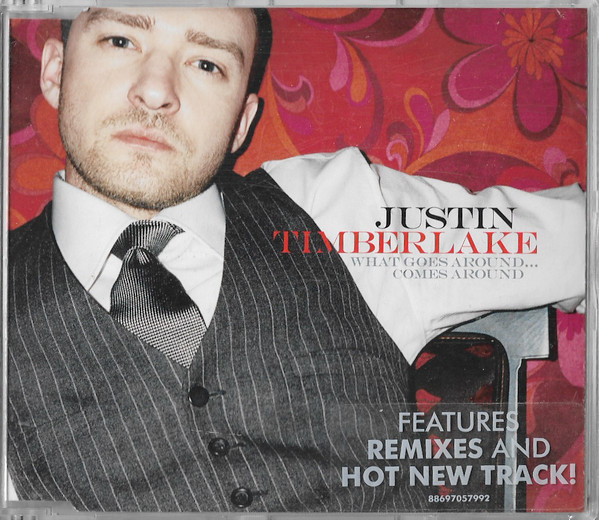
In the dynamic world of celebrity and public perception, few figures offer as compelling a case study in personal branding as Justin Timberlake. From boy band sensation to solo superstar, acclaimed actor, and successful entrepreneur, Timberlake’s career has been a masterclass in strategic evolution. However, the adage “what goes around, comes around” finds particular resonance in the realm of personal branding, especially for individuals operating under the intense scrutiny of the global stage. For Timberlake, as for any prominent public figure, every action, every past decision, and every carefully curated image eventually circles back, shaping current narratives, influencing future opportunities, and continually redefining his brand’s value. This phenomenon underscores a fundamental truth in personal branding: reputation is not static; it is a living, breathing entity, perpetually influenced by an ever-present past and a constantly scrutinizing present.

This deep dive into Justin Timberlake’s brand trajectory is not merely a recounting of a celebrity’s journey, but an exploration of the enduring principles that govern personal branding in the digital age. It reveals how authenticity, adaptation, crisis management, and the long-term cultivation of a public image coalesce to determine a brand’s resilience and longevity. Understanding these dynamics is crucial not just for celebrities, but for anyone looking to build, maintain, and evolve a powerful personal brand in an increasingly interconnected and unforgiving world.
The Echo Chamber of Celebrity: Past Actions, Present Reverberations
The digital age has fundamentally altered the landscape of personal branding, particularly for celebrities. For figures like Justin Timberlake, whose career spans multiple decades, the concept of a clean slate is virtually non-existent. Instead, every past action, interview, performance, and public statement exists within a vast, searchable, and often unforgiving digital archive. This persistent record ensures that “what goes around” doesn’t just return, it constantly is around, ready to be unearthed and re-evaluated through contemporary lenses.
The Digital Archive: When Nothing Truly Disappears
Before the internet, public memory was more transient. Controversies faded, and narratives could be more easily reshaped. Today, however, every moment captured, every quote published, and every fan interaction remains accessible. For Timberlake, this means that his early career choices, past relationships, and comments from decades ago can be instantly retrieved and amplified across social media platforms. This digital permanence presents a unique challenge for personal brand managers: how do you manage a brand when its entire history is perpetually available for scrutiny? The lesson here is clear: for any individual building a personal brand, the internet functions as an indelible ledger. Every interaction contributes to a cumulative brand identity that is increasingly difficult to reset, making foresight and careful consideration paramount from the outset.
Revisiting Narratives: Shifting Societal Lenses
What was acceptable or overlooked in one era can become a significant brand liability in another. Societal values, cultural sensitivities, and ethical standards evolve, and with them, the way we interpret historical events and past celebrity behavior. For a long-standing public figure like Timberlake, this means past actions, once deemed innocuous or even celebrated, can be re-examined through contemporary societal lenses, leading to shifts in public sentiment and brand perception. This re-evaluation isn’t necessarily about new information emerging, but rather about a new context being applied. The branding challenge then becomes one of navigating evolving cultural norms while maintaining a consistent and authentic core identity. A personal brand must be agile enough to acknowledge and adapt to these shifts, demonstrating growth and understanding without appearing opportunistic or disingenuous. This requires a delicate balance of acknowledging past missteps, expressing evolving perspectives, and reinforcing genuine personal values.
From Pop Idol to Public Figure: Evolving Brand Expectations
Justin Timberlake’s journey from a teen pop idol in a manufactured boy band to a respected solo artist, actor, and family man illustrates a significant evolution in public expectations. Initially, his brand might have centered on youthful exuberance and musical talent. As he matured, so did the expectations placed upon him. His brand evolved to encompass aspects of sophistication, artistic integrity, entrepreneurial savvy, and eventually, social responsibility. This natural progression of a personal brand demands constant recalibration. What appealed to a teenage audience may not resonate with a more mature demographic. The challenge for Timberlake, and indeed for any individual building a multi-decade personal brand, is to anticipate and strategically manage these evolving expectations, ensuring that each brand iteration feels authentic and relevant, rather than a forced reinvention. Success in this area hinges on a deep understanding of one’s evolving audience and a willingness to strategically shed old skins to embrace new ones.
Crafting and Re-Crafting the Timberlake Brand
The longevity of Justin Timberlake’s career is a testament to sophisticated brand management, characterized by strategic pivots and a nuanced understanding of public perception. His brand isn’t accidental; it’s a carefully constructed entity that has been continuously refined over decades, demonstrating the power of proactive brand strategy.
Strategic Pivots: Music, Acting, Entrepreneurship
One of the hallmarks of a resilient personal brand is the ability to diversify and adapt. Timberlake masterfully executed strategic pivots, transitioning from a highly successful music career to a commendable acting career, and later venturing into entrepreneurial endeavors (such as his tequila brand or investing in tech startups). Each pivot wasn’t a departure from his core brand but an expansion of it, showcasing versatility, ambition, and a broader range of talents. These strategic moves allowed him to appeal to new audiences, refresh his image, and avoid the stagnation that often afflicts celebrities who remain tethered to a single domain. For any individual, identifying adjacent fields or skills that complement their core brand can be a powerful strategy for growth and sustained relevance, preventing burnout and opening new avenues for influence and impact. It’s about leveraging existing brand equity to explore new territories, thereby enriching the brand’s narrative and expanding its reach.
Authenticity vs. Perception: The Balancing Act
At the heart of any strong personal brand lies the delicate balance between authenticity and curated perception. While the public craves authenticity, celebrities also understand the necessity of managing their image to align with specific brand goals. For Timberlake, this has involved presenting himself as a relatable, down-to-earth artist while simultaneously maintaining an aura of polished professionalism and aspirational success. The challenge lies in ensuring that the curated elements feel genuine and consistent with the perceived “real” person. When this balance is disrupted – when actions or past narratives clash sharply with the presented image – it can lead to public skepticism and brand erosion. Effective personal branding isn’t about fabricating a persona, but about strategically highlighting and amplifying the most compelling and relevant aspects of one’s true self, ensuring congruence between internal values and external projection.

Endorsements and Alignments: Reinforcing Brand Values
The choice of endorsements and brand alignments is a critical component of personal branding. For Justin Timberlake, partnerships with major brands (e.g., McDonald’s, Givenchy, Audi) have not only generated significant income but have also served to reinforce specific aspects of his brand: sophistication, modern appeal, and a certain aspirational lifestyle. These partnerships are carefully selected to align with his public image and target demographic, adding layers of credibility and desirability to his personal brand. Conversely, a misaligned endorsement can quickly dilute or even damage a personal brand. For individuals building their brand, thoughtful selection of associations – whether it’s collaborations, sponsorships, or even social causes – is paramount. These alignments act as powerful signals to the audience about what the brand stands for, its values, and its aspirations, effectively shaping its overall identity and resonance.
Navigating the Brand Backlash: When “What Goes Around” Hits Home
No personal brand, no matter how carefully constructed, is immune to criticism or controversy. For public figures like Justin Timberlake, the cyclical nature of reputation means that past missteps or newly perceived transgressions can ignite significant brand backlash, particularly in the age of rapid-fire digital communication. Understanding how to navigate these storms is crucial for brand survival and eventual recovery.
Public Scrutiny and Social Media Accountability
The democratizing power of social media has fundamentally altered the power dynamic between celebrities and their audiences. No longer can a public figure operate in a vacuum; every comment, every past action, and every perceived slight is subject to immediate and often intense public scrutiny. For Timberlake, moments where past narratives have been revisited or where his actions were questioned have led to significant social media accountability. Hashtags can trend instantly, leading to widespread public debate, criticism, and calls for apologies or explanations. This environment underscores the fragility of personal brand equity and the speed with which it can erode. Effective brand management in this context requires constant vigilance, a deep understanding of audience sentiment, and the ability to respond swiftly and authentically to burgeoning crises, preventing them from spiraling out of control.
Crisis Communication and Damage Control
When brand backlash hits, an effective crisis communication strategy is essential. This typically involves several key steps: acknowledging the issue, taking responsibility where appropriate, expressing empathy, and outlining corrective actions. For Timberlake, instances of public criticism have necessitated carefully worded apologies and strategic public statements aimed at addressing grievances and rebuilding trust. The timing, tone, and substance of these communications are critical. A defensive or dismissive response can exacerbate the problem, while a genuine and well-considered apology can begin the process of damage control. It’s not just about what is said, but how it is perceived by a highly engaged and often skeptical audience. The goal is to move beyond the immediate crisis and lay the groundwork for long-term brand rehabilitation, demonstrating a commitment to growth and learning from mistakes.
The Long Road to Brand Redemption
Brand redemption is rarely an instantaneous process; it is a marathon, not a sprint. For a celebrity like Justin Timberlake, recovering from significant brand backlash involves consistent effort over time. This includes not only verbal apologies but also demonstrable changes in behavior, strategic engagements with affected communities, and a sustained effort to reinforce positive brand attributes. It requires patience, humility, and a clear vision for the future of the brand. The public observes not just the initial response but the sustained commitment to improvement and accountability. The journey to redemption can involve strategic retreats from the public eye, carefully chosen philanthropic efforts, or a renewed focus on artistic endeavors that resonate positively with the audience. Ultimately, true brand redemption is earned through a consistent demonstration of integrity and a commitment to aligning public actions with deeply held personal and professional values.
The Future of a Legacy: Sustaining a Multi-Decade Brand
Sustaining a personal brand for multiple decades, particularly one that operates under such intense public glare as Justin Timberlake’s, requires foresight, adaptability, and a strategic understanding of legacy building. The question “what goes around” transforms from a concern about past mistakes to an inquiry about the enduring impact and contribution of the brand.
Understanding and Adapting to Audience Sentiment
A key factor in long-term brand sustainability is an acute awareness of evolving audience sentiment. What resonated with fans in the 2000s might not hold the same appeal today, and new generations of fans bring their own expectations and cultural values. For Timberlake, this has meant continually adapting his music, his public persona, and even his social media engagement to remain relevant and connect with diverse demographics. This isn’t about chasing every trend, but about understanding the zeitgeist and ensuring the brand continues to speak to current cultural conversations without losing its core identity. Successful brands actively listen to their audience, leverage data analytics, and engage in thoughtful market research to inform their strategic decisions, ensuring their messaging remains potent and their appeal broad.
Building Beyond Performance: Entrepreneurial Ventures and Philanthropy
For celebrities with established brands, building a lasting legacy often extends beyond their primary performance domain. Entrepreneurial ventures and philanthropic efforts become critical components of a multi-faceted brand strategy. Timberlake’s investments and business endeavors, alongside his involvement in various charitable causes, contribute to a broader narrative of impact and contribution. These activities diversify his brand equity, demonstrating leadership, business acumen, and a commitment to social good. For any individual, strategically expanding their brand’s reach into areas that align with their passions and values can significantly enhance their legacy. It shifts the perception from solely a performer or practitioner to a thought leader, an innovator, or a changemaker, ensuring that the brand’s influence extends far beyond its initial confines.
The Enduring Power of a Well-Managed Personal Brand
Ultimately, the cyclical nature of “what goes around” for Justin Timberlake underscores the enduring power and fragility of a personal brand. His journey illustrates that a well-managed brand is not merely a static image but a dynamic entity that requires constant attention, strategic evolution, and a willingness to confront and learn from its past. The lessons from his career – about navigating public scrutiny, adapting to societal shifts, making strategic pivots, and committing to long-term redemption – are universal. They serve as a powerful reminder that while the rewards of a strong personal brand are immense, its maintenance demands vigilance, authenticity, and a deep understanding of how every action, past and present, contributes to the narrative that defines one’s public identity. In the end, what goes around truly does come around, and for a brand like Justin Timberlake’s, managing that cycle is the key to sustained relevance and lasting legacy.
aViewFromTheCave is a participant in the Amazon Services LLC Associates Program, an affiliate advertising program designed to provide a means for sites to earn advertising fees by advertising and linking to Amazon.com. Amazon, the Amazon logo, AmazonSupply, and the AmazonSupply logo are trademarks of Amazon.com, Inc. or its affiliates. As an Amazon Associate we earn affiliate commissions from qualifying purchases.