
In the dynamic world of music, a band’s genre is far more than a simple classification; it’s a cornerstone of their brand identity, a strategic tool that shapes their market positioning, audience perception, and enduring legacy. For a band like The Cranberries, whose sound has resonated with millions across decades, dissecting their genre is not merely an academic exercise but a critical exploration of how their musical identity was meticulously crafted and communicated as a powerful brand.
The Cranberries, an Irish rock band formed in Limerick in 1989, carved out a distinct niche in the global music landscape. Fronted by the unforgettable voice of Dolores O’Riordan, their sound became synonymous with a particular era of music, yet transcended fleeting trends. While commonly labeled as Alternative Rock or Pop Rock, a deeper dive reveals a sophisticated blend of influences and characteristics that solidify their unique brand proposition. Their genre is a rich tapestry woven with threads of jangle-pop, post-punk introspection, Celtic melancholia, and an undeniable commercial appeal, all contributing to a brand that was both universally accessible and uniquely distinctive.
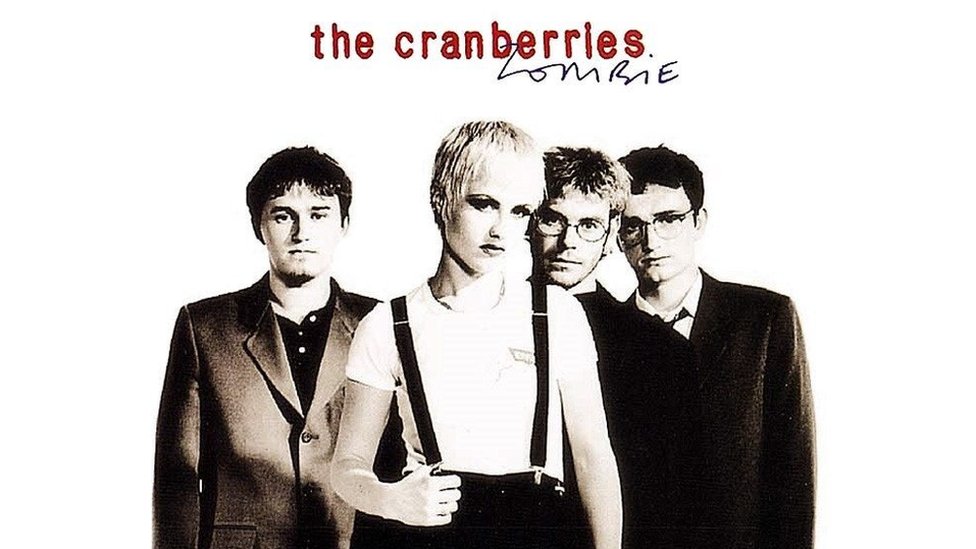
Understanding “what genre is The Cranberries” is essential for comprehending how they built and sustained their global brand, navigating the competitive music industry with an authentic sound and powerful message. This exploration delves into the sonic elements that defined their brand, the strategic implications of genre for market positioning, and how their distinct musical identity forged a lasting connection with their audience.
The Cranberries’ Sonic Identity: A Foundation of Their Brand
The core of any musical brand lies in its sonic identity—the unique sound that immediately distinguishes an artist from the rest. For The Cranberries, this identity was a masterful blend, anchored by several key elements that solidified their brand in the minds of listeners worldwide.
Defining Their Core Sound: Alternative Rock with Pop Sensibilities
At their heart, The Cranberries are most accurately branded as an Alternative Rock band. This classification places them within a genre known for its departure from mainstream rock conventions, often characterized by unconventional song structures, introspective lyrics, and a less polished, more raw sound. However, their brand strategically infused this alternative edge with undeniable Pop Sensibilities. Songs like “Linger” and “Dreams” possess catchy melodies, accessible song structures, and a polished production that allowed them to crossover into mainstream radio without sacrificing their artistic integrity. This blend created a brand that was both edgy and commercially viable, appealing to a broad demographic that appreciated both artistic depth and melodic accessibility. Their ability to fuse these elements allowed their brand to transcend the often-niche appeal of pure alternative acts, giving them a broader market reach.
Influences and Innovations: Post-Punk, Celtic Infusions, and Dolores O’Riordan’s Vocals
The Cranberries’ brand identity was further enriched by specific influences and groundbreaking innovations. Elements of Post-Punk are evident in their early work, particularly in the driving basslines, jangling guitar riffs, and the often melancholic or angsty lyrical themes. This foundational influence gave their brand a sense of gravitas and an artistic credibility rooted in a significant musical movement.
Crucially, their brand was distinctively flavored by Celtic Infusions. While not overtly folk, there’s an undeniable Irish lilt and melancholic undertone in many of their melodies and vocal arrangements. This subtle integration of their cultural heritage gave their brand an authentic, unique selling proposition that resonated with audiences globally, adding a layer of depth and origin to their story.
However, the most potent and unmistakable element of The Cranberries’ brand was the voice of Dolores O’Riordan. Her vocal style was a brand differentiator in itself. Characterized by its incredible range, distinctive yodeling technique, and emotive power, her voice was instantly recognizable. It could shift from a soft, ethereal whisper to a raw, powerful wail, conveying a spectrum of emotions that perfectly amplified the band’s lyrical themes. This vocal signature became the most identifiable facet of The Cranberries’ brand, making them instantly distinguishable even to casual listeners. It was a unique sonic watermark that no other band could replicate, establishing an unparalleled brand recall.
Evolution of Sound Across Albums: Nuance and Consistency
Throughout their career, The Cranberries’ brand demonstrated a remarkable balance between evolving their sound and maintaining core consistency. Albums like Everybody Else Is Doing It, So Why Can’t We? showcased their jangle-pop/alt-rock foundation. No Need to Argue introduced heavier themes and a more intense sound, including the impactful “Zombie,” pushing their alternative rock brand further while still retaining their melodic core. Later albums explored more diverse textures, sometimes leaning into a slightly harder rock edge (To the Faithful Departed) or more introspective, acoustic-driven sounds (Bury the Hatchet, Wake Up and Smell the Coffee). This strategic evolution ensured their brand remained fresh and relevant without alienating their established fanbase. It demonstrated a brand capable of growth and adaptability, yet always anchored by the unmistakable vocals and lyrical themes that defined “The Cranberries.” This careful management of their sonic brand ensured longevity and relevance across different eras.
Genre as a Strategic Branding Tool in the Music Industry
In the highly competitive music industry, genre is not just a descriptive label but a powerful strategic tool that shapes a band’s brand, from market entry to long-term legacy. The Cranberries effectively leveraged their genre to build a distinctive and enduring brand.
Market Positioning and Audience Targeting
Defining their genre allowed The Cranberries to strategically position their brand within the music market. By aligning with Alternative Rock, they signaled to listeners and industry professionals that they offered something distinct from mainstream pop or hard rock. This positioning helped them attract a specific audience segment—listeners who sought music with lyrical depth, emotional resonance, and an artistic edge. Simultaneously, their pop sensibilities broadened their appeal, allowing their brand to penetrate mainstream charts and garner commercial success. Their genre-informed brand positioning enabled them to be both a critical darling and a commercial success, a rare and valuable achievement. It informed which radio stations would play their music, which festivals would book them, and which publications would feature them, all contributing to a cohesive brand ecosystem.
Crafting a Unique Brand Narrative Through Genre

The Cranberries’ genre allowed them to craft a compelling brand narrative. Their alternative rock roots, combined with Irish influences, allowed them to tell stories that were often melancholic, introspective, and politically charged (as seen in “Zombie”). This narrative resonated deeply with an audience looking for music that mirrored their own complex emotions and thoughts, fostering a strong sense of connection and loyalty. Their brand narrative was one of authenticity, emotional honesty, and a connection to their roots, all underpinned by their specific genre blend. This helped them build a brand that was perceived as genuine and relatable, moving beyond mere entertainment to a more profound cultural impact.
Genre’s Role in Album Art, Music Videos, and Merchandising
The visual components of a brand—album art, music videos, and merchandise—are heavily influenced by genre. For The Cranberries, their brand’s visual identity often mirrored the ethereal, melancholic, and sometimes raw aesthetic of alternative rock. Early album covers, like Everybody Else Is Doing It, So Why Can’t We?, featured the band in a somewhat understated, natural setting, reflecting their authentic and unpretentious brand image. Music videos, often characterized by dreamlike sequences, symbolic imagery, and a focus on Dolores O’Riordan’s expressive performance, reinforced the emotional depth and artistic integrity of their brand. Merchandise, too, often featured minimalist designs or iconic imagery associated with their songs, creating tangible brand touchpoints for their fans. Every visual element was carefully aligned with their musical genre, creating a cohesive and instantly recognizable brand experience.
The Commercial and Cultural Impact of Genre Branding
The strategic branding through genre had profound commercial and cultural impacts for The Cranberries, allowing them to build an enduring legacy and maintain brand relevance across decades.
Building Brand Loyalty and Community
By cultivating a distinct genre, The Cranberries fostered deep brand loyalty among their fanbase. Listeners who connected with their unique blend of alternative rock, pop, and Celtic influences felt a strong affinity for the band’s authentic sound and message. This loyalty transformed into a vibrant community of fans who avidly followed their releases, attended concerts, and championed their music. This community became an invaluable asset, ensuring sustained interest and support for the band’s brand over many years, even during hiatuses. Their genre helped them to create a tribal identity, where fans felt they were part of something unique and meaningful.
Navigating Genre Shifts and Maintaining Brand Authenticity
The music industry is constantly evolving, with genres merging and new sounds emerging. A key challenge for any musical brand is navigating these shifts while maintaining brand authenticity. The Cranberries demonstrated this by subtly evolving their sound across albums. While they occasionally experimented with heavier guitars or different lyrical themes, they never strayed so far from their core alternative rock/pop-rock brand that they became unrecognizable. Dolores O’Riordan’s distinctive vocals and the band’s signature melodic and lyrical style acted as anchors, ensuring that their brand remained authentic and true to its origins, even as their sound matured. This careful balance prevented brand dilution and allowed them to retain their core audience while potentially attracting new listeners.
Legacy and Enduring Brand Recognition
Ultimately, The Cranberries’ strategic use of genre to build their brand contributed significantly to their legacy and enduring brand recognition. Their genre classification helped cement their place in music history as pioneers of alternative rock with a unique Irish twist. Even years after their peak commercial success and tragically after Dolores O’Riordan’s passing, their music continues to resonate, introduced to new generations through streaming platforms and media placements. Their genre-defined brand has become a cultural touchstone, recognized for its emotional depth, artistic integrity, and timeless appeal. Their brand transcends individual songs, representing a specific sound and sensibility that continues to influence and inspire.
Beyond Genre Labels: The Cranberries as a Distinctive Brand Entity
While genre provides a framework, truly iconic brands transcend mere classification. The Cranberries ultimately became a brand that was bigger than any single genre label, defined by their unique artistry and unwavering authenticity.
The Power of Distinctive Vocals and Songwriting
As highlighted earlier, Dolores O’Riordan’s vocals were a brand powerhouse. They weren’t just a part of the genre; they defined the band’s specific articulation of it. Coupled with the powerful and often poetic songwriting from O’Riordan and Noel Hogan, The Cranberries built a brand based on profound emotional connection. Their songs delved into themes of love, loss, war, childhood, and spirituality, giving their brand a depth and relatability that resonated on a deeply personal level with fans worldwide. This combination of distinctive sound and meaningful content allowed their brand to stand out in a crowded market.
Authenticity as a Core Brand Value
The Cranberries’ brand always exuded authenticity. They were never perceived as chasing trends or compromising their artistic vision for commercial gain. Their music felt real, raw, and honest, a reflection of their Irish roots and personal experiences. This authenticity became a core brand value, fostering trust and respect from their audience. In an industry often criticized for manufactured artists, The Cranberries’ genuine approach became a crucial part of their enduring appeal and strong brand identity. This perception of authenticity built a loyal following that valued artistic integrity above all else.

The Global Reach of Their Brand
The Cranberries’ ability to forge a strong brand identity through their unique genre blend facilitated their remarkable global reach. Their music resonated across diverse cultures and languages, proving that emotional connection and a distinct sonic identity transcend geographical boundaries. Their brand became a universal symbol of alternative rock’s ability to touch the human spirit, solidifying their status as an internationally beloved and enduring musical entity. Their brand, rooted in a specific genre yet universally appealing, cemented their place in the pantheon of global music icons.
In conclusion, “what genre is The Cranberries” is a question that, when answered through a branding lens, reveals the strategic brilliance behind their success. They masterfully blended alternative rock with pop sensibilities, infused with Celtic nuances, and fronted by one of the most distinctive voices in music history. This carefully constructed sonic identity served as the foundation for a powerful brand that navigated the complexities of the music industry, built a loyal global community, and left an indelible mark on cultural history. Their genre wasn’t just a label; it was the blueprint for an iconic brand.
aViewFromTheCave is a participant in the Amazon Services LLC Associates Program, an affiliate advertising program designed to provide a means for sites to earn advertising fees by advertising and linking to Amazon.com. Amazon, the Amazon logo, AmazonSupply, and the AmazonSupply logo are trademarks of Amazon.com, Inc. or its affiliates. As an Amazon Associate we earn affiliate commissions from qualifying purchases.